Alberta Outfitters on the Prairie
The vast, seemingly endless landscape of Alberta's prairie region presents a truly unique challenge for hunters, especially if you're not intimately familiar with the local terrain, land access, and subtle movements of game. It's a place where success often hinges on knowing who owns which quarter section, understanding nuanced animal behaviour, and having the right strategy for wide-open spaces. This guide is designed to help you understand how working with an experienced outfitter on the Alberta prairie can unlock incredible hunting opportunities, providing the local knowledge and access that can turn a challenging landscape into a successful hunt.
Understanding the Prairie Hunting Experience with an Outfitter
Hunting the Alberta prairie isn't just about spotting game across endless fields; it's a deeply strategic game of hide-and-seek played out on a grand scale. For many, especially non-residents or those new to the province, navigating this landscape effectively can feel like trying to find a needle in a haystack—a very big, very windy haystack. This is where a seasoned outfitter becomes an invaluable asset.
Why Prairie Hunting is Unique
The Alberta prairie is a patchwork of cultivated fields, native grasslands, rolling coulees, and shelterbelts. Unlike the dense bush or mountain regions, cover here is often sparse and topographical features like creek bottoms, river breaks, and subtle depressions become critical ambush points and bedding areas. The game animals in these regions are often pressured, highly wary, and incredibly well-adapted to their open environment, boasting exceptional eyesight and an uncanny ability to disappear into seemingly flat terrain. You're not just looking for an animal; you're looking for a specific buck that might live his entire life within a few square miles of private farmland, constantly moving between feed, cover, and water sources, all on land that requires permission to access.
Furthermore, access is arguably the biggest hurdle for any prairie hunter. The vast majority of prime hunting ground is privately owned, often by multi-generational farm and ranch families. Gaining permission requires time, respectful interaction, and often, established relationships. For a non-resident or someone unfamiliar with local customs, simply knocking on doors can be a daunting, and often fruitless, task. This unique blend of wide-open, yet surprisingly intricate, terrain combined with a complex land access situation is what sets prairie hunting apart from many other big game experiences. It's a hunter's chess match, where patience and precision are paramount.
What an Outfitter Brings to the Table on the Prairie
An outfitter specializing in prairie hunts acts as your essential bridge to this challenging environment. First and foremost, they possess invaluable local knowledge. They know the subtle movements of game in their specific areas, having observed them year after year, often across generations. They understand how different crops, prevailing winds, and even minor changes in topography influence where a big mule deer buck might be bedding, or where a flock of geese will descend. This isn't just general knowledge; it's hyper-local, specific to the particular quarter sections and coulees they operate on.
Beyond their intimate understanding of game behaviour and habitat, the primary benefit of a prairie outfitter is access. These professionals have spent years, sometimes decades, cultivating relationships with local landowners. They have secured exclusive hunting rights or long-standing permissions on vast tracts of private land that would be impossible for an individual hunter to access otherwise. This means you're not spending your valuable hunt time driving around looking for "No Hunting" signs or being turned away at farm gates; you're actively hunting prime ground that has been scouted and managed. They handle all the permissions, ensure you're hunting legally and ethically within the area's specific rules, and often have a network of landowners who provide real-time information on game movements. For those coming from outside Alberta, particularly international hunters, the requirement to hunt with a Hunting Guides and Outfitters in Alberta or Hunting Alberta With a Hunter Host makes an outfitter a necessity.
Key Species Hunted with Prairie Outfitters
The Alberta prairie is a diverse ecosystem, offering incredible opportunities for a variety of game. Outfitters in this region often specialize in specific species, tailoring their hunts to the animals that thrive in the open country. Understanding these target species is key to choosing the right outfitter for your dream hunt.
Mule Deer and Whitetails in Open Country
The prairie is renowned for producing exceptional mule deer and white-tailed deer. Mule deer, with their large ears and distinctive bounding gait, are perfectly suited for the broken coulees, river breaks, and native grasslands that crisscross the prairie. Outfitters targeting mule deer often employ spot-and-stalk tactics, utilizing the undulating terrain to get within shooting range. These hunts demand patience, good optics, and a keen eye for spotting subtle movements or antler tips against a distant ridge. Hunters might spend hours glassing vast expanses, waiting for that tell-tale flick of an ear or the sun glinting off a rack before planning their approach. An outfitter's knowledge of where Mule Deer in Alberta's Open Country prefer to bed or feed, and how they use the terrain for escape, is critical for success.
White-tailed deer, while also present in the foothills and boreal forest, thrive in the prairie's agricultural mosaic, often growing to impressive sizes due to abundant food sources. They typically inhabit the shelterbelts, aspen bluffs, and brushy creek bottoms that offer them cover in this open landscape. Outfitters will often focus on these pockets of cover, setting up blinds or stands along travel corridors, particularly during the rut. White-Tailed Deer, Alberta's Most Hunted Big Game can be incredibly elusive, using thickets and heavy cover to vanish, making an outfitter's understanding of their preferred bedding and travel routes invaluable. The strategy often shifts from open-country glassing to more strategic positioning, anticipating movement between feed fields and sanctuary.
Pronghorn and Their Challenges
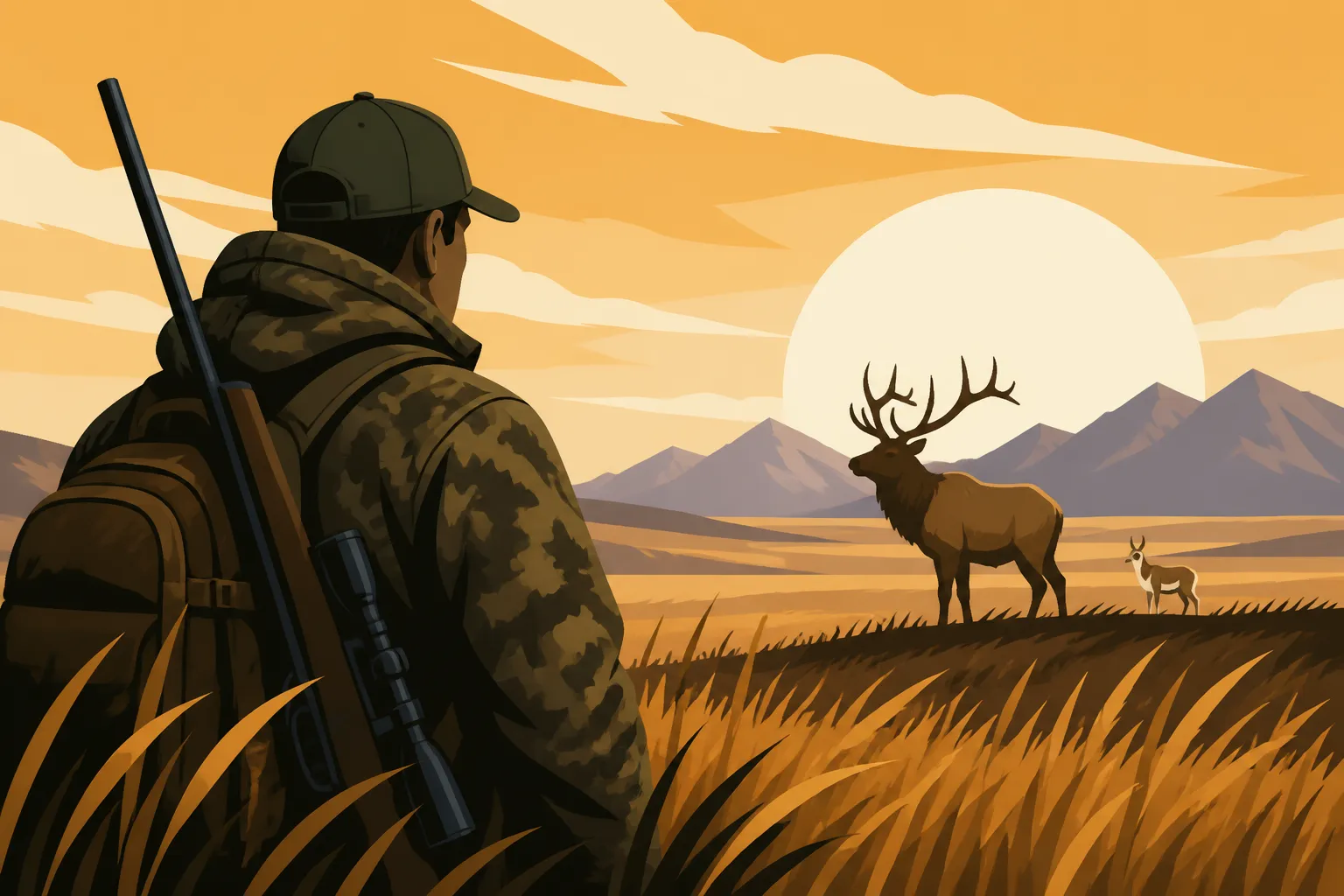
For many, a prairie hunt wouldn't be complete without the opportunity to chase North America's fastest land animal: the pronghorn. These magnificent creatures are truly a sight to behold on the open plains, their speed and incredible eyesight making them one of the most challenging animals to hunt. Outfitters specializing in pronghorn hunts will often focus on the southern prairie regions where these herds roam. Hunting Pronghorn on Alberta's Southern Prairie is almost exclusively a spot-and-stalk affair, requiring immense patience and strategic use of what little cover the prairie offers—think small rises, drainage ditches, or even the back of a truck for concealment as you glass.
The challenge with pronghorn lies in their keen vision, which is often likened to a pair of 8x binoculars, and their tendency to flee at the first sign of danger, covering vast distances in a matter of seconds. An outfitter's experience is crucial here, as they understand the subtle nuances of terrain that can allow for an approach, and they know the typical travel patterns and water sources pronghorn rely on. Getting close enough for a shot often involves long crawls, careful use of cross-wind approaches, and a lot of aborted stalks. It’s a hunt that tests both your physical endurance and mental fortitude, but the reward of taking a mature buck on its home turf is immensely satisfying.
Waterfowl and Upland Birds
Beyond big game, the Alberta prairie is a world-renowned destination for bird hunters. The combination of vast agricultural lands and countless small wetlands makes it a critical staging area for millions of migratory waterfowl, particularly ducks and geese. Outfitters offer incredible opportunities for Alberta's Waterfowl and Migration Routes hunts, often specializing in field hunts for Canada geese, snow geese, and various duck species over elaborate decoy spreads. They have the equipment, the knowledge of migration patterns, and most importantly, the permissions to access prime feeding fields where these birds congregate.
Similarly, the prairie supports healthy populations of upland birds like sharp-tailed grouse and Hungarian partridge. While often hunted as a secondary species, some outfitters offer dedicated upland bird hunts, using trained dogs to flush birds from native grasslands, fence lines, and shelterbelts. These hunts provide a fast-paced, action-packed experience that complements a big game hunt or stands alone as a thrilling outing. An outfitter's network of land access is just as vital for bird hunting as it is for big game, ensuring access to the hottest fields and the densest cover. The combination of big game and bird opportunities is often what draws hunters to this unique region, creating diverse and fulfilling experiences.
| Hunt Type | Primary Tactics | Typical Access | Season Highlights | Key Challenges |
|---|---|---|---|---|
| Mule Deer | Spot & Stalk, Glassing | Private Land, Coulees | Early Archery, Rifle | Open Terrain, Wary Animals, Long Shots |
| Whitetail Deer | Stand/Blind Hunting | Private Land, Shelterbelts | Rifle Rut (Nov), Archery | Elusive, Cover-Oriented, Private Land Access |
| Pronghorn | Spot & Stalk, Low Crawl | Private Land, Open Plains | Early Archery, Rifle | Extreme Vision, Speed, Minimal Cover |
| Waterfowl | Field Decoy Spreads | Private Land, Stubble | Fall Migration | Scouting, Decoy Setup, Weather |
| Upland Birds | Walking, Dogs | Private Land, Grassland | Fall Season | Fast-Flying Birds, Dog Work, Cover |
Choosing a Prairie Outfitter: What to Look For
Selecting the right outfitter is arguably the most critical step in planning a successful and enjoyable prairie hunt. With many options available, it's essential to do your homework and ensure the outfitter's services align with your expectations and hunting style. This isn't just about finding someone who has access to land; it's about finding a partner who understands your goals and can deliver a truly memorable experience.
Experience with the Local Landscape and Access
When evaluating a prairie outfitter, their specific experience in the region they operate is paramount. You want an outfitter who has a deep, intimate knowledge of the land, not just a general understanding of "the prairie." This means they should know the local wildlife management units (Alberta's Wildlife Management Units), how specific landowners rotate crops, where the deer move when the combines are running, or how the local river system influences waterfowl staging. Ask about the specific areas they hunt, how long they've operated there, and their relationship with local landowners. Do they have exclusive access to large, contiguous blocks of land, or are they hunting fragmented pieces? An outfitter with long-standing relationships means consistent, quality access.
Furthermore, inquire about their history with various game species. A great mule deer outfitter might not be the best choice if your primary goal is a trophy whitetail, unless they specifically demonstrate expertise in both. Look for testimonials or references that speak to their ability to produce results consistently on the specific species you're interested in, and how well they manage the land for hunting pressure. Platforms like BookYourHunt can be a great place to start your search, allowing you to filter by species and region, and read reviews from previous clients. For those researching areas, GoHunt offers resources that can help understand draw odds and habitat, which can indirectly inform outfitter selection for specific regions.
Services and Hunt Packages
Outfitter services and hunt packages can vary widely, and understanding what's included (and what's not) is crucial. Most prairie outfitters offer packages based on species (e.g., Booking an Alberta Mule Deer Hunt, Booking an Alberta Whitetail Hunt, Alberta Bear Hunt Packages, waterfowl hunts) and duration, typically ranging from 3 to 6 hunting days. Common inclusions are guiding services (often 1-on-1 or 2-on-1 hunter-to-guide ratio), meals, accommodation (which can range from comfortable lodges to more rustic farmhouses or wall tents), and field transportation. Many also include field dressing, caping, and initial meat care. Some outfitters might even coordinate CWD testing if you're hunting in a mandatory submission zone (learn more about Alberta's Mandatory CWD Submission WMUs).
What's often not included are your flights, travel to the lodge, licenses and tags (like your Alberta Hunting Licences and What They Cost and Federal Migratory Game Bird Permit Cost), taxidermy, meat processing beyond initial field dressing, and gratuities for your guide and camp staff. Always get a detailed, written breakdown of what your package covers. Don't be shy about asking specific questions, such as "What happens if I fill my tag early?" or "What's the plan if the weather turns severe?" A reputable outfitter will be transparent about their offerings and contingency plans, as well as their Alberta Deposit and Cancellation Terms.
Important Questions to Ask
Beyond the basics, asking specific questions can help you gauge an outfitter's professionalism and suitability.
- Success Rates and Opportunity Rates: What are their historical success rates for the species and weapon type you're interested in? More importantly, what's their opportunity rate? A 100% opportunity rate means every hunter had a shot, even if they missed. Ask for realistic expectations.
- Guide Experience: Who will be your guide, and what is their experience level in that specific area? Are they designated guides under Alberta's regulations?
- Physical Demands: What are the physical demands of the hunt? Prairie hunting can involve a lot of walking, especially for spot-and-stalk pronghorn or mule deer, or sitting for long periods in a blind in cold weather. Be honest about your own fitness level.
- References: Always ask for a list of recent references (from the past 1-2 seasons) whom you can contact directly. Speak to these hunters about their honest experiences—the good, the bad, and the ugly. Did the outfitter deliver on promises? How was the food and accommodation?
- Ethical Practices: Inquire about their ethical hunting practices, game management philosophy, and adherence to Alberta Landowner Permission Law and all hunting regulations. A good outfitter prioritizes ethical hunting and the long-term health of the resource.
- Emergency Procedures: What are their emergency protocols in case of injury or other unforeseen events in the field? Knowing they have a plan for Emergency Plans in Alberta's Backcountry offers peace of mind.
Navigating Logistics and Expectations
A successful prairie hunt involves more than just finding a good outfitter; it requires careful planning and a realistic understanding of what to expect both in and out of the field. From where you'll lay your head to how you'll manage your expectations, these logistical and mental preparations are key to a fulfilling experience.
Accommodation and Camp Life on the Prairie
Accommodation on a prairie outfitter hunt can vary significantly, often reflecting the ruggedness or amenities of the region. Some outfitters operate out of comfortable lodges or renovated farmhouses, offering private rooms, hot showers, and home-cooked meals. These setups provide a welcome retreat after a long day in the field, allowing you to relax and recharge. Other outfitters might utilize more rustic options, like comfortable cabins or even wall tents, especially if they're hunting more remote areas along river breaks or in larger tracts of public land within the prairie zone.
No matter the setup, camp life is often a highlight of the guided hunt experience. It’s a chance to share stories with fellow hunters, forge new friendships, and debrief with your guide about the day's events. The food is typically hearty and plentiful, designed to fuel you for early mornings and late nights. Be prepared for early starts, as many of the best hunting opportunities occur at first light and last light. Discuss the accommodation details with your outfitter beforehand to ensure it meets your comfort expectations. Understanding What Outfitters Provide in Camp and what you should bring for yourself is vital for a comfortable stay.
Understanding Success Rates and Fair Chase
It's natural to want to know an outfitter's success rate, but it's crucial to understand what those numbers truly mean. A "success rate" usually refers to the percentage of hunters who harvested their target animal. However, this number doesn't tell the whole story. An "opportunity rate" can be more informative, indicating the percentage of hunters who had a legitimate shooting opportunity, regardless of whether they harvested. High success rates can be misleading if they imply guaranteed kills; no ethical outfitter can guarantee a harvest in a fair chase environment.
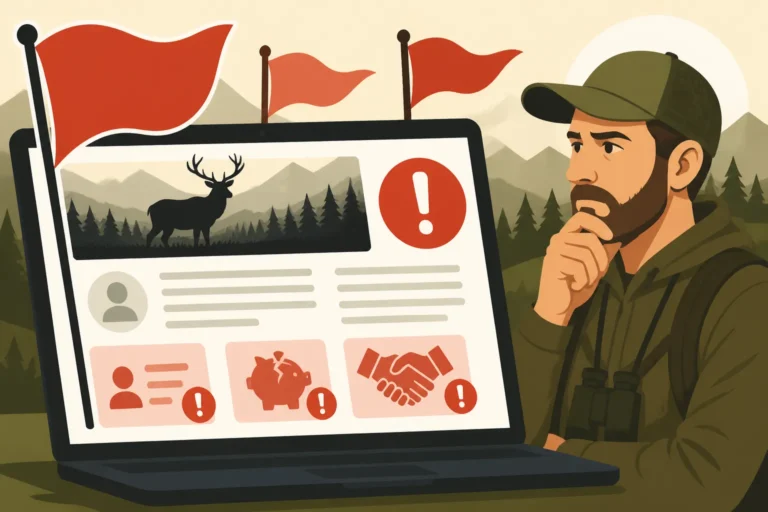
Hunting in Alberta is strictly fair chase, meaning animals are wild, free-ranging, and not confined. This inherently means there's an element of luck, weather, and animal behavior that no outfitter can control. A good outfitter will always operate within these ethical boundaries, striving to give you the best possible chance while respecting the animal and the spirit of the hunt. Your role as a hunter is to be proficient with your weapon, physically prepared, and mentally ready for the challenges that fair chase hunting presents. If you encounter an outfitter promising a guaranteed kill, consider it a significant red flag; it likely indicates practices that are unethical or illegal. Be sure to discuss What Success Rates Actually Mean with any potential outfitter.
Travel and Preparation for a Prairie Hunt
Traveling to Alberta for a prairie hunt requires careful preparation, especially for non-residents. If flying, consider flying into major hubs like Calgary or Edmonton, depending on the outfitter's location. You'll need to understand the rules for Flying to Alberta With a Rifle and ensure you complete the necessary Canadian Non-Resident Firearm Declaration form in advance. Driving across the border with firearms also has specific regulations that must be followed.
Physical preparation is important, even for seemingly flat prairie hunts. Spot-and-stalk hunting for mule deer and pronghorn can involve miles of walking or crawling, often in varying weather conditions. Practice with your rifle or bow at realistic distances to ensure accuracy under hunting pressure. Prepare for varying weather conditions; the Alberta prairie can be warm and sunny one day, and bitterly cold and windy the next. Layered clothing is essential, as is good quality footwear. Ensure you have all your licenses and tags well in advance of your hunt, understanding the Alberta Big Game Season Dates and specific WMU regulations. Many outfitters will provide a detailed packing list, but generally, focusing on quality optics, appropriate clothing, and familiar hunting gear will set you up for success.
Cost Considerations for a Prairie Outfitter Hunt
Investing in a guided prairie hunt in Alberta is a significant decision, and understanding the financial aspects is key to planning. Costs can fluctuate widely based on the target species, duration of the hunt, level of amenities, and the outfitter's reputation. It's not just about the sticker price; it's about the value you receive and what your overall experience will entail.
Factors Influencing Hunt Costs
The primary factor dictating the cost of an Alberta prairie hunt is often the species being pursued. Trophy mule deer and large whitetail bucks typically command higher prices due to demand, the specific habitat requirements, and the effort involved in consistently finding mature animals. Pronghorn hunts are also popular, with costs reflecting the specialized tactics and vast land access needed. Waterfowl and upland bird hunts are generally less expensive per day but can still add up, especially if you opt for multi-day packages with large decoy spreads and multiple guides. What an Alberta Guided Hunt Costs will always reflect the resources and expertise required.
The duration of the hunt also plays a significant role. Most big game hunts range from 4 to 7 days, with longer hunts naturally incurring higher costs. The level of service and accommodation further influences pricing; a hunt based out of a luxurious lodge with gourmet meals will cost more than a camp with more rustic amenities. Lastly, the outfitter's experience, reputation, and consistently high success or opportunity rates can justify higher prices, as you're essentially paying for their proven track record and extensive network of private land access. It's vital to discuss all these variables with potential outfitters to understand the value proposition.
What's Typically Included (and Not Included)
When reviewing outfitter prices, always confirm what exactly is covered in the stated fee. A comprehensive package often includes:
- Guiding Services: Typically 1-on-1 or 2-on-1 guiding, ensuring personalized attention in the field.
- Accommodation: Lodge, farmhouse, or cabin lodging for the duration of the hunt.
- Meals: All meals and non-alcoholic beverages provided from arrival to departure.
- Field Transportation: Travel within the hunting area, often via trucks, UTVs, or ATVs.
- Field Care: Field dressing, caping, and initial quartering of your animal.
- Pre-Scouting: The outfitter's extensive scouting efforts before your arrival to locate game.
However, several crucial items are almost universally not included and must be budgeted for separately:
- Licenses and Tags: All Alberta hunting licenses, tags, and federal migratory bird permits (if applicable). These are purchased directly by the hunter. Don't forget your Alberta's WIN Card and Wildlife Certificate!
- Travel Costs: Airfare or ground transportation to and from Alberta, and to the outfitter's meeting point.
- Taxes: Applicable sales taxes on the hunt package.
- Gratuities: Tips for your guide and any camp staff are customary and a significant part of the overall cost. Plan for this generously.
- Meat Processing & Taxidermy: Costs for a professional butcher to process your meat beyond field care, and for a taxidermist if you plan to mount your trophy. Shipping meat or trophies home can also be a considerable expense.
- Alcoholic Beverages: Most outfitters require hunters to bring their own alcoholic drinks.
- Personal Gear: Your weapon, ammunition, clothing, optics, and other personal hunting items.
Always request a detailed, itemized list of inclusions and exclusions. This transparency will help you build a realistic budget for your entire hunting adventure on the Alberta prairie, avoiding any unwelcome surprises down the road.
Disclaimer
This article is for general informational purposes only and does not constitute professional advice. Laws, prices and regulations vary by location and change over time. Consult a qualified professional for guidance on your specific situation.