Bugling Elk in Alberta’s Foothills
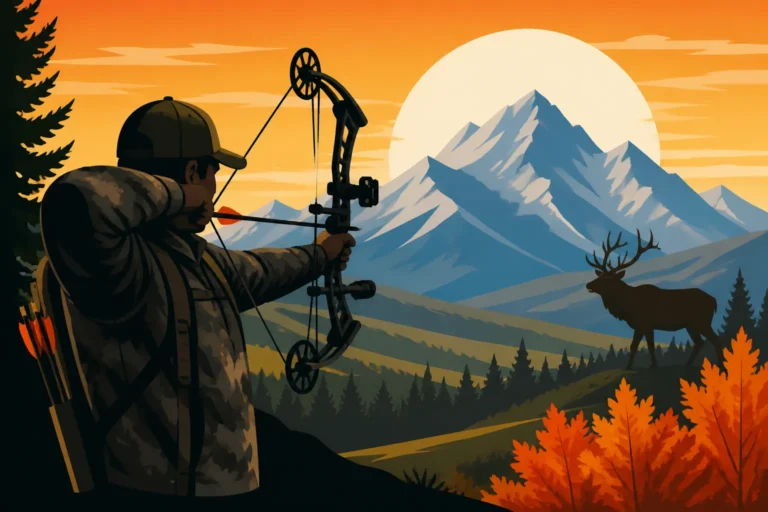
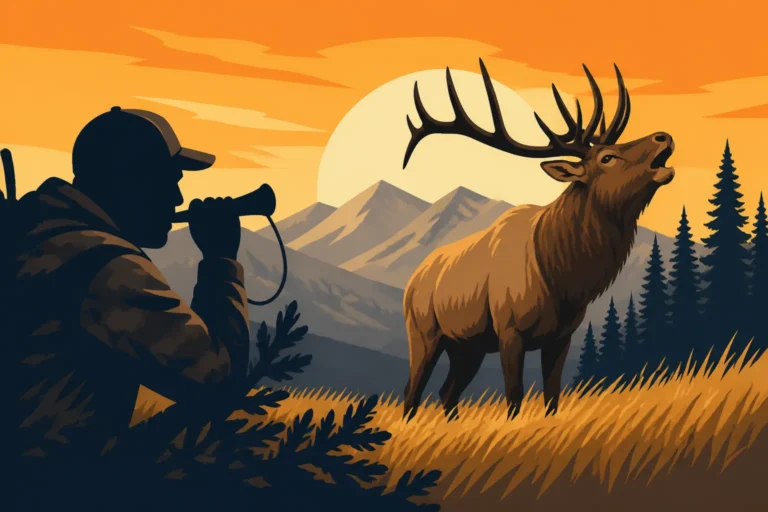
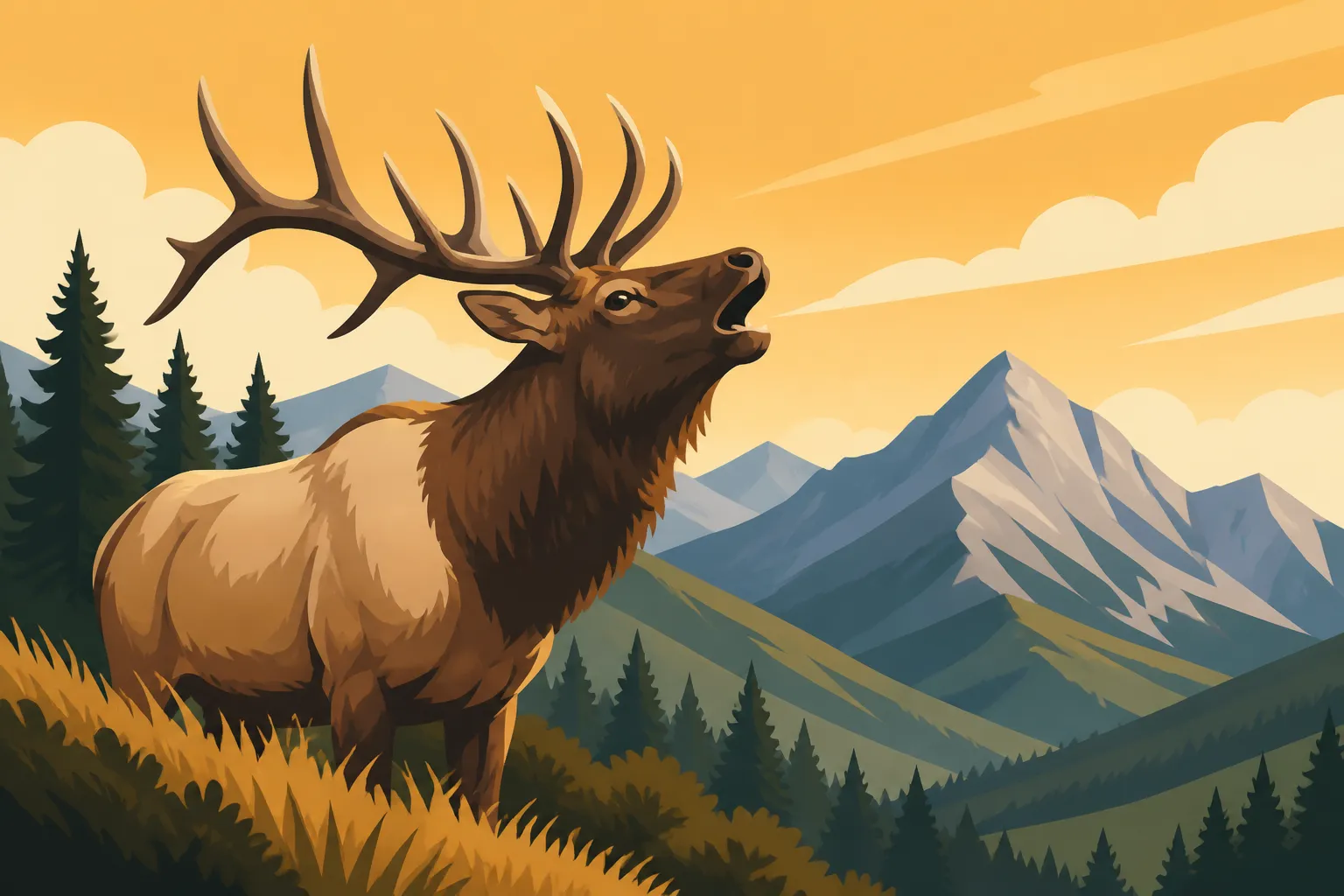
The echoing bugle of a bull elk ripping through the crisp autumn air in Alberta's foothills is a sound that sets a hunter's heart pounding. Yet, getting that monarch of the mountains to respond, let alone come to your call, is a challenge many hunters grapple with, often ending in frustration and unanswered efforts. This comprehensive guide is designed to peel back the layers of mystery surrounding bugling elk in this unique environment, equipping you with the knowledge and tactics to consistently engage these magnificent animals.
Understanding the Foothills Elk Landscape
Alberta's foothills are a complex and ever-changing environment, quite distinct from the open prairies or dense boreal forest. Elk here behave differently than they might in other regions, largely shaped by the terrain, vegetation, and human pressure. To successfully bugle them in, you first need to understand their home.
Topography and Habitat Preferences
The foothills are characterized by rolling hills, steep ridges, deep cut-banks, and a mosaic of timber patches (predominantly spruce, pine, and aspen) interspersed with open clearings, creek bottoms, and occasional logged areas. This varied topography offers elk everything they need: dense cover for bedding and security, open areas for feeding, and natural travel corridors. During the rut, bulls are constantly on the move, searching for cows or defending their harems. They often use the contours of the land to their advantage, slipping through valleys and along ridge lines, always mindful of the wind. Understanding these movements is crucial. For instance, elk often prefer benches or saddles on hillsides where they can bed with a commanding view downwind, allowing them to detect threats approaching from any direction. Creek drainages and river valleys also serve as natural highways, providing both cover and access to water, making them prime locations to intercept travelling elk. Knowing how to read these subtle shifts in elevation and vegetation, even on a detailed map, is foundational to effective bugling.
What might seem like impenetrable bush to a human is often a perfectly navigable network for elk. They thrive in areas with a mix of mature timber for thermal cover and younger growth or clearings that offer browse. The interface between these two habitat types is often where you'll find them. This could be the edge of an old burn, a regenerating clearcut, or a natural meadow bordering dense timber. Elk use these transition zones for feeding during low-light hours and for quick access to security cover when they feel pressured. When considering where to set up your calling sequence, look for these specific habitat convergences. Areas with abundant willows, for example, especially in wetter depressions, are often highly attractive to elk as a food source, drawing them into specific locations, particularly as the season progresses and other browse becomes less palatable. The more you can think like an elk, the better you'll be at predicting their whereabouts and, consequently, where your bugle will be heard and, hopefully, answered.
Elk Movement Patterns and Behavior
Elk in the Alberta foothills exhibit distinct movement patterns influenced by factors like hunting pressure, food availability, and breeding cycles. During the early archery seasons, often in September, elk might still be in larger summer herds, but as the rut approaches, bulls become more solitary or pair up with smaller groups of cows. These animals are incredibly sensitive to pressure. A single negative encounter with a hunter can cause a herd to alter its patterns significantly, often moving into thicker, more inaccessible areas or switching to entirely nocturnal movements. This makes scouting incredibly important, not just for fresh sign but for understanding recent activity. Learning to identify Elk Herds and Their Range in your specific hunting area will be critical.
The rut itself, typically peaking in late September and early October, is the most active time for bugling. Bulls are vocal, attempting to attract cows and challenge rivals. However, even within the rut, their behavior can change daily, sometimes hourly, based on cow receptiveness, competition from other bulls, and weather conditions. A warm, calm morning might see bulls bugling aggressively, while a sudden cold snap or heavy rain could quiet them down considerably. Understanding that elk are constantly adapting to their environment is key to being a successful caller. They are not static targets; they are dynamic, intelligent animals. Watching the wind direction and thermals in these hilly regions is non-negotiable. Elk have an incredible sense of smell, and a misplaced bugle on a swirling wind will often mean an unseen bull slipping away rather than responding. Always strive to approach and call with the wind in your favor, or at least cross-wind, so your scent doesn't carry directly to the elk.
The Nuances of Elk Calling
Elk calling is far more than just blowing into a tube. It's a language, a conversation, and mastering it requires understanding the different calls, when to use them, and how to interpret the responses. Many hunters just bugle and hope, but truly effective calling involves a strategic dialogue.
Types of Bugles and Their Meaning
The bull bugle is arguably the most iconic sound of the elk woods. But not all bugles are created equal. There's the "location bugle," a relatively soft, inquiring call used by a bull to announce his presence and listen for responses. This is often the safest bugle to start with in a new area. Then there's the "challenge bugle," a much more aggressive, full-throated roar, often ending with deep grunts. This call is used by a dominant bull to warn off rivals or by a satellite bull trying to test the waters with a heard bull. The "chuckle" or "grunt" that often follows a bugle is also a significant part of the communication, indicating aggression or dominance. A bull that chuckles aggressively after a bugle is often a confident, dominant animal.
A common mistake is to go straight to an aggressive challenge bugle without first gauging the mood of the area. Imagine walking into a bar and immediately starting a fight; it usually doesn't end well. Instead, start softly, maybe with a few cow calls or a soft, questioning bugle. Listen intently for a response. If you hear a distant bugle, try to mimic its intensity and cadence. If it's a soft, drawn-out bugle, don't immediately blast back with a full-throttle challenge. This measured approach can draw a bull in, rather than intimidating or alerting him. Practice these different bugle types until they sound natural. There are numerous instructional videos and guides that can help, but nothing beats actual practice in the field or even just listening to real elk recordings to internalize the sound.
Cow and Calf Calls for Different Scenarios
While bugles grab the headlines, cow and calf calls are the unsung heroes of elk calling. They can be incredibly effective, especially on pressured bulls or when you need to draw in a bull that's "hung up" at a distance. The basic "mew" or "chirp" of a cow is a social call, indicating contentment or readiness to gather. A series of mews, or "estrus mews," can mimic a cow in heat, which can be irresistible to a bull, especially during the peak of the rut. A "distress squeal" from a calf can also provoke a protective response from a cow or even a bull looking to investigate a potential vulnerability.
Using cow calls can be particularly effective in conjunction with a bugle. Imagine a scenario where you let out a soft bull bugle, and then immediately follow it with some eager cow mews. This paints a picture of a bull with cows, making him more appealing or challenging to another bull. If a bull is coming in but stops short, often a few soft cow mews can seal the deal, convincing him that he's almost found the herd. The key is to make these calls sound as natural as possible – not too loud, not too repetitive. A common mistake is overcalling with cow mews, which can sound unnatural and put wary elk on edge. Often, less is more. Try a sequence of 2-3 soft mews, then wait and listen. If you get a response, you can mirror it, but don't rush. Patience is paramount when using these subtle, yet powerful, calls.
Reading Elk Responses and Adjusting Your Approach
This is where the art of elk calling truly comes into play. A bull's response isn't just an affirmation; it's a clue. An immediate, aggressive bugle back, especially one ending with grunts and chuckles, suggests a dominant bull that's ready to fight. This might warrant a more aggressive response from you. However, a softer, drawn-out bugle from a distance could indicate a satellite bull, or a herd bull testing the waters before committing. In this scenario, responding with overwhelming aggression might scare him off.
Pay attention to how the elk responds. Does he cut off your bugle? That's an aggressive move. Does he respond from the same location multiple times? He might be standing his ground, or he might have cows he's unwilling to leave. Does his bugle sound closer each time? Good, he's coming. Does it sound like he's moving parallel to you, or even away? You might need to adjust your position or switch tactics. Sometimes, silence is the most effective response. If a bull is screaming his head off, responding with silence for a few minutes can make him feel like he's not getting a challenge, or that the "other bull" is moving in, sometimes causing him to come investigate. This is often the strategy behind Bugling to a Foothills Bull Elk. The ability to interpret these auditory cues and adapt your calling strategy on the fly is what separates good callers from great ones. It takes practice, keen listening, and often, humility when your initial plan doesn't work.
| Call Type | Primary Purpose | Best Scenarios | Common Mistakes |
|---|---|---|---|
| Location Bugle | Announce presence, locate other elk | Early morning, low light, new area, scouting | Too loud, too frequent, sounding unnatural |
| Challenge Bugle | Assert dominance, provoke a fight | Responding to aggressive bull, when bull is hung up, trying to break up a herd | Using too early, intimidating satellite bulls, poor cadence |
| Chuckle/Grunt | Express aggression/dominance, part of challenge | Accompanying a challenge bugle, when bull is close and aggressive | Overdoing it, sounding robotic |
| Estrus Mew | Attract bulls looking for receptive cows | Peak rut, when bulls are searching, trying to draw a hung-up bull | Too loud, too repetitive, sounding like multiple cows |
| Social Mew/Chirp | Reassurance, gather herd, calm nervous elk | Calming a wary bull, when other elk are vocalizing, subtle attraction | Not varying tone, sounding forced |
| Calf Distress | Trigger protective instinct (cow), curiosity (bull) | Bringing in a cautious cow, drawing attention from a distant bull | Too frequent, sounding fake, not listening for response |
Strategic Bugling Tactics
Knowing the calls is one thing; effectively deploying them in the field is another. The Alberta foothills present unique challenges and opportunities that demand specific strategies.
Setting Up for a Successful Bugle Sequence
Your setup is almost as important as your call. Rushing into an area and immediately bugling from an exposed position is a recipe for disaster. The ideal setup involves anticipating where the elk will come from and positioning yourself to maximize your advantage. This means considering wind direction, cover, and shooting lanes. You want to be hidden, but not so hidden that you can't see the approaching bull or get a shot. Often, having a "caller" and a "shooter" strategy works best, especially in thicker timber. The caller stays 50-75 yards behind the shooter, off to the side, to draw the bull's attention away from the shooter's position. This way, the bull focuses on the sound, presenting a broadside shot to the hunter.
Look for terrain features that naturally funnel elk. A narrow saddle between two ridges, a timbered bench overlooking a drainage, or the edge of a Hunting Elk in a Foothills Clearcut can be excellent ambush points. Before you even let out your first call, spend 10-15 minutes just listening. What are the thermals doing? Is there any natural elk noise? What's the best escape route for you if an aggressive bull comes in too hot? Consider using a rangefinder to pre-range potential shooting lanes. When you do call, don't just stand there. Mimic the sounds of a moving elk – scrape a tree with a branch, rustle leaves, or break a small branch. This adds realism to your setup and convinces a wary bull that there's a real elk (or elk fight) happening.
Aggressive vs. Passive Calling Strategies
The choice between aggressive and passive calling largely depends on the specific scenario, the time of year, and the temperament of the elk you're interacting with. During the peak of the rut, when bulls are highly competitive, an aggressive strategy can be incredibly effective. This involves loud, challenging bugles, followed by chuckles, grunts, and even raking a tree with an antler (or a stick, if you don't carry antlers). The goal is to make the bull believe there's a rival bull in his territory, either with cows or trying to steal them, prompting him to come investigate or defend his herd. However, aggressive calling should be used judiciously. If you're dealing with pressured elk or a lone, satellite bull that's simply looking for cows, too much aggression can scare him away.
A passive approach, on the other hand, often involves more cow and calf calls, interspersed with soft, inquiry bugles or even silence. This strategy is excellent for drawing in wary bulls, especially those that have been hunted hard. It paints a picture of a contented herd, perhaps with a smaller, non-threatening bull. The idea is to make the bull curious enough to come investigate without feeling challenged or threatened. This is particularly useful in the days leading up to the peak rut or just after, when bulls might be less prone to fighting but still interested in finding cows. Sometimes, the most effective "calling" is no calling at all – simply moving quietly into a productive area, listening, and then making a few subtle cow mews to see if you can pique a bull's interest. The key is to read the situation and be flexible. If your aggressive approach isn't working, don't be afraid to switch to passive, and vice versa.
Combining Calling with Stalking and Ambush
Elk hunting in the foothills is rarely just about calling from one spot. More often, it's a dynamic dance of calling, listening, moving, and stalking. You might get a distant response, confirming elk presence, but they might be reluctant to close the distance. This is where combining calling with strategic movement becomes critical. If a bull is bugling but not coming in, you might try a "power calling" approach, where you aggressively call while slowly, silently closing the distance, trying to get him to commit. Or, you might try a "cat and mouse" game, where you call, get a response, then go silent and circle downwind, trying to get ahead of his likely travel path.
Another highly effective tactic, especially in the thick cover of the foothills, is the "set-up and ambush." Once you've located a bugling bull, instead of trying to call him directly to you, try to determine his general direction of travel or where he might be headed to feed or bed. Then, quietly move into a position along that expected path, set up your ambush, and then initiate a calling sequence. This gives you the advantage of being in position when he comes in, rather than trying to call him directly through heavy timber where shot opportunities are limited. This approach often works well in areas like Hunting a Foothills Bench Above a Creek or an old Hunting an Old Logging Road in the Foothills where elk might use those features as natural travel lanes. Remember, patience is crucial in these scenarios. You might need to wait for an hour or more once you're in position, but if you've done your scouting and predicted their movement correctly, the reward can be immense.
Timing Your Bugle and Season Considerations
The timing of your bugles—both within the day and across the hunting season—can dramatically impact your success. Elk behavior shifts with the calendar, and your calling strategy needs to reflect that.
Early Season vs. Peak Rut Bugling
The early archery season in Alberta's foothills, often starting in early September, presents a different bugling challenge than the peak of the rut. In early September, bulls are often still in their bachelor groups, feeding heavily and growing strong. They might bugle occasionally to locate other elk, but the intense, aggressive bugling of the rut hasn't fully kicked in. During this time, soft, inquiry bugles and cow/calf mews are often more effective. You're trying to locate them and pique their curiosity, rather than challenge their dominance. Bulls might come in silently to investigate, so always be ready. This is a great time to focus on locating feed and water sources, as well as bedding areas where these bachelor groups might be hiding.
As the calendar turns towards late September and early October, you'll hit the sweet spot for peak rut activity. This is When the Elk Rut Peaks and bulls become incredibly vocal and aggressive. Challenge bugles, interspersed with cow mews, become highly effective. Bulls are actively gathering harems, defending them, and searching for receptive cows. This is the time for dynamic, engaging calling. You can afford to be more aggressive, but always be prepared for a fast approach from a bull. The energy of the woods changes completely, and you'll often hear multiple bulls bugling at once, creating an exciting, but sometimes confusing, symphony of calls. This is prime time for trying to break up a herd bull from his cows by aggressively challenging him.
Post-Rut Calling for Laggard Bulls
Don't hang up your calls just because the peak rut has passed. The late rifle seasons, often extending into November, can still offer excellent bugling opportunities for "laggard" bulls. These are often younger bulls that missed out on breeding during the peak, or older, dominant bulls that are still searching for the last receptive cows. They might not be bugling as aggressively or frequently, but they are still responsive, sometimes even more so because they are feeling desperate.
During the post-rut, a more patient, subtle approach with a mix of soft cow calls and occasional, inquiring bugles often yields results. These bulls are often more cautious, having survived the intense pressure of the earlier season. They might also be more spread out. You'll need to work harder to locate them, and they might take longer to commit to your calls. Think of it as a gentler conversation, aiming to reassure them that there are cows to be found, rather than trying to start a fight. It's also a time when you might find them in areas less frequented by hunters during the peak rut, as they seek out less disturbed pockets of habitat. Being prepared for Hunting Alberta Winter Weather Safely is also paramount in these later seasons, as conditions can change rapidly.
Essential Gear for Foothills Elk Hunters
Having the right gear won't guarantee success, but it will certainly enhance your chances and make your hunt more comfortable and effective.
Calls, Binoculars, and Rangefinders
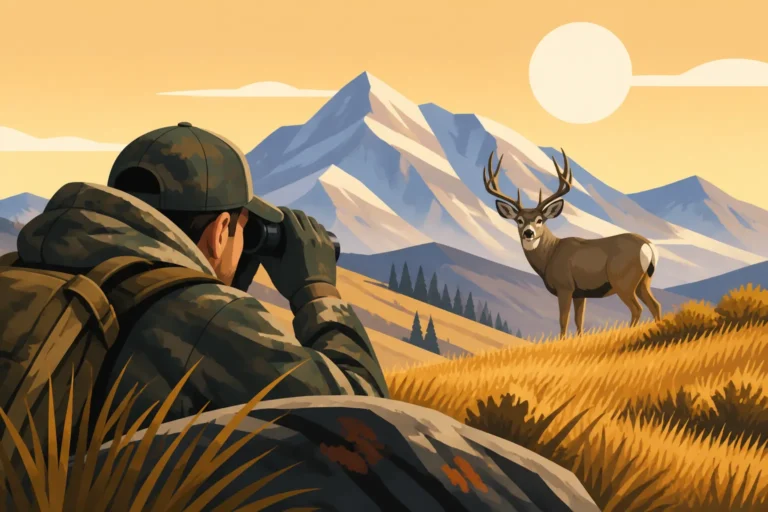
No surprise here: quality calls are non-negotiable. Invest in a few different types: a good diaphragm call for realistic mews and chirps, an open-reed call for versatility, and a durable bugle tube. Practice with them extensively before your hunt. You want muscle memory so you can focus on the elk, not on how to make the sound. Beyond calls, high-quality binoculars (10×42 or 10×50 are popular choices) are critical for spotting elk in the broken foothills terrain, especially in low light. You'll spend far more time glassing than calling, and being able to pick out an antler tip or a patch of hide can be the difference between success and failure. Consider models from brands known for optical clarity like Vortex, Leupold, or Swarovski, depending on your budget.
A rangefinder is also an invaluable tool. In the foothills, judging distances can be incredibly deceptive due to varying terrain and timber density. Knowing the exact distance to an elk before you take a shot is crucial for ethical hunting. Modern rangefinders are fast and accurate, often featuring angle compensation, which is a must-have for shots on steep terrain. GoHunt, for example, often features product reviews and comparisons that can help you select the best optics for your specific hunting style and budget, making sure you're well-equipped for the varied demands of the foothills.
Navigational Tools and Mapping Apps
Getting lost in the Alberta foothills can be a serious safety concern, and efficiently navigating the terrain is key to finding elk. A reliable GPS unit or a smartphone with a robust mapping app is essential. Applications like GoHunt, onX Hunt, or BaseMap provide detailed topographical maps, satellite imagery, and often integrate public/private land boundaries, making it easier to plan your routes and stay oriented. The ability to drop waypoints for rubs, wallows, or elk sightings allows you to build a comprehensive picture of elk activity in your WMU. This kind of detailed scouting, even from your couch before the season, can be incredibly valuable. Scouting With Satellite Imagery in Alberta becomes much more effective with these tools.
Beyond digital tools, always carry a physical map and compass as a backup, and know how to use them. Batteries die, signals drop, and screens crack. The foothills are rugged, and you need to be self-sufficient. Familiarize yourself with the specific Wildlife Management Unit (WMU) you're hunting. Understanding the boundaries, access points, and terrain features will help you move stealthily and confidently. Being able to quickly and accurately identify your location relative to promising elk habitat – a hidden bench, a secluded water source, or a thick bedding area – gives you a significant advantage when trying to intercept a bugling bull.
Disclaimer
Hunting is an inherently dangerous activity that carries significant risks, including serious injury or death. Always prioritize safety, adhere to all local, provincial, and federal hunting regulations, and ensure you have the necessary training and permits. The information provided in this article is for educational and informational purposes only and should not be considered a substitute for professional guidance, hands-on training, or thorough knowledge of applicable laws and regulations. The author and publisher assume no responsibility for any accidents, injuries, or legal consequences that may result from individuals engaging in hunting activities based on this content. Always hunt responsibly and ethically.