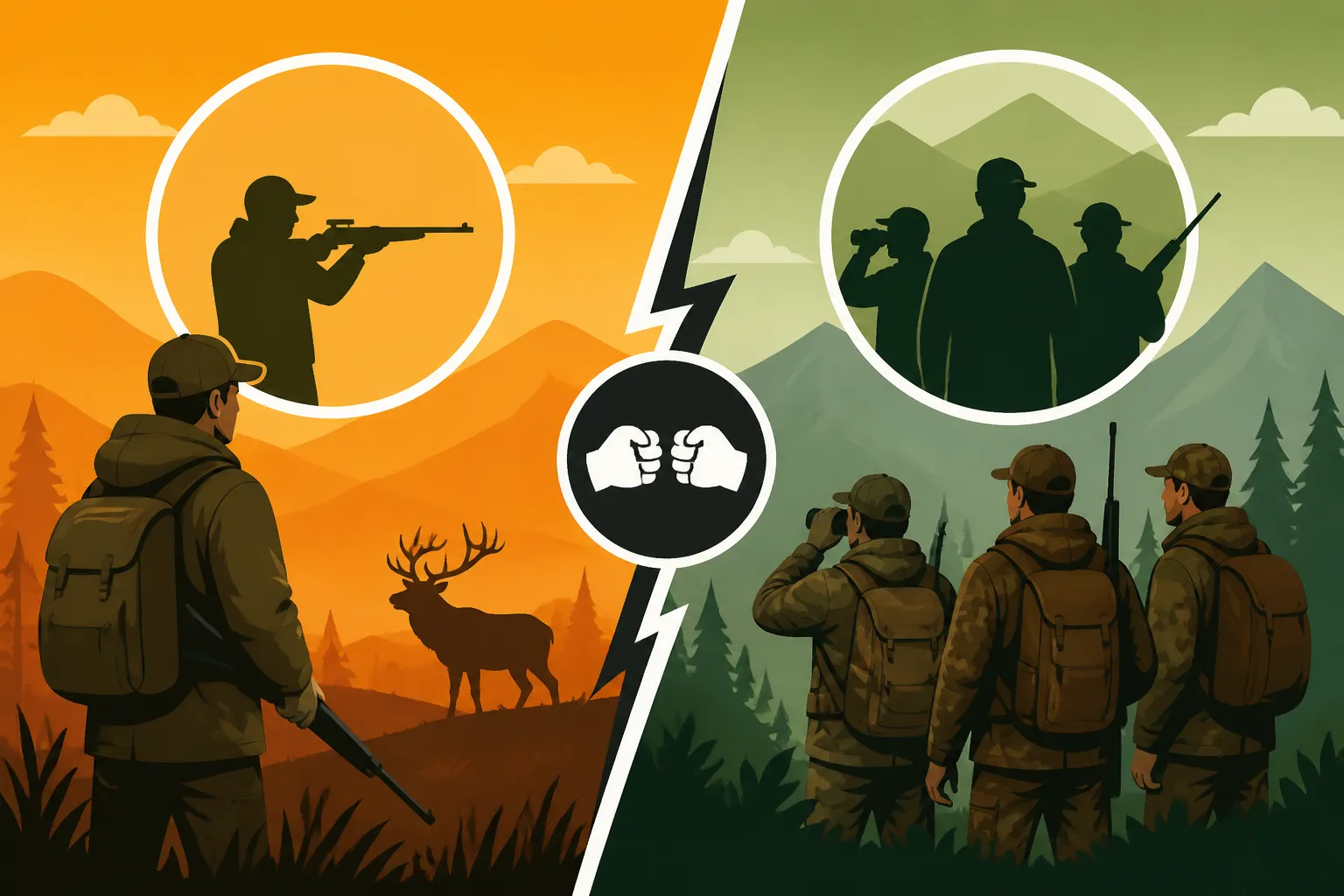
Alberta Day Rates Versus Full Packages
One of the biggest head-scratchers when you start looking into booking a guided hunt in Alberta is trying to decipher the pricing models. You’ll see terms like "day rate" and "full package," and if you're like most hunters, you're probably wondering what the heck the difference is and which one is actually right for your hard-earned money and precious time off. This guide is here to untangle that confusion, breaking down what each option entails so you can make an informed decision for your next Alberta adventure.
Understanding the "Day Rate" Model for Alberta Hunts
The "day rate" model for guided hunts often appeals to a certain kind of hunter: someone who wants professional guidance in the field but prefers to handle more of the logistics themselves. It's essentially paying for the guide's time and expertise on a daily basis, with other services usually kept separate. This can give you a lot of flexibility, but it also means more responsibility on your part.
What's Typically Included with a Day Rate
When you sign up for a day rate hunt, you're primarily paying for the guide's presence and their local knowledge. This is your expert who knows the terrain, understands animal behavior in that specific WMU, and can help you track, call, or spot game. Think of it as hiring a highly skilled hunting consultant for a set number of days. The guide will typically provide transportation in the field once you meet them, taking you to prime hunting spots and assisting with the actual hunt itself. Often, basic field care of the animal, like quartering and getting it back to your vehicle, is also part of the package. Some day rates might also include basic camp setup if you're venturing into more remote areas, but this varies wildly, so it’s always crucial to clarify.
A common scenario might be you meet your guide each morning at a designated spot – perhaps a gas station in a small town or a specific access point to public land. From there, you'd load into their truck, and they'd lead you into the hunting area. They know the current patterns, recent movements of game, and where the fresh sign is. This hands-on guidance can be invaluable, especially if you're hunting a new species or unfamiliar territory. You're getting the boots-on-the-ground intelligence without paying for all the bells and whistles you might not need or want.
What's Usually Extra and Your Responsibility
This is where the "day rate" model requires you to do your homework and be prepared. Most day rates do not include things like your hunting licence, special draw tags, or the federal migratory game bird permit if you're waterfowl hunting. These are always on you to purchase beforehand. Beyond licences, you'll almost always be responsible for your own food and lodging. This means booking a motel room, arranging a cabin, or bringing your own camping gear. You’ll also need to figure out your meals – cooking for yourself, eating out, or bringing packed lunches for the field. Transportation to and from the hunting area (before meeting your guide each day) is also typically your responsibility.
Consider an out-of-province hunter heading to Alberta for a whitetail hunt. They might book a guide for three days on a day rate. They'd need to arrange their flights, rent a vehicle, purchase their Alberta Resident Deer Licence Cost (or non-resident equivalent), and book a hotel near the hunting grounds. Each morning, they'd drive to meet their guide, hunt all day, and then return to their hotel. They might pack sandwiches for lunch in the field and eat dinner at local restaurants. It demands more logistical planning on the hunter’s side, but it also allows them to tailor those aspects to their preferences and budget. This model really shines for those who enjoy the planning aspect and want to keep a tighter rein on their overall expenses beyond the direct guiding fee.
Diving into "Full Hunting Packages"
On the flip side, "full hunting packages" aim to be exactly what they sound like: a comprehensive, all-inclusive experience designed to take the majority of the logistical burden off your shoulders. These are especially popular with hunters traveling a long distance, those new to guided hunts, or anyone who simply wants to focus solely on the hunt itself without worrying about the details.
The All-Inclusive Promise and Its Components
A full hunting package usually bundles together a significant number of services. This typically includes the guide services, just like with a day rate, but then adds food, lodging, and sometimes even initial field dressing and transport of your harvested animal to a local butcher or taxidermist. The lodging could be anything from a comfortable lodge with private rooms and hot showers to a rustic wall tent camp deep in the backcountry, depending on the species and terrain you're after. Meals are often provided, ranging from hearty home-cooked dinners to pre-made lunches for the field.
Imagine booking an Alberta Guided Moose Hunt Includes. A full package would likely cover your guide, accommodations at a comfortable hunting lodge, and three square meals a day, plus snacks. Your guide would pick you up from the lodge each morning, take you into the bush, assist with calling, tracking, and ultimately, getting your moose. Once harvested, they’d help with quartering and loading it, potentially even taking it to a local processor. All you, the hunter, need to worry about is showing up with your gear, your licences, and a good attitude. This level of service ensures that your focus remains entirely on the hunt, removing the distractions of daily chores and logistics.
Understanding Variable Package Tiers and Customization
While the term "full package" suggests a single, all-encompassing offering, many outfitters actually offer different tiers or levels of packages. These might be categorized as "bronze," "silver," or "gold," or simply differentiated by the length of the hunt, the species hunted, or the level of comfort in accommodations. A basic package might offer a 5-day hunt in a spike camp with dehydrated meals, while a premium package could be 7 days in a luxurious lodge with gourmet food. Some outfitters also provide options to add on extra services, like airport pick-up and drop-off, processing fees for your meat, or even assistance with shipping your trophies home.
For instance, an outfitter might offer a standard deer package but allow you to upgrade to a 1-on-1 guide ratio instead of 2-on-1 for an additional fee. Or perhaps you can extend your hunt by a day or two if you haven't filled your tag, again for an extra cost. It’s important to clarify what "all-inclusive" truly means for the specific package you're looking at. Don't assume anything is covered unless it's explicitly stated in writing. Many reputable outfitters list these options clearly on their websites or in their booking materials, and platforms like BookYourHunt allow you to filter by specific inclusions, helping you compare different offerings side-by-side.
Key Differences and What They Include (or Don't)
When you're trying to decide between a day rate and a full package for your Alberta hunting trip, it really boils down to convenience versus control, and ultimately, how much of the trip's peripheral details you want to manage yourself. Each option has a distinct structure that influences your overall experience and budget.
Scope of Services: Logistics vs. Pure Guiding
The most fundamental difference lies in the scope of services provided. A day rate is primarily focused on the in-field guiding experience. You're paying for the guide's expertise, their knowledge of the area, and their assistance in locating and harvesting game. All the 'behind-the-scenes' stuff – where you sleep, what you eat, how you get to the meeting point – is on you. This means more personal responsibility and more decisions to make before and during your hunt.
A full package, however, aims to wrap up most of those logistical headaches into one tidy bundle. The outfitter takes on the role of a full-service coordinator, providing not only the guide but also ensuring you have a bed to sleep in, food on your plate, and often transportation from a local hub. This comprehensive approach minimizes the decisions you have to make, allowing you to immerse yourself fully in the hunting experience without daily concerns about cooking dinner or finding a clean bed. It's like checking into a resort versus renting a barebones cabin; both provide shelter, but the amenities and services differ greatly.
Cost Structure and Predictability
The financial aspect is another significant differentiator. With a day rate, your upfront cost might seem lower because you're paying purely for the guide's time. However, you then need to factor in all the separate expenses: accommodation, meals, vehicle rental, fuel, and potentially other incidentals. While this can offer flexibility and potential savings if you're savvy, it can also lead to less predictable overall costs. You might find yourself spending more than anticipated if you haven't budgeted meticulously for every little item.
Full packages, conversely, often have a higher sticker price, but this price usually covers a much broader range of services, leading to greater cost predictability. Once you've paid for the package, many of your major expenses are settled. This can be a huge relief, especially for those traveling from far away or who prefer to know their total investment upfront. While there are still things like gratuities for your guide and staff, and personal spending money, the core expenses are generally locked in. This makes budgeting simpler and reduces financial surprises during your trip.
Time Commitment and Preparation
Consider the time commitment involved. Booking a day rate means you'll be spending more of your own time on pre-hunt planning and preparation. You'll be researching hotels, mapping out meal plans, and coordinating your daily rendezvous with your guide. For some, this is part of the fun – diving into the details and customizing every aspect. For others, it's an added layer of stress.
A full package significantly reduces your pre-hunt workload. The outfitter has already handled the accommodation, meal planning, and much of the daily logistics. Your preparation can focus more on getting your gear in order, practicing your shooting, and getting physically ready for the hunt. For busy professionals or those with limited vacation time, offloading these tasks to an experienced outfitter can make the entire experience much more enjoyable and less demanding. This is often why international hunters, in particular, gravitate towards full packages when exploring opportunities like Mule Deer Hunting Alberta's Prairie and Badlands or Elk Hunting Alberta's Foothills.
Who Should Choose Which Option? (Hunter Profiles)
Deciding between a day rate and a full package isn't about one being inherently better than the other; it's about matching the offering to your personal hunting style, experience level, budget, and logistical preferences. Different hunters thrive under different structures.
The Self-Reliant and Budget-Conscious Hunter
If you're an experienced hunter who enjoys the challenge of managing your own logistics, or if you're working with a tighter budget, a day rate might be your sweet spot. This approach gives you maximum control over non-hunting expenses. You can choose to stay in a more affordable motel, pack your own lunches, and perhaps even carpool with hunting buddies to save on fuel. This option also appeals to local or in-province hunters who might already have familiar lodging options or want to camp.
For example, an Alberta resident who lives a few hours from a prime whitetail zone might choose a day rate for a couple of days during the rut. They know the area fairly well but want a guide's expertise to pinpoint recent buck movement or help with Rattling and Calling Whitetails in Farm Country. They can stay at a relative's house nearby, or pull their own travel trailer to a campsite, bringing their own food to keep costs down. They save money on lodging and meals that a full package would include, investing mostly in the guide's direct service. This autonomy is highly valued by hunters who appreciate the grind and the personal touches they can add to their trip.
The Convenience-Seeking and Out-of-Province Hunter
For those who prioritize convenience, especially when traveling a long distance or dealing with limited vacation time, a full hunting package is often the superior choice. If you're flying in from another country or province, the thought of coordinating rental cars, hotels, meals, and guiding services can be daunting. A package takes all of that off your plate, leaving you free to focus on the excitement of the hunt. This is particularly beneficial for non-resident alien hunters who have specific rules to follow, as the outfitter often has systems in place to assist with things like weapon declarations.
Consider an American hunter flying into Calgary or Edmonton for an Alberta Moose Hunting Alberta's Boreal Forest. They might not know the local area, the best places to eat, or even the most reliable routes. A full package means they land, get picked up, are taken directly to a comfortable lodge, and everything from their meals to their daily transport to the hunting grounds is handled. They just need to ensure they have their Alberta Non-Resident Alien Licence Rules and gear ready. This removes a tremendous amount of stress and allows them to maximize their time in the field, making the most of a once-in-a-lifetime hunt. Platforms like BookYourHunt and GoHunt are excellent resources for finding and comparing these comprehensive packages from various outfitters.
Pros and Cons of Each Approach
No matter how you slice it, both day rates and full packages have their distinct advantages and disadvantages. Understanding these can help you weigh your priorities and make the best decision for your specific hunting goals and personal preferences.
Advantages of Day Rates
Day rates offer unparalleled flexibility. You can often book a shorter duration, perhaps just a day or two, to fit a tight schedule or focus on a specific phase of the hunt, like the opening morning. This also translates to more cost control over your peripheral expenses. You decide where you stay and what you eat, which can lead to significant savings if you’re thrifty. For many, there's also a sense of autonomy and personalization; you're not locked into an outfitter's specific camp or menu. This can be fantastic for local hunters or those who already have connections in the area they want to hunt. You can truly make the trip your own, customizing everything from your sleeping arrangements to your evening activities. This freedom is a huge draw for many seasoned hunters who might just need that extra edge of professional guidance in unfamiliar prime hunting grounds.
Disadvantages of Day Rates
The biggest downside to day rates is the increased logistical burden on your shoulders. You become the travel agent, the chef, and the concierge for your own trip. This can be time-consuming to plan and can add stress if something goes awry, like a booked hotel falling through or not being able to find suitable food options. This also often leads to less cost predictability overall; while the guide fee is fixed, all the other variable costs can add up quickly if not carefully managed. If you're traveling a long distance, the fragmented nature of organizing separate services can be challenging and less efficient, especially when considering things like how to handle Meat Care in Alberta's Cold and Warm Swings after a successful harvest, which might not be covered.
Advantages of Full Packages
The primary advantage of a full package is ultimate convenience and peace of mind. Most of the planning is done for you, allowing you to simply show up and hunt. This leads to much greater cost predictability, as most major expenses are rolled into one upfront fee. You know what you're paying, and what you're getting. Furthermore, full packages often mean access to better accommodations and amenities than you might arrange yourself, like comfortable lodges, dedicated cooks, and organized camp logistics, especially in remote areas. This can enhance the overall comfort and enjoyment of your trip, particularly after a long day in the field. For first-time guided hunters or those pursuing a trophy hunt, the streamlined nature of a package can be a huge benefit.
Disadvantages of Full Packages
With convenience comes less flexibility, which is the main drawback of full packages. You're typically locked into a set itinerary, accommodation, and menu. This can mean less customization for personal preferences. The higher upfront cost is also a consideration; while predictable, the total amount can be substantial, especially for premium packages. There's also the potential for less control over incidentals; for example, if you prefer certain dietary options or have specific comfort needs, you might have fewer choices. And finally, if the "full package" doesn't explicitly state every single inclusion, there's still a risk of unexpected costs creeping in, like What Is Never Included in a Package, so due diligence is always required.
Here's a quick comparison to help visualize the differences:
| Feature | Day Rate (Typically) | Full Package (Typically) |
|---|---|---|
| Guide Service | Included | Included |
| Accommodation | Not included, hunter arranges | Included (lodge, camp, etc.) |
| Meals | Not included, hunter arranges | Included (cooked meals, packed lunches) |
| In-Field Transport | Included (from meeting point) | Included (from camp/lodge) |
| Licences/Tags | Not included, hunter purchases | Not included, hunter purchases |
| Field Care | Basic (quartering, recovery) | Extensive (quartering, transport to processor/taxidermist) |
| Cost Predictability | Lower, many variable expenses | Higher, most major expenses bundled |
| Hunter Effort | High (logistics, planning) | Low (focus on hunting) |
| Flexibility | High (can customize non-guiding aspects) | Lower (set itinerary, accommodations) |
| Ideal For | Local, self-reliant, budget-conscious hunters | Out-of-province, convenience-seeking, busy hunters |
Hidden Costs and What to Ask About
Even with the clearest distinctions, both day rates and full packages can hide unexpected expenses. The key to avoiding an unwelcome surprise at the end of your hunt is asking thorough questions upfront and getting clear answers in writing. Never assume something is included unless it’s explicitly stated.
Licences, Tags, and Mandatory Fees
This is perhaps the most common oversight. While an outfitter might facilitate the process or offer advice, your actual hunting licences, special draw tags, and any stamps (like the federal migratory bird stamp) are almost always your responsibility and your cost. For non-residents, understanding Alberta Non-Resident Licence Options and the associated costs is vital. Additionally, there might be conservation fees, permits for specific areas, or CWD testing fees that are not rolled into the initial price. Always confirm exactly which permits and licences you need for your target species and WMU, and budget for them separately. Your outfitter should be able to provide you with a comprehensive list.
Travel, Gratuities, and Post-Harvest Expenses
Beyond the hunting itself, there are several areas where costs can accumulate. Your travel to Alberta (flights, rental car, fuel) is almost universally extra. Then there are gratuities – tipping your guide and camp staff is customary in the industry, and it's a significant expense that many hunters fail to budget for. Outfitters usually have a suggested range for How Much to Tip an Alberta Guide, so ask about this beforehand.
Once you’ve successfully harvested an animal, there are also post-harvest expenses. While field dressing and getting the animal to a drop-off point might be included, the actual meat processing, taxidermy, and shipping of meat or trophies home are almost always additional. For a bear hunt, you might want a rug, which involves skinning and tanning costs. For a deer, getting a shoulder mount done will be a substantial separate cost, as will shipping the cape and antlers. Discuss these with your outfitter to get an estimate of potential costs or to understand how they can help facilitate these services. Some outfitters have preferred local processors or taxidermists they work with, but the bill will usually be yours. Make sure to understand the rules for Taking Meat and Antlers Home Across the Border if you're an international hunter.
What to Ask Before Booking Your Hunt
To avoid any nasty surprises, make a comprehensive list of questions for any outfitter you're considering. Don't be shy – a reputable outfitter will appreciate your diligence. Here are some critical inquiries:
- "What exactly is included in the day rate/full package price? Please provide a detailed list."
- "What are the additional costs I should expect, beyond the booking fee?" (e.g., licences, taxes, CWD testing, meat processing, taxidermy, gratuities, airport transfers).
- "What is your recommended gratuity amount for guides and camp staff?"
- "What are the typical costs for meat processing and trophy preparation for my target species?"
- "Can you provide a list of local accommodations and estimated costs if I choose a day rate?"
- "What is your cancellation and refund policy, especially regarding unforeseen circumstances like weather or personal emergencies?" (This is crucial, especially when considering Alberta Hunt Cancellation Insurance).
- "Are there any non-hunter fees if I bring a companion?"
- "What happens if I fill my tag early or if I don't fill my tag at all?"
Asking these questions upfront, and ideally getting the answers in writing (or reviewing a detailed contract), will empower you to budget accurately and ensure there are no surprises down the road. This transparency is key to a successful and enjoyable hunting experience in Alberta. You can find excellent resources on platforms like GoHunt that help break down these questions and provide checklists for vetting outfitters.
Disclaimer
This article is for general informational purposes only and does not constitute professional advice. Laws, prices and regulations vary by location and change over time. Consult a qualified professional for guidance on your specific situation.