Alberta Youth and First-Timer Guided Hunts
Getting into hunting, especially as a young person or a complete beginner, can feel like staring up at a mountain. There's so much to learn, so many regulations, and the sheer scale of Alberta's wilderness can be intimidating. This guide is here to shed light on how a guided hunt can be an incredible, safe, and deeply educational experience for new hunters, smoothing out those initial challenges and building a solid foundation for a lifetime in the field.
Why a Guided Hunt is a Game-Changer for New Hunters
For anyone new to hunting, the idea of venturing out alone or even with an experienced but busy friend can be overwhelming. There are nuances to fair chase, ethical considerations, understanding game behaviour, and navigating unfamiliar terrain – not to mention the legal requirements. This is where a guided hunt truly shines, particularly for youth or first-timers. It transforms what could be a daunting experience into a structured, supportive, and highly educational adventure.
Bridging the Knowledge and Skill Gap
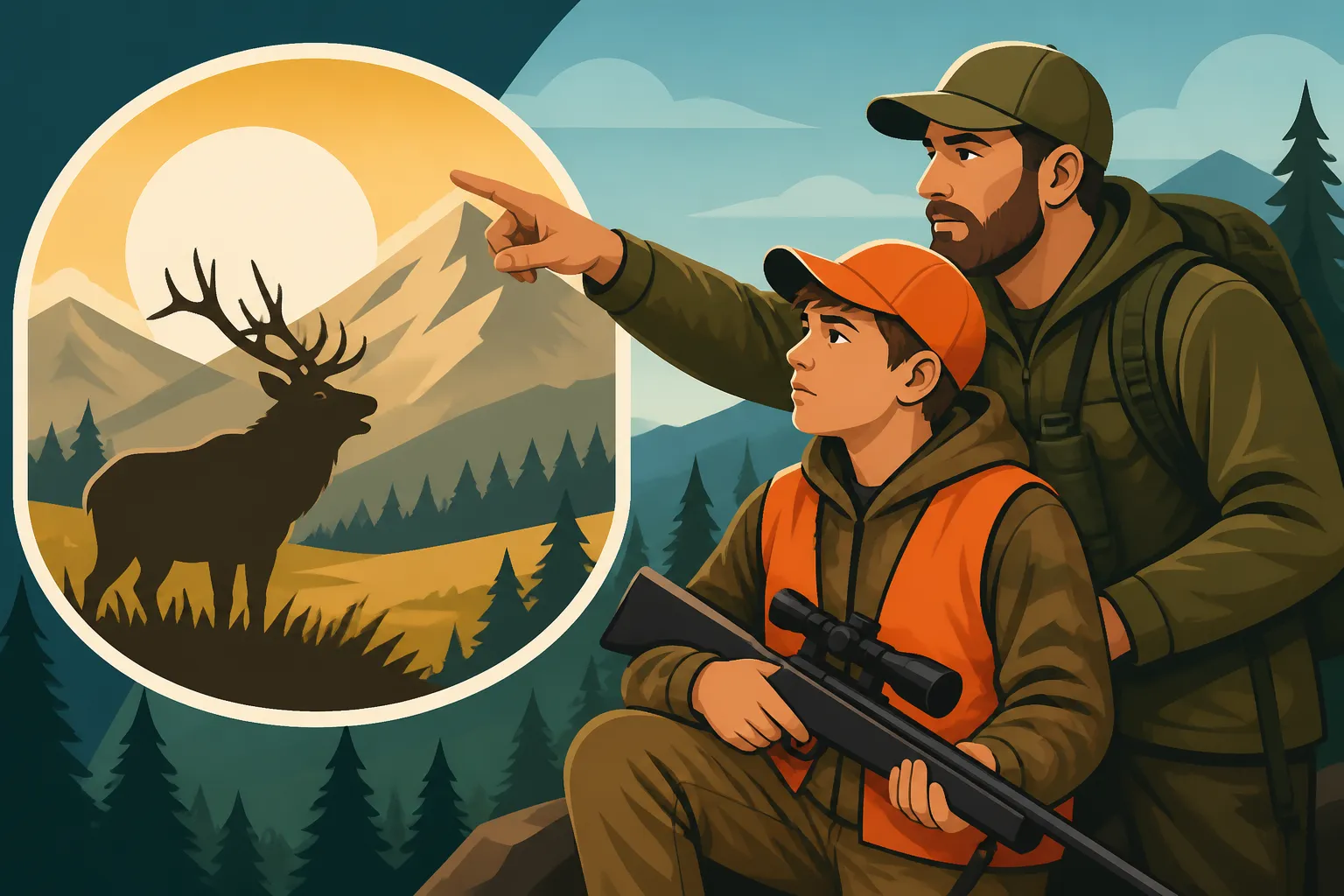
When you're just starting, you don't know what you don't know. A guide is essentially a walking, talking encyclopedia of local wildlife, habitat, and hunting strategies. They've spent countless hours in the field, observing, learning, and perfecting their craft. For a youth hunter, this direct, hands-on mentorship is invaluable. Instead of fumbling through trial and error, they learn proper techniques, shot placement, tracking, and field dressing from someone who does it day in and day out.
Imagine a scenario: a young hunter spots their first deer, heart pounding. A guide can calmly talk them through the shot, explaining the ethical considerations of waiting for the right angle, assessing range, and understanding bullet trajectory. They'll teach them to identify legal animals, differentiate between similar species, and recognize subtle signs that game leaves behind. This isn't just about pulling a trigger; it's about understanding the entire ecosystem and your place within it. It's about instilling patience, respect, and a deep appreciation for the animal and its environment, lessons that are hard to glean from a textbook.
Safety First: A Mentored Environment
Hunting involves firearms or archery equipment, demanding utmost respect and adherence to safety protocols. For a first-timer, handling these tools safely under pressure is a critical skill that requires careful instruction and supervision. A guided hunt ensures that this crucial aspect is always paramount. Guides are trained professionals whose primary concern is the safety of their clients. They’ll enforce strict firearm handling rules, teach proper muzzle control, safe loading and unloading procedures, and how to navigate rugged terrain with a loaded weapon.
Beyond firearm safety, guides are also experts in navigating Alberta's diverse and sometimes challenging landscapes. They understand weather patterns, potential hazards like dangerous wildlife, river crossings, or treacherous footing. If someone gets turned around, the guide knows the area intimately and has communication devices, first aid, and emergency plans in place. This level of oversight removes a huge layer of anxiety for both the new hunter and their family, allowing them to focus on the experience itself. For instance, knowing that you're in bear country, a guide will carry bear spray and know how to react in an encounter, providing peace of mind that a novice wouldn't have alone. Understanding Alberta Blaze Orange and Safety Rules is critical, and a guide ensures compliance.
Access to Prime Hunting Ground
Alberta is a vast province, but knowing where to hunt, especially on public land or secured private land, can be a monumental task for someone unfamiliar with the region. Outfitters often have access to exclusive leases or hold specific allocations in desirable WMUs (Wildlife Management Units) that might be difficult for an individual hunter to secure. This access dramatically increases the chances of encountering game and experiencing a successful hunt, which is incredibly motivating for a new hunter.
Think about it: instead of spending days scouting unfamiliar territory, worrying about property lines, or wondering if you're even in a good area, a guided hunt puts you directly into productive habitat. Outfitters invest heavily in scouting, land agreements, and understanding game movements within their areas. This means less time wasted driving around or getting lost, and more time focused on the actual hunting experience. This is particularly beneficial for species that require specific habitat, like a Booking an Alberta Whitetail Hunt might involve accessing prime aspen parkland bluffs or a Booking an Alberta Mule Deer Hunt might take you into private prairie coulees. They also understand the nuances of Scouting an Alberta WMU Before Season to maximize your chances.
Selecting the Perfect Outfitter and Package
Choosing the right outfitter is perhaps the most critical step in ensuring a positive first hunting experience. It’s not just about finding someone with a license; it’s about finding a mentor who understands the unique needs of a new hunter and who prioritizes education, safety, and ethical practice. The wrong fit can lead to frustration, while the right one can ignite a lifelong passion.
Matching Experience to Expectations
Before you even start looking, sit down with the new hunter and openly discuss what they hope to get out of the experience. Are they looking for any legal animal, or do they have a specific species in mind? Are they comfortable with rustic camps or prefer more amenities? Are they interested in a challenging physical hunt or something more relaxed? These conversations will help narrow down the type of outfitter and package that will be the best fit. Some outfitters specialize in specific species, like those focusing on Black Bear Hunting in Alberta or Elk Hunting Alberta's Foothills.
For a first-timer, success isn't always measured by filling a tag. Often, it's about the learning, the time spent outdoors, and the bonding experience. A good outfitter will understand this and be patient, willing to answer questions, and focused on teaching rather than just guiding to a kill. Platforms like BookYourHunt can be a great starting point for exploring various outfitters and their specialties, allowing you to filter by species, location, and even experience level offered. When you're considering a potential outfitter, ask them about their philosophy regarding youth or first-time hunters. Do they offer dedicated packages? Do they emphasize teaching skills over just chasing trophies? This initial alignment of expectations is crucial.
Understanding Package Inclusions and Exclusions
Guided hunt packages vary wildly in what they cover. For a first-timer, understanding these details is paramount to avoid surprises. Typically, a package will include guide services, accommodations (from wall tents to lodges), meals, and transportation within the hunting area. However, critical items like hunting licenses, tags, transportation to Alberta, meat processing, taxidermy, and gratuities are almost always extra. It's also important to clarify what gear is provided versus what you need to bring.
When comparing options, look for a clear breakdown of costs. Don't be shy about asking for an itemized list. Some outfitters might offer "all-inclusive" packages, but even these often have caveats. For example, while the guide fee is part of What an Alberta Guided Hunt Costs, the actual licence and species tag will be a separate purchase through the AlbertaRELM system after you get your Alberta's WIN Card and Wildlife Certificate. Make sure to budget for everything, including any unexpected costs like needing to replace a piece of broken gear. A transparent outfitter will be happy to walk you through every line item and explain their services. GoHunt, for instance, often provides detailed outfitter profiles that can help you compare these package elements comprehensively.
Vetting Outfitters and Asking the Right Questions
Finding the perfect guide is like finding any other professional service provider – you need to do your homework. Start by looking for outfitters who have experience with youth or beginner hunters specifically. Read reviews, check their websites, and look for testimonials that highlight patience and educational aspects. Once you've shortlisted a few, initiate contact. A personal conversation is essential.
Here are some questions to consider asking:
- What is your experience with first-time hunters or youth?
- What is your guide-to-hunter ratio for these hunts? (One-on-one is often ideal for beginners).
- What is a typical day like on this specific hunt?
- What kind of game can we realistically expect to encounter?
- Can you provide references from previous youth or first-time clients?
- What are your safety protocols, especially regarding firearms?
- What is your policy if we don't fill a tag?
- What's included, and what's not included, in the price?
A reputable outfitter will be happy to answer these questions thoroughly and provide references. Don't rush this process; it's a significant investment, not just financially, but in shaping a new hunter's future in the sport. Connecting with guides through platforms like GoHunt can facilitate these detailed conversations and help ensure you're making an informed decision. For deeper insights, checking out Choosing the Right Alberta Outfitter can provide additional vetting strategies.
Essential Preparations for a Successful First Hunt
Once you've booked your guided hunt, the excitement really builds! But don't let that overshadow the importance of thorough preparation. A guided hunt, while supportive, still requires the hunter to be ready both physically and mentally, and to have the right gear for Alberta's often unpredictable conditions.
Physical and Mental Readiness
Hunting isn't always a stroll in the park; it often involves walking, sometimes for long distances over uneven terrain, in various weather conditions. For a first-timer, especially a youth, building a baseline of physical fitness will make the experience much more enjoyable. This doesn't mean becoming an Olympic athlete, but regular walks, hikes, or other physical activities in the weeks leading up to the hunt will make a big difference.
Equally important is mental preparation. Hunting requires patience, discipline, and the ability to handle disappointment if things don't go as planned. Talk to the new hunter about these aspects. Discuss ethical shot placement and what happens after an animal is harvested. Prepare them for early mornings, cold temperatures, and the quiet stillness of waiting. Teach them about the commitment to fair chase and the respect owed to the animal. Watching hunting videos or reading stories together can help build excitement and understanding. A guide can help manage expectations, but a hunter who arrives mentally prepared will absorb more and enjoy the process regardless of the outcome.
Gear Selection for Alberta's Conditions
Alberta's weather can be notoriously fickle, with temperatures swinging dramatically, especially during fall seasons. Dressing in layers is absolutely crucial. Start with a moisture-wicking base layer, add insulating mid-layers like fleece or down, and top it off with a waterproof and windproof outer shell. Good quality boots that are broken in, waterproof, and provide ankle support are non-negotiable. Don't forget a warm hat, gloves, and plenty of socks!
Your outfitter should provide a detailed gear list, and you should adhere to it. For firearms, ensure the new hunter is familiar and comfortable with their chosen rifle or bow. While a guide will supervise, the hunter needs to be able to safely load, unload, and operate their weapon. Reviewing Legal Firearms and Bows for Big Game will help you understand Alberta's specific requirements. For archery, this means sufficient draw weight and accurate shooting. For rifles, understanding shot placement and ballistics for your chosen cartridge is key. Practice, practice, practice at the range beforehand, not just shooting, but practicing ethical shot scenarios from different positions.
Pre-Hunt Practice and Familiarity
This ties into mental and physical readiness but deserves its own emphasis: practice makes perfect, or at least, significantly better. For shooting, this means spending ample time at the range. Don't just shoot off a bench; practice shooting from kneeling, sitting, and even standing positions if the hunt might require it. Understand how far your rifle or bow shoots accurately and confidently. For a first-time archer, this also means ensuring proper form and repetitive practice to build muscle memory.
Beyond shooting, practice basic field skills. Can the new hunter comfortably carry their pack for a few miles? Can they identify basic animal tracks or droppings? Do they know how to navigate with a compass or GPS if separated from the guide for a moment? Even simple things like tying knots or starting a small fire can boost confidence. The more comfortable a new hunter is with the basics before they arrive, the more they can focus on the deeper lessons and the thrill of the hunt. This is also a good time to ensure all necessary courses are complete, like those covered in Alberta Hunter Education Requirements.
Experiencing the Hunt: From Camp to Field
The actual hunt itself is where all the preparation, the learning, and the anticipation culminates. It’s a journey that typically starts and ends in camp, with the bulk of the adventure unfolding in Alberta's stunning wilderness, guided every step of the way.
Life in an Alberta Hunting Camp
Hunting camp is more than just a place to sleep; it’s the hub of the entire experience. It can range from a comfortable lodge with all the amenities to a rustic wall tent deep in the backcountry. For a first-timer, adapting to camp life is part of the adventure. This often means early mornings, hearty meals, sharing stories with fellow hunters, and participating in camp chores. It’s a chance to disconnect from everyday distractions and immerse oneself in the hunting lifestyle.
Guides and camp staff work hard to create a welcoming and functional environment. Meals are often a highlight, fueling hunters for long days in the field. There's a camaraderie that develops, especially with other hunters who share a passion for the outdoors. New hunters will learn about camp etiquette, how to keep gear organized, and the importance of a good night's sleep. It's also a place for quiet reflection, strategizing for the next day's hunt, and processing the day's experiences, whether successful or not.
The Role of Your Guide in the Field
Out in the field, your guide is your instructor, your scout, and your safety net. They're constantly reading the landscape, looking for fresh sign, listening for sounds, and using their years of experience to put you in the best position. For a new hunter, this is an incredible learning opportunity. They'll teach you how to walk quietly, how to use binoculars effectively, and how to approach game undetected. They'll explain why certain areas are productive and how game animals utilize different habitats.
Imagine tracking a whitetail through a fresh snowfall. The guide will point out subtle details in the tracks, explain how to determine the animal's direction and speed, and interpret its behaviour. They’ll teach you patience – waiting for the perfect shot, passing on an opportunity if it's not ethical, or simply enjoying the observation of wildlife. The guide’s role is to facilitate the hunt, but more importantly for a first-timer, to educate and instill good hunting habits. They’re there to support you emotionally, celebrate successes, and offer encouragement during challenges.
Learning to Read the Landscape and Game Sign
One of the most profound lessons a guide imparts is how to truly "see" the wilderness. It's not just about looking at the trees, but understanding what the trees tell you. Guides will teach you to identify different types of cover, food sources, and travel corridors that animals use. You’ll learn to distinguish between fresh and old tracks, how to interpret rubs and scrapes, and where animals might be bedding down during different times of day or in various weather conditions.
For example, on a mule deer hunt in Alberta's badlands, a guide might show you how to glass the shadows of a coulee bottom in the morning, knowing the deer will be moving from feeding areas to bedding sites. They'll explain how wind direction affects a stalk and why certain terrain offers an advantage. This kind of nuanced understanding of animal behavior and its relationship to the environment is the bedrock of successful hunting. It's a skill that takes years to develop, but with a guide's direct instruction, a first-timer gets a massive head start on learning to "read" the wild. This knowledge goes beyond any specific hunt and empowers the new hunter with skills they can apply anywhere.
Instilling Ethics and Conservation
Hunting is more than just harvesting an animal; it's a deep connection to nature and a commitment to conservation. For youth and first-timers, a guided hunt is an ideal setting to establish a strong ethical foundation, ensuring they become responsible and knowledgeable stewards of Alberta's wildlife.
Responsible Hunting Practices
A good guide doesn't just get you an animal; they teach you how to hunt responsibly and ethically. This includes everything from proper shot placement to minimize suffering, to understanding the concept of fair chase, which means giving the animal a reasonable chance to escape. It's about respecting bag limits, season dates, and the specific regulations of the WMU you're hunting in. The guide will emphasize the importance of following up on every shot, tracking wounded game diligently, and never wasting meat.
For instance, they might walk a new hunter through scenarios of when not to shoot – perhaps if an animal is too far, obscured by brush, or moving too quickly. They’ll stress the importance of patience and discipline over the urge to simply pull the trigger. These lessons are critical in forming a hunter's character and ensuring they uphold the highest standards of the sport. The guide acts as a living example of ethical hunting, demonstrating respect for the land, the animal, and the law.
Understanding Regulations and Quotas
Alberta has a comprehensive set of hunting regulations designed to manage wildlife populations sustainably. Navigating these rules, including licence requirements, specific season dates for various species, bag limits, and legal methods of harvest, can be daunting for a beginner. A guide is an expert on these regulations and will ensure that every aspect of the hunt is conducted legally. They understand the intricacies of Alberta Big Game Season Dates and species-specific rules.
They will explain why certain rules exist – for example, how antler point restrictions or draw systems for specific species like moose or elk are in place to manage herd health and provide fair opportunity. For a first-timer, this not only provides peace of mind that they are always compliant but also educates them on the principles of wildlife management. It reinforces the idea that hunters are an integral part of conservation, not just consumers of wildlife. They'll also clarify nuances like Rules on Hunting From a Vehicle or Rules on Baiting Big Game, which can often confuse new hunters.
The Importance of Post-Harvest Care
The moment an animal is harvested, the work truly begins, and a guide is instrumental in teaching critical post-harvest skills. This includes proper field dressing to quickly cool the meat, ensuring its quality. They'll demonstrate how to gut, skin, and quarter an animal efficiently and hygienically in the field, often under challenging conditions. For many new hunters, this can be the most impactful and perhaps challenging part of the experience, but a guide makes it manageable and educational.
The guide will also explain the importance of transporting the meat safely and legally, often helping with the heavy lifting and logistical challenges. They'll ensure compliance with rules for Transporting Game Meat and Proof of Sex and discussing options for processing. For certain species or WMUs, there are also mandatory CWD (Chronic Wasting Disease) testing requirements, and the guide will walk you through Alberta's Mandatory CWD Submission WMUs. Learning these steps from an experienced professional ensures that the hard-earned harvest is treated with respect and utilized fully, reinforcing the cycle of sustainable hunting. Meat Care in Alberta's Cold and Warm Swings is a crucial skill learned here.
Cherishing the Memories and Planning for More
The first guided hunt is often the beginning of a lifelong journey into the outdoors. Beyond the immediate experience, there are invaluable lessons learned, memories made, and a deeper appreciation for nature instilled. The journey doesn't end when the hunt is over; it continues through reflection, processing the harvest, and planning future adventures.
Documenting the Journey
In today's world, capturing memories is easier than ever. Encourage the new hunter to keep a journal, take photos (tastefully and respectfully), or even videos (without disturbing wildlife or other hunters). Documenting the journey allows them to relive the moments, reflect on what they learned, and share their experiences with others. It helps solidify the lessons and makes the adventure feel real long after it's passed.
From the quiet sunrise spent waiting in a blind to the moment of harvesting an animal, these are potent memories. Having a guide often means there's another person who can capture moments you might miss, or who can pose for a respectful photo with the harvested animal. This documentation isn't just for personal keepsakes; it can also be a powerful tool for sharing the positive aspects of hunting with non-hunters, showing the respect, effort, and conservation ethics involved.
Processing the Harvest and Trophies
Once the animal is harvested and field-dressed, the next steps involve turning it into food and potentially preserving a trophy. A guide can often assist with or recommend local butchers for professional meat processing. For a first-timer, seeing the animal transformed from field to freezer is a tangible connection to the food source and a powerful lesson in self-sufficiency. They can learn about different cuts of meat, proper packaging, and storage techniques.
If the hunter chooses to preserve a trophy, the guide can also advise on caping and preparing the hide for a taxidermist, as well as skull cleaning for a European mount. They'll have contacts for reputable taxidermists and understand the logistics of shipping trophies, especially for non-resident hunters. This final stage of processing the harvest is a respectful culmination of the hunt and a way to honour the animal, whether through delicious meals shared with family or a mounted reminder of a memorable adventure.
The Lasting Impact of a First Hunt
A well-executed first guided hunt, especially for youth, can have a profound and lasting impact. It's more than just a successful hunt; it's an initiation into a rich tradition, a lesson in self-reliance, patience, and respect for nature. They learn that hunting isn't just about the kill, but about the entire process, the challenge, the beauty of the outdoors, and the satisfaction of ethically harvesting wild game.
Many experienced hunters can vividly recall their first successful hunt, and often, it was with a trusted mentor. A guided hunt provides that structured mentorship, setting a new hunter on a path of informed, ethical, and passionate engagement with the outdoors. It fosters a sense of responsibility for wildlife and wild places, transforming a beginner into a committed conservationist who understands the value of healthy ecosystems. This foundational experience can truly shape a person's life and their relationship with the natural world.
Disclaimer
This article is for general informational purposes only and does not constitute professional advice. Laws, prices and regulations vary by location and change over time. Consult a qualified professional for guidance on your specific situation.