Booking an Alberta Hunt Off-Season
Trying to book a fantastic Alberta hunting trip can feel like a mad scramble, especially when you're caught in the whirlwind of peak season planning. It's a common frustration to find prime dates already snatched up, or your preferred outfitter fully booked, leaving you settling for second-best or postponing your adventure entirely. This guide is here to shed light on why the off-season, despite feeling counterintuitive, is actually the smartest time to lock in your next Alberta hunt and how to navigate that process with confidence.
Why the Off-Season is Prime Time for Booking Your Alberta Hunt
You might think hunting is a "fall thing" and booking should happen right before. But that's where many hunters get it wrong. The off-season, roughly from late winter through early summer, is a golden window of opportunity that seasoned hunters and smart planners utilize to their advantage. It's a time when outfitters are less rushed and more receptive, allowing for a smoother, more tailored booking experience.
Getting Ahead of the Rush: Availability and Choice
Imagine trying to book a prime whitetail rut hunt in early November, contacting outfitters in August, only to hear "Sorry, we've been full since January!" It's a tale as old as time in the hunting world. Alberta offers some truly world-class hunting experiences, from trophy mule deer in the badlands to massive moose in the boreal forest, and the best outfitters with the best allocations and territories book up fast.
By looking to book in the off-season, you're quite literally getting ahead of the crowd. You'll have a much wider selection of available dates, increasing your chances of securing that coveted archery opener, the peak of the rut, or a specific late-season opportunity. This early commitment also means you're more likely to get your top-choice outfitter, the one with the stellar reputation for Booking an Alberta Whitetail Hunt or Booking an Alberta Moose Hunt, rather than having to settle for whoever has an opening left. Think of it like booking your dream vacation far in advance – you get the best rooms and preferred times without the stress of last-minute scarcity.
Better Communication and Dedicated Attention from Outfitters
During the actual hunting seasons, outfitters and their teams are working non-stop. They're guiding clients, processing game, managing logistics, and barely sleeping. Their focus, quite rightly, is on the hunters currently in camp. This means inquiries that come in during hunting season often get delayed responses or less detailed attention, if they get answered at all.
The off-season, however, is when outfitters are typically in their offices, planning for the next year, managing bookings, and reflecting on the previous season. This is your prime chance to have extended, in-depth conversations. You can ask all your burning questions, discuss specific hunt expectations, camp conditions, and logistics without feeling rushed. They're more likely to offer personalized insights into the areas they hunt, their strategies, and what you can realistically expect. This dedicated attention builds a stronger relationship even before you set foot in camp, laying the groundwork for a more enjoyable and successful hunt.
Potential for Better Deals or Flexible Terms (Though Not Always)
While hunting is an industry where prices are generally firm and reflect the significant investment outfitters make, the off-season can sometimes present subtle opportunities. Some outfitters might offer early-bird booking incentives, especially for less popular dates or species, to fill their calendar early. These aren't always explicit "discounts" but could manifest as added services, a slightly better rate locked in before a general price increase, or perhaps more flexible payment schedules.
It's less about haggling over price (which is generally frowned upon) and more about capitalizing on the outfitter's desire to have a solid booking foundation for the upcoming year. For instance, if you're flexible with your dates or considering a species that isn't always the first to sell out, you might find an outfitter more willing to work with you on terms or provide additional value when their books are wide open. Always remember to ask what is included and what might be extra – transparency is key on both sides.
Navigating the Booking Process Off-Season: Your Action Plan
Once you understand why booking off-season is beneficial, the next step is to strategize how to do it effectively. This involves thorough research, clear communication, and a solid understanding of the financial and contractual aspects. Taking these steps when time isn't pressing can save you headaches and heartbreak down the line.
Researching Outfitters and Understanding Allocations
Your off-season journey begins with serious research. Don't just pick the first outfitter you find online. Dig deep. Look into outfitters specializing in the species you're targeting and the regions you're interested in. Do they focus on archery, rifle, or both? What is their track record? Online platforms like BookYourHunt or GoHunt can be invaluable resources here, offering directories, detailed profiles, and sometimes even reviews from past clients.
For non-residents, it's absolutely crucial to understand What an Alberta Outfitter Allocation Is. Alberta has a system where a certain number of tags for specific species in specific Wildlife Management Units (WMUs) are allocated to outfitters for non-resident hunters. These allocations are finite and highly sought after. Booking off-season ensures you're engaging with an outfitter who likely still has allocations available for your desired hunt, rather than trying to squeeze into a fully allocated schedule later in the year. Confirming an outfitter's current allocation status should be one of your very first questions.
Making Contact and Asking the Right Questions
When you reach out during the off-season, you'll likely find outfitters more responsive. Email is great for initial contact to introduce yourself and your intentions, but always follow up with a phone call. A direct conversation allows for nuances that emails miss and helps you get a real feel for the outfitter and their operation.
Here’s a table of crucial questions to ask:
| Category | Key Questions to Ask | Why It Matters |
|---|---|---|
| Hunt Logistics | What dates are available for my desired species and weapon? | Secures your specific timing. |
| What is included in the package price (e.g., food, lodging, guide, trophy prep)? | Avoids hidden costs and surprises. | |
| What is not included (e.g., license, CWD testing, taxidermy, transportation to camp)? | Budgeting and planning for additional expenses. | |
| What is the typical daily schedule and hunting method? | Understand expectations and physical demands. | |
| What are the camp facilities like (lodge, tent, spike camp)? | Comfort and preparedness. | |
| Outfitter Info | How many years have you been operating in this area? | Experience and local knowledge. |
| What is your hunter-to-guide ratio? | Level of personalized attention. | |
| Can you provide references from past clients for this specific hunt? | Verifying reputation and client satisfaction. Reading Outfitter Reviews Honestly | |
| Financials | What is the deposit requirement and payment schedule? | Financial planning. When Deposits Are Due and Whether They Refund |
| What is your cancellation/refund policy? | Understanding risks and potential losses. | |
| What are the typical costs for gratuities? | Budgeting for Tipping an Alberta Guide. | |
| Post-Hunt | What are the procedures for meat processing and trophy care? | Ensuring proper handling of your harvest. |
| How is game transported from the field back to camp/processor? | Logistics and your involvement. |
These questions aren't exhaustive, but they form a solid foundation for your conversation, helping you compare different outfitters thoroughly.
Understanding Contracts, Deposits, and Cancellation Policies
Once you've narrowed down your choices, you'll be presented with a contract and deposit request. This is not the time to rush. Read every single word of the contract. This document outlines everything from the hunt dates and species to payment terms, liability waivers, and, most importantly, the cancellation policy.
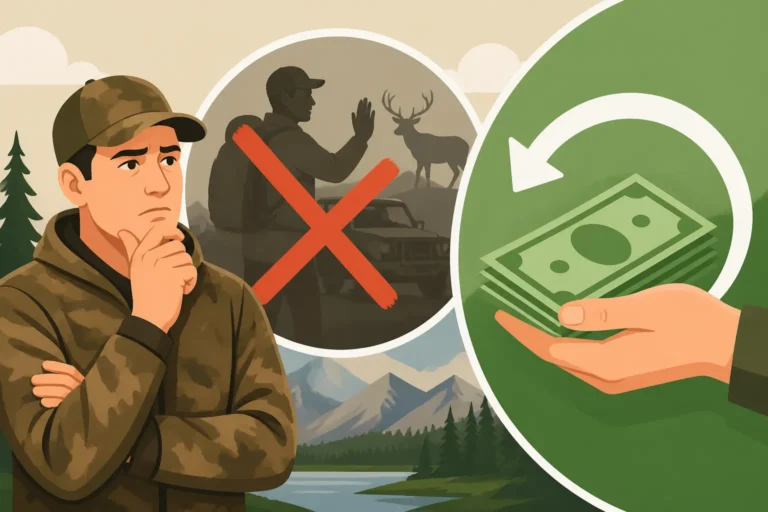
Outfitters typically require a significant deposit to secure your hunt, often 30-50% upfront, with the remainder due several months before the hunt. Understand these deadlines. Pay attention to clauses regarding what happens if you need to cancel (e.g., forfeiture of deposit, option to rebook for a fee) or if the outfitter has to cancel (e.g., natural disaster, unforeseen circumstances). Some outfitters are more flexible with rescheduling during the off-season if plans change, but this is never guaranteed. Don't be afraid to ask for clarification on any confusing terms. It's much better to understand these details now than to face a tough situation closer to your hunt date.
Key Considerations for Non-Resident Hunters Booking Off-Season
For hunters coming from outside Alberta, particularly from other countries, there are additional layers of complexity. Booking off-season provides ample time to sort through these legal and logistical requirements, ensuring a smooth entry into Canada and a hassle-free hunt.
The Hunter Host Rule vs. Guided Hunts
One of the most significant rules for non-resident hunters in Alberta is the "Hunter Host" rule. Generally, non-residents (meaning anyone who isn't an Alberta resident) must hunt with a licensed outfitter or be accompanied by a designated Hunter Host who is an Alberta resident. This is a critical distinction that often trips up first-timers.
If you're planning to hunt with a resident friend, they need to apply to become your Hunter Host, and specific regulations apply to how and what you can hunt. This option is often explored by those looking to keep costs down or experience a hunt with a local. However, if your goal is to pursue trophy animals or specific draw-only species, a guided hunt with a professional outfitter is often the more reliable and effective route. Why Non-Residents Need a Guide in Alberta and Hunting Alberta With a Hunter Host go into much more detail on these options. Booking off-season gives you time to decide which path is best and arrange for the necessary paperwork or outfitter arrangements.
Navigating Licensing, Tags, and Draw Dates
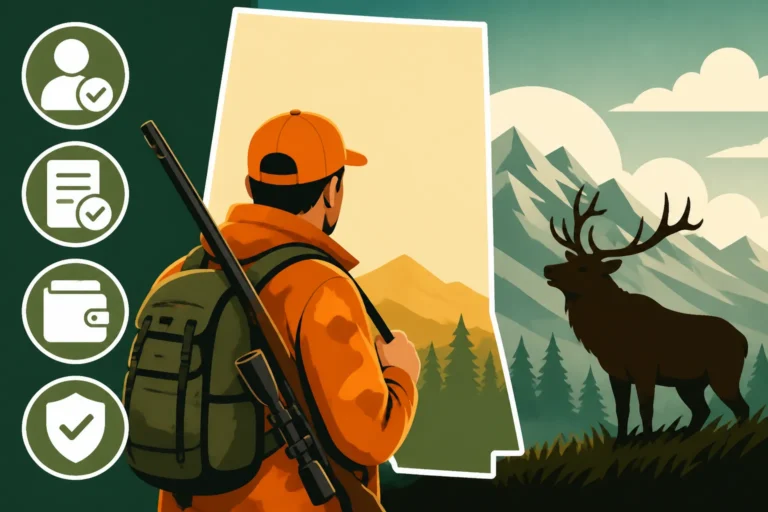
Alberta has a multi-tiered licensing system that can be a bit daunting at first glance. All hunters, including non-residents, need an Alberta Wildlife Identification Number (WIN), a Wildlife Certificate, and then species-specific licences. Many coveted big game species, such as moose, elk, and certain deer opportunities, are available only through a special licence draw.
Booking off-season allows you to align your hunt plans with Alberta's draw schedule. You'll have time to apply for your WIN card, understand Alberta Hunting Licences and What They Cost, and most importantly, get your applications in for Alberta's Special Licence Draws by their deadlines. Missing a draw deadline due to last-minute booking can mean missing out on your dream hunt for an entire year. Outfitters can often help advise you on the draw process, but the responsibility to apply and meet deadlines ultimately rests with you. Early booking ensures you're aware of these dates and can plan accordingly.
Travel Logistics and Firearm Importation
International travel, especially with firearms, requires meticulous planning. If you're flying into Alberta, you'll need to understand airline regulations for transporting firearms and ammunition, as well as Canadian border requirements. This typically involves declaring your firearm at the border, completing a Non-Resident Firearm Declaration Form (RCMP 5589), and paying a fee.
Starting this process during the off-season means you have ample time to gather all necessary documentation, understand the rules for Bringing a Rifle Across the Border, and avoid any last-minute surprises at customs. You can also research flights, rental cars (if needed), and any pre- or post-hunt lodging well in advance, often securing better rates. Considering Travel Insurance for a Hunting Trip is also a smart move, especially for international hunts, as it can cover unexpected events like trip cancellations, medical emergencies, or lost baggage.
Leveraging Online Resources and Tools
In the digital age, a wealth of information is just a click away. The off-season is the perfect time to dive deep into these resources, not only to find potential outfitters but also to educate yourself thoroughly on Alberta's hunting landscape and regulations.
Outfitter Directories and Review Platforms
As mentioned earlier, sites like BookYourHunt and GoHunt are fantastic starting points. They act as centralized hubs where you can browse multiple outfitters, compare their offerings, view photos, and read testimonials. These platforms often provide detailed information about the species they hunt, the WMUs they operate in, and their typical hunting methods.
However, always exercise a critical eye when reviewing information online. While review platforms can offer valuable insights, remember that every experience is subjective. Look for consistent themes in reviews, both positive and negative. Don't just read the glowing ones; see how outfitters respond to constructive criticism. Use these platforms to create a shortlist, then follow up with direct communication to verify details and ask specific questions. Reading Outfitter Reviews Honestly involves looking for patterns, verifying with references, and trusting your gut.
Government and Hunter Education Websites
For official rules and regulations, there's no substitute for the source. The Alberta government's hunting and fishing regulations website is your bible. It contains the most up-to-date information on season dates, bag limits, WMU boundaries, licensing requirements, and legal hunting methods.
Spend time familiarizing yourself with these resources. Even if you're going with an outfitter, understanding the regulations yourself is a sign of a responsible hunter. It's also where you'll find details on Alberta Hunter Education Requirements (if you're new to hunting or need to upgrade your certification) and important safety rules like those regarding blaze orange. The off-season gives you the luxury of studying these documents without the pressure of an impending hunt. You can also find information on critical topics like Alberta's CWD Testing Requirements and how to move your harvest.
Forums and Social Media Groups
Online hunting forums and social media groups dedicated to Alberta hunting can be goldmines of real-world information and anecdotes. You can often find discussions about specific WMUs, outfitter experiences, gear recommendations, and tips for various species. These communities offer a chance to connect with other hunters who have been there, done that.
However, approach these platforms with a healthy dose of skepticism. While many members are genuinely helpful, information can be opinion-based, outdated, or even misleading. Always cross-reference advice with official regulations or direct communication with outfitters. Use forums for brainstorming and gaining different perspectives, but not as your sole source of truth. They can be great for asking broad questions like, "What should I look for in an elk outfitter in the foothills?" or "Any tips for Hunting Alberta Winter Weather Safely?"
Preparing for Your Hunt After Booking
Booking your hunt off-season isn't just about securing your spot; it's about gaining precious time for preparation. This extended lead time allows for a comprehensive approach to getting yourself physically, mentally, and materially ready for the challenges and rewards of an Alberta hunt.
Physical Fitness and Practice
Many Alberta hunts, especially for big game in the mountains or dense boreal forest, can be physically demanding. Think long days of hiking, packing out heavy game, or enduring challenging weather conditions. If you've booked your hunt six to twelve months out, you have a substantial window to get into prime physical shape.
This isn't just about hitting the gym; it's about conditioning for hunting. Start a walking regimen with a weighted pack, practice climbing hills, and focus on endurance. Being physically prepared significantly enhances your hunting experience and reduces the risk of injury. Equally important is practicing with your weapon of choice. Whether it's a rifle, bow, or muzzleloader, regular range time is crucial. Knowing your effective range, practicing shooting from various field positions, and ensuring your equipment is sighted in perfectly builds confidence. This also gives you time to troubleshoot any gear issues, like a bow needing tuning or a scope that won't hold zero. Practicing Before a Guided Hunt ensures you're confident when that moment of truth arrives.
Gear Acquisition and Testing
Having ample off-season time allows you to thoughtfully acquire and thoroughly test all your gear. Don't wait until a month before your hunt to buy new boots or a new jacket. New gear needs to be broken in and proven in the field. This is particularly true for items like hunting boots, which can make or break a hunt if they cause blisters or fail in wet conditions.
Consider the diverse conditions you might face in Alberta. From crisp September mornings to potentially deep cold late in the season, your clothing system needs to be adaptable. Layering is key, and having quality waterproof and windproof outer layers is essential. Test your rain gear, your optics, your navigation tools (GPS, satellite messenger), and your camping equipment if you're doing a more rustic hunt. If you're going on a sheep hunt, for instance, you'll want to ensure you're well-versed in your Fitness for an Alberta Sheep Hunt and have boots that can handle steep, rocky terrain. Use the off-season to ensure every piece of gear functions flawlessly and that you know how to use it under pressure.
Mental Preparation and Setting Realistic Expectations
Hunting is as much a mental game as it is physical. Booking off-season gives you time to mentally prepare for the experience. Understand that hunting is inherently unpredictable. Weather can change rapidly, game animals can be elusive, and success is never guaranteed, even with the best outfitter. It’s important to remember that a guided hunt is not a "guaranteed kill." You are paying for the experience, the knowledge, the opportunity, and the hard work of the outfitter and guides.
Review the outfitter's reported Success Rates on Alberta Whitetail Hunts (or whatever species you're chasing), but understand what those numbers truly mean. A 90% opportunity rate doesn't mean 90% kill rate. It means 90% of hunters had a chance to harvest. Prepare for the possibility of going home empty-handed, and focus on enjoying the entire experience – the camaraderie, the wild places, the challenge, and the connection with nature. This mental fortitude will allow you to embrace the inevitable ups and downs of a hunt with a positive attitude.
Disclaimer
This article is for general informational purposes only and does not constitute professional advice. Laws, prices and regulations vary by location and change over time. Consult a qualified professional for guidance on your specific situation.