Hunting Alberta’s Pronghorn Draw
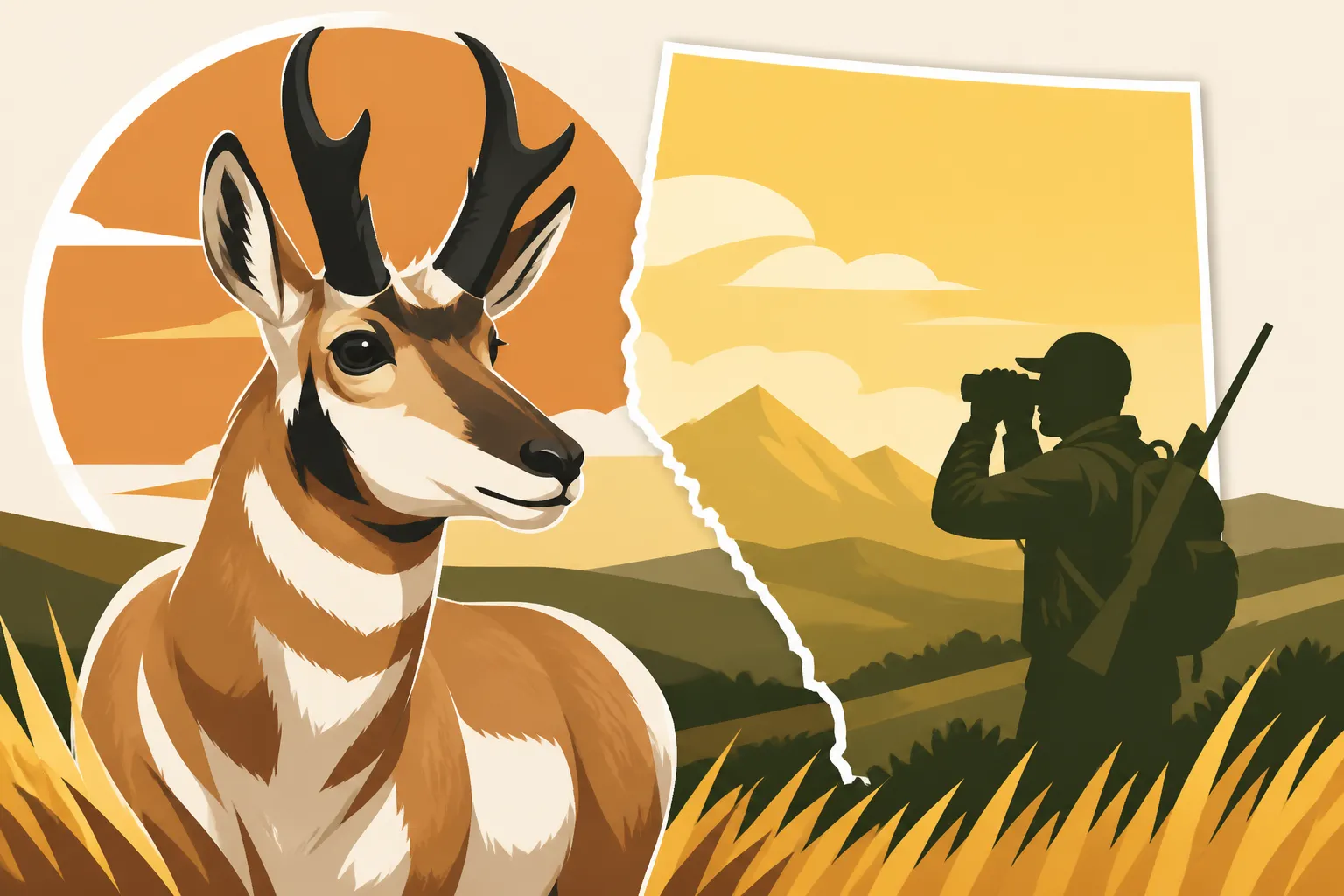
Hunting for pronghorn in Alberta is a truly unique experience, but getting drawn for a special license can feel like hitting the lottery, and even when you do, navigating the vast, open prairie can be daunting. Many hunters feel overwhelmed by the sheer scale of the landscape and the elusive nature of these speedsters. This comprehensive guide will walk you through everything you need to know, from understanding the draw system to mastering the art of the prairie stalk, ensuring you're well-prepared for your next Alberta pronghorn adventure.
Understanding Alberta's Pronghorn Draw System
Securing a pronghorn tag in Alberta isn't a walk in the park; it's a dedicated process that requires understanding the provincial draw system. Unlike general tags for species like whitetails, pronghorn hunting is managed through a special license draw, designed to control harvest pressure and maintain healthy populations. This can be a source of frustration for many, as it means putting in the time and hoping for a bit of luck.
The Lottery and Priority Points
Alberta's special license draws operate on a priority point system. Every year you apply for a draw and are unsuccessful, you gain a priority point for that specific species. The more points you accumulate, the better your odds of drawing a tag in subsequent years. It’s a system designed to reward persistence, but it can feel like a slow burn, especially when you're itching to hunt. Knowing how Alberta's Draw Priority Point System works is crucial, as it directly impacts your strategy for applying. For pronghorn, this often means many years of applying before you finally see that coveted "successful" notification. It’s a game of patience, and for many, the anticipation is almost as exciting as the hunt itself.
Application Process and Deadlines
The application window for special licenses in Alberta typically opens in late spring and closes in early June, with results usually posted in late June or early July. It's critical to mark these dates on your calendar, as missing the deadline means missing out on the opportunity entirely for that year. You apply online through the AlbertaRELM system. Make sure all your personal information, including your Alberta's WIN Card and Wildlife Certificate details, is up to date before applying. The process itself is fairly straightforward: select your desired species (pronghorn), choose your preferred Wildlife Management Units (WMUs), and submit your application. It’s worth double-checking your selections before finalizing, as errors can easily lead to a missed opportunity. Remember, once you’re successful in drawing a pronghorn tag, your priority points for that species reset to zero, and you'll start accumulating them again for future draws.
Key WMUs for Pronghorn and Draw Odds
Alberta's pronghorn population is primarily concentrated in the southeastern portion of the province, meaning certain WMUs offer better hunting opportunities and, consequently, higher demand in the draw. WMUs like 102, 104, 106, 110, and others in the "Prairie Series" are consistently popular choices. Analyzing historical draw odds is essential for making informed decisions. Websites like the Alberta government's hunting regulations page, or platforms like GoHunt, offer valuable insights into past draw success rates, helping you gauge your chances based on your accumulated priority points. It's a strategic game: do you apply for a high-demand WMU where a trophy buck might roam, knowing the odds are long, or do you choose a WMU with slightly better odds for a general harvest? Your choice often depends on your hunting goals and how many priority points you've patiently amassed over the years. Knowing Alberta's 219 Wildlife Management Units and their specific characteristics will definitely help.
Pronghorn Biology and Behavior on the Alberta Prairie
Understanding the nuances of pronghorn biology and behavior is absolutely critical for success on the open prairie. These animals are a marvel of evolution, perfectly adapted to their environment, and knowing their habits gives you a significant edge.
Habitat Preferences and Diet
Pronghorn, often mistakenly called "antelope," thrive in the vast, open grasslands and semi-desert environments of southeastern Alberta. They are creatures of wide-open spaces, preferring short to mid-grass prairies, sagebrush flats, and areas with good visibility to spot predators. You'll rarely find them in heavily treed areas or dense brush, as their primary defense mechanism is their incredible speed and eyesight. Their diet consists mainly of forbs, grasses, and sagebrush, giving them an advantage over deer and elk in these arid environments. Because they need to stay hydrated, finding Hunting Pronghorn Near a Water Source can be a key tactic, especially during warmer parts of the season. They are highly efficient at extracting moisture from their forage, but water sources remain attractive congregation points. The vastness of their habitat can be intimidating, but understanding their preferred food sources and cover types helps narrow down your search area considerably.
Daily and Seasonal Movements
Pronghorn movements are largely dictated by food availability, water, and security. During the day, they will often graze in open areas, but as the sun gets higher, they might move into slight depressions, behind small coulees, or into patches of taller sagebrush for shade and to break up their outline. They are known for their strong eyesight, which is legendary among hunters, allowing them to spot movement from incredibly far distances. This means hunters need to be hyper-aware of their own profile and movements. In terms of seasonal shifts, pronghorn don't typically undertake the massive migrations of some other big game species, but they will move locally to find better forage or escape severe winter weather. During the hunting season, you'll generally find them within their established home ranges, making careful scouting even more important. It's truly fascinating to observe How Pronghorn Survive a Prairie Winter, adapting their foraging habits and movements to conserve energy.
Identifying Mature Bucks
Distinguishing a mature pronghorn buck from a younger one, or even a doe, takes practice, especially at long distances. Mature bucks typically have longer, heavier horns with a more pronounced "cutter" or forward-pointing tine. Their bases will be thicker, and the horns will usually extend well above their ears. A good rule of thumb for judging a trophy-class buck is looking for horns that are as tall as or taller than their ears, with significant mass and good cutters. Does will have very small, often barely visible, nubs or no horns at all, and their body size will generally be smaller. Young bucks might have developing horns but will lack the mass and length of a mature animal. Observing them through high-quality optics, like 10x binoculars or a spotting scope, is crucial for making an accurate assessment before initiating a stalk. Remember, What a Pronghorn Buck Weighs can also be an indicator, as mature bucks carry more body mass.
Scouting Strategies for Alberta Pronghorn
Effective scouting is the bedrock of a successful pronghorn hunt. These animals are incredibly wary, and the open terrain offers little room for error. A good scouting plan maximizes your chances and minimizes wasted effort.
Pre-Season Digital Scouting
Before you even set foot on the prairie, digital scouting can save you countless hours and miles. Tools like Google Earth, Gaia GPS, or specialized hunting apps like GoHunt, are invaluable. They allow you to virtually explore WMUs, identifying potential habitat, water sources, natural funnels, and cover. Look for isolated coulees, large sagebrush flats, and agricultural field edges that might offer food or bedding areas. Pay close attention to subtle changes in elevation, as even a small rise can conceal a herd or provide a stalking advantage. GoHunt provides excellent satellite imagery and public land layers, helping you pinpoint crucial areas and assess potential access points before you ever leave home. This initial phase helps you prioritize areas for on-the-ground reconnaissance, creating a more efficient scouting trip.
On-the-Ground Reconnaissance
Once you've done your digital homework, it's time to hit the road. Drive the perimeter of promising sections, using your binoculars and spotting scope to glass distant fields and coulees. Early mornings and late evenings are prime times to observe pronghorn movement. Take note of where they're feeding, where they're bedding, and any patterns in their travel routes. This is also the time to identify potential access points, whether it's public land or areas where you might need to seek Getting Private Land Permission in Alberta. Don't be afraid to walk a little, but remember that pronghorn have exceptional eyesight, so maintaining a low profile and using natural terrain features to your advantage is key. Understanding the vastness and subtleties of the prairie during your scouting trips will give you a major advantage when the season opens.
Understanding Wind and Terrain in Open Country
The wind is your constant companion and biggest challenge when hunting pronghorn. Their primary defense is their eyesight, but their nose is also keen. Always approach from downwind, even if it means taking a significantly longer route. The open nature of the prairie means the wind can swirl unexpectedly, especially around coulees and draws. Pay attention to how Wind in Open Prairie Country behaves and use wind checkers religiously. Terrain, even subtle changes, becomes incredibly important for stalking. A slight depression, a fold in the land, or a line of low brush can offer the only cover for a stalk. Learning to "read" the ground, identifying these small features that can hide your approach, is a skill honed over many frustrating attempts. Combine wind direction with terrain features to plan your approach, always thinking several steps ahead of where the pronghorn might move.
Effective Hunting Methods for Pronghorn in Alberta
Once you've secured your tag and done your scouting, it's time to put a plan into action. Hunting pronghorn requires patience, meticulous planning, and the ability to adapt to their incredible senses.
Spot-and-Stalk Tactics
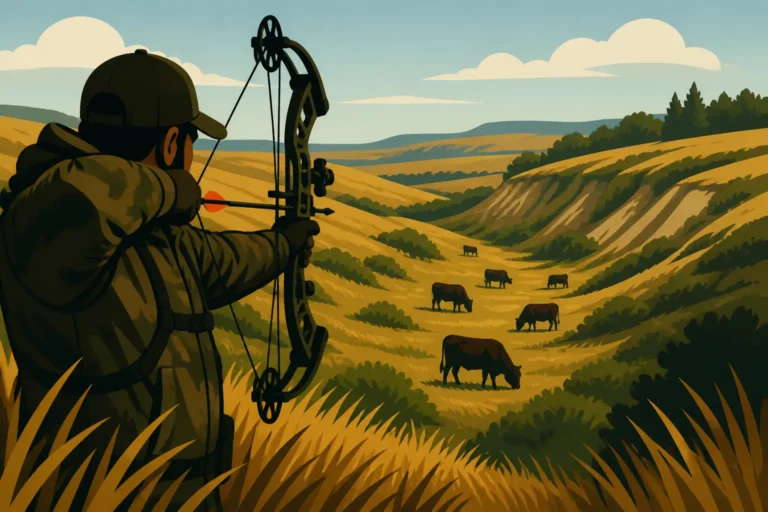
The classic method for hunting pronghorn in Alberta is the spot-and-stalk. This involves using high-quality optics to locate a buck, assessing its potential, and then planning an intricate stalk to get within shooting range. This is where your understanding of terrain, wind, and pronghorn behavior truly shines. Often, this means driving or walking slowly, stopping frequently to glass the vast landscape. Once a target buck is identified, the real challenge begins. You might spend hours covering significant distances, crawling on your hands and knees, or moving from one small piece of cover to the next, just to close a few hundred yards. Patience is paramount, as is the ability to remain completely unseen. Remember, Stalking Pronghorn Across Open Ground is one of the most demanding and rewarding aspects of this hunt. A successful stalk often feels more like a military maneuver than a casual stroll.
Decoying and Calling
While not as common or consistently effective as for other species, decoying can sometimes work for curious pronghorn bucks, especially during the rut (which typically occurs in late September). A full-body or silhouette decoy of a buck or doe can sometimes draw an inquisitive buck closer, particularly if he thinks a rival is encroaching on his territory or a potential mate is nearby. However, pronghorn are extremely wary, and they will often circle downwind to confirm what they're seeing. If they catch your scent, the game is over. Calling, usually in the form of a fawn distress call or a buck challenge, is even less reliable but can occasionally pique their interest. These tactics are often used as a last resort or in very specific situations where a stalk is impossible. It's more about capitalizing on their innate curiosity and territorial nature rather than relying on a consistent drawing power.
Field Approaching and Stalking Challenges
The biggest challenge with pronghorn is their legendary eyesight and the lack of cover in their habitat. Field approaching, which is essentially a direct stalk across open ground, is incredibly difficult. You often need to close hundreds of yards on an animal that can spot a flicker of movement from a mile away. This is why using every available dip, rise, and patch of cover is critical. Even a tiny change in elevation can be enough to conceal your approach. Crawling is often necessary, and wearing appropriate clothing that can withstand rough prairie terrain is a must. One common frustration is getting within what you think is shooting range, only for the entire herd to suddenly vanish over a ridge or run hundreds of yards away for no apparent reason. Their unpredictable nature and vigilance make every successful stalk feel like a significant achievement.
Essential Gear and Logistics for a Pronghorn Hunt
Having the right gear is non-negotiable for a successful and comfortable pronghorn hunt in Alberta's challenging prairie environment. Preparedness is your best friend.
Optics, Rifles, and Ammunition
Given the vast, open spaces, high-quality optics are perhaps the most crucial pieces of gear. A good pair of 10x binoculars is essential for scanning the landscape, while a spotting scope (15-45x or 20-60x) is vital for identifying bucks, judging their size, and planning your stalk from a distance. You'll spend a lot of time behind glass, so invest in the best you can afford. For rifles, flat-shooting calibers are preferred due to the often long shooting distances on the prairie. Popular choices include .243 Win, 6.5 Creedmoor, .270 Win, and .30-06. Ensure your rifle is zeroed precisely, and practice shooting from various field positions at extended ranges. Quality hunting ammunition with good ballistic coefficients will make a noticeable difference in wind drift and trajectory over long shots. Always carry enough ammunition for practice and the hunt itself.
Clothing and Footwear for Prairie Conditions
Alberta's prairie can experience extreme weather swings, from scorching hot days to sudden cold fronts and strong winds. Layering is key. Choose lightweight, breathable, moisture-wicking clothing in natural, earthy tones for early season hunts, and add insulation for cooler temperatures or late season opportunities. Blaze orange is often required for rifle hunting, so ensure your outer layer complies with regulations. Robust, comfortable hiking boots that are well broken-in are a must, as you'll be doing a lot of walking, often over uneven ground, rocky sections, and through prickly pear cactus. Don't forget a wide-brimmed hat for sun protection and quality sunglasses to reduce glare. Given the amount of crawling often involved in a pronghorn stalk, consider knee pads or durable pants with reinforced knees to protect yourself.
Field Care and Transporting Your Harvest
Once you've successfully harvested a pronghorn, prompt field care is essential, especially in warmer early-season temperatures. Pronghorn meat is lean and delicious if cared for properly. Immediately gut and cool the animal. Having a good quality sharp knife, game bags, and perhaps a small tarp or plastic sheet for keeping the carcass clean are vital. Quartering the animal in the field may be necessary, especially if you're a long way from your vehicle. Remember to check regulations regarding Transporting Game Meat and Proof of Sex to ensure you comply with all requirements. Planning how you'll get the animal back to your vehicle and then to a processor or cold storage is critical, as a smaller animal like a pronghorn can still be challenging to move across open ground, especially if you're hunting alone.
| WMU Group | Primary Habitat | Typical Draw Odds (First Choice, No Points) | Recommended Approach | Key Challenge |
|---|---|---|---|---|
| 100-110 | Open Prairie/Grassland | Low (often <10%) | High Priority Point Strategy | Extreme Competition |
| 112-118 | Mixed Farmland/Prairie | Moderate (10-25%) | Patience, Persistent Scouting | Access to Private Land |
| 120-130 | Eastern Prairie Fringe | Moderate (10-25%) | Focus on Public Land Pockets | Scattered Herds |
Navigating Access and Regulations for Pronghorn Hunting
Alberta's vast landscape offers various access opportunities, but understanding the rules and obtaining proper permission is crucial for ethical and legal hunting. Missteps here can ruin a hunt and damage the reputation of hunters.
Public vs. Private Land Access
In Alberta, you'll encounter a mix of Public Hunting Land in Alberta and private land. The vast majority of prime pronghorn habitat falls within private agricultural lands. This means that securing permission from landowners is often paramount. While there are some blocks of Crown Land or Provincial Grazing Reserves that hold pronghorn, these areas can be heavily pressured due to their accessibility. When hunting private land, always secure written permission if possible, and always be respectful of the landowner's property and requests. This includes understanding where they prefer you park, where gates should be closed, and avoiding driving on wet fields. Platforms like GoHunt can help identify land ownership boundaries, but nothing beats knocking on doors and having a face-to-face conversation. Remember, a good relationship with a landowner can open doors for future hunting opportunities.
Special Regulations and Tagging Requirements
Beyond the draw itself, there are specific regulations governing pronghorn hunting. Always consult the current Alberta Hunting Regulations Guide, as rules can change annually. Key regulations include antler point restrictions (if any), blaze orange requirements, and specific tagging procedures. Upon harvesting a pronghorn, you must immediately attach your tag to the animal, ensuring it's clearly visible and secure. Also, be aware of any mandatory harvest reporting requirements or CWD (Chronic Wasting Disease) testing submissions for specific WMUs. For instance, in some CWD endemic areas, you may be required to submit the head for testing. Being familiar with these rules ensures your hunt is ethical and legal, and it contributes to responsible wildlife management.
Respecting Landowners and the Land
This cannot be stressed enough: respecting landowners and the land itself is fundamental to the future of hunting in Alberta. The majority of pronghorn habitat is on private property, and the privilege of access is entirely at the landowner's discretion. Always introduce yourself, clearly state your intentions, and offer to share some of your harvest. Leave gates as you found them, pack out all your garbage, and avoid disturbing livestock. If you notice any damage or issues on their land, politely bring it to their attention. Our reputation as hunters hinges on our behavior in the field, and a respectful, responsible approach ensures that these cherished hunting opportunities remain open for generations to come.
Disclaimer
Please remember that hunting regulations, season dates, and access rules in Alberta can change. Always consult the official Alberta Hunting Regulations Guide published by the provincial government for the most current and accurate information before planning your hunt. This guide is for informational purposes only and does not supersede official regulations. Stay safe and hunt ethically.