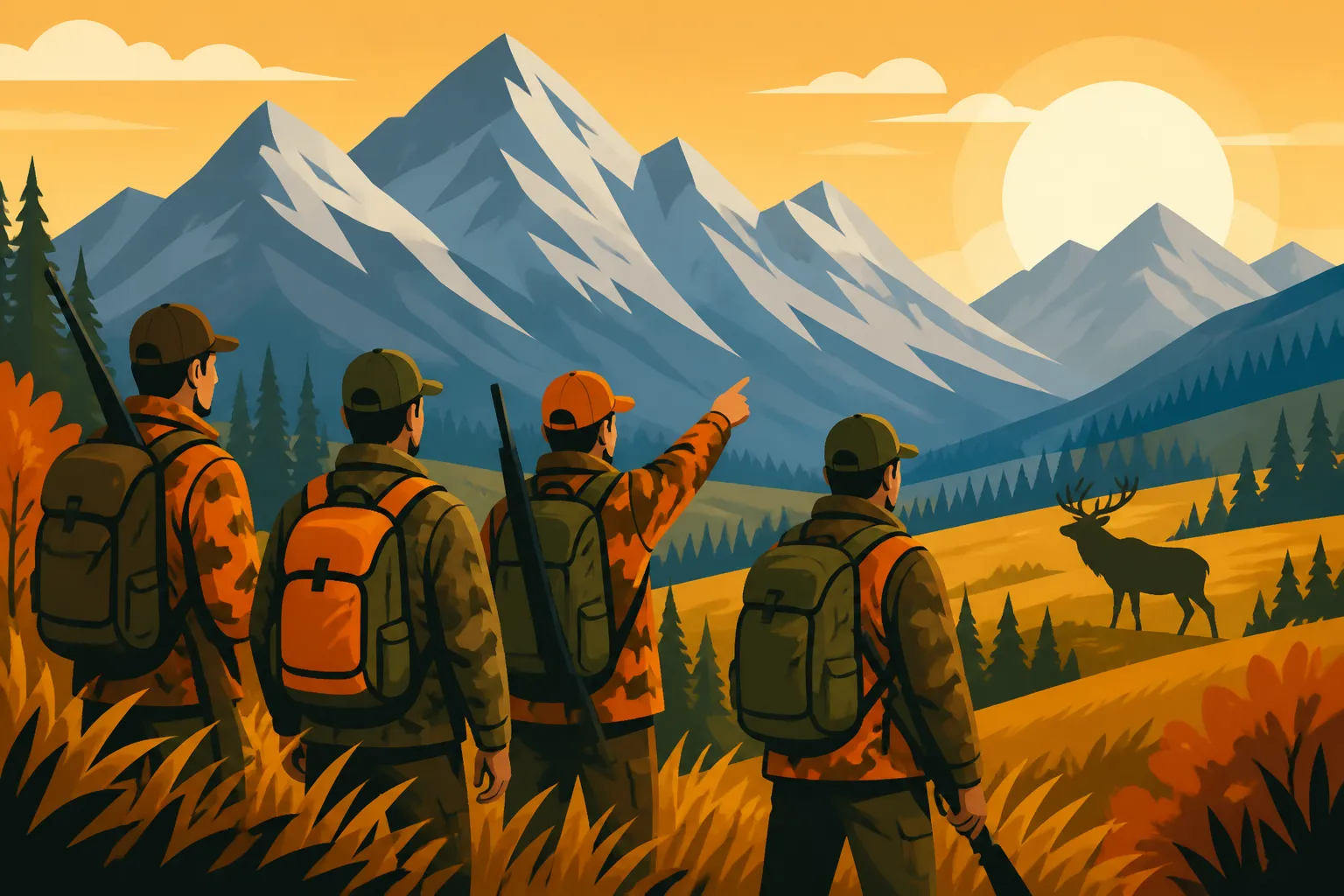
Corporate and Group Hunting Trips
Organizing a hunting trip for a group, especially one with corporate intentions or just a gathering of good friends, often sounds like a fantastic idea until you actually start looking at the logistics. Coordinating schedules, figuring out licenses, finding an outfitter that can accommodate everyone, and ensuring a memorable experience can feel overwhelming. This guide is here to walk you through the ins and outs of planning corporate and group hunting trips in Alberta, making sure your outdoor adventure is as seamless and successful as possible.
The Appeal of Corporate and Group Hunting Trips in Alberta
There's something uniquely bonding about sharing the wild spaces of Alberta with a group. Whether it's a corporate retreat designed to foster teamwork and reward top performers, or a long-anticipated gathering of friends and family, group hunts offer a chance to connect on a deeper level away from daily distractions. Alberta, with its incredible diversity of landscapes and abundant big game, offers an ideal backdrop for such an experience.
Building Team Cohesion and Client Relationships
Imagine a sales team, usually confined to office cubicles or virtual meetings, spending a week together in the Alberta wilderness, tracking whitetails or calling moose. The shared challenges, the early mornings, the quiet camaraderie in a blind, or the exhilaration of a successful stalk forge bonds that no trust-fall exercise ever could. Corporate hunting trips are increasingly popular as a way to build team cohesion, reward high-achievers, and even cement relationships with key clients. The natural environment strips away formality, allowing genuine connections to form over shared experiences, storytelling around a campfire, and the primal thrill of the hunt. It’s a powerful way to demonstrate appreciation and create lasting memories that translate into stronger professional relationships back in the boardroom.
For clients, an Alberta hunting trip isn't just a lavish gift; it's an immersive experience that shows commitment and personal investment. Hosting clients on a well-organized hunt allows for relaxed, extended conversations, giving you insights into their priorities and building trust outside of high-pressure business settings. It’s about creating a shared narrative, a story they’ll tell for years, with your company at the heart of that positive experience. This kind of experiential marketing, where you share a passion and a challenging pursuit, can be far more impactful than any dinner or golf game.
The Alberta Advantage for Group Hunts
Alberta offers a distinct advantage for group hunts, largely due to its diverse geography and robust outfitting industry. From the vast boreal forest, home to moose and black bears, to the rolling parkland and prairie famous for its whitetails and mule deer, there’s a hunt for every interest and skill level. This means you can tailor a trip to suit your group’s preferences, whether they dream of a rugged Backpacking Into Alberta Sheep Country adventure or a more comfortable lodge-based whitetail hunt.
Our outfitters here are incredibly experienced in handling groups, understanding that the dynamics differ from a single hunter or a pair. They often have larger camps, more guides, and the logistical know-how to manage multiple hunters with varying goals. For instance, some outfitters specialize in taking a number of hunters simultaneously, deploying them across different parts of a vast concession, ensuring each person gets a quality experience while still being part of the larger group. This capacity for scale, combined with Alberta's reputation for healthy game populations, makes it a premier destination. The province's well-established Hunting Guides and Outfitters in Alberta infrastructure means there's a good selection of reputable operations ready to assist with group bookings, easing the burden of planning significantly.
Navigating the Logistics of a Group Hunt
Planning for a group hunt in Alberta involves a lot more than just picking a date. You're dealing with multiple personalities, varied skill sets, and a whole heap of administrative details that need careful attention. This is where the real work of coordination comes in, and having a clear plan is your best friend.
Choosing the Right Outfitter for Your Group
This is perhaps the most critical decision you'll make. Not all outfitters are created equal, and not all are set up to handle groups effectively. When you're looking for an outfitter, it's crucial to find one that not only has a strong track record for the species you're targeting but also has experience with group dynamics. Start by researching outfitters who explicitly advertise corporate or group packages. Check their capacity – how many hunters can they comfortably accommodate at one time? Do they have enough guides to ensure adequate attention for each hunter? Will they offer a consistent experience across the entire group, or will some hunters feel neglected?
Don't be shy about asking for references from past group clients. A good outfitter will be happy to connect you with previous groups they've hosted. Platforms like BookYourHunt can be valuable resources for finding outfitters with specific group hunt offerings and reading reviews. Similarly, GoHunt's outfitter directory often highlights services that cater to multiple hunters. You'll want to discuss everything from camp size and amenities to the number of guides and potential hunter-to-guide ratios. It's often helpful to inquire about a personalized itinerary that might include specific social activities in addition to the hunting itself. Look for transparency in their offerings and a willingness to customize. Understanding What an Alberta Guided Hunt Costs will also be a major part of this discussion, as group pricing can sometimes offer efficiencies.
Understanding Licenses, Tags, and Regulations for Multiple Hunters
Getting everyone legal and licensed can be a headache, especially for a large group, or if you have non-residents involved. Every hunter, regardless of residency, will need an Alberta Wildlife Identification Number (WIN) Card and a Wildlife Certificate, along with the appropriate hunting licenses and tags for the species they intend to pursue. If you have non-residents from other provinces or, particularly, from outside Canada, the rules become more stringent. Rules for Non-Residents Hunting Alberta dictate that non-residents must hunt with a licensed Alberta outfitter or be hosted by an eligible Alberta resident. For corporate groups, working with an outfitter is almost always the chosen route.
The outfitter will typically assist with the application process for licenses and tags, but it’s still your responsibility to ensure all participants have the necessary paperwork in order well in advance. Missed deadlines or incomplete applications can derail an entire trip. You'll need to know which species each person wants to hunt and understand the specific season dates and draw requirements. For popular species like elk or certain types of moose, special draw licenses might be needed, which can complicate group planning if not everyone draws a tag. Your chosen outfitter should be a central point of contact for navigating these regulations, helping you gather all the required information and submit it correctly. Always clarify with the outfitter exactly what they handle regarding permits versus what individual hunters need to manage.
Accommodation and Amenities for Group Comfort
The comfort and suitability of accommodations are paramount for a group trip, especially a corporate one. While some hunters might be content with basic spike camps or wall tents, others, particularly those new to hunting or on a corporate incentive trip, will expect more amenities. Alberta offers a spectrum of Alberta Hunting Lodges and Camps, from rustic wilderness cabins to luxurious lodges with all the comforts of home.
When choosing an outfitter, inquire specifically about their group lodging options. Do they have communal areas for dining and socializing? Are there private rooms or shared bunkhouse-style arrangements? Consider internet access, private washrooms, hot showers, and even creature comforts like dedicated lounge spaces or fire pits. For a corporate group, these details can significantly impact the overall experience and perception of the trip. The outfitter should be able to provide detailed descriptions and photos of their facilities. If some members of your group aren't keen on hunting every moment of every day, ask about non-hunting activities available at or near the lodge, such as fishing, hiking, or even just relaxing with a good book. Ensuring everyone has a comfortable retreat to return to after a long day in the field is key to group morale and overall satisfaction.
Customizing Your Alberta Group Hunting Experience
A successful group hunting trip isn't just about showing up; it's about crafting an experience that resonates with every participant. This requires a bit of foresight and clear communication with your chosen outfitter.
Tailoring Species and Hunt Styles
Alberta's diverse game offers incredible flexibility. You might have a group where some hunters are seasoned veterans eager for a challenging Moose Hunting Alberta's Boreal Forest experience, while others are first-timers looking for an accessible Whitetail Hunting in Alberta opportunity. An excellent outfitter can often tailor the hunt to accommodate these varying interests and skill levels. For example, some outfitters might offer combination hunts, where different members of the group pursue different species simultaneously or split up for different hunt styles during the same week.
You could have some hunters focusing on Spot-and-Stalk Mule Deer in Alberta in the open country, while others are in treestands along a bush edge for whitetails. Discuss these possibilities upfront with the outfitter. Can they provide separate guides for smaller sub-groups, or perhaps offer different areas to hunt that cater to various preferences? It’s also worth considering the physical demands of different hunt styles. A high-country sheep hunt is vastly different from a field hunt for geese, and you need to match the hunt to the group's physical capabilities and expectations. Having a pre-trip survey for your group members can help gauge interest and fitness levels, ensuring a better match with the outfitter's offerings.
Balancing Hunter Experience Levels
One of the biggest challenges in group hunting is balancing the diverse experience levels within the party. You might have a corporate CEO who has never hunted before alongside a veteran hunter. A good outfitter understands this and can adjust their approach. For beginners, they might offer more hands-on guidance, slower-paced hunts, and clear instruction on safety, ethics, and fieldcraft. For experienced hunters, they can provide opportunities for more challenging stalks or less guided independence.
The ideal scenario is an outfitter who can provide a flexible guide-to-hunter ratio or assign specific guides to different experience tiers within your group. This prevents the experienced hunters from feeling held back and the novices from feeling overwhelmed. Often, a "learn-as-you-go" approach, where new hunters can observe and participate in various aspects of the hunt, can be very effective. This shared learning experience can actually enhance the group dynamic, as more experienced hunters mentor newer ones. Prior to the trip, communicate openly with the outfitter about each participant’s hunting background, preferences, and any specific goals they might have, whether it’s simply to harvest a deer or to learn the ropes of tracking.
Post-Hunt Logistics and Memories
The hunt doesn't end when an animal is harvested. For a group trip, especially one with corporate ties, the post-hunt logistics are crucial for ensuring a positive lasting impression. This includes everything from proper meat processing and trophy care to photo opportunities and celebratory meals. Reputable outfitters will have established procedures for field dressing, packing out game, and getting it to a local butcher or taxidermist. Discuss these services in detail.
| Service Category | Typical Outfitter Offerings | Considerations for Groups |
|---|---|---|
| Meat Processing | Field dressing, transport to local butcher, basic quartering | Butcher costs, transport home, shared processing fees |
| Trophy Care | Caping, initial salting/freezing, transport to taxidermist | Taxidermy costs, shipping antlers/hides, export permits |
| Photos/Video | Guides take photos, sometimes videography packages | Digital sharing, group photo ops, privacy preferences |
| Celebratory Meal | Special dinner in camp, local restaurant options | Dietary restrictions, alcohol policies, event planning |
| Shipping | Assistance with meat/trophy shipping arrangements | Customs for non-residents, insulated coolers, cost allocation |
Ensuring that everyone understands Getting Meat Processed After the Hunt and how their trophies will be handled, particularly if they are non-residents needing to export them, is vital. Many outfitters offer assistance with shipping arrangements for meat and trophies, which can be a significant help for a group. Beyond the practicalities, consider how you’ll capture and share the memories. Group photos, a highlight reel, or a custom photo album can serve as a powerful reminder of the shared adventure and reinforce the positive associations with your brand or group. Some outfitters even offer professional photography services to document the entire experience.
Key Considerations for a Successful Group Trip
Beyond the hunting itself, there are overarching factors that can make or break a group trip. Thoughtful planning in these areas ensures that everyone leaves with a smile, ready for the next adventure.
Budgeting and Financial Planning
Corporate and group hunting trips can be a significant investment, and careful budgeting is essential to avoid any awkward surprises. When getting quotes from outfitters, be absolutely clear about what is included and what is not. What an Alberta Guided Hunt Costs will typically cover guiding services, meals, and lodging, but often exclude licenses, tags, travel to camp, gratuities for guides and staff, meat processing, taxidermy, and alcohol. These "hidden" costs can quickly add up, especially for a large group.
Create a detailed breakdown of all anticipated expenses for each participant, including their share of group costs and their individual outlays. If this is a corporate trip, clarify which expenses the company will cover and which individuals are responsible for. For a friends' trip, consider a shared fund or a clear accounting system. Discuss Tipping an Alberta Guide upfront so everyone knows the expected etiquette. Some groups opt for a single payment that covers all incidentals, managed by one organizer, to streamline the process. Always factor in a contingency fund for unexpected expenses, like extra ammunition or unforeseen travel delays. Getting a clear contract from the outfitter detailing payment schedules and Alberta Deposit and Cancellation Terms is non-negotiable.
Communication and Expectations Management
With any group, clear and consistent communication is the cornerstone of success. Before, during, and after the trip, ensure that everyone involved — from the group organizer to individual hunters and the outfitter — is on the same page. Start with a comprehensive pre-trip briefing that covers everything: itinerary, what to pack, safety protocols, game regulations, expected physical demands, and financial responsibilities. Provide a detailed packing list, considering Alberta's often unpredictable weather.
It’s equally important to manage expectations realistically. Not every hunter will harvest an animal, and emphasizing the overall experience — the camaraderie, the time in nature, the challenge — can help mitigate any disappointment. The outfitter should also be a part of this communication loop, outlining their success rates (and what those truly mean), ethical hunting practices, and what participants can reasonably expect from the hunt. An open forum for Questions to Ask Before Booking can address concerns and foster a sense of shared anticipation. Utilizing group chat apps or a dedicated email list can keep everyone informed and engaged leading up to the trip.
Contingency Planning and Safety Protocols
Even the best-laid plans can encounter unexpected bumps, especially in the wilderness. Robust contingency planning and a clear focus on safety are paramount for any group hunting trip. Discuss potential scenarios with your outfitter: what happens if someone gets injured? What if the weather turns severe and impacts hunting plans or travel? What are the communication protocols in remote areas?
Outfitters are experienced in managing risks, but it’s good to understand their emergency response plan. This includes first-aid capabilities, communication methods (satellite phones, inReach devices for remote areas), and evacuation procedures. Ensure every member of your group understands the basic safety rules, including proper firearm handling, knowing boundaries, and what to do if they get separated from the group. For a corporate group, this due diligence is especially important from a liability perspective. Review Alberta's general Alberta Blaze Orange and Safety Rules, if applicable for your chosen hunt. Having a designated group leader beyond the outfitter can also help manage minor issues and act as a point of contact. Being prepared for the unexpected doesn't just make the trip safer; it allows everyone to relax and fully enjoy the adventure, knowing that potential problems have been considered and planned for.
Disclaimer
This article is for general informational purposes only and does not constitute professional advice. Laws, prices and regulations vary by location and change over time. Consult a qualified professional for guidance on your specific situation.