Alberta Bear and Bird Combination Trips
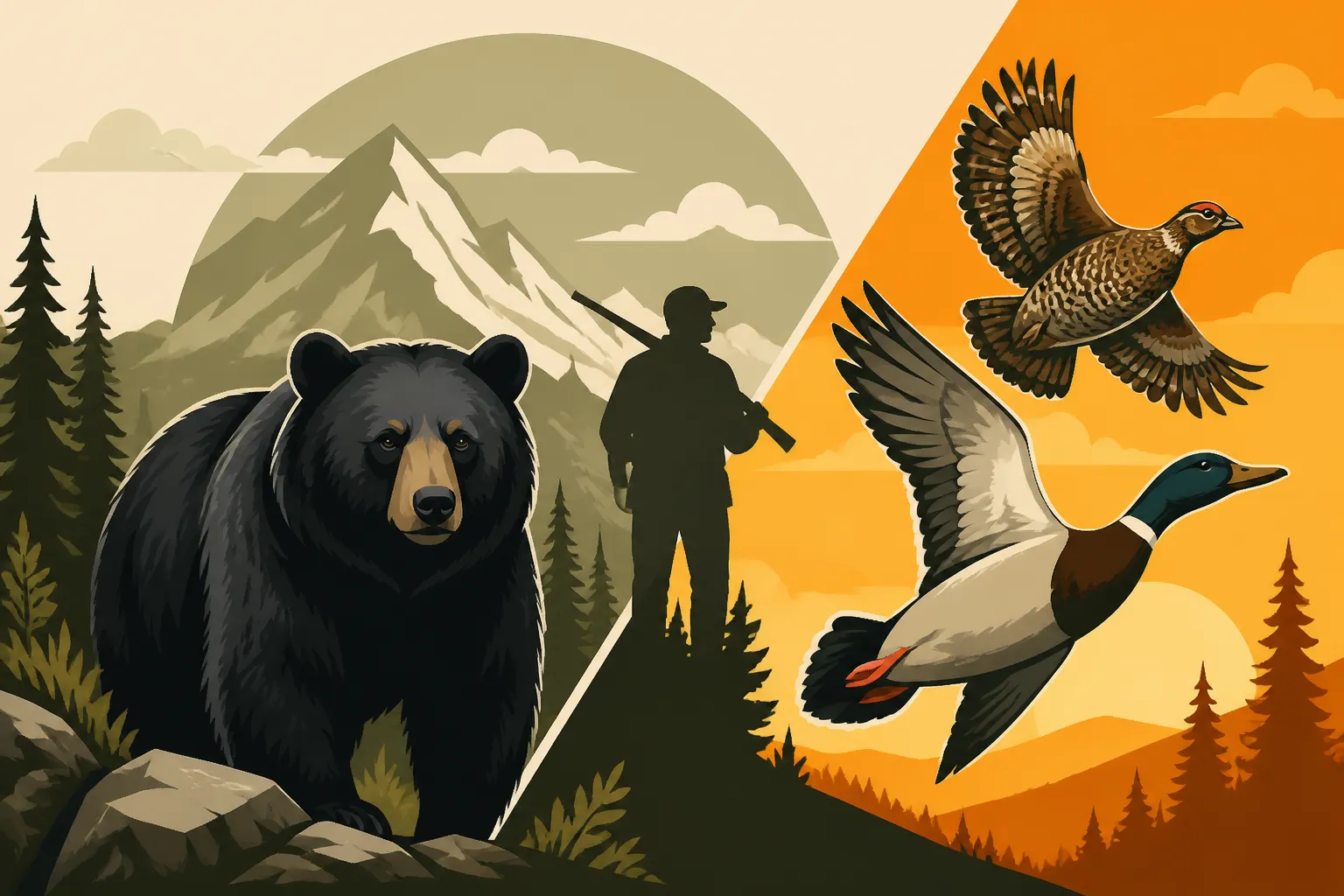
It's a common dilemma for hunters coming to Alberta: do you focus on the thrilling pursuit of big game, or do you enjoy the fast-paced action of a bird hunt? Many find themselves torn between these two incredible experiences, but what if you didn't have to choose? Combination trips, blending the pursuit of black bear with various bird species, offer a unique opportunity to experience the diverse hunting landscape of our province, often presenting logistical challenges that need careful navigation for a successful outing.
The Allure of a Bear and Bird Combo Hunt in Alberta
There's something truly special about combining two distinct hunting experiences into one memorable trip. Alberta's vast and varied ecosystems, from the dense boreal forests to the sprawling prairies, support a wide array of game, making it an ideal destination for those looking to diversify their hunt. A bear and bird combo is more than just ticking two boxes; it’s about immersing yourself in different hunting styles and environments, doubling your chances for adventure and creating a richer, more comprehensive outdoor experience.
Why Combine These Two Seemingly Different Hunts?
On the surface, pursuing a black bear and chasing upland birds or waterfowl might seem like two entirely different worlds. Bear hunting often involves patience, stealth, and perhaps sitting over a bait site for hours, or careful spot-and-stalk tactics in dense timber. Bird hunting, on the other hand, is usually more dynamic, requiring quick reflexes, good dog work, and covering a lot of ground. However, these differences are precisely what make the combination so appealing. After a morning spent glassing for bear or waiting silently, the energetic pace of an afternoon bird hunt can be incredibly refreshing. The synergy often works well; if bear activity is slow, you can shift gears and focus on birds, and vice-versa. It provides a fantastic balance of intensity and relaxation, allowing you to appreciate the full spectrum of Alberta's hunting opportunities. Plus, it’s an efficient way to make the most of your travel and time in the field, doubling your potential harvest and the stories you'll bring home.
Understanding Alberta's Fall Bear and Bird Seasons
The magic of a bear and bird combination trip really comes to life in Alberta's fall seasons. While spring is renowned for bear hunting, our fall bear season often overlaps perfectly with the opening of various game bird seasons, creating ideal windows for a combo hunt. Black bears, especially boars, are actively feeding to pack on weight for winter, making them a prime target. Simultaneously, migratory birds like ducks and geese are staging and beginning their southbound journeys, offering exceptional field and pothole hunting opportunities. Upland birds such as sharp-tailed grouse, Hungarian partridge, and ruffed grouse are also plentiful in their respective habitats. This seasonal overlap means you can realistically plan to hunt both species within the same trip without feeling rushed. It's crucial to consult the Alberta Big Game Season Dates and Alberta Game Bird Seasons and Limits to pinpoint the optimal timing for your specific target species and preferred hunting methods. Outfitters who specialize in these combo hunts will have intimate knowledge of these seasonal nuances and can guide you to the best experience.
Planning Your Alberta Bear and Bird Adventure
Executing a successful bear and bird combo hunt in Alberta requires meticulous planning. It's not just about packing two sets of gear; it's about finding an outfitter with the right expertise, understanding the logistics of hunting different species in potentially varied terrains, and timing your trip perfectly to coincide with peak activity for both. This kind of trip demands flexibility and a keen understanding of Alberta's diverse hunting opportunities.
Choosing the Right Outfitter for Combination Trips
Finding an outfitter with proven experience in both bear and bird hunting is paramount. Not all outfitters offer both, and those who do might specialize more in one area than the other. You need a team that can seamlessly transition between setting up a productive bear bait site and guiding you to prime waterfowl fields or upland coverts. Their expertise should cover the necessary permits, licenses, and knowledge of different WMUs (Wildlife Management Units) where both species thrive. When researching, don't hesitate to use platforms like BookYourHunt to find outfitters offering specific combination packages. Look for testimonials that mention success in both categories, and always ask for references. A good outfitter will have established relationships with landowners for bird hunting access and prime bear hunting leases. They should also be transparent about the daily schedule, the ratio of bear hunting time to bird hunting time, and what specific bird species they target. For non-residents, working with an experienced outfitter is often a requirement, as outlined in Rules for Non-Residents Hunting Alberta, and they will handle many of the licensing and logistical details.
Key Considerations for Timing Your Combo Hunt
Timing is everything. For fall bear, you generally want to hit the period when bears are intensely feeding before denning, which is typically late August through September and early October. This often aligns well with the opening weeks of migratory bird seasons and when upland birds are well-developed. If waterfowl is a high priority, consider late September into October when more birds have migrated south and field hunting can be exceptional. If upland birds like ruffed grouse or Hungarian partridge are your focus, early fall before heavy snow can provide fantastic walking conditions. Outfitters often have specific weeks blocked out for combo hunts because they know these windows offer the best chances for both bear and bird success. Make sure your desired dates align with the specific general season dates for the WMU you plan to hunt. Using resources like GoHunt can provide insights into seasonal patterns and success rates in different regions, helping you narrow down the best timeframe.
Gear and Preparations for a Dual-Species Hunt
Packing for a combo hunt can be a bit more complex than a single-species trip. You'll need versatile clothing that can handle the cooler mornings and evenings of bear hunting, potentially sitting still for long periods, but also allow for comfortable movement during bird hunting, which can involve a lot of walking. Layering is key. For firearms, many hunters opt for a reliable rifle suitable for bear, which can also be used for larger waterfowl if legal and appropriate, or they bring a dedicated shotgun for birds. Check Legal Firearms and Bows for Big Game for specifics on rifle calibers. Remember, non-toxic shot is mandatory for waterfowl. Ensure you have the right ammunition for both. Beyond that, consider:
- Optics: Binoculars are essential for both glassing for bears and spotting birds.
- Footwear: Comfortable, waterproof hiking boots are critical for covering ground while bird hunting, and perhaps a warmer pair for static bear hunting.
- Blaze Orange: Mandatory during general rifle seasons in Alberta, which will apply to your bear hunting. Check specific requirements carefully.
- Dog: If you plan on bringing your own bird dog, ensure your outfitter can accommodate it and be aware of any health certificate requirements for crossing borders.
- Licensing: You'll need an Alberta black bear licence, a game bird licence, and potentially a federal migratory game bird permit with a Canadian Wildlife Habitat Conservation Stamp. Ensure you understand Alberta Hunting Licences and What They Cost and obtain everything well in advance.
What to Expect on Your Bear and Bird Hunt
A combo hunt means balancing two distinct experiences, each with its own rhythm and demands. It's not usually a "one day bear, next day bird" rotation, but rather a more integrated approach, often leveraging different parts of the day or different hunting areas. Understanding the flow of these hunts will help you set realistic expectations and truly appreciate the unique adventure you've embarked upon.
The Bear Hunting Experience
Typically, fall bear hunting in Alberta might involve a couple of primary methods: baiting or spot-and-stalk. If baiting is used, your outfitter will have established bait sites well in advance. You'll spend prime hours, usually late afternoon into evening, sitting in a treestand or ground blind overlooking a bait site, waiting for a bear to show up. This requires immense patience and the ability to sit still and quietly. The excitement builds with every rustle in the bush! Setting a Bear Bait Site in Alberta delves into the intricacies of this method. Spot-and-stalk hunting, common in more open areas or clear-cuts, involves glassing vast areas, locating a bear, and then carefully planning and executing a stalk to get within range. This is more active and requires good physical condition and stealth. Your outfitter will scout for active areas, reading sign and understanding bear movements to maximize your chances.
The Bird Hunting Experience
When it's time for the birds, the pace shifts. If you're targeting waterfowl, expect early mornings in a field or near a pothole. This might involve setting up decoys, hiding in blinds, and calling birds into range. It's a social and often action-packed hunt. Field Hunting Geese in Alberta Stubble or Pothole Hunting Ducks on Small Water are great reads if you're keen on waterfowling. For upland birds, you'll likely be walking cover like shelterbelts, bush edges, or native grasslands. This is where a good bird dog truly shines, pointing or flushing birds for you. Common species include sharp-tailed grouse, Hungarian partridge, and ruffed grouse. Walking Up Sharp-Tailed Grouse in Alberta offers insights into this style of hunting. The beauty of the combo is that you might spend a quiet morning bear hunting, then switch gears to an energetic afternoon chasing Huns with a flushing dog across a farmer's field, or setting up a goose spread for the evening flight.
The Logistics of a Combination Trip
A well-organized outfitter will have a daily schedule that optimizes for both bear and bird opportunities. For instance, you might have a dedicated bear hunting effort during prime bear movement times (early morning or late afternoon/evening), with bird hunting filling the middle of the day or other opportune times. Camp life will typically revolve around these hunting schedules. Meals might be adjusted for early starts or late returns. Expect early mornings for waterfowl, late evenings for bear. Communication with your guide is key; be clear about your preferences and energy levels. They will be managing the logistics of moving between different hunting grounds, sometimes requiring significant travel time. They'll also handle the field dressing and initial meat care for both species, which is crucial, especially in varying fall temperatures. Meat Care in Alberta's Cold and Warm Swings is a good resource to understand what goes into preserving your harvest.
Maximizing Your Success and Enjoyment
To truly make the most of your Alberta bear and bird combination hunt, a little extra effort on your part goes a long way. Beyond just showing up, being prepared, informed, and communicative will significantly enhance your experience and increase your chances of success.
Researching Outfitters and Their Offerings
Don't just pick the first outfitter you find. Dig deep. Platforms like BookYourHunt allow you to filter by species and even combination hunts, giving you a starting point. Once you have a few in mind, visit their websites, scour their social media, and crucially, ask for references from past clients who have done a combo hunt with them. Ask pointed questions about their specific success rates for both bear and the bird species you're interested in, and whether those rates are based on opportunities or actual harvest. Find out about the terrain they hunt, the methods they employ (e.g., baiting vs. spot-and-stalk for bear; dog work for birds). Don't be shy to ask about the typical group size and the guide-to-hunter ratio. A dedicated guide for each species might be offered by some outfitters, providing a more focused experience, whereas others might have a single guide managing both. It's also worth checking if they assist with post-harvest processing, such as arranging for butchering or taxidermy. You'll find great tips in Choosing the Right Alberta Outfitter.
Physical and Mental Preparedness
While bird hunting can be quite active, bear hunting, particularly over bait, demands a different kind of stamina: mental fortitude. Sitting still for hours in a stand, often battling changing weather conditions, requires patience and discipline. For bird hunting, especially if you're walking up grouse or partridge, you'll be covering significant distances, often over uneven terrain. Being in reasonably good physical shape will make these walks far more enjoyable and productive. Practice with both your rifle and shotgun before the trip to ensure you're confident and accurate. Being comfortable with your gear will translate directly into better performance in the field. Don't underestimate the physical demands of packing out a bear, even with assistance – especially if you're successful early in the trip and then move on to extensive bird hunting.
Essential Regulations and Licences
Navigating the regulatory landscape for a combo hunt can be a little more involved than for a single species. As mentioned, you'll need separate licences for bear and for game birds. If you're hunting migratory birds (ducks, geese, cranes), you'll also need a federal migratory game bird permit and the Canadian Wildlife Habitat Conservation Stamp, which are additional requirements on top of your provincial game bird licence. Always carry your WIN card, Wildlife Certificate, and all your licences with you in the field. Be intimately familiar with the shooting hours for both big game and birds, as they can differ. Also, bear in mind the mandatory Alberta's CWD Testing Requirements for certain WMUs, and how to submit your bear's head if required. Your outfitter will be a vital resource for all this information, but ultimately, it's your responsibility to ensure you are compliant with all provincial and federal regulations.
Here's a quick comparison of general approaches for bear and bird hunting in Alberta:
| Feature | Black Bear Hunting (Fall) | Bird Hunting (Fall) |
|---|---|---|
| Primary Method | Baiting (most common), Spot-and-Stalk, Still Hunting | Field Hunting (geese/ducks), Upland Walking, Jump Shooting |
| Typical Timing | Late afternoon/evening; early morning for spot-and-stalk | Early morning (waterfowl), Mid-day (upland), Late afternoon (waterfowl) |
| Key Gear | Rifle, optics, scent control, warm layers, quiet clothing | Shotgun, non-toxic shot, dog (optional), camo/blaze orange, comfortable boots |
| Pace | Patient, stealthy, often static | Active, dynamic, fast-paced, often covers ground |
| Habitat | Dense bush, clear-cuts, forest edges, heavy cover | Stubble fields, potholes, shelterbelts, grasslands, bush trails |
| Licence Needs | Black Bear Licence, Wildlife Certificate | Game Bird Licence, Federal Migratory Bird Permit (if applicable) |
Disclaimer
This article is for general informational purposes only and does not constitute professional advice. Laws, prices and regulations vary by location and change over time. Consult a qualified professional for guidance on your specific situation.