What Non-Residents Get Wrong About Alberta
Many hunters from outside Alberta dream of pursuing big game in our vast landscapes, envisioning an experience rich with opportunity. However, the reality of hunting here comes with distinct rules, challenges, and logistical considerations that often catch non-residents by surprise, leading to frustration or missed opportunities. This guide aims to clear up some of the most common misconceptions, offering a realistic look at what it truly takes to hunt in Alberta as a non-resident.
Regulatory Hurdles and Access Realities
One of the biggest areas of misunderstanding for non-residents coming to Alberta lies in the intricate web of regulations and how access to hunting land actually works. It's not just a matter of showing up with a license; there are specific requirements that vary significantly based on your residency status.
The Nuances of the Hunter Host Requirement
For many non-resident Canadian hunters (those from other provinces), the idea of simply hunting with a buddy who lives in Alberta seems straightforward. While the "hunter host" system does exist, it's often more complex than people realize. Your Alberta host takes on significant responsibility for your hunt, and there are limits to what species you can pursue and where. They need to be an eligible resident, and you, as the non-resident hunter, are still subject to all provincial hunting regulations. It's not a free pass to hunt anything, anywhere. For instance, specific draw-only species are typically reserved for residents or require an outfitter, even if you have a host. It's vital to fully understand Who Can Act as a Hunter Host before making any plans, as a misstep here can invalidate your hunt entirely.
For non-resident aliens (those from outside Canada, primarily the United States), the rules are even stricter. You generally cannot simply hunt with a "hunter host" for big game species. Instead, you are required to hunt with a licensed Alberta outfitter. This isn't just a suggestion; it's a legal requirement designed to manage hunter numbers, ensure ethical practices, and support the province's hunting industry. Many non-residents from the U.S. arrive expecting to hunt with a Canadian friend only to find this distinction is critical. We've dedicated a whole article to Why Non-Residents Need a Guide in Alberta because it's such a common point of confusion.
The Realities of Public Versus Private Land Access
Another significant misconception is that Alberta is one giant expanse of public land where you can roam freely. While Alberta does boast vast tracts of Crown land, especially in the northern boreal forest and western foothills, a huge portion of the province, particularly the productive agricultural zones, is privately owned.
Imagine arriving ready for a whitetail hunt, only to discover that the promising aspen bluffs you scouted on a map are actually someone's deeded pasture. You can't just walk onto private land, even if it's unposted. Alberta's trespass laws are clear: you need explicit permission from the landowner before stepping foot on their property for any activity, including hunting. This is a crucial difference from some other jurisdictions where unposted land is considered open. This often means knocking on doors, making phone calls, or leveraging connections – a time-consuming process that many non-residents don't factor into their trip planning. Understanding Getting Private Land Permission in Alberta is paramount for success in these areas.
Even on Crown land, access isn't always straightforward. Some areas are designated Public Land Use Zones (PLUZ) with specific rules for vehicle access and camping. Other areas might be grazing leases, where you still need permission from the leaseholder to hunt, even though the land itself is Crown property. Navigating Hunting Alberta's Crown Land effectively requires research and understanding provincial mapping tools.
The Maze of Alberta's Draw System and Special Licences
For residents, Alberta's special licence draws are a familiar annual ritual. For non-residents, they can be a source of bewilderment. Many of Alberta's most sought-after big game species – think trophy elk, moose, or mountain goat – are available only through a draw system, often requiring years of accumulated priority points for residents to even have a chance, while bighorn sheep draws apply only in certain cases.
Non-residents generally cannot apply for these draws directly, or if they can (as non-resident Canadians for some species), their odds are significantly lower due to the priority point system favoring residents. For non-resident aliens, the only practical way to hunt these draw-only species is through an outfitter who has been allocated "outfitter tags" for those species. This means your hunting opportunity is tied to a professional guide who has secured these limited allocations. It's not simply a matter of buying a tag over the counter; the system is designed to provide residents with primary access to these highly coveted hunts. Dive into Alberta's Special Licence Draws to get a better grasp of this system.
Underestimating Alberta's Scale, Diversity, and Conditions
Alberta is a truly massive province, far larger and more ecologically diverse than many non-residents imagine. This vastness and variety present unique challenges and opportunities that often catch visitors off guard.
Beyond the Prairie: A Landscape of Extremes
Many non-residents picture Alberta as endless flat prairie, a vast agricultural expanse. While the southeastern portion of the province certainly fits that description and offers fantastic opportunities for species like pronghorn and mule deer, it's only one piece of the puzzle.
Alberta also encompasses:
- The Rocky Mountains and Foothills: Rugged, challenging terrain perfect for bighorn sheep and mountain goat, and home to significant elk populations. Elk in Alberta's Mountains and Farmland
- The Boreal Forest: A vast northern wilderness of dense timber, muskeg, and waterways, the domain of moose and black bear. Moose Across Alberta's Boreal and Foothills
- The Aspen Parkland: A transitional zone between prairie and forest, offering excellent habitat for white-tailed deer and some mule deer. White-Tailed Deer, Alberta's Most Hunted Big Game
This incredible diversity means that hunting strategies, gear, and physical demands vary wildly from one region to another. A hunt for Mule Deer in Alberta's Open Country on the prairie is a completely different experience than chasing Black Bears in Alberta's Forests and Foothills in the northern bush. Failing to understand this geographical reality can lead to being severely underprepared for the specific environment of your chosen hunt.
The Unpredictable Extremes of Alberta Weather
Alberta weather is famous (or infamous) for its rapid changes and extreme conditions. Non-residents often underestimate just how brutal our winters can be or how quickly a beautiful fall day can turn into a blizzard.
Consider this scenario: you've booked a late-season whitetail hunt in November, envisioning crisp fall days. You arrive to find temperatures plummeting to -30°C (-22°F) with a relentless windchill. Or perhaps you're on a spring bear hunt in May, expecting mild weather, only to be hit with a late-season snowfall and freezing rain. These aren't isolated incidents; they're very real possibilities.
This variability impacts everything:
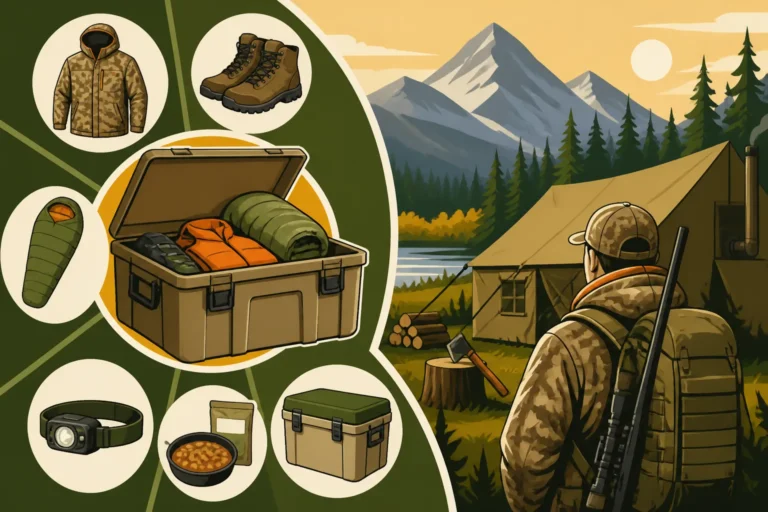
- Gear Selection: Layering systems are critical. You need to be prepared for everything from mild conditions to deep cold, rain, and snow, often within the same week.
- Animal Behavior: Extreme weather can push animals to different areas, alter their feeding patterns, and make them incredibly difficult to locate.
- Travel and Logistics: Icy roads, heavy snow, or even unexpected warmth (leading to muddy conditions) can significantly impact travel times and access to hunting areas.
If you're planning a trip outside of the mildest autumn weeks, it's absolutely essential to consult resources like Hunting Alberta Winter Weather Safely and pack for the worst-case scenario.
The Sheer Scale of Distances and Logistics
Alberta is not a small place, and the distances between towns, hunting areas, and services can be immense. What looks like a short drive on a map can easily turn into several hours on gravel roads or even extended travel into remote areas with no cell service.
This vastness means:
- Extended Travel Times: Factor in significant driving time, especially if you're trying to hunt multiple areas or species.
- Vehicle Requirements: A reliable 4×4 vehicle is often a necessity, particularly if you plan to access Crown land or remote areas.
- Fuel and Supplies: Opportunities to refuel, grab groceries, or find a hotel can be few and far between once you leave major centers. You need to be self-sufficient and plan ahead for everything from water to emergency supplies.
- Remote Communication: Cell service is spotty to non-existent in many prime hunting regions. Satellite communication devices like Garmin inReach or Zoleo are not just conveniences; they're essential safety tools.
Underestimating these logistical challenges can easily derail a hunt, turning an exciting adventure into a frustrating ordeal.
The Outfitter Partnership: More Than Just a Booking
For non-resident aliens, the outfitter is not merely a service provider; they are your gateway to hunting in Alberta. Understanding this relationship and the process of booking a hunt is critical.
It's Not Just About Booking, It's About Vetting
Many non-residents treat booking an outfitter like buying a product online, focusing solely on price and advertised trophies. However, choosing the right Alberta outfitter is a much more nuanced decision. This isn't just about finding someone with a good website; it's about finding a reputable professional who aligns with your hunting style and expectations.
You need to ask critical questions about:
- Experience and Reputation: How long have they been in business? What are their references like? Look for consistent positive feedback, not just a few glowing testimonials. Websites like BookYourHunt or GoHunt can be good starting points for initial research, but always follow up with direct conversations and reference checks.
- Specifics of the Hunt: What is the typical hunter-to-guide ratio? What kind of accommodations are provided? What's the average shot distance? What kind of physical shape should you be in for this particular hunt?
- Inclusions and Exclusions: Is meat processing included? Does the price cover taxidermy prep? What about airport transfers? Being clear on What an Alberta Guided Hunt Costs and what's included will prevent nasty surprises.
- Ethical Practices: A good outfitter prioritizes ethical hunting, fair chase, and conservation. They should be transparent about their practices and respect the land and wildlife.
Taking shortcuts here can lead to a disappointing experience. Spend the time to properly vet your outfitter, using resources and asking for references. We offer a deeper dive in Choosing the Right Alberta Outfitter.
Understanding Hunt Packages and Costs
The sticker price of a guided hunt can be a shock to non-residents, and even then, many fail to realize what isn't included. An Alberta guided hunt is an investment, and understanding its components is key.
A "package price" typically includes the guide's service, lodging (which can range from a comfortable lodge to a remote wall tent or spike camp), and meals during the hunt. However, what often gets missed are the additional costs:
- Licences and Tags: You'll need to purchase your Alberta Wildlife Identification Number (WIN) card, a Wildlife Certificate, and specific species tags. These are separate from the outfitter's fee.
- Travel Costs: Flights, car rentals, and any pre- or post-hunt lodging are your responsibility.
- Trophy Fees: Some outfitters charge additional "trophy fees" if you harvest an animal of a certain size or if you want to hunt a second animal. Always clarify this upfront.
- Taxidermy and Meat Processing: While your outfitter might assist with field dressing, the costs for professional meat processing, caping for taxidermy, and shipping meat or antlers home are usually extra. Shipping Meat Home From Alberta can be a significant expense.
- Gratuities: Tipping your guide and camp staff is customary and expected. This can add a substantial amount to your overall trip budget. How Much to Tip an Alberta Guide is a question many non-residents struggle with.
- Taxes: Don't forget sales tax on the hunt itself and any services.
A comprehensive understanding of all potential expenses is crucial for a stress-free trip.
Realistic Expectations and Essential Preparation
Finally, many non-residents come to Alberta with grand visions but sometimes lack the grounded preparation needed to ensure a successful and enjoyable trip.
Setting Realistic Trophy Expectations
Alberta is renowned for its trophy-class animals – giant whitetails, heavy-horned mule deer, massive moose, and impressive elk. This reputation is well-deserved, and record-book animals are harvested here every year. However, it's a common mistake for non-residents to assume that every hunt guarantees a Boone and Crockett contender.
The reality is that hunting is hunting. Success rates vary, and even with a top-tier outfitter, fair chase hunting means there are no guarantees. Weather, animal movement, and your own shooting proficiency all play a role. While an outfitter will work tirelessly to put you on quality animals, setting a realistic expectation of harvesting a mature animal, rather than just a "world-record," will lead to a much more satisfying experience. The thrill of the hunt, the beauty of the landscape, and the camaraderie in camp are all part of the Alberta hunting adventure, regardless of antler size.
Physical Fitness: Beyond the Call of Duty
Unless you're planning a sedentary hunt from a blind over bait (and even those can involve strenuous packing), hunting in Alberta often demands a reasonable to high level of physical fitness.
- Mountain Hunts: Chasing bighorn sheep or mountain goat in the Rockies requires serious hiking, often at elevation, traversing steep and unforgiving terrain. Fitness for an Alberta Sheep Hunt is no joke.
- Foothills and Boreal Hunts: Pursuing elk or moose in the foothills or deep boreal forest can involve long days of walking through dense bush, climbing hills, navigating muskeg, and packing heavy meat out over challenging ground.
- Prairie Hunts: Even "flatter" prairie hunts for mule deer or pronghorn can involve extensive walking and stalking across miles of rough terrain, often in adverse weather conditions.
Many non-residents, used to easier access in their home states, are surprised by the physical demands. Investing in a pre-hunt fitness regimen will pay dividends in your comfort, safety, and ultimately, your success.
Pre-Trip Planning and Border Crossing Logistics
The amount of paperwork and planning required to hunt in Alberta as a non-resident, especially if you're bringing firearms, is substantial. Many hunters underestimate this or leave it to the last minute.
- Firearms Declaration: If you're bringing your own rifle or shotgun from the U.S., you'll need to complete a Non-Resident Firearm Declaration Form (Form RCMP 5589) in triplicate before you arrive at the border. This form acts as a temporary registration and will cost a fee. Failing to declare your firearms properly or bringing prohibited weapons can lead to serious legal trouble. Learn more about Transporting Firearms Into Alberta.
- Ammunition Limits: There are limits on the amount of ammunition you can bring into Canada.
- Required Documentation: Beyond your hunting licences, ensure you have a valid passport, any necessary visas, and proof of your hunter education.
- CWD Testing: Alberta has mandatory CWD (Chronic Wasting Disease) testing requirements for certain species in specific WMUs. You need to understand these rules, including when and where to submit heads, and how they impact transporting your trophy.
Start your planning months in advance. Verify all documentation, understand customs requirements, and confirm specific regulations with Alberta Fish and Wildlife. A well-prepared hunter is a successful hunter, and nowhere is this more true than when crossing international borders for your passion.
Common Non-Resident Hunting Misconceptions vs. Alberta Realities
Here's a quick comparison of some common beliefs vs. the ground truth in Alberta.
| Misconception | Alberta Reality |
|---|---|
| All hunting land is public and freely accessible. | Much of Alberta is private; permission is required. Crown land has specific access rules (e.g., PLUZ, grazing leases). |
| I can just hunt with my Alberta friend. | Non-resident Canadians need a hunter host, but non-resident aliens must use an outfitter for most big game. |
| I can buy any tag over the counter. | Many coveted species (elk, moose) are draw-only and largely reserved for residents or outfitter allocations, while sheep draws apply only in certain cases. |
| Alberta is mostly flat prairie. | Alberta has diverse terrain: mountains, foothills, boreal forest, parkland, and prairie. |
| The weather will be predictable. | Expect extreme variability; prepare for anything from warm sunshine to blizzards, even in spring/fall. |
| My guided hunt covers everything. | Licence fees, taxes, gratuities, meat processing, and trophy shipping are usually extra costs. |
| My outfitter guarantees a trophy. | Fair chase hunting means no guarantees; expect an honest effort, but success depends on many factors. |
| It's easy to bring firearms across the border. | A detailed Non-Resident Firearm Declaration Form (RCMP 5589) and specific rules are strictly enforced. |
| I can roam freely on Crown land with my quad. | Many Crown land areas (PLUZ) have specific rules for OHV use and designated trails. |
Disclaimer
This article is for general informational purposes only and does not constitute professional advice. Laws, prices and regulations vary by location and change over time. Consult a qualified professional for guidance on your specific situation.