Etiquette in a Hunting Camp
Hunting camp is more than just a place to sleep; it's a shared living space, often in close quarters, where mutual respect is the bedrock of a successful and enjoyable experience. Let's be honest, we've all been in a situation where someone's lack of consideration has grated on our nerves, especially when you're tired and focused on the hunt. This guide dives deep into the unwritten rules and practical etiquette that will help you be a great campmate and ensure everyone, from fellow hunters to the camp staff, has a fantastic time in Alberta's wild country.
The Golden Rule: Respect for Shared Space and Time
Managing Noise, Personal Gear, and Shared Facilities
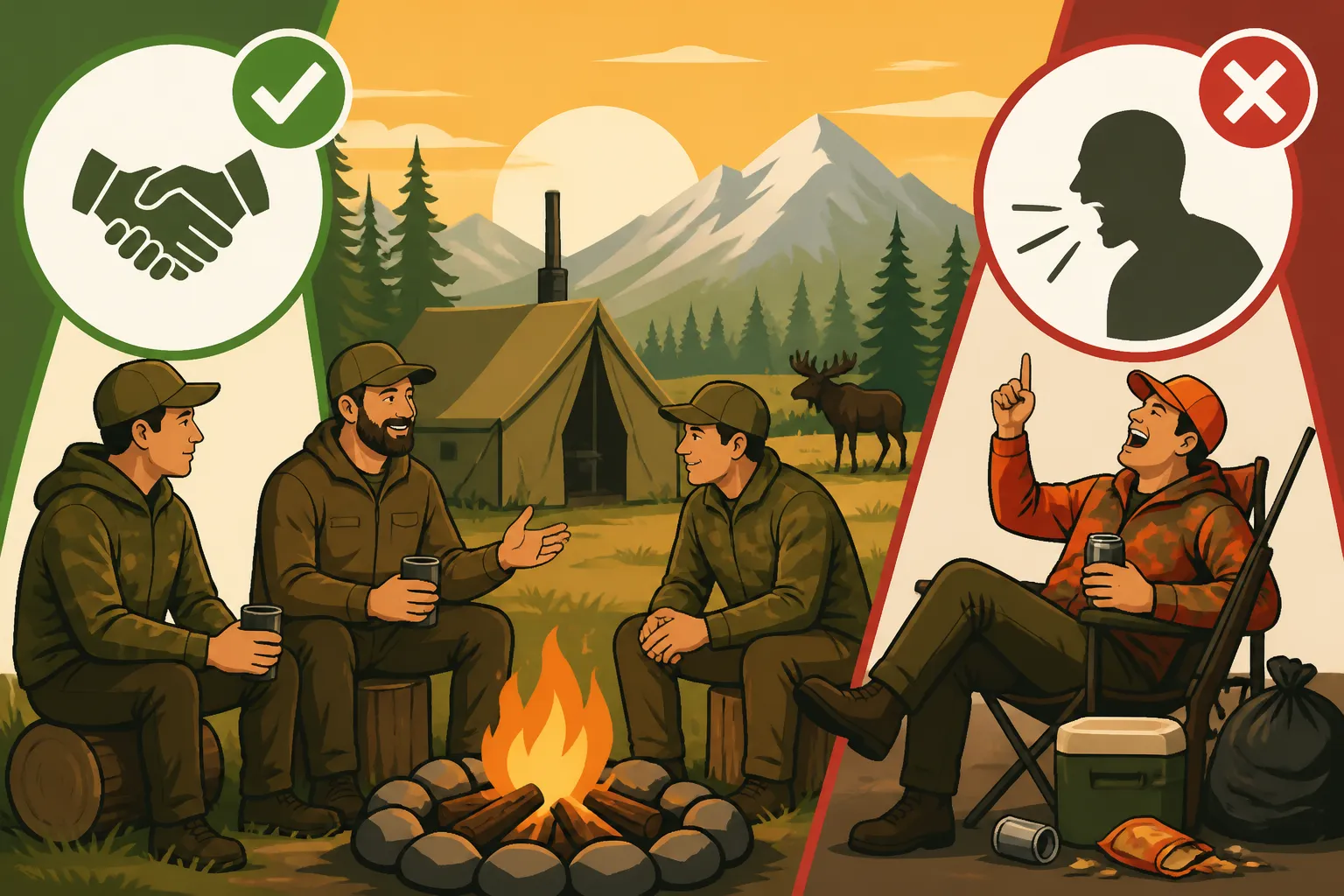
Hunting camp can feel like a home away from home, but it's crucial to remember it's a shared home, often with folks you might not know intimately before the trip. One of the biggest areas where friction can arise is around noise and personal space. Think about those early morning alarms – not everyone needs to be up at 4 AM, so keep your movements quiet, your headlamp beam low, and your packing as silent as possible. Similarly, after a long day in the field, some folks might want to socialize by the fire, while others are ready to hit the sack. Being mindful of quiet hours, especially in multi-person tents or cabins, goes a long way towards preventing unnecessary irritation.
Then there's the gear. Oh, the gear! Hunters accumulate a lot of it, and it can quickly take over a small space. We all have our systems, but in a communal setting, those systems need to adapt. Try to keep your personal belongings organized within your designated area, whether that's a corner of a wall tent or a specific bunk. No one enjoys tripping over someone else's boots in the dark on their way to the latrine or finding their communal coffee mug buried under a pile of damp clothes. A tidy camp isn't just aesthetically pleasing; it's safer and less stressful for everyone involved. Clutter can also make finding emergency gear harder in a pinch, so a clear space is a safe space.
Shared facilities, like outhouses, wash stations, or charging points for electronics, also demand attention. Always leave them cleaner than you found them, replenish supplies if you're the last one to use them, and be quick about your business if others are waiting. This isn't just about common politeness; it's about practical harmony when resources might be limited, especially in remote areas where water or power sources are scarce. Thinking about the next person ensures everyone gets to enjoy these conveniences without feeling put out.
Kitchen, Food, and Mealtime Manners
The camp kitchen is often the heart of the operation, especially on self-guided or hunter-hosted trips where everyone chips in. Even on fully outfitted trips, mealtime involves shared space and resources. If you're on a trip where you're expected to contribute to cooking or cleanup, jump in without being asked. There’s always something to do, whether it's washing dishes, chopping vegetables, fetching water, or wiping down surfaces. No one likes feeling like they're doing all the heavy lifting, and an extra hand is always appreciated.
Food storage is another consideration, especially when you bring your own snacks or treats. If you have personal items you don't intend to share, label them clearly to avoid accidental consumption. On the flip side, be respectful of communal food supplies. Don't hoard items or consume more than your fair share, especially if supplies are finite and resupply is a long way off. If you have specific dietary needs or allergies, make sure to communicate these well in advance to your outfitter or fellow hunters, so they can plan accordingly and avoid any health risks or unpleasant surprises.
Meal times themselves are a chance for camaraderie and storytelling. Engage in conversation, listen to others, and avoid dominating the discussion. It's a great opportunity to swap stories about the day, but remember that not everyone might want to hear every gory detail of your field dressing experience while they're trying to enjoy their stew! Simple things like waiting for everyone to be served before starting to eat, offering to pass items, and genuinely thanking the cook (whether it's a professional or a fellow hunter) can make a huge difference in fostering a positive atmosphere.
Contributing to Camp Chores and Firewood Supply
Every camp has chores, whether it's splitting firewood, fetching water, tidying communal areas, securing gear, or ensuring the camp is buttoned up for the night. Think of it as a team effort, not someone else's responsibility. If you see something that needs doing, and you have a moment, just do it. Don't wait to be asked. This proactive attitude is invaluable and makes you an absolute gem of a campmate. Many hands truly do make light work, and no one appreciates feeling like they're carrying the burden alone while others relax.
Firewood is often a critical resource, especially during colder Alberta seasons. If you're enjoying the warmth of the fire, make an effort to replenish the stack. This might mean gathering deadfall, splitting logs with an axe or splitter, or simply bringing in an armload from a larger pile if it's already processed. There's nothing worse than waking up on a frigid morning to an empty wood box and having to start your day with a chore in the biting cold. A shared understanding that "if you burn it, you replace it" ensures warmth and comfort for everyone throughout the trip.
Leaving the camp better than you found it, or at least as good, is a principle of good outdoor ethics that extends directly to camp chores. This not only applies to leaving a physical space clean and organized but also contributes to the overall positive atmosphere for future users, or for the crew packing out. Being a willing contributor to the daily maintenance of camp life shows respect for the land, your fellow hunters, and the entire hunting experience, ensuring the continuity of enjoyment for all who follow.
Respecting the Hunt and Fellow Hunters' Journeys
Sharing Stories and Navigating Bragging Rights
Hunting camp is a natural place for stories. We all love to recount the day's events, the close calls, the amazing wildlife sightings, and of course, the harvest. Sharing these experiences is a huge part of the tradition and helps build bonds. However, there’s a fine line between sharing a great story and monopolizing the conversation or, worse, subtly one-upping everyone else. Listen actively when others are talking, and give them their moment in the spotlight; a good storyteller knows when to pause and invite others into the narrative.
When it comes to success, celebrate it genuinely, but perhaps not excessively. Someone else in camp might be having a tough hunt, dealing with missed opportunities, or just feeling the pressure of an unfilled tag. While you're thrilled with your big buck, avoid making others feel less successful by dwelling on the size of your antlers or the ease of your shot, especially if they’ve had a dry spell. Conversely, if you haven't filled your tag, avoid being a "negative Nancy" and dragging down the camp's morale. Focus on the positive aspects of the hunt – the camaraderie, the time spent outdoors, the lessons learned, and the anticipation of tomorrow.
Remember that hunting isn't always about the kill; it's about the entire experience, from the scouting to the pursuit to the processing. Respecting everyone's individual journey, regardless of whether they filled a tag or not, fosters a much more supportive and enjoyable environment. Whether you booked through a service like BookYourHunt or organized a private trip with friends, these social dynamics remain key to the overall success of the camp's atmosphere.
Offering Advice and Respecting Field Decisions
Sometimes, you'll see a fellow hunter or even a guide make a decision in the field that you might question. Perhaps they pass on a deer you would have shot, or they opt to wait out a storm when you'd prefer to push on. Unless it's a direct safety issue, it's generally best to keep your unsolicited advice to yourself. Everyone has their own hunting style, their own objectives, their own comfort level, and their own reasons for making a call. Backseat guiding, even with the best intentions, can be frustrating, undermining, and create tension that no one needs during a focused hunt.
If someone specifically asks for your input or a second opinion, offer it thoughtfully and humbly. Frame your suggestions as possibilities rather than commands, and always acknowledge their primary decision-making role. For example, instead of saying, "You should have waited another hour for that buck," try, "It sounds like a tough call, sometimes waiting just a bit longer can pay off if the conditions are right." The guide's word, especially, is gospel in their domain. They know the area, the animals, and the safety protocols better than anyone. Respect their expertise and decisions, as it's often based on years of experience.
On guided hunts, the guide is the leader. Their job is to put you in a position for success, but also to make calls based on safety, animal behaviour, and local conditions. Trust their judgment. If you have concerns, voice them privately and respectfully, rather than challenging them in front of others or expressing doubt publicly. This professional respect helps ensure a smooth operation for everyone, and often prevents miscommunications that could impact the hunt.
Navigating Success, Failure, and Emotional Support
Hunting, by its very nature, involves immense highs and profound lows. The elation of filling a tag can be immense, a culmination of effort and anticipation. But the disappointment of a missed shot, a blown stalk, or simply not seeing game for days can be equally profound. In camp, it’s important to share in both these emotions in a constructive way. When someone has success, offer genuine congratulations. Help them with the work of field dressing, packing out, and caring for the meat if they need it. A quick "congrats, awesome animal!" goes a long way to show your support.
Conversely, if a campmate or you are experiencing a tough hunt, offer understanding and encouragement. There’s nothing worse than feeling isolated in your frustration, especially when you've invested time and money. A simple "tough day, but that's hunting sometimes" or "tomorrow's another day, keep your chin up" can be incredibly supportive. Avoid dwelling on the negative or recounting all the reasons why someone might have failed, unless they explicitly ask for a post-mortem analysis. Often, just a listening ear and a shared campfire are all that's needed.
Remember, the goal for many is for everyone to have a memorable experience, not just to fill tags. A positive and supportive camp environment can make even the most challenging hunt feel worthwhile, turning potential frustrations into shared learning experiences. This collective emotional support can be just as valuable as the shared success, and sometimes even more so. Hunters who thrive in challenging conditions, like those who go Hunting Alberta Winter Weather Safely, understand the deep value of camp camaraderie.
Working Seamlessly with Your Guide or Outfitter
Clear Communication and Realistic Expectations
When you've invested in a guided hunt, whether it's for Elk Hunting Alberta's Foothills or chasing Moose Hunting Alberta's Boreal Forest, clear communication with your guide or outfitter is paramount. Before the hunt even begins, be transparent about your physical capabilities, your hunting experience, and your expectations. Do you want a trophy? Are you more interested in putting meat in the freezer? How far are you willing to hike or ride horseback? The more information you provide, the better your guide can tailor the experience to you, and the less likely misunderstandings will arise. Don't be shy about asking questions beforehand about what's included and what's not, or what kind of terrain to expect.
During the hunt, listen attentively to your guide's instructions. They know the terrain, the animal behaviour, and the local regulations, like those for Legal Firearms and Bows for Big Game. If you don't understand something, ask for clarification immediately. It's much better to ask a "dumb" question than to make a mistake in the field due to misunderstanding, which could jeopardize safety or a shot opportunity. Providing respectful feedback is also important; if something isn't working for you, or you have a concern, bring it up with your guide in a calm, constructive manner, ideally in private, not in front of other clients.
Remember, a guide's primary goal is your safety and success, but they aren't magicians. They can't guarantee a trophy animal, only opportunities. Having realistic expectations, especially about things like unpredictable weather, animal numbers, and your own shooting abilities, will lead to a much more satisfying experience. An outfitter can only work with the cards they are dealt by nature, and understanding that is part of being a good client. What Outfitters Provide in Camp will also help you set your expectations.
Understanding the Role of Tipping and Gratitude
Tipping is a common practice in the service industry, and hunting guides and camp staff are no exception. It’s an important way to show your appreciation for their hard work, long hours, and dedication to your hunt. Knowing the customary tipping practices beforehand can save you awkward moments at the end of the trip. Generally, a percentage of the hunt cost is suggested for guides, with separate, smaller amounts often given to cooks and general camp staff. Don't forget that these folks often work incredibly hard behind the scenes to make your experience smooth and comfortable, sometimes enduring the same harsh conditions as the hunters.
Beyond monetary tips, expressing genuine gratitude goes a long way. A sincere "thank you for everything" or a specific compliment about a guide's effort or a cook's delicious meals is always appreciated. These individuals pour their heart and soul into creating a memorable experience for you, and acknowledging that effort builds positive relationships. If you're wondering about specifics, articles like Tipping an Alberta Guide or Tipping the Cook and Camp Staff can offer more detailed guidance on expectations.
Think of tipping not as an obligation, but as a recognition of excellent service and hard work. It shows you value their expertise, the physical demands of their job, and the immense effort they put into scouting, preparing camp, guiding, and ensuring your comfort. This mutual respect is key to a successful partnership, and a guide who feels appreciated is more likely to go the extra mile for you. Consider the overall What an Alberta Guided Hunt Costs and how tipping fits into that investment.
Respecting Their Expertise and Decisions
Your guide is a professional with a wealth of local knowledge, animal behaviour insights, and critical safety training. Respecting their expertise and decisions, even if you don't always agree with them in the moment, is crucial for a productive and safe hunt. They've likely spent countless hours in the field, observed animal patterns specific to the area, and understand the nuances of the specific WMU you are hunting, whether you found them on a platform like GoHunt or BookYourHunt.
This means following their instructions promptly and without argument, especially when it comes to shot placement, safety protocols, or stalking strategy. If a guide tells you to stop, stay put, or prepare for a shot, do it immediately. They often have a broader perspective or see something you might not, and their calls are almost always made with your best interest and the success of the hunt in mind. Challenging their authority in the field can not only create dangerous situations but also blow precious opportunities.
Remember, the outfitter or guide is ultimately responsible for your experience from start to finish, including your safety. They manage complex logistics, ensure compliance with regulations, and navigate the intricacies of the landscape and its wildlife. Trusting their judgment, within reason, is a cornerstone of a good client-guide relationship. This mutual respect makes for a much smoother and more enjoyable hunt for everyone involved, paving the way for a successful outcome whether it's Whitetail Hunting in Alberta or Black Bear Hunting in Alberta.
Camp Safety and Environmental Stewardship
Essential Firearm and Hunting Implement Safety
Safety is paramount in any hunting camp, and proper handling of firearms and bows is non-negotiable. The number one rule is always to treat every firearm as if it's loaded, regardless of whether you just opened the action. In camp, all firearms should be unloaded, actions open (or bolt removed), and stored securely in their cases or a designated area. Never, under any circumstances, bring a loaded firearm into a tent or communal cooking area. Designate a specific, safe area outside camp, with a good backstop, for loading, unloading, and checking your rifle or bow before heading out or upon return. This practice prevents accidental discharges and ensures everyone's peace of mind.
When cleaning your rifle, do it in a location where any solvents or debris won't contaminate food prep areas, other people's gear, or sensitive natural areas. Be mindful of the direction your muzzle is pointing at all times, even with an unloaded firearm – always in a safe direction. For archers, broadheads should always be covered or kept in a quiver when not actively hunting, and dry firing a bow in camp should be avoided as it can damage the bow or injure someone if there’s a malfunction. A single moment of carelessness can have devastating consequences, so always prioritize safety above all else. Reviewing Legal Firearms and Bows for Big Game regulations is a good practice.
Remember that not everyone in camp may have the same level of comfort around firearms, even if they are hunters themselves. Being overly cautious and respectful of others' space and feelings around hunting implements contributes significantly to a safe and relaxed atmosphere. Common sense and unwavering adherence to fundamental firearm safety rules are crucial for the well-being of the entire hunting party.
Waste Management and Leaving No Trace Ethics
The principle of "Leave No Trace" is absolutely vital in any outdoor activity, and hunting camp is no exception. Everything you pack in must be packed out – and that includes all garbage, food scraps, and even spent casings. Don't leave bits of plastic, foil, empty wrappers, or food waste scattered around camp. These items not only deface the natural environment but can also attract unwanted wildlife, creating safety hazards and potentially habituating animals to human food, which can lead to negative encounters.
Proper disposal of organic waste, like gut piles or uneaten meat, also requires careful thought, especially in bear country. Consult with your guide or camp manager on designated areas for this, usually well away from camp, water sources, and common travel routes, to minimize attractants. For human waste in remote or backcountry camps, proper digging of cat holes well away from water sources and trails, or using designated facilities like pit toilets, is essential for hygiene and environmental protection. Learning about proper Meat Care in Alberta's Cold and Warm Swings extends to handling waste.
Taking pride in leaving your camp and the surrounding area in pristine condition, or even better than you found it, is a mark of a true outdoors person. This commitment to environmental stewardship ensures that these beautiful Alberta hunting grounds remain healthy, clean, and accessible for future generations of hunters and outdoor enthusiasts.
Wildlife Encounters and Secure Camp Practices
Hunting in Alberta often means you're deep in wildlife country, and sometimes that wildlife comes right into camp, uninvited. Keeping a "clean camp" is your best defense against unwanted visitors like bears, coyotes, foxes, or even rodents. All food should be stored securely in bear-proof containers, sturdy coolers, or locked vehicles, well away from sleeping areas. Scented items like toiletries, cooking sprays, and even some medications should also be stashed away where animals can't access them. Never leave food unattended outside, especially overnight, as nocturnal animals are particularly opportunistic.
Be aware of your surroundings and any signs of wildlife activity near camp, such as fresh tracks, scat, or rubbed trees. If you're in bear country, know the protocols: carry bear spray on your person, make noise when moving around camp or on trails, and report any sightings to your guide or camp manager immediately. Wildlife Safety in Alberta Bear Country offers critical advice on how to handle these situations, emphasizing prevention and preparedness. Proactive measures, rather than reactive ones, are key to preventing conflicts that could be dangerous for both humans and animals.
Securing camp also involves small things, like ensuring tent zippers are closed all the way, cooler lids are latched, and garbage is always contained in sealed bags within secure containers. These seemingly minor details contribute significantly to the overall safety and comfort of everyone in camp. A secure camp is a safe camp, allowing everyone to focus on the hunt rather than worrying about unexpected visitors. It's all part of the outdoor experience, and respecting the wildlife means taking responsibility for our interactions with them. Additionally, having a plan for unforeseen events, as discussed in Emergency Plans in Alberta's Backcountry, should always be part of your camp routine.
Summary of Camp Etiquette
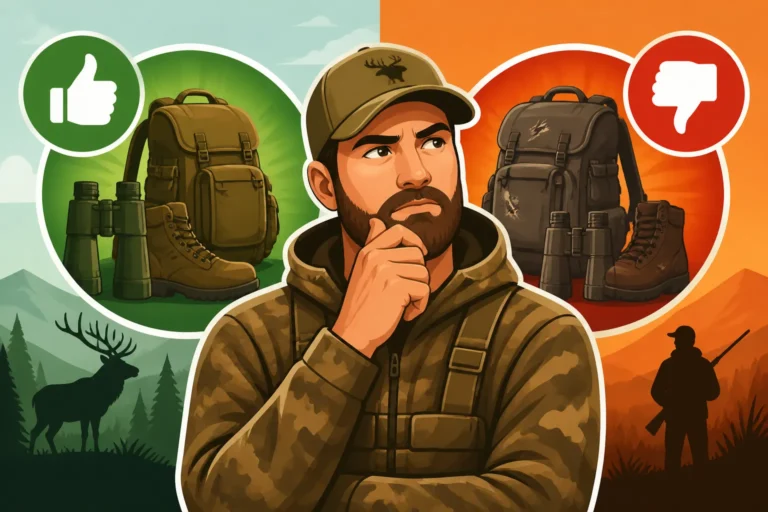
| Aspect of Camp Life | Good Etiquette | Poor Etiquette |
|---|---|---|
| Noise & Quiet Hours | Move quietly, keep volume low, respect sleep schedules. | Slam doors, talk loudly late at night, blast music. |
| Personal Gear | Organize gear in your designated space, keep paths clear. | Leave gear scattered, take up more than your share of space. |
| Kitchen & Food | Help with chores, clean up after yourself, share communal food fairly. | Leave dirty dishes, consume others' snacks, make special demands. |
| Camp Chores | Proactively help with wood, water, and general tidying. | Wait to be asked, avoid chores, assume someone else will do it. |
| Hunting Stories | Listen attentively, share genuinely, celebrate others' success. | Monopolize conversation, exaggerate, diminish others' hunts. |
| Field Decisions | Respect guide/fellow hunters' choices, offer advice only when asked. | Backseat guide, openly criticize decisions, argue with the guide. |
| Success/Failure | Congratulate successes, offer support for disappointments. | Brag excessively, mock missed shots, complain constantly. |
| Guide Communication | Be clear about expectations, listen, give constructive feedback. | Be vague, ignore instructions, argue or challenge openly. |
| Tipping | Research customary tips, offer gratitude for hard work. | Neglect to tip, express ingratitude, act entitled. |
| Firearm Safety | Unload and secure firearms, keep muzzles pointed safely. | Leave firearms loaded, point unsafely, clean in communal areas. |
| Waste Management | Pack out all trash, dispose of organic waste properly. | Leave litter, scatter food scraps, disregard LNT principles. |
| Wildlife Safety | Store food securely, be bear aware, report sightings. | Leave food out, ignore attractants, be oblivious to surroundings. |
Disclaimer
This article is for general informational purposes only and does not constitute professional advice. Laws, prices and regulations vary by location and change over time. Consult a qualified professional for guidance on your specific situation.