Hunting Bear on a Green Cutline in June
When spring turns to summer in Alberta, many hunters find themselves scratching their heads, wondering where the black bears have gone. They were so visible around fresh bait sites in May, but come June, it feels like they’ve vanished into thin air. The truth is, the landscape changes, and so do the bears' feeding habits. This guide is all about honing in on a highly effective June strategy: hunting black bears on those vibrant, green cutlines that crisscross Alberta's forests, offering a unique opportunity for a successful spot-and-stalk hunt.
The Allure of Green Cutlines for June Bears
As the days get longer and warmer, the dense forest floor quickly greens up, offering an abundance of forage. But for bears, especially in early summer, certain areas become particularly attractive, and green cutlines are often at the top of that list. Understanding why these linear clearings are so appealing is the first step to finding success.
Understanding Bear Behavior in Early Summer
After emerging from their dens, black bears are driven by one primary instinct: to replenish the fat reserves lost over winter and build new ones. In May, they're often focused on the first green shoots and carrion, and bait sites can be highly effective because natural food sources are still somewhat limited. But by June, the entire landscape is bursting with life, and their diets shift. They're still looking for high-protein, easily digestible plants, but also starting to seek out berries, insects, and even some small mammals. They become more nomadic, covering wider areas in search of these scattered food sources. This is why a strategy focused on areas with concentrated food sources becomes crucial.
They're also becoming more active, moving more freely during daylight hours, especially in the cooler parts of the day. Unlike the early spring when they might be found anywhere the snow has melted and green has appeared, June sees them developing more defined patterns as specific food sources become ripe. Thinking about What Bears Eat in Spring really helps understand this seasonal transition; by June, they're moving beyond simple grasses to more nutrient-dense options.
The Nutritional Value of Early Green-Up
Green cutlines, especially those that have been undisturbed for a few years, often act like linear greenhouses, nurturing a rich buffet of plants that bears absolutely love. These areas typically see more sunlight penetration than the dense forest, encouraging lush growth. You'll find a variety of tender shoots, clovers, vetches, and often the early stages of berry-producing plants like saskatoons or buffalo berries. These plants are packed with essential nutrients and sugars that bears need for rapid weight gain.
Consider the sheer volume of forage available on a long, wide cutline compared to the dappled, sparse growth under a thick canopy. It's like a bear-sized salad bar, continually regenerating with fresh growth. The variety of plants available often means bears can graze efficiently, moving slowly down a line, getting a diverse diet in one concentrated area. This is a key reason Why Bear Numbers Are High in the Boreal often correlates with areas of extensive cutline networks.
How Cutlines Offer Prime Habitat
Beyond just food, cutlines provide several other benefits that make them ideal black bear habitat. They offer clear travel corridors, allowing bears to move efficiently between different feeding areas or bedding sites. The edges of cutlines also provide excellent cover; a bear can be grazing openly but be just a few feet from the dense timber, offering a quick escape route if disturbed. This combination of food, ease of travel, and nearby security cover makes them irresistible.
Think of an old seismic line that's softened over with lush vegetation – it's a perfect blend of openness for feeding and observation, with immediate proximity to the safety of the bush. These linear features often connect different habitat types, like a boggy area with highbush cranberries to a drier upland ridge with a patch of aspen. This creates a natural highway for bears moving through their territory. They're also often warmer due to increased sun exposure, which can be appealing to bears after a cool spring night, allowing them to bask and warm up before foraging intensely.
Locating and Scouting Productive Cutlines
You can't just pick any cutline and expect to find bears. Some are absolute goldmines, while others are barren. The key is knowing how to effectively scout, both from your couch and on the ground, to identify the most promising spots.
Utilizing Maps and Aerial Imagery
Before you even tie on your boots, spend some serious time with maps and aerial imagery. Digital tools are a game-changer here. Platforms like GoHunt, for instance, are incredibly useful for identifying cutline networks, pipeline rights-of-way, and other linear features that dissect the landscape. Look for cutlines that appear to have diverse vegetation, especially those that run through different forest types or connect varying terrain features.
Pay close attention to where cutlines intersect with water sources, recent burns, or areas of deciduous growth, as these junctions often concentrate wildlife. Use the mapping tools to trace long lines, identifying potential access points and areas that might hold the most promise based on vegetation appearance. Don't just look for "green"; look for variations in green, indicating different plant species that might be more palatable to bears. Many hunters find that Scouting With Satellite Imagery in Alberta before hitting the field saves immense time and effort, letting them prioritize the most likely areas.
Identifying Key Forage Species
Once you've narrowed down some potential cutlines on your map, it's time to hit the ground and identify the specific forage species present. Bears aren't eating just any green plant. They seek out nutrient-dense options. Look for clovers, vetch, wild strawberries, dandelions, and the emerging leaves of saskatoons or other berry bushes. In wetter sections of the cutline, skunk cabbage or sedges might be present. These are the kinds of plants that signal a high-quality food source.
Knowing your local flora is critical. Spend some time learning to identify these plants, and understand their growth cycles. If a cutline is dominated by less palatable species, or if the growth is sparse, it's probably not going to hold bears. The more diverse and lush the edible vegetation, the higher your chances of finding a bear grazing there. A helpful way to gauge the potential is to look for areas with a mix of soft, early-season greens, indicating a prolonged food source throughout June.
Reading Bear Sign on the Ground
Even with the best maps and knowledge of forage, nothing beats boots-on-the-ground scouting for confirming bear activity. As you walk or drive cutlines, keep your eyes peeled for fresh bear sign. Look for scat – its contents will tell you exactly what they're eating, often revealing a diet of plants and insects. Fresh tracks in soft ground or mud are also a dead giveaway. Look for overturned rocks or torn-up stumps, indicating bears digging for grubs and insects.
Also, observe the vegetation itself. Are there areas where plants have been nipped or flattened? Are berry bushes showing signs of browsing? Fresh sign, especially early in the morning or late in the evening, indicates a bear is actively using that specific cutline. Remember, a cutline can be miles long, so focus your hunting efforts on the sections where you find the freshest and most concentrated sign. This active scouting is essential, much like Reading Whitetail Sign in Alberta Aspen Bluffs helps you pinpoint deer activity, bear sign guides you to their dining areas.
Effective Hunting Strategies for Cutlines
Hunting black bears on green cutlines is largely a game of patience, stealth, and observation. It's a classic spot-and-stalk scenario that requires attention to detail and a methodical approach.
Mastering the Spot-and-Stalk Approach
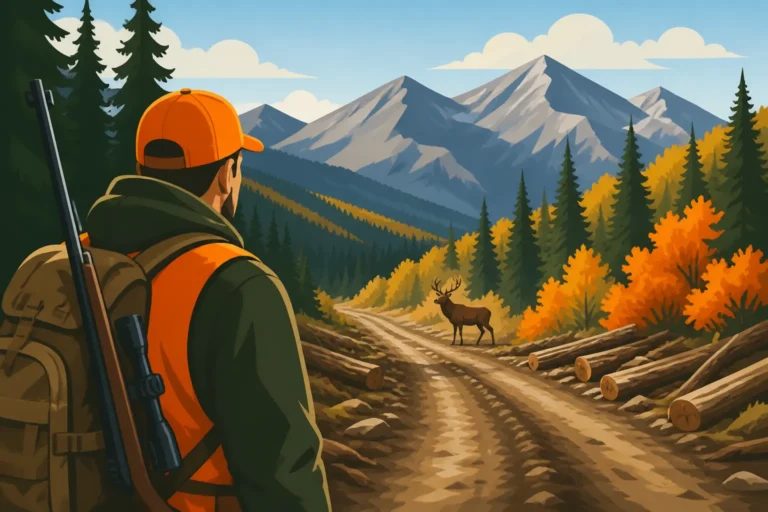
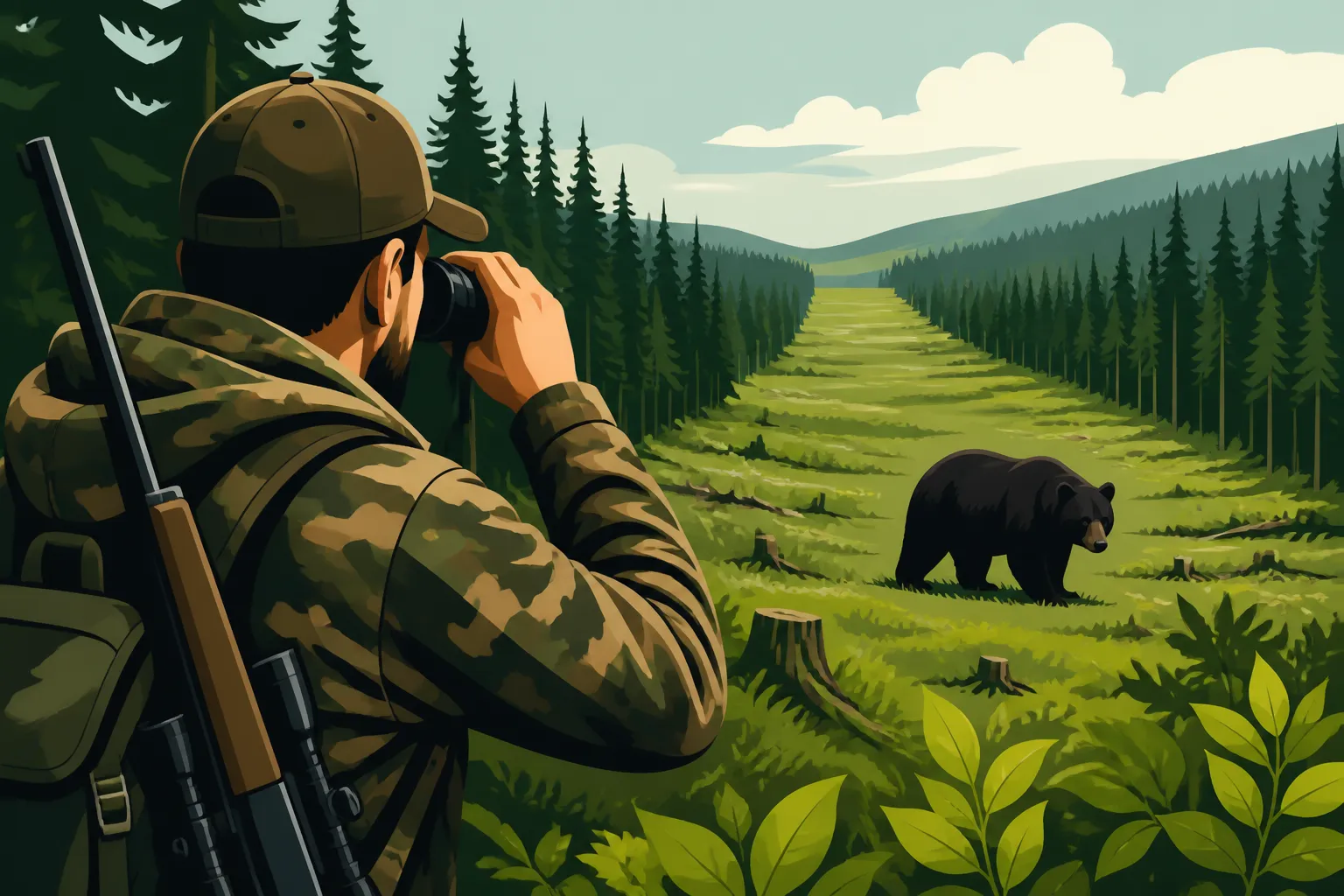
The beauty of hunting green cutlines is the opportunity for a classic spot-and-stalk hunt. This often involves driving slowly, or even walking, glassing long sections of a cutline with good binoculars or a spotting scope. The key is to be incredibly patient. Bears often graze slowly, stopping to dig or lie down. They can blend surprisingly well with the shadows and vegetation. When you spot a bear, resist the urge to rush. Take your time, observe its behavior, and plan your approach.
Consider using natural cover on the edges of the cutline to conceal your movements. Move slowly, deliberately, and always be aware of the wind. A good pair of binoculars, like those from Zeiss or Swarovski, are invaluable for picking apart the distant vegetation. This method gives you the best chance to get into an ethical shooting position and, just as importantly, to accurately Judging a Boar From a Sow With Cubs to ensure you're making the right decision before taking a shot.
Wind Direction and Scent Control
This might sound obvious, but wind is king when hunting any animal, and bears are no exception. Their sense of smell is legendary, far surpassing a bloodhound's. If a bear catches your scent, your hunt is over before it begins. Always hunt with the wind in your favor, blowing your scent away from where you expect bears to be. This means constantly checking wind direction and being prepared to adjust your approach or even abandon a stalk if the wind shifts unfavorably.
Scent control is also paramount. Wear clean hunting clothes, use scent-eliminating sprays, and avoid strong-smelling foods or colognes. Even a slight breeze carrying your scent can spook a bear at a considerable distance. If you're on a long cutline, sometimes you might have to walk a significant distance into the wind just to position yourself for a stalk, especially if you're Hunting a Cutline Intersection for Whitetails or bears, where swirling winds are common.
Timing Your Hunt for Peak Activity
Black bears are most active during the cooler parts of the day, particularly early morning and late evening. During June, with longer daylight hours, this means getting out before sunrise and staying out until well after sunset. The midday heat often drives bears into the shade of the dense timber to rest, only for them to emerge again as temperatures drop. Focus your efforts during these prime feeding times.
On overcast or rainy days, bears might be active for longer periods throughout the day, as the cooler temperatures and reduced sunlight make for more comfortable foraging. Pay attention to weather patterns and adjust your hunting schedule accordingly. Being in your spot, ready to glass, as the first rays of sun hit the cutline or as the evening shadows lengthen, will significantly increase your odds of encountering a bear.
| Forage Type | Typical Location on Cutline | Bear Appeal | Best Season for Consumption |
|---|---|---|---|
| Clover & Vetch | Open, well-lit sections, often disturbed ground | High protein, easily digestible, fast growing | Spring to early Summer |
| Wild Berries (buds) | Edges of treeline, slightly sheltered areas | High sugar and carbohydrates, precursors to later fruit | Late Spring to Mid-Summer |
| Dandelions | Any open, sunny patch | Early green, high in vitamins, very common | Early Spring to Early Summer |
| Skunk Cabbage/Sedges | Wet, boggy depressions, drainage areas | Early green, high moisture content, distinct smell | Early Spring to Mid-Summer |
| Grubs & Ants | Under logs, overturned rocks, stumps, disturbed soil | High protein, essential fat source | All seasons, but active in June |
Safety, Ethics, and Regulations
Hunting bears, especially in areas where they are concentrated, comes with inherent responsibilities. Ensuring your safety, upholding ethical hunting practices, and adhering strictly to regulations are paramount.
Essential Bear Safety Protocols
While black bears are generally not aggressive, they are wild animals, and caution is always warranted. Carry bear spray and know how to use it. Make noise as you walk, especially when moving through dense cover, to avoid surprising a bear at close range. If you encounter a bear, assess the situation calmly. Most black bears will flee if they detect a human. If one stands its ground, make yourself look big, make noise, and slowly back away. Never run.
Be especially vigilant if you spot cubs. A sow will be highly protective. This is where Wildlife Safety in Alberta Bear Country becomes incredibly important. Knowing the difference between a curious bear and a defensive one, and how to react to each, can literally be a lifesaver. Hunting partners are also a great safety measure, as an extra set of eyes and ears can make a big difference.
Ethical Shot Placement and Animal Recovery
When it comes to hunting, ethical shot placement is non-negotiable. For black bears, aiming for the lung-heart vital area is critical for a quick, humane harvest. This typically means aiming slightly behind the shoulder, in the lower third of the body. Avoid headshots, as these are often unreliable and can lead to a wounded animal. Wait for a broadside or slightly quartering-away shot when the bear is calm and still.
After taking a shot, if the bear doesn't drop immediately, give it time. If possible, watch or listen to its escape route. Bears can travel a surprising distance, even when mortally wounded. Waiting 30 minutes to an hour before beginning to track allows the bear to expire, preventing a dangerous encounter with a wounded animal. Always mark your last point of sight and the location of the shot. Recovering your animal swiftly and efficiently is an ethical imperative. Proper meat care, especially as temperatures rise in June, is also vital to prevent spoilage, so understanding things like Meat Care in Alberta's Cold and Warm Swings is always beneficial.
Navigating Alberta's Bear Hunting Regulations
Before you even step foot into the woods, ensure you are fully aware of Alberta's current hunting regulations for black bears. This includes season dates, bag limits, and specific rules for the Wildlife Management Unit (WMU) you intend to hunt. Black bear seasons can vary by WMU, so always double-check the Alberta Regulations online. For instance, some WMUs might have a fall season, while others have robust spring and fall opportunities. You can find detailed information on Alberta Bear and Cougar Seasons in the official regulations.
You'll also need the appropriate licences – an Alberta Wildlife Certificate and a black bear licence. Be aware of any rules regarding baiting (cutline hunting is typically spot-and-stalk, but baiting rules are different) and always carry your licences and ID with you. Understanding Alberta's Hunter Host Rule is also critical if you're a non-resident. Regulations change, so always consult the most current Alberta Hunting Regulations Guide each year to ensure compliance.
Disclaimer
Please note that hunting regulations, seasons, and access rules in Alberta can change. Always consult the most current Alberta Hunting Regulations Guide published by the provincial government before planning any hunting trip. This guide provides general information and should not replace official sources. It is your responsibility as a hunter to know and follow all applicable laws and regulations.