Non-Toxic Shot for Alberta Waterfowl
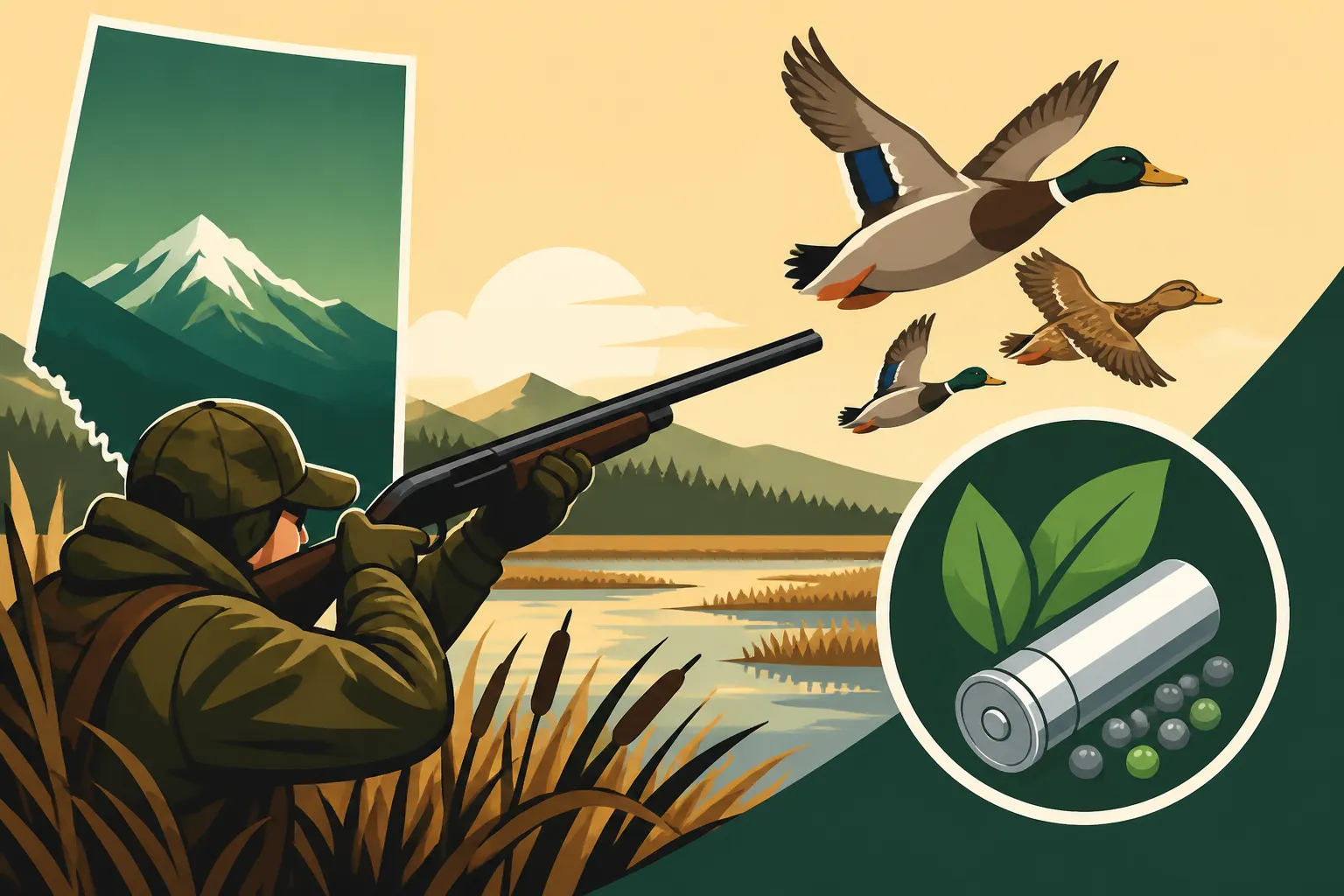
The crunch of frost underfoot, the crisp dawn air, and the anticipation of ducks cupping their wings over decoys — these are the moments waterfowlers live for in Alberta. But amidst the excitement, one crucial detail often trips up even seasoned hunters: the requirement for non-toxic shot. It's not just a suggestion; it's a non-negotiable rule that can lead to significant penalties if ignored, and understanding the nuances of why and how to comply is vital for any ethical hunter. This guide will walk you through everything you need to know about non-toxic shot for waterfowl hunting in Alberta, from its ecological importance to practical tips for selecting and using the right ammunition.
Why Non-Toxic Shot is Mandatory for Waterfowl in Alberta
It can feel like just another rule, another expense, another hoop to jump through, but the mandate for non-toxic shot when hunting waterfowl and migratory game birds in Alberta is rooted in deep scientific understanding and a commitment to long-term conservation. This isn't about making your life harder; it's about protecting the very environment and wildlife we cherish.
The Environmental Impact of Lead
For generations, lead shot was the standard for hunting. It's dense, inexpensive, and performs well. However, what we’ve come to understand is that lead is also a potent neurotoxin, and when it's scattered across wetlands, fields, and waterways, it doesn't just disappear. Waterfowl, being dabblers and bottom feeders, often ingest spent lead pellets while foraging for food and grit. They mistake these shiny, dense pellets for seeds or small stones, which they need to help grind food in their gizzards.
Once ingested, the lead slowly breaks down in their digestive system, leaching into their bloodstream. The effects are devastating. Lead poisoning in birds can lead to paralysis, muscle wasting, impaired digestion, neurological damage, and ultimately, a slow, agonizing death. It's a silent killer that can wipe out entire groups of birds, and it's particularly insidious because it's not always immediately obvious. We're not just talking about a single duck; the accumulation of lead in the environment affects numerous species, from the smallest teal to large Canada geese, and even raptors and scavengers like eagles, hawks, and coyotes that might feed on lead-poisoned waterfowl carcasses. This is known as secondary poisoning, and it creates a dangerous ripple effect throughout the entire ecosystem, including affecting other species found in Alberta's diverse landscapes.
Regulatory Evolution and Conservation Goals
The recognition of lead's detrimental impact led to a significant shift in hunting regulations. In Canada, the use of non-toxic shot for hunting migratory game birds, including ducks, geese, and cranes, became mandatory in 1999, building on earlier regulations that phased it in. Alberta, aligning with these federal guidelines, ensures that all migratory bird hunters adhere to this crucial rule. This change wasn't made lightly; it was the result of extensive research and collaboration between wildlife biologists, conservation organizations, and government agencies like Environment and Climate Change Canada (ECCC) and Alberta Environment and Parks.
The primary goal of this regulation is simple: prevent lead poisoning in waterfowl and other wildlife. By eliminating a significant source of environmental lead, we help ensure healthier populations of ducks, geese, and the countless other creatures that share their habitats. This aligns perfectly with the broader conservation goals of sustainable hunting — ensuring that our hunting heritage continues for future generations by managing wildlife populations and their ecosystems responsibly. For those passionate about Waterfowl Hunting Alberta's Grain Fields or Pothole Hunting Ducks on Small Water, understanding this context isn't just about compliance; it's about being an informed, ethical steward of the land and its wildlife.
Understanding Your Non-Toxic Options
Stepping away from lead might feel daunting at first, especially with the sheer variety of non-toxic shot available on the market. But rest assured, modern ammunition technology has come a long way, offering excellent performance for even the most demanding hunting scenarios. It’s no longer a compromise; it’s just different, and with a little understanding, you can choose the perfect load for your hunt.
Steel Shot: The Workhorse of Waterfowlers
Steel shot is by far the most common and widely used non-toxic alternative, and for good reason. It’s readily available, generally the most affordable option, and performs admirably when matched with the right loads and shooting techniques. Steel is lighter than lead, meaning a pellet of the same size carries less energy. To compensate for this, steel loads typically use larger shot sizes and higher velocities to achieve similar knockdown power to lead. This increased velocity can mean a flatter trajectory, but it also changes how patterns behave.
One crucial aspect of steel is its hardness. Unlike soft lead, steel shot does not deform as it travels down the barrel or impacts a target. This rigidity means tighter patterns, which can be an advantage for consistent shot placement, but also means it can be harder on older, thinner-walled shotgun barrels or those with tight fixed chokes. Modern shotguns, especially those designed for waterfowl, are built to handle steel shot, often marked "steel shot approved." When it comes to chokes, modified or improved cylinder chokes are often preferred with steel, as full chokes can sometimes lead to excessive pressure or pattern deformation with hard steel shot. Choosing the right steel load for your Duck Daily Bag Limit by Species hunt involves considering shot size (larger for bigger birds like mallards or geese, smaller for teal), velocity, and your specific shotgun setup. You can find a huge variety of choices at your local Cabela's or Bass Pro Shops, but smaller independent retailers also often stock good options.
Beyond Steel: Specialized Alternatives
While steel is the undisputed champion of the budget-friendly, readily available non-toxic realm, other materials offer enhanced performance, often at a higher price point. These specialized alternatives can be game-changers for certain situations, longer shots, or simply for those who want the absolute best performance possible.
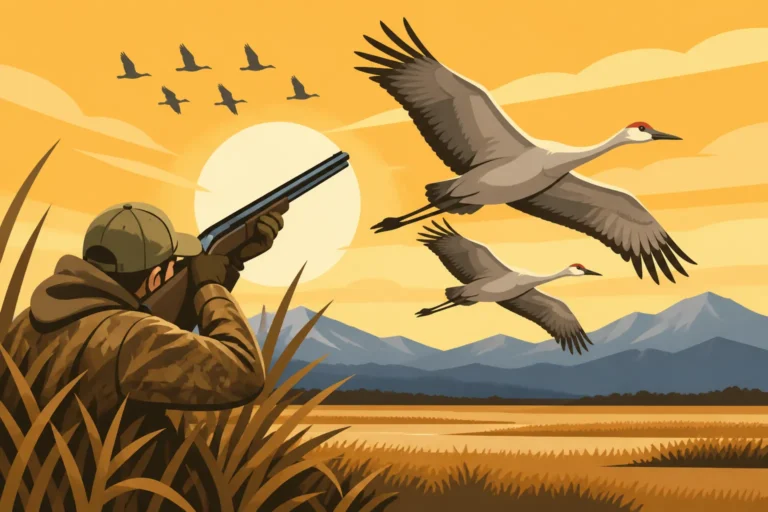
- Bismuth: This is often seen as the closest modern equivalent to lead in terms of density and malleability. Bismuth shot is softer than steel, which means it's generally safe for older shotguns and traditional fixed chokes that might struggle with steel. Its density allows for smaller shot sizes to achieve similar energy levels to lead, resulting in better pattern density and knockdown power, especially at extended ranges. Hunters chasing Hunting Alberta's Sandhill Crane Season or trying to reach high-flying geese often appreciate bismuth for its performance. Brands like Kent Cartridge and Boss Shotshells are popular for bismuth loads.
- Tungsten Alloys (e.g., Hevi-Shot, Apex Ammunition): These are the kings of density. Tungsten, or tungsten-based alloys, are significantly denser than lead, meaning even tiny pellets carry immense energy. This allows for incredibly effective patterns and knockdown power at longer distances, often exceeding what's possible with lead or steel. The downside? The price. Tungsten loads are considerably more expensive, often reserved for challenging hunts or for hunters who prioritize maximum performance above all else. They are generally safe for modern shotguns, but it's always wise to check the manufacturer's recommendations for your specific firearm. If you're looking for specialized ammunition, checking resources like GoHunt can help you locate suppliers or compare brands and their specifications. Their platform often aggregates product information and reviews, making it easier to find what you need for your specific hunting style.
Here's a quick comparison of common non-toxic shot types:
| Shot Type | Density (approx. relative to lead) | Hardness | Cost (relative) | Best Use Case |
|---|---|---|---|---|
| Lead | 1.0 (baseline) | Soft | Low | Illegal for waterfowl in Canada |
| Steel | 0.7 | Hard | Low | General waterfowl hunting, readily available |
| Bismuth | 0.9 | Medium | Medium-High | Longer range, older shotguns, improved knockdown |
| Tungsten | 1.1 – 1.3 | Hard | High | Extreme range, maximum knockdown, specialized hunts |
Shotgun Compatibility and Choke Selection
The transition to non-toxic shot, particularly steel, brought about a necessary evolution in shotgun design. Steel is harder than lead, and its lack of malleability means it doesn't compress as easily when passing through a choke. This can lead to increased pressure in the barrel and, in older shotguns, potential damage like bulging or ringing of the barrel, especially with tightly constricted chokes.
If you're hunting with an older shotgun (pre-1990s, generally), it's absolutely crucial to verify its steel shot compatibility. Many classic guns, especially those with fixed full chokes, are not rated for steel. Attempting to shoot steel through them can be dangerous and costly. Always consult your firearm's manual or a qualified gunsmith to confirm. For modern shotguns, most are designed to handle steel, but even then, it's wise to be mindful of your choke selection. For steel, a modified or improved cylinder choke often provides the best balance of pattern density and safety. These less restrictive chokes allow the hard steel pellets to pass through more smoothly, resulting in a more uniform pattern while minimizing wear and tear on your barrel. For denser alternatives like bismuth or tungsten, which are softer or designed with protective shot cups, you generally have more flexibility with chokes, but again, always refer to the ammunition and shotgun manufacturer's guidelines.
Practical Considerations for Hunting with Non-Toxic Shot
Beyond simply understanding the types of non-toxic shot, there are practical adjustments and considerations every waterfowl hunter in Alberta should embrace to ensure success and maintain ethical hunting practices. It’s not just about what goes in your gun; it’s about how you approach the hunt itself.
Adjusting Your Shooting Style
Switching from lead to non-toxic shot, especially steel, often requires a subtle but important adjustment to your shooting technique. Because steel is lighter for its size, it tends to have a different velocity profile and retains less energy over distance compared to lead. This means steel shot drops faster and has a slightly different pattern density. The key takeaway here is: pattern your shotgun with your chosen non-toxic loads before the season starts!
Patterning involves shooting at a large paper target at various distances (e.g., 20, 30, 40 yards) to see how your specific choke and load perform. This will show you exactly where your shot is hitting, how dense the pattern is, and if there are any gaps. You might find that you need to adjust your lead on birds slightly, or that your effective range has changed. For example, with steel, many hunters find that a 40-yard shot is their maximum ethical range, whereas with lead, they might have pushed it to 50 yards. Being honest about your effective range with your non-toxic loads is paramount for ethical hunting, minimizing cripples, and ensuring a clean kill. Practicing with your hunting loads in the off-season will make a huge difference when that flock of mallards suddenly commits to your spread.
Carrying the Right Ammunition
One of the biggest mistakes a hunter can make is mixing up their ammunition. It’s easy to do if you have multiple types of shells in your vest or bag, especially on those chilly, early morning hunts where everything feels a bit rushed. The rule is clear: when hunting migratory game birds in Alberta, you must use non-toxic shot. This applies to ducks, geese, and even Alberta Sandhill Crane Season Dates.
To avoid accidental violations, establish good habits. Keep your non-toxic waterfowl loads separate from any lead upland loads you might carry. Clearly label your shell boxes, or better yet, only bring the necessary non-toxic shells for your waterfowl hunt. Double-check your pockets before heading out. The penalties for using lead shot for migratory birds are severe, and ignorance is not a defense. Furthermore, ensuring you have the right shot for the conditions is also key. Are you Field Hunting Geese in Alberta Stubble where longer shots might be common, or are you jump-shooting small potholes? The type and size of non-toxic shot should match the specific hunting scenario for optimal performance and ethical harvesting. If you're unsure about the latest regulations or where to find specific non-toxic loads, online resources like GoHunt provide up-to-date information and can help you track down retailers or specific ammunition types. They're a valuable tool for modern hunters.
Field Performance and Ethical Hunting
The objective of any hunt is a clean, humane kill. With non-toxic shot, achieving this requires a keen understanding of your ammunition's capabilities and a commitment to ethical shot selection. Because steel and other non-toxic alternatives behave differently than lead, it’s vital to adjust your expectations and shooting discipline.
Steel shot, while effective, can sometimes require a pellet or two more on target due to its lighter density. This reinforces the need for proper patterning and understanding your effective range. Avoid "sky-busting" or takingHail Mary shots at birds far out of range. Such attempts often result in wounded birds that fly off to suffer, which is a disservice to the animal and our hunting heritage. Focus on decoying birds into close, ethical ranges. Work on your calling, camouflage, and decoy spreads to bring birds into the 20-35 yard sweet spot where non-toxic shot performs at its best. Beyond that, even with high-performance tungsten, the chances of a clean kill diminish significantly. Remember, a responsible hunter always strives for a quick, ethical harvest, and that commitment is even more critical when using non-toxic alternatives. After a successful hunt, ensure you're familiar with proper Meat Care in Alberta's Cold and Warm Swings to preserve your harvest.
Staying Compliant and Informed
Hunting regulations, especially for migratory birds, can sometimes feel like a moving target. They are subject to change based on conservation needs, population assessments, and scientific advancements. As responsible hunters, it's our duty to stay informed and ensure we're always operating within the law.
Checking the Latest Regulations
The onus is always on the hunter to know and understand the current regulations. This isn't just a friendly suggestion; it's a fundamental aspect of being a legal and ethical hunter. While this guide provides a comprehensive overview, regulations can and do change. Before every season, and especially if you're venturing into a new Wildlife Management Unit (WMU) or targeting a new species, take the time to consult the official sources.
For federal migratory game bird regulations, including non-toxic shot requirements and Federal Migratory Game Bird Permit Cost, always refer to the Environment and Climate Change Canada (ECCC) website and their annual migratory game bird hunting regulations summary. For provincial rules, including specific WMU regulations, season dates like Alberta Duck Season Dates or Goose Season Dates by Zone, and any additional restrictions, consult the Alberta Hunting Regulations guide published by Alberta Environment and Parks. These resources are readily available online and are your definitive source of truth. Additionally, platforms like GoHunt can be invaluable for cross-referencing information and getting real-time updates from the hunting community. While not an official source, they can provide quick access to summaries and links to the regulatory documents.
Responsible Hunting Practices
Beyond the specific mandate for non-toxic shot, being a responsible hunter encompasses a broader set of principles that contribute to sustainable wildlife management. Using non-toxic shot is a critical part of this, but it’s just one piece of the puzzle. It’s about ensuring that our impact on the environment is minimal and that we uphold the integrity of our sport.
This means adhering to bag limits, understanding species identification, and respecting private and public lands. When you're Scouting Fields for Alberta Waterfowl, ensure you have proper permission if on private land. It means practicing safe firearm handling and ensuring you're aware of others in the field. It also means actively participating in conservation efforts, whether through purchasing conservation stamps or supporting organizations that advocate for wildlife and habitat protection. Ultimately, our commitment to using non-toxic shot for waterfowl and other migratory birds is a testament to our dedication to preserving the rich biodiversity of Alberta's landscapes. It’s a small change in ammunition that makes a massive difference for the health of our wetlands and the future of waterfowl hunting. Remember to also be prepared for challenges like Hunting Alberta Winter Weather Safely to ensure a successful and safe outing.
Disclaimer
The information provided in this guide is for general informational purposes only and does not constitute legal advice. Hunting regulations in Alberta are subject to change, and it is the hunter's sole responsibility to consult the official Alberta Hunting Regulations and the federal Migratory Game Bird Hunting Regulations annually to ensure full compliance with all current laws and regulations. Always prioritize safety and ethical hunting practices.