Snowshoe Hare and Small Game
There’s a common misconception out there that hunting in Alberta is all about massive antlers and heavy-bodied beasts. While it’s true that our province boasts some incredible big game opportunities, many new and seasoned hunters alike often overlook the rich and rewarding world of small game hunting. If you've ever felt intimidated by the logistics, cost, or physical demands of a big game hunt, or simply want to extend your time in the woods, exploring species like the ubiquitous snowshoe hare and other small game offers an accessible, engaging, and incredibly fun way to hone your skills and fill the freezer. This guide aims to pull back the curtain on Alberta’s vibrant small game scene, focusing on the snowshoe hare while touching on other common quarry, and providing practical advice for a successful and enjoyable outing.
The Allure of Small Game Hunting in Alberta
When you think about hunting, most folks immediately picture a majestic bull elk bugling in the mountains or a heavy-antlered whitetail ghosting through the aspen parkland. And while those hunts are certainly bucket-list worthy, they often come with significant time commitments, high costs, and intense physical demands. This can be a real barrier for many, especially those just getting into hunting or families looking for a more relaxed outdoor experience. Small game hunting, however, offers a fantastic entry point and a fulfilling pursuit in its own right.
Beyond Big Game: Why Small Game Matters
Small game hunting isn't just a stepping stone; it's a deeply satisfying form of hunting that often emphasizes different skills and provides consistent action. For starters, the seasons are generally much longer, sometimes extending through late fall and deep into winter, long after most big game seasons have wrapped up. This means more opportunities to get out, more chances to practice your marksmanship, and more excuses to enjoy the quiet solitude of Alberta's forests and fields. Plus, let's be honest, fresh rabbit stew or squirrel pot pie is a delicious reward that doesn't require a whole freezer dedicated to one animal. It's a fantastic way to introduce new hunters, especially youth, to the ethics of hunting, animal tracking, and safe firearm handling in a less pressure-filled environment.
The Thrill of the Chase on a Smaller Scale
Don't let the "small" in small game fool you – the chase can be just as exhilarating! A quick-footed snowshoe hare darting through a tangled willow thicket provides a challenging shot, while a ruffed grouse exploding from cover can test the steadiest nerves. It requires keen observation, stealth, and often a quick trigger finger. The thrill isn't necessarily in the size of the trophy, but in the successful stalk, the accurate shot, and the satisfaction of ethically harvesting your own wild protein. It also forces you to pay attention to details in the landscape that you might otherwise overlook, teaching you more about animal behaviour and their preferred hiding spots.
Accessibility and Opportunities for All Skill Levels
One of the greatest benefits of small game hunting in Alberta is its accessibility. You don't need specialized gear or a remote wilderness trip to find success. Many small game species, like snowshoe hare, thrive in areas easily reached by vehicle, often on public lands or even smaller parcels of private land with permission. This makes it ideal for day trips or shorter excursions. Whether you're a solo hunter looking for a peaceful stroll in the woods or a group of friends wanting to enjoy a lively afternoon with a couple of good hunting dogs, small game provides endless opportunities. The sheer abundance of these animals in many regions means that even beginners have a good chance of finding success, building confidence, and fostering a lifelong love for the outdoors. You might even find some excellent small game opportunities when you're out Scouting an Alberta WMU Before Season for big game.
Spotlighting Alberta's Snowshoe Hare Population
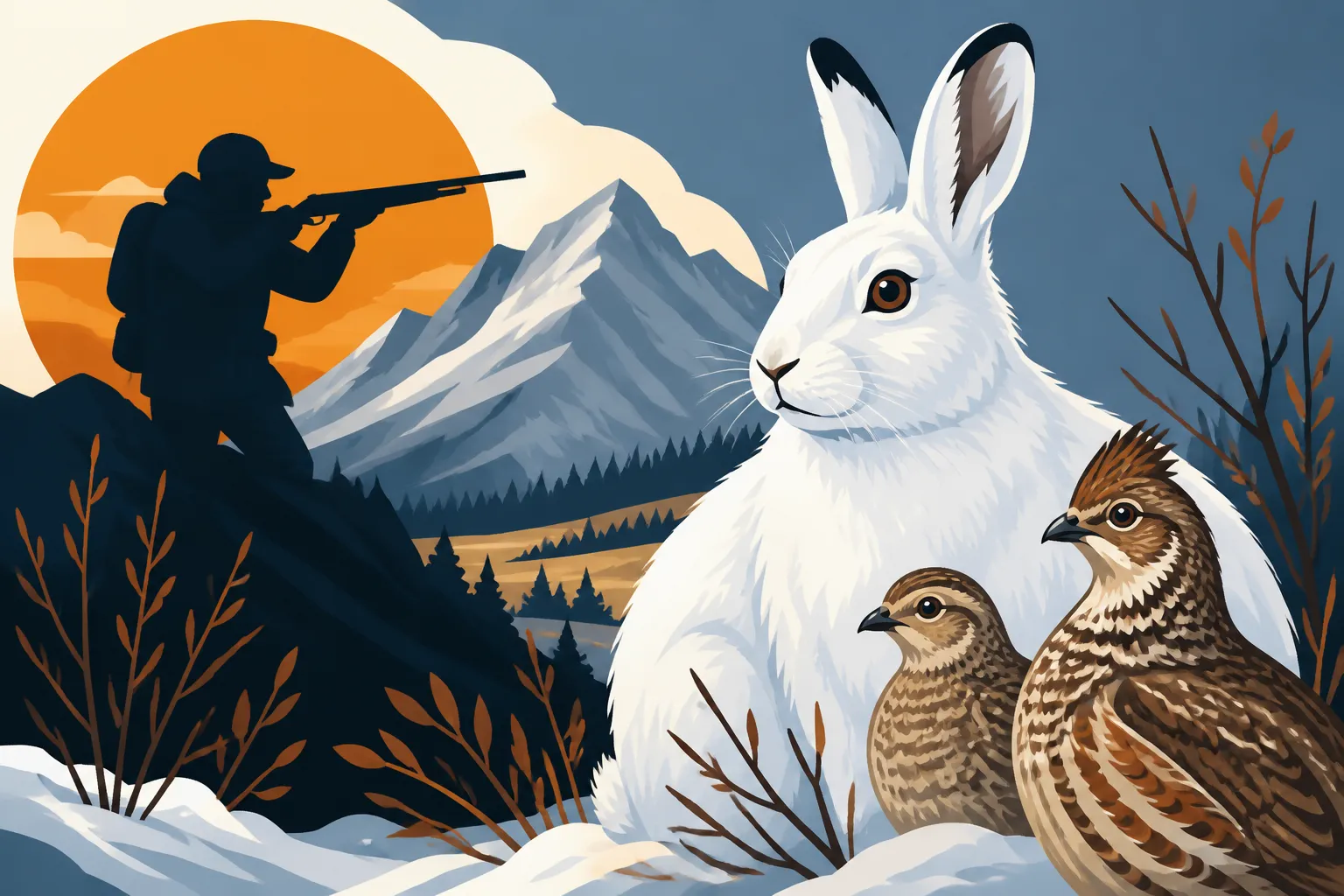
The snowshoe hare ( Lepus americanus) is perhaps Alberta's most iconic and widely hunted small game species. They are incredibly adaptable and play a crucial role in the northern forest ecosystem, serving as a primary food source for many predators, including lynx, coyotes, and various birds of prey. For hunters, they offer abundant opportunities, especially in the boreal and mixedwood forests of the province.
Understanding the Snowshoe Hare's Cycle and Habitat
Snowshoe hares are fascinating creatures known for their cyclical population booms and busts, typically peaking every 8-11 years. During a peak year, you can find them almost everywhere in suitable habitat, making for incredibly action-packed hunts. During a bust, they can be much harder to locate. These population fluctuations are a natural part of the ecosystem and influence predator populations significantly. Their preferred habitat is dense, young forest stands, often characterized by thick willow and aspen regrowth, especially after logging or wildfire. These areas provide both abundant food and crucial cover from predators. They aren't picky about terrain, thriving from the northern boreal forest down into the foothills and even some parkland zones where thick bush provides refuge.
Identifying Prime Hare Habitat: Where to Look
When you're out looking for snowshoe hares, think "thick and tangled." They love dense underbrush, especially where there's a good mix of young coniferous trees (like spruce or pine) and deciduous growth (like willow, alder, or aspen). Look for areas with regenerating forest, clear-cuts that are a few years old, or the edges of swamps and muskeg where the cover is impenetrable. Old logging roads and seismic lines that have grown in with thick alders are also prime spots. If you're exploring Hunting Alberta's Crown Land, pay attention to those areas marked as regenerating forest or wetland edges on your maps. Hares are largely nocturnal, so you'll often find them resting in thick cover during the day. Fresh tracks in the snow, droppings, and browsed twigs are all tell-tale signs of their presence.
The Hare's Camouflage and Seasonal Adaptations
One of the most remarkable features of the snowshoe hare is its incredible camouflage. In summer, their coats are a mottled reddish-brown, allowing them to blend seamlessly with the forest floor and undergrowth. As winter approaches and the snow begins to fall, their fur gradually turns a brilliant white, making them incredibly difficult to spot against a snowy backdrop. This seasonal colour change is a critical survival mechanism. As a hunter, this means your hunting strategy needs to adapt. In the brown months, you'll be looking for movement in dense green or brown foliage. In the white months, you'll be scanning for any slight discoloration, a pair of dark eyes, or the subtle outline of an ear against the white landscape. Often, the easiest way to spot them in winter is when they move, creating a sudden flash of white against the static snow.
Hunting Methods and Strategies for Snowshoe Hare
Hunting snowshoe hares is largely about patience, observation, and knowing how to navigate dense cover. There are several effective methods, each offering its own unique challenges and rewards.
Still-Hunting and Stalking in the Bush
Still-hunting for snowshoe hares involves moving slowly and deliberately through their preferred habitat, pausing frequently to scan the cover ahead. This method is particularly effective in winter when their white camouflage makes them harder to see until they move. The key is to take a few steps, then stop and carefully examine every clump of brush, fallen log, and thicket for any sign of a hare. Remember, they are masters of holding tight, often only flushing when you're just a few feet away. A slow, methodical pace is crucial.
Stalking is similar, but might involve more deliberate creeping towards a suspected hiding spot after you've identified fresh sign or heard a rustle. Focus on controlling your scent and movement, especially your feet, as crunching leaves or twigs can easily give you away. In dense bush, your shots will likely be close and quick, so be ready. Many hunters use a .22 rifle or shotgun for this type of hunting. If you're looking for more general bush hunting advice, check out Hunting Alberta's Aspen Parkland Bluffs, as many of the principles apply to dense cover.
The Benefits of Hunting with Dogs
For many small game enthusiasts, hunting with dogs is the ultimate experience. Breeds like beagles are specifically bred for hare and rabbit hunting, using their incredible sense of smell to track hares through dense cover. When a dog jumps a hare, it will often "circle" back to its starting point or follow a predictable loop. This allows the hunter to position themselves along a known travel route and wait for the hare to come by. The baying of the dogs adds an exciting auditory element to the hunt, making it a very social and engaging activity.
Using a dog takes much of the strenuous legwork out of pushing through thick brush, as the dog does the heavy lifting of flushing and tracking. It also significantly increases your chances of success, especially in areas where hares are abundant but difficult to spot. Make sure your dogs are well-trained and that you're familiar with Alberta's specific rules regarding hunting with dogs, which can vary depending on the species. For example, some rules might be different than those for Running Bear Dogs Under Alberta's Rules. GoHunt can be a useful platform to connect with other hunters who run dogs or to find resources on dog training for small game.
Setting Snares and Trapping Regulations
While recreational hunting with firearms or bows is popular, trapping with snares is another method for harvesting snowshoe hares, particularly for those looking to maximize their yield for sustenance. However, it's crucial to understand that snaring regulations are generally more complex and often fall under different licensing categories than general hunting. In Alberta, most recreational snaring for small game requires a specific trapper's license, even for species like hare. You cannot simply set snares with a general hunting license.
Always consult the current Alberta hunting and trapping regulations before considering snaring. There are strict rules regarding snare size, wire gauge, placement, and checking intervals to ensure humane treatment and prevent accidental capture of non-target species. This method is often employed by trappers targeting furbearers and should not be confused with general hunting activities. It requires a deeper understanding of animal behaviour and the legal framework, so if you're interested, make sure you're fully compliant with all provincial requirements for Alberta Trapping and Furbearer Licences.
Other Popular Small Game Species in Alberta
While snowshoe hares might be the star of the show for many small game hunters, Alberta offers a variety of other exciting opportunities. Diversifying your small game pursuits can keep you engaged throughout the year and introduce you to different habitats and hunting styles.
Squirrels: Red, Grey, and Their Hunting Potential
Alberta is home to a couple of huntable squirrel species, primarily the red squirrel and, in some areas, the eastern grey squirrel. Red squirrels are abundant throughout the province's coniferous and mixed forests, particularly where there are spruce, pine, or fir trees that provide their staple diet of seeds and cones. Grey squirrels are less common, typically found in urban parks and deciduous woodlands in the southern parts of the province.
Hunting squirrels can be a fun and challenging endeavor. They are incredibly agile and can be difficult to spot once they scamper up a tree. Still-hunting or stalking through a stand of mature trees, looking for movement or listening for their chattering, is a common method. A .22 rifle is a popular choice for squirrel hunting, offering precise shots without excessive noise. Like hares, squirrels provide excellent table fare and are a great way to introduce new hunters to ethical harvesting. They often provide fast-paced action and require quick reflexes.
Grouse: An Overview of Alberta's Upland Birds
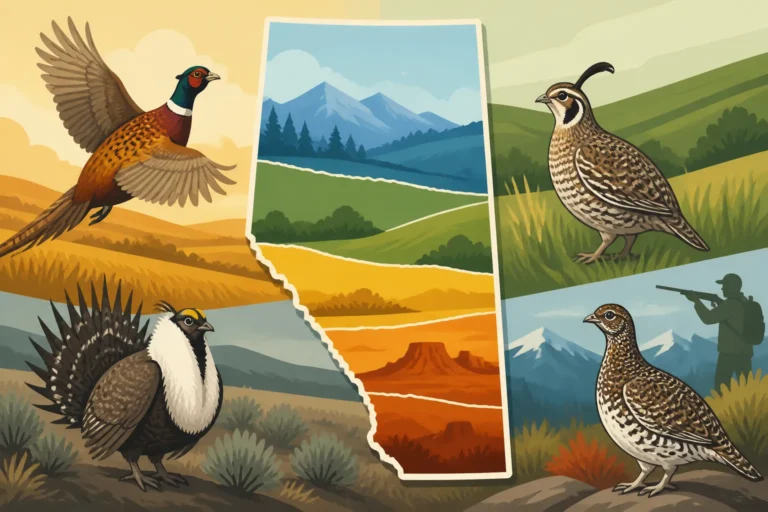
Alberta is blessed with several species of grouse, making upland bird hunting a popular small game activity. While there's a dedicated season for them, they are often encountered by hunters pursuing other game or specifically targeted as small game. The most common species you'll find are the Ruffed Grouse, Spruce Grouse, and Sharp-tailed Grouse.
- Ruffed Grouse: Found in deciduous and mixedwood forests, especially along creek bottoms, old logging roads, and bushy edges. They're famous for their explosive flush, often referred to as "drummers" due to the mating sound the males make. Ruffed Grouse Hunting Alberta's Bush Trails is a popular way to find them.
- Spruce Grouse: These birds prefer denser coniferous forests and are often less wary than ruffed grouse, sometimes allowing a closer approach.
- Sharp-tailed Grouse: Predominantly found in prairie and parkland habitats, especially in native grasslands and brushy coulees. They often hold tight, making them excellent for hunting with pointing dogs.
Hunting grouse typically involves walking through their habitat, often along trails or open areas where you can see them flush. A shotgun is the preferred firearm for these birds due to their rapid flight. For a deeper dive into these feathered rockets, check out Upland Bird Hunting in Alberta.
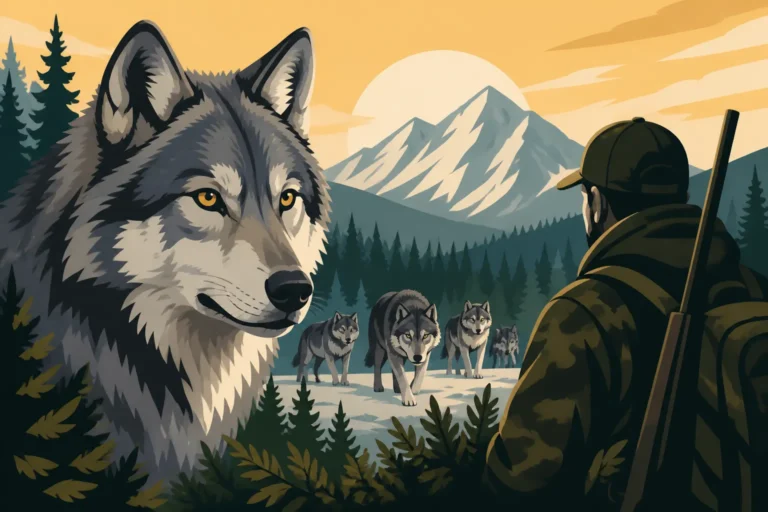
Coyote and Wolf: Predator Management as Small Game
While not typically thought of as "small game" in the same vein as hare or squirrel, coyotes and wolves are often hunted for recreation and predator management in Alberta, and they fit the "small game" category in terms of not requiring a draw or big game tag in most areas. They offer a completely different hunting experience, requiring calling skills, patience, and a keen eye.
- Coyotes: Abundant across most of Alberta, especially in agricultural and open parkland areas. Calling them in with distress calls is a popular and exciting method. They are incredibly wary and offer a significant challenge. If you're interested in pursuing these cunning predators, a deeper read on Coyote Hunting Alberta Farm Country would be beneficial.
- Wolves: Found primarily in Alberta's forested and mountain regions. Hunting wolves requires extensive knowledge of their behaviour, tracking skills, and often long periods of stillness in harsh conditions. They are intelligent and elusive, making a successful wolf hunt a significant accomplishment.
Hunting these predators contributes to overall wildlife management by helping to balance prey populations. These hunts demand a higher calibre rifle than small game like hare, typically centre-fire rifles suitable for larger distances and ethical kills. Always consult the latest regulations for season dates, bag limits, and specific hunting methods allowed for coyotes and wolves in Alberta.
Essential Gear and Safety for Small Game Hunters
Regardless of whether you're chasing hares, squirrels, or grouse, having the right gear and adhering to strict safety protocols are paramount for an enjoyable and responsible hunting experience.
Firearm and Ammunition Choices for Small Game
The type of firearm you choose for small game depends heavily on the species you're targeting and your preferred hunting style.
- For Snowshoe Hare and Squirrels:
- .22 Rimfire Rifle: This is arguably the most popular choice. It's quiet, ammunition is relatively inexpensive, and it's highly effective for headshots on small animals at reasonable distances. Many hunters prefer a scoped .22 for precision.
- Shotgun (e.g., 12 or 20 gauge): When hares are thick and flushing close, a shotgun with small shot (e.g., 6 or 7.5) can be very effective. It's also versatile for grouse hunting.
- Air Rifle: In some areas and for specific purposes, a powerful, hunting-grade air rifle can also be used for small game, though specific regulations and energy requirements may apply.
- For Grouse:
- Shotgun: A 12 or 20 gauge shotgun with light game loads (e.g., 6, 7.5, or 8 shot) is the standard. The ability to make quick, reactive shots is key.
- For Coyotes and Wolves:
- Centre-fire Rifle: A .223 Remington, .22-250 Remington, or similar flat-shooting calibre is common for coyotes. For wolves, something larger like a .243 Winchester, .270 Winchester, or .30-06 Springfield is often preferred for ethical long-range shots.
- Shotgun (for close range coyotes): A shotgun loaded with buckshot can be effective for coyotes that come in close to calls.
Always ensure your firearm is appropriate for the game you are hunting and that you are familiar with its safe operation. For a broader understanding of legal firearms, even if for big game, checking out Legal Firearms and Bows for Big Game can offer context on calibre and projectile rules.
Clothing, Footwear, and Navigational Tools
Small game hunting often means moving through dense, thorny cover, sometimes in challenging weather conditions.
- Clothing: Layers are key, especially if you're hunting in late fall or winter. Durable, brush-resistant outer layers are essential to protect against thorns and snags. Blaze orange requirements apply during many general hunting seasons, so always check the specific regulations for the WMU and species you're hunting. Even if not required, wearing blaze orange is always a good safety practice, especially in areas with other hunters.
- Footwear: Waterproof, comfortable boots with good ankle support are a must. You'll be covering varied terrain, from muddy trails to snow-covered bush, so reliable traction is crucial.
- Navigational Tools: A reliable GPS device or a smartphone with a mapping app like GoHunt is invaluable. Even on smaller parcels of land, it's easy to get disoriented in thick bush. Knowing your location, property lines, and WMU boundaries is vital for legal and safe hunting. Carry a compass and a physical map as a backup, especially when Reading an Alberta WMU Map Before You Go in areas with no cell service.
- Other Essentials: A good knife, game bag, water, snacks, first-aid kit, and a whistle are always good to have. Headlamps or flashlights are also wise, as small game often extends into dusk.
Safety First: Rules and Best Practices in the Field
Hunting is an incredibly safe sport when proper protocols are followed. However, complacency can lead to serious accidents.
- Firearm Safety: Always treat every firearm as if it's loaded. Keep the muzzle pointed in a safe direction. Keep your finger off the trigger until you're ready to shoot. Be sure of your target and what is beyond it.
- Know Your Regulations: Before heading out, thoroughly review Alberta's hunting regulations for the specific species and WMU you'll be hunting. This includes season dates, bag limits, shooting hours, and any specific restrictions.
- Communicate: If hunting with others, communicate your positions, plans, and any game sighted. Use hand signals or whistles if verbal communication is difficult.
- Leave a Plan: Always tell someone where you're going and when you expect to return.
- Respect Landowners: If hunting on private land, ensure you have explicit permission. Respect property boundaries and leave gates as you found them. Read up on Alberta Landowner Permission Law for details.
- Weather Awareness: Alberta weather can change rapidly. Be prepared for sudden shifts in temperature, snow, or rain. Understand the challenges of Hunting Alberta Winter Weather Safely.
Regulations, Seasons, and Conservation Efforts
Understanding the rules and the role hunters play in conservation is fundamental to responsible small game hunting in Alberta.
Navigating Alberta's Small Game Seasons and Limits
Alberta's small game seasons are generally quite generous compared to big game, offering extended periods of opportunity. For snowshoe hare and most squirrel species, the season is often very long, sometimes even year-round in certain WMUs. Upland birds like grouse have specific fall seasons, which vary slightly by species and WMU. Coyotes and wolves also typically have open seasons for much of the year, with specific restrictions.
The key is to consult the most current Alberta Guide to Hunting Regulations for precise dates, bag limits, and specific rules for the Wildlife Management Unit (WMU) you plan to hunt. These regulations can change year to year, so relying on old information is risky. Pay close attention to any special zones or restrictions, especially around parks or populated areas. GoHunt mapping can often help you delineate these boundaries in the field.
| Species | Typical Season Length (General) | Common Hunting Method | Recommended Calibre/Gauge |
|---|---|---|---|
| Snowshoe Hare | Year-round in many WMUs | Still-hunting, dogs | .22LR, Shotgun |
| Red Squirrel | Year-round in many WMUs | Still-hunting, stalking | .22LR |
| Ruffed Grouse | Late August – December/January | Walking, flushing dogs | Shotgun |
| Spruce Grouse | Late August – December/January | Walking | Shotgun |
| Sharp-tailed Grouse | Late August – December/January | Walking, pointing dogs | Shotgun |
| Coyote | Year-round in many WMUs | Calling, stalking | .223 Rem, .22-250 Rem |
| Wolf | September – March/April | Calling, tracking, baiting | .243 Win, .270 Win, .30-06 |
Note: This table provides general guidance. Always refer to the official Alberta Hunting Regulations for the most accurate and up-to-date information.
Understanding Public and Private Land Access
Access is a critical consideration for any hunter in Alberta. Small game can be found on both Crown land (public land) and private land.
- Crown Land: Alberta has vast tracts of Crown land, particularly in the green area (forested regions) where snowshoe hares, squirrels, and grouse thrive. Public Land Use Zones (PLUZs) are also excellent for hunting. However, even on Crown land, there can be specific restrictions or areas closed to hunting, so it’s essential to know your WMU boundaries and consult mapping resources. Services like GoHunt are incredibly useful for identifying public land boundaries, roads, and trails. If you're new to this, read up on Finding Access on Alberta Crown Land.
- Private Land: Many small game species, particularly coyotes and some grouse, are found on private agricultural lands. Hunting on private land always requires explicit permission from the landowner or leaseholder before you step foot on their property. This isn't just a courtesy; it's the law. Taking the time to build relationships with landowners can unlock fantastic hunting opportunities and is a vital part of responsible hunting in Alberta. Remember that Asking a Grazing Leaseholder for Access is also a good skill to cultivate.
Always double-check land ownership and access rules before you head out. Ignorance of the law is never an excuse.
The Role of Hunters in Small Game Conservation
Small game hunting is inherently sustainable due to the high reproductive rates of species like snowshoe hare and the typically conservative bag limits. Unlike big game, where population dynamics are often slower, small game can rebound quickly. Hunters play a crucial role in conservation through their license fees, which directly fund wildlife management programs, habitat restoration, and research initiatives. Additionally, by harvesting animals, hunters can help manage populations, particularly for species like coyotes, preventing overpopulation in certain areas that might impact livestock or other wildlife.
Responsible hunters are also ethical stewards of the land. This includes adhering to fair chase principles, ensuring clean and quick kills, leaving no trace, and respecting the environment. Participating in hunter education courses, understanding wildlife biology, and being an advocate for ethical hunting practices are all ways small game hunters contribute to the broader conservation landscape in Alberta. It's not just about filling your game bag; it's about preserving the privilege and the resource for generations to come.
Disclaimer
This article is for general informational purposes only and does not constitute professional advice. Laws, prices and regulations vary by location and change over time. Consult a qualified professional for guidance on your specific situation.