How Big Alberta Cougars Get
Have you ever wondered just how big those stealthy Alberta cougars really get? It's a question many hunters and outdoor enthusiasts ponder, often picturing something out of a wildlife documentary. These elusive predators can be surprisingly substantial, and understanding their typical size, as well as the factors that contribute to their growth, can give you a deeper appreciation for these incredible animals that roam our landscapes. They are truly magnificent, powerful creatures, and knowing what to expect can be both fascinating and helpful if you spend time in their territory.
The Typical Size Range of Alberta Cougars
When we talk about cougar size in Alberta, it's important to remember that these are powerful, lean animals, built for explosive speed and stealth, not necessarily brute bulk like a grizzly bear. However, they are still formidable predators, and their size can be quite impressive, often exceeding what many people expect. There's a noticeable difference between males and females, and age plays a significant role in their overall development and weight.
Adult Male Cougar Dimensions
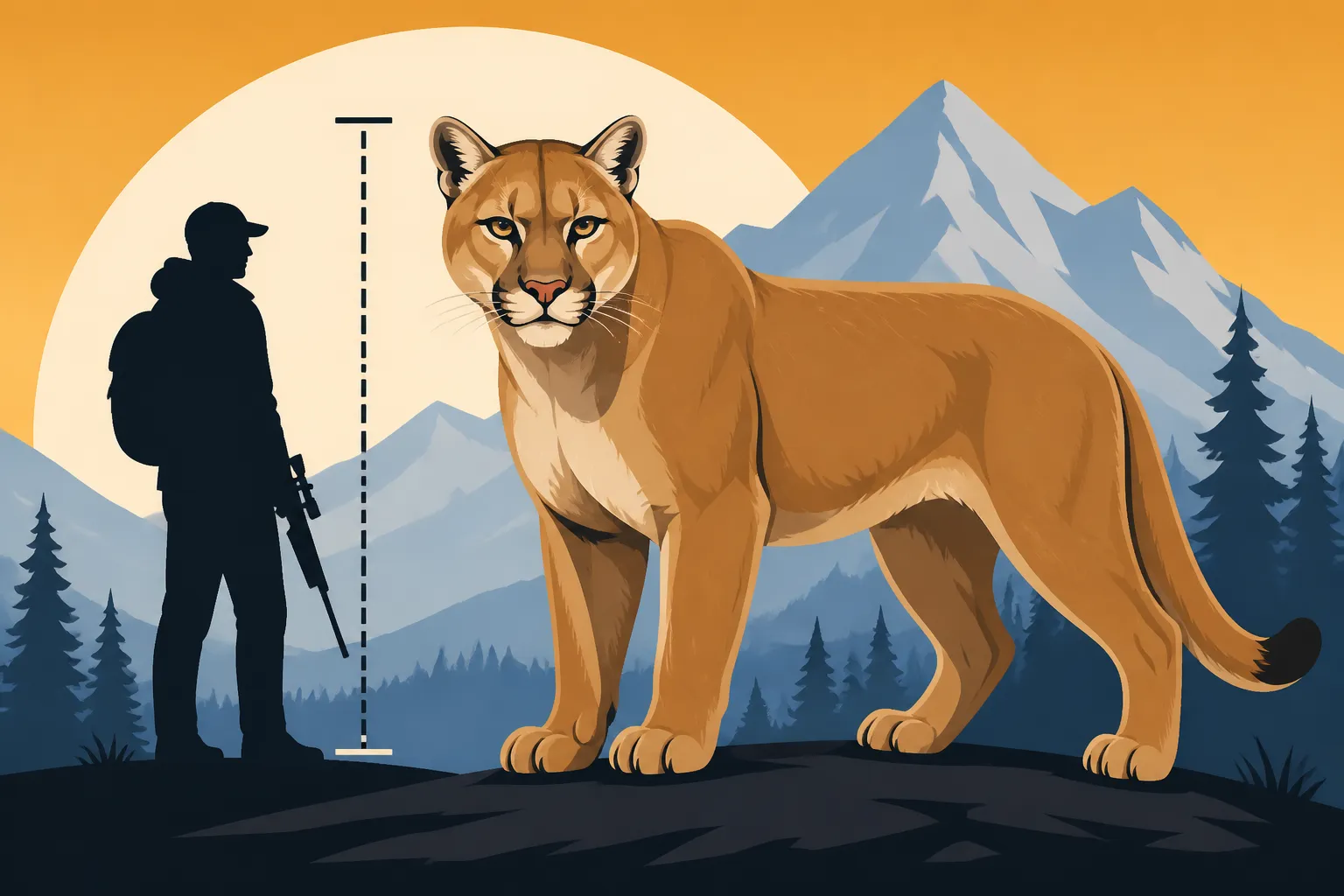
A mature male cougar in Alberta is a truly impressive animal. Picture a creature built like a finely tuned athlete – all muscle, agility, and raw power. They typically stand quite tall at the shoulder, sometimes reaching the height of a medium-sized dog, but with a much more elongated and muscular body. From the tip of their nose to the end of their long, thick tail, they can stretch out to an imposing length, easily surpassing an average person's height if laid out. Their weight can vary significantly depending on their age, the abundance of prey in their territory, and their overall health. A truly dominant male might surprise you with its sheer mass. These are not small house cats; they are apex predators capable of taking down large prey like deer and even young moose. The sheer power in their hind legs, designed for explosive leaps, contributes to their overall muscular build and weight.
Adult Female Cougar Dimensions
Female cougars, while still very capable hunters and formidable animals, tend to be noticeably smaller than their male counterparts. This is a common biological trait in many predatory species, and cougars are no exception. They are often lighter in weight and a bit shorter in overall length. Don't let their smaller stature fool you, though; a mature female is still incredibly strong and agile, perfectly adapted to raising her cubs and securing food. They retain the same sleek, muscular build, just on a slightly reduced scale. The difference is often most apparent when you see a male and female side-by-side, which is, of course, a rare treat in the wild. Their survival depends on their ability to move silently and efficiently through dense cover, and their body shape reflects this need for stealth and quick bursts of speed.
Here’s a general idea of how their sizes compare:
| Trait | Male Cougar (Adult) | Female Cougar (Adult) |
|---|---|---|
| Weight Range | 120 – 180 pounds | 80 – 120 pounds |
| Length (nose to tail) | 7 – 8.5 feet | 6 – 7.5 feet |
| Shoulder Height | 26 – 32 inches | 22 – 28 inches |
| Maximum Lifespan (Wild) | ~12 years | ~15 years |
It's important to understand these are average ranges; individual cougars can fall outside these figures based on various factors.
Factors Influencing Cougar Size and Development
The size a cougar ultimately reaches isn't just a roll of the genetic dice. It's a complex interplay of several environmental and biological factors, some of which are very specific to the Alberta landscape. A cougar's growth journey from a tiny, spotted cub to a magnificent adult is dictated by how well it navigates these challenges and opportunities.
Prey Abundance and Quality
This is arguably the most critical factor. Cougars are obligate carnivores, meaning their diet consists almost entirely of meat. In Alberta, their primary prey includes deer, such as white-tailed deer and mule deer, along with elk, moose calves, and a variety of smaller mammals. If a cougar lives in an area with a rich, consistent supply of healthy prey, it has access to the high-protein diet necessary for optimal growth and maintaining a large body mass. Conversely, in areas where prey populations are scarce or less robust, cougars might struggle to reach their full genetic potential, resulting in smaller individuals. Think of it like this: a cougar living in a lush river valley with abundant deer will likely grow larger than one scraping by in a less productive, overhunted zone. Understanding What Cougars Eat in the Foothills can give you an idea of the buffet available to them.
Healthy prey means healthy cougars. When prey animals are well-fed and thriving, they provide better nutrition for the cougars that hunt them. This directly translates to better growth rates for young cougars and better maintenance for adults. Hunters often use tools like GoHunt to research game populations in different Wildlife Management Units (WMUs), and while cougar-specific data might be scarce, understanding the health of the deer and elk populations certainly gives clues to the cougars' potential.
Genetics and Age
Just like humans, cougars inherit genetic traits from their parents that influence their potential size. Some bloodlines might simply be predisposed to growing larger than others. However, genetic potential can only be realized if environmental conditions are favorable. A cougar with "big genes" won't grow large if it's constantly hungry.
Age is another straightforward factor. Cougars continue to grow and fill out for several years after reaching sexual maturity. A young adult male might be capable of breeding, but he might still be gaining significant weight and muscle mass for another few years. The oldest, most dominant males and females are often the largest simply because they've had more time to grow and have successfully navigated the challenges of survival for longer. However, extreme old age can also see a decline in physical condition, so the prime age for maximum size is typically in their middle years. For more on how Alberta's Cougar Population and Where It Grew might impact these factors, it's worth a deeper dive.
Habitat Quality and Territory Size
The overall quality of a cougar's habitat also plays a role. A diverse habitat with good cover, reliable water sources, and secure denning sites contributes to a cougar's ability to hunt effectively, avoid conflict, and raise young successfully. Large, undisturbed territories allow cougars to have exclusive access to a greater prey base, reducing competition and the energy expended in defending turf. This stability and reduced stress can translate into healthier, larger animals.
Areas with dense forests, rugged mountains, or extensive river drainages in Alberta provide excellent habitat for cougars. The foothill regions, for instance, are known for robust cougar populations due to the mix of timber, broken terrain, and ample prey. When you consider Hunting Cougar in Alberta's Foothills, you're often looking at prime cougar country that supports healthy, strong animals. Access to quality habitat also means less energy spent traveling long distances, allowing more energy to be put into growth and maintenance.
Spotting the Giants: Anecdotal Observations and Record Book Potential
Every now and then, tales circulate among trappers, outfitters, and seasoned hunters about cougars that seem almost unbelievably large. These stories often paint a picture of truly magnificent animals, far exceeding the average. While official record books for cougars are less common or celebrated in the same way as antlered game, these anecdotal accounts highlight the potential for truly massive felines in Alberta's wild landscapes.
The Elusive Big Tom
The "big tom" is the stuff of legend. These are the dominant male cougars, often older, battle-scarred, and wise. They are masters of their territory, typically weighing in at the upper end of the spectrum, and sometimes even surpassing it. These animals are incredibly secretive, moving through the landscape with an almost supernatural stealth. Encountering one, let alone harvesting one, is a rare privilege and a testament to the hunter's skill and patience. The tracks they leave behind can be startlingly large, giving away their imposing size long before you ever catch a glimpse of the animal itself. Imagine finding a track in fresh snow that makes your own hand look small – that's a hint you're on the trail of a truly impressive specimen. Hunters dedicated to the pursuit often spend countless hours Tracking a Cougar in Fresh Snow, hoping to intercept one of these elusive giants.
These exceptional animals are often found in territories with stable, mature prey populations and limited human disturbance. They've had the time and resources to grow to their maximum potential. While their precise weights and lengths are rarely officially recorded in a public forum, the sheer impact of seeing such an animal, or even hearing reliable accounts from those who have, leaves a lasting impression. It reinforces the idea that Alberta's wilderness still holds some truly wild and awe-inspiring creatures.
Hunter Accounts and Trophy Potential
Hunters who specifically target cougars, or those who are fortunate enough to encounter one during other big game hunts, are often struck by their size and power. While the pursuit of cougars can be incredibly challenging, given their elusive nature and the rugged terrain they inhabit, a successful hunt can result in an animal that far exceeds expectations. The density of their musculature and the sheer length of their body, even before processing, can be quite surprising. The memory of a really large cougar, often taken in the deep snows of winter, is a story that gets retold around many campfires.
When planning a hunt, some hunters will use platforms like GoHunt to scout potential areas, looking for terrain features that might concentrate prey animals, and by extension, predators like cougars. While GoHunt might not point directly to "record cougars," understanding prime habitat for deer and elk, for example, is a direct indicator of where large cougars might thrive. Keep in mind that securing a cougar tag also involves being aware of Cougar Season Dates and Quota, as these are closely managed to ensure healthy populations. The thrill isn't just in the harvest; it's in the encounter with such a magnificent and powerful animal, a true symbol of Alberta's wildness.
Understanding Alberta's Cougar Habitat for Potential Size
Where cougars choose to live in Alberta greatly influences their hunting success, breeding opportunities, and ultimately, the size they can attain. It's not just about prey, but also the security and advantages offered by the landscape itself.
Rugged Terrain and Remote Wilderness
Cougars are masters of ambush and stealth, and they thrive in environments that offer plenty of cover, broken terrain, and remoteness. Alberta's foothills, mountains, and even certain heavily treed river valleys in the parkland regions provide this ideal habitat. Think of the deep coulees, rocky outcrops, dense spruce and pine forests, and steep river breaks – these are all perfect for a cougar to stalk prey unseen, establish den sites, and evade human detection. The more rugged and remote the area, the less human pressure there generally is, allowing cougars to establish larger territories and potentially grow undisturbed.
In these remote areas, older, larger cougars often reign supreme. They have the experience and physical prowess to secure the best hunting grounds and maintain their dominance. Exploring regions mentioned in Hunting Alberta's Foothills Country or even the fringes of Alberta's Mountain WMUs and Their Access might put you in areas where truly large cougars are more likely to be found. The challenges of accessing such terrain often mean less competition, both from other predators and from humans, creating an environment where a cougar can live a long, productive life.
Healthy Prey Populations and Their Movement
As discussed, prey is paramount. But it's not just the presence of prey; it's the dynamic of prey populations that fosters large cougars. Cougars will follow their food sources. If deer or elk herds have consistent winter ranges, spring fawning/calving grounds, and predictable movement patterns, cougars can adapt their hunting strategies to capitalize on this. A healthy, diverse prey base means cougars aren't solely reliant on one species, making them more resilient to fluctuations in any single prey population.
Many of Alberta's big game species, such as White-Tailed Deer, Alberta's Most Hunted Big Game and Mule Deer in Alberta's Open Country, inhabit areas that also serve as prime cougar territory. The movement of these ungulates, especially during seasonal migrations or during the rut, creates opportunities for cougars to find calorie-rich meals. For instance, a cougar living in an area where deer are constantly moving through a choke point, like a river crossing or a narrow valley, will have easier hunting than one in a vast, open expanse where prey is thinly distributed. This efficiency in hunting allows cougars to conserve energy and put more resources into growth and maintenance, potentially leading to larger individuals.
Understanding Cougar Behavior and Solitude
Cougars are solitary animals, except for females with cubs or during the brief breeding period. This solitary nature means they require large territories to avoid conflicts with other cougars and to ensure an adequate food supply. A prime territory allows a cougar to live a relatively undisturbed life, reducing stress and injury from territorial disputes. When a cougar has ample space and a secure environment, it can dedicate its energy to hunting, resting, and growing, rather than constantly defending its boundaries or seeking new grounds.
This need for solitude and vast territories is why they thrive in the less populated, wilder parts of Alberta. While they can and do exist near human settlements, the truly large specimens are often found deeper in the backcountry, away from consistent human activity. For those interested in understanding more about Alberta's wild creatures, knowing about Alberta's Predators and Where They Live is key to appreciating their role in the ecosystem and the factors that contribute to their impressive size. Their quiet, efficient existence in the wilderness is a testament to their adaptability and power, a constant reminder of the wild heart of Alberta.
Disclaimer
This article is for general informational purposes only and does not constitute professional advice. Laws, prices and regulations vary by location and change over time. Consult a qualified professional for guidance on your specific situation.