Hunting Around Whitecourt and Fox Creek
Trying to hunt the dense bush and often active industrial zones around Whitecourt and Fox Creek can feel like trying to find a needle in a haystack for many hunters. It's not the wide-open prairie where you can glass for miles, nor the easily defined mountain ranges. This unique blend of boreal forest, active logging, and oil and gas activity presents both significant challenges and incredible opportunities for those willing to adapt. This guide will help you understand this challenging yet rewarding landscape, providing practical advice on navigating access, implementing effective hunting strategies, and preparing yourself for success in this specific corner of Alberta.
Understanding the Whitecourt and Fox Creek Landscape for Hunters
The area around Whitecourt and Fox Creek isn't your typical pristine wilderness, but don't let that deter you. It's a dynamic landscape, shaped by both nature and human activity, and understanding this interplay is key to successful hunting. You'll find a patchwork of mature timber, regenerating cutblocks, active logging operations, and extensive networks of seismic lines and pipeline corridors. This constant change influences everything from game movement to hunter access.
The Mix of Timber, Cutblocks, and Industrial Activity
When you venture into the Whitecourt and Fox Creek region, you’re stepping into a working forest. Large tracts of mature boreal forest stand tall, offering thick cover and thermal protection for wildlife. However, these are interspersed with numerous cutblocks – areas that have been clear-cut for timber harvest. These cutblocks, especially in their second or third year of regeneration, become prime browse areas for moose and deer. The young growth, full of tender shoots and new leaves, acts like a magnet, drawing animals in to feed. The challenge, of course, is that these areas can be incredibly dense, making travel difficult and visibility limited, but that also offers security to wary animals.
Beyond the logging, there's a significant presence of oil and gas exploration and extraction. This means a vast network of seismic lines – narrow, overgrown trails cut through the bush – and wider pipeline corridors. While these lines create linear access points, they also channel game movement, often serving as highways for animals traveling between bedding and feeding areas. Understanding which seismic lines are still actively used by industry versus those that have grown in can be crucial. Sometimes, a seemingly abandoned line might be just the ticket for a quiet approach, while others see constant vehicle traffic. This mosaic of habitat types is what makes the area so productive, but also so demanding for hunters. Hunting a Cutblock in Its Second Year or Hunting an Old Seismic Line Grid can teach you a lot about these specific features.
Primary Game Species in the Region
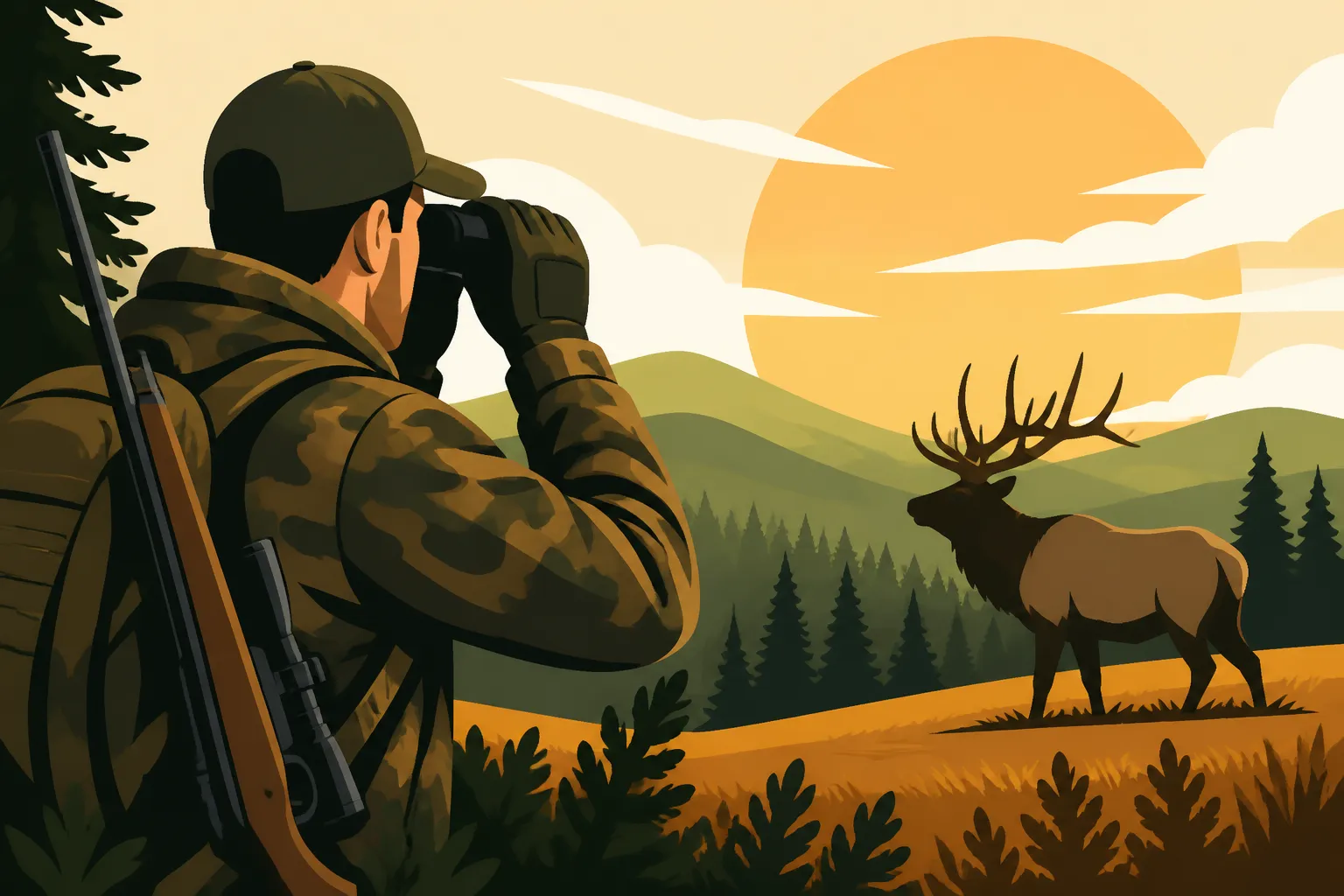
The Whitecourt and Fox Creek area is a true hub for several big game species, making it a diverse hunting destination. Moose are perhaps the most iconic resident of the boreal forest here, often found browsing in low-lying areas, along the edges of muskegs, or within those regenerating cutblocks. Their sheer size makes them an incredible trophy, and the thick cover means getting close is often a game of patience and quiet movement. Elk populations are also present, particularly in the more mixed-wood areas and closer to agricultural fringes, though they can be elusive in the dense timber.
White-tailed deer are another common sight, especially where the boreal forest transitions into more open aspen parkland or agricultural land. They thrive on the edge habitat created by logging and industrial activity. And let’s not forget the black bears! This region is prime bear country, with healthy populations taking advantage of the diverse food sources from berries to young vegetation in spring cutblocks. Predators like wolves and coyotes also roam these forests, constantly on the prowl for their next meal, and offer additional hunting opportunities. If you're looking for a challenging but rewarding experience, chasing a bull moose in this country or a big black bear can be very fulfilling. Moose Hunting Alberta's Boreal Forest and Black Bear Hunting in Alberta are great starting points.
Navigating Access and Terrain in the Whitecourt/Fox Creek Area
Access is often the biggest hurdle and the biggest opportunity in this region. Unlike open prairie or clearly defined mountain trails, the Whitecourt and Fox Creek area requires a different approach to getting into prime hunting spots. Understanding the nuances of the road networks and land designations is paramount.
Utilizing Logging Roads and Cutlines for Access
The extensive web of logging roads is both a blessing and a curse. On one hand, these roads allow hunters to penetrate deep into areas that would otherwise be inaccessible. You can drive miles down gravel roads, gaining quick access to remote regions. However, many of these roads are actively used by heavy machinery, especially during weekdays, and hunters must be aware of potential closures or restrictions for industrial safety. Always look for signage and respect any industrial activity you encounter. Furthermore, relying solely on main roads will often put you where everyone else is. The real advantage comes from identifying where smaller, older spur roads, seismic lines, or old skidding trails branch off into more secluded areas.
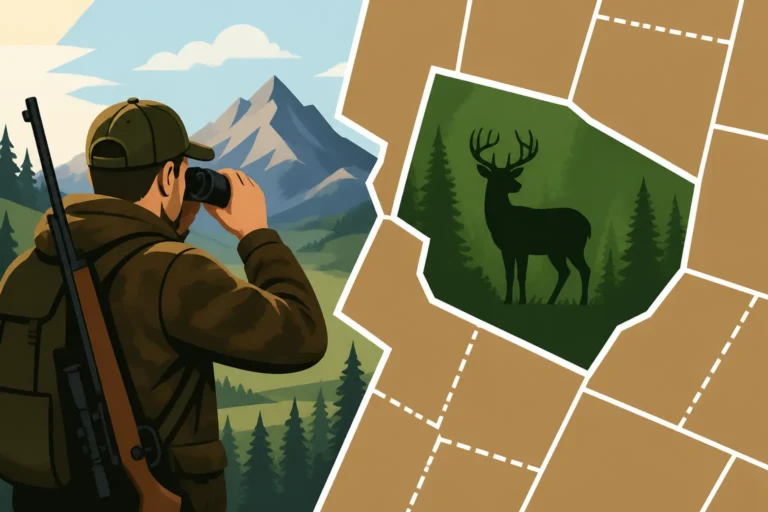
These smaller, less maintained tracks are often the key to finding undisturbed game. You might need a robust truck, an ATV, or even just your boots to explore these routes. Remember that many of these paths might be wet, muddy, or overgrown, making travel slow and challenging, especially in spring or after heavy rains. It's here that mapping tools truly shine. Using apps like onX Hunt, you can overlay public and private land boundaries with satellite imagery, often revealing hidden cutlines or old logging paths that aren't on standard road maps. This can save you countless hours of scouting blind and put you right on game trails. Hunting Moose Along Cutlines and Seismic Lines really delves into this.
The Role of Public Land Use Zones (PLUZs) and Crown Land
The majority of the hunting around Whitecourt and Fox Creek occurs on Alberta's vast expanse of Crown land, often managed within Public Land Use Zones (PLUZs) or under general Green Area regulations. This means that, for the most part, you have the right to access these lands for recreational purposes, including hunting. However, "Crown land" isn't a single, uniform entity. Different rules might apply in different areas regarding vehicle use, camping, and other activities. PLUZs, in particular, have specific regulations designed to manage recreational use and protect environmental values. For example, some PLUZs might restrict ATV use to designated trails, while others might have broader access.
It’s absolutely critical to familiarize yourself with the specific regulations for the WMU and any PLUZs you plan to hunt. Information is usually available on the provincial government's website. Don't just assume what's allowed in one area applies to another. These rules are in place for a reason – to ensure sustainable use and reduce conflicts. Mapping tools like GoHunt or onX Hunt are indispensable here, as they often display PLUZ boundaries and can help you identify legitimate Crown land parcels. Always verify access rules for Hunting Alberta's Boreal Forest Country before heading out, especially if planning a multi-day trip.
Hunting Strategies for Success in Whitecourt and Fox Creek
Hunting in the Whitecourt and Fox Creek area demands a flexible and adaptable strategy. You can't just sit on a ridge and glass, nor can you expect game to be everywhere you look. Success often comes down to understanding game movement patterns in a dynamic environment and being prepared to put in the effort.
Focusing on Transition Areas and Edge Habitat
One of the most effective strategies in this region is to focus on transition areas and edge habitat. What do I mean by that? Think about where two different types of habitat meet. The edge of a dense, mature forest bordering a young regenerating cutblock is a prime example. Animals will often bed down in the security of the thicker timber and then move out to feed in the younger, more nutritious growth. Similarly, the intersection of an old seismic line with a beaver meadow, or where a pipeline corridor cuts through a stand of aspen, creates these desirable edges.
These are the places where animals feel comfortable enough to feed but can quickly retreat to cover if disturbed. Look for signs like tracks, droppings, rubs, and fresh browse along these edges. Moose, in particular, love to feed on willow and aspen regeneration that springs up in disturbed areas. Setting up an ambush point, or carefully still-hunting along these transition zones, especially at dawn and dusk, can be incredibly productive. Remember, the animals are trying to use the landscape efficiently, and these edges provide the best of both worlds: food and security.
The Importance of Scouting and E-Scouting
In an area as complex as Whitecourt and Fox Creek, scouting isn't just a good idea – it's essential. This means both "boots on the ground" and "e-scouting" from your computer or phone. E-scouting with platforms like onX Hunt allows you to analyze satellite imagery, identify potential cutblocks, old roads, seismic lines, and water sources from the comfort of your home. You can mark waypoints for promising spots, plan your routes, and identify potential access challenges before you even leave. This pre-season work is invaluable, helping you eliminate unproductive areas and focus your efforts. Scouting With Satellite Imagery in Alberta is a must-read for this.
Once you have a few promising spots identified, nothing beats walking the ground. Visit these areas before the season, or even during an earlier season for other species, to confirm your e-scouting observations. Look for fresh sign, understand how prevailing winds affect the terrain, and get a feel for the density of the cover. How will you get in quietly? Where will the animals come from? Where will they go if pressured? This kind of intimate knowledge of the terrain is what separates consistently successful hunters from those who just wander aimlessly. Pay attention to beaver activity; Hunting Moose Around Alberta Beaver Ponds can lead to excellent results.
Adapting to Seasonal Changes and Game Movement
The boreal forest environment around Whitecourt and Fox Creek is constantly changing, and so are the movements of game. What works in early fall might not work in late November. Early season hunts might find animals scattered, browsing on berries and lush vegetation. As the season progresses and temperatures drop, food sources change, and animals become more concerned with thermal cover and finding reliable winter browse. This is when cutblocks with dense young regeneration become even more critical, offering both food and shelter from the cold winds and snow.
During the rut, both moose and deer become more active, and vocalizations like calling and rattling can be highly effective. Calling a Bull Moose in the Rut or Grunt Calls Late in Alberta's Rut can dramatically increase your chances. Late season, with significant snow accumulation, will push animals towards specific areas that offer easier travel or better access to food. Identifying these winter ranges, or areas where deer and moose might yard up, can be a game-changer. Staying informed about weather patterns and understanding how they influence game movement is crucial for adapting your strategy throughout the hunting season.
Essential Gear and Safety Considerations for the Region
Hunting in the Whitecourt and Fox Creek area, with its dense bush, often challenging terrain, and remote pockets, requires careful attention to gear and safety. Being unprepared can quickly turn an enjoyable hunt into a precarious situation.
Gear for Dense Bush and Remote Travel
When you're pushing through thick regeneration and navigating overgrown seismic lines, your gear choices become incredibly important. Durable, briar-resistant outer layers are essential to protect against thorns and snags. Good quality, waterproof boots with excellent ankle support are a non-negotiable; you'll be walking over uneven ground, through muskeg, and potentially across small creeks. A reliable backpack is also key, large enough to carry all your essentials for the day, including extra layers, food, water, a first-aid kit, a headlamp, and navigation tools. A GPS device or a robust phone app like onX Hunt, loaded with offline maps, is vital for staying oriented and marking your tracks, especially when bushwhacking through featureless timber.
Consider bringing pruning shears or a small folding saw for clearing shooting lanes or making travel easier on old trails. A game cart or a sturdy pack frame can be a lifesaver for getting an animal out of the bush, as vehicle access might be limited in many productive spots. Remember to account for Alberta's highly variable weather; temperatures can swing dramatically, even within a single day. Layering your clothing is always the smartest approach.
Staying Safe in Bear and Wolf Country
The Whitecourt and Fox Creek region is home to healthy populations of black bears and wolves, and understanding how to safely operate in their territory is paramount. While bear encounters are generally rare and wolves typically avoid humans, being prepared is crucial. Always carry bear spray, know how to access it quickly, and understand how to use it. Make noise as you travel through dense cover to avoid surprising an animal at close range. Be extra vigilant around fresh game kills or dense berry patches.
When hunting, especially if you're alone or deep in the bush, having a way to communicate in an emergency is vital. Cell service is spotty at best in many remote areas. A satellite messenger device, such as a Garmin inReach or a Zoleo, can provide peace of mind by allowing you to send messages or trigger an SOS call even without cell coverage. It's also a good idea to let someone know your hunting plan, including your intended route and expected return time. Knowing Wildlife Safety in Alberta Bear Country and understanding Calling Wolves Along a Frozen Cutline will make you a more confident and prepared hunter in this area.
Disclaimer
This article is for general informational purposes only and does not constitute professional advice. Laws, prices and regulations vary by location and change over time. Consult a qualified professional for guidance on your specific situation.