Upland Bird Hunting in Alberta
Alberta's diverse landscapes offer an incredible variety of upland bird hunting opportunities, but for newcomers or even seasoned hunters, figuring out where to start with species like ruffed grouse, sharptails, Huns, and pheasants can feel overwhelming. It’s not just about pulling the trigger; it's about understanding distinct habitats, behavioral patterns, and the right strategies to consistently find success. This comprehensive guide is designed to cut through that confusion, giving you the practical, on-the-ground knowledge you need to enjoy rewarding days chasing upland birds across this magnificent province.
Understanding Alberta's Upland Bird Species
Alberta is a paradise for upland bird hunters, boasting several species that call this province home. Each bird has its own unique quirks, preferred habitats, and behavioral patterns, making the hunt a constant learning experience. Knowing what you’re looking for and where to find it is half the battle.
The Elusive Ruffed Grouse
The ruffed grouse, often affectionately called "partridge" by many old-timers, is a true woodland ghost. They thrive in the mixed wood forests of Alberta, particularly in areas with a good blend of aspen, poplar, and willow, often near water sources or along creek bottoms. These birds are masters of camouflage and can hold incredibly tight, often flushing with an explosive burst of wings when you least expect it, sending your heart into your throat. Their diet consists of buds, catkins, berries, and insects, making them adaptable to many forested environments.
Hunting ruffed grouse often means slow, deliberate walks through their preferred cover. Look for them along old logging roads, cutlines, or the edges of aspen bluffs, especially where the undergrowth is thick. They prefer areas with good escape cover, so brushy draws, regenerating clear-cuts, and the dense tangles bordering larger timber stands are prime spots. The challenge with ruffed grouse isn't just finding them, but getting a shot off before they disappear into the trees. Patience is key, as is a good ear for that tell-tale wing explosion. A well-trained flushing dog can be invaluable here, helping to pinpoint birds holding tight and giving you a heads-up before the flush.
The Agile Sharp-Tailed Grouse
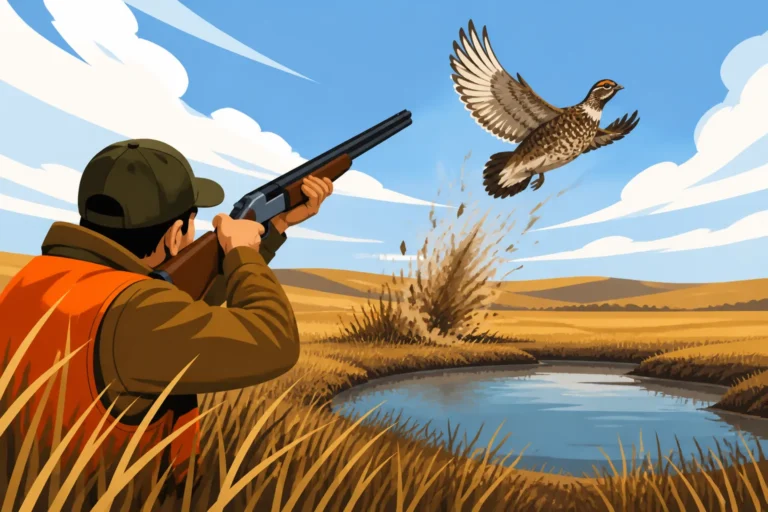
Step out of the dense woods and into Alberta's vast prairies and parklands, and you'll encounter the sharp-tailed grouse. These hardy birds are synonymous with open grasslands, native prairie, and the stubble fields that dot the agricultural landscape. Unlike their ruffed cousins, sharptails are often found in larger coveys, especially later in the season. Their scientific name, Tympanuchus phasianellus, hints at their distinctive booming calls during spring mating rituals on traditional lek sites.
Hunting sharptails typically involves covering a lot of ground in open country. Focus on areas with a mix of cover and food: native grasslands interspersed with patches of denser brush or tall weeds, particularly near swathed or stubble fields. They'll often feed in grain fields early and late in the day, then retreat to heavier cover for loafing. These birds are known for their "covey flush," where an entire group takes to the air simultaneously, creating a thrilling and sometimes chaotic shooting opportunity. You'll often find them along the edges of fields, in coulees, or in the thick cover provided by willow runs or brushy draws. Walking in zig-zag patterns can help cover more ground and stir up birds holding tight.
The Cunning Hungarian Partridge
Hungarian partridge, or "Huns" as they’re commonly known, are quintessential birds of Alberta's farm country. These small, fast-flying grey birds are native to Europe and Asia but have adapted remarkably well to the province's agricultural heartland. They prefer open, cultivated lands with scattered cover, often found in coveys ranging from a handful to a dozen or more birds. Their distinctive chirping call, often heard before you see them, is a classic sound of the Alberta countryside.
Huns are incredibly challenging to hunt due to their speed and their tendency to run before flushing, making them frustratingly difficult for hunters without dogs. Look for them along shelterbelts, fence lines, and the edges of grain fields—especially those with some weeds or residual cover. They'll often feed in stubble or swathed fields, then move to denser cover for protection. When a covey flushes, they burst into the air with incredible speed, flying low and fast, often hugging the contours of the land. This makes for exciting, if brief, shooting opportunities. The key to hunting Huns successfully is often repeated flushing, as they will typically land a short distance away and re-group, allowing you to work them again. Access to private land is often essential for consistent Hun hunting, so make sure to & Asking an Alberta Landowner for Permission well in advance.
The Regal Pheasant
The pheasant, with its vibrant plumage and long tail, is arguably the most recognizable upland bird, but in Alberta, finding them isn't as widespread as grouse or Huns. While some wild populations exist, particularly in the southern agricultural regions, many pheasant hunting opportunities in Alberta revolve around dedicated release sites managed by organizations like the Alberta Conservation Association (ACA). These releases boost populations in accessible areas, providing hunters with a guaranteed chance at these majestic birds.
Pheasants prefer dense, heavy cover: cattail sloughs, thick brush, tall grass, and even irrigation canal corridors. They are notorious for running rather than flying, making them incredibly difficult to flush without a good dog. Their powerful legs allow them to escape through thick undergrowth, often leading hunters on a merry chase. When they do flush, it's typically a strong, vertical ascent followed by a fast, straight flight. Hunting pheasants at these release sites often involves working in groups, systematically pushing through cover to drive birds towards blockers or into open areas. Safety is paramount when hunting in groups, so always be aware of your hunting partners. Information on & Hunting Alberta's Released Pheasants can usually be found through the ACA website or local fish and wildlife offices.
Spruce Grouse and Ptarmigan The Less Common Quarry
While ruffed grouse, sharptails, Huns, and pheasants are the primary targets for most Alberta upland hunters, the province also offers opportunities for spruce grouse and ptarmigan, though these hunts are generally more specialized and in more remote areas.
Spruce grouse are residents of Alberta's boreal forest, found in dense stands of spruce and pine. They are famously unafraid of humans, often allowing hunters to approach quite closely, leading to their nickname "fool hen." This makes them less of a sporting challenge for some, but they are a beautiful bird to encounter in the deep woods. Hunting spruce grouse often involves bushwhacking through black timber or slowly walking old seismic lines and cutblocks in the northern reaches of the province. Their dark, cryptic plumage makes them blend seamlessly with their coniferous environment.
Ptarmigan, on the other hand, are true alpine specialists. These hardy birds are found exclusively in the high mountains of Alberta, well above the treeline. Their plumage changes with the seasons, from mottled brown in summer to brilliant white in winter, providing perfect camouflage against the snow. Hunting ptarmigan requires a commitment to strenuous hiking in rugged, high-elevation terrain. While they can be found in coveys, they are often scattered across vast, rocky slopes. The challenge here is less about the bird's cunning and more about the physical demands of reaching their remote habitat. For a truly unique and challenging experience, hunting ptarmigan provides a spectacular backdrop in Alberta's stunning mountain ranges.
Essential Gear for Alberta Upland Hunting
Getting ready for an upland hunt in Alberta means more than just grabbing a gun and heading out the door. The right gear can make all the difference in comfort, safety, and success, especially given Alberta's diverse landscapes and often unpredictable weather. Don't skimp on the essentials; a little preparation goes a long way.
Shotguns and Ammunition Choices
When it comes to shotguns for upland birds, personal preference plays a huge role, but practical considerations are key. A lightweight, easy-swinging shotgun is often preferred for the quick, instinctive shots that upland hunting demands. Many hunters opt for 12-gauge or 20-gauge shotguns, with 20-gauge gaining popularity for its lighter weight and reduced recoil, especially when covering many miles on foot. Over-and-under, side-by-side, and semi-automatic shotguns are all common choices.
Choke selection is also important. For birds like ruffed grouse in tight cover, an open choke like improved cylinder or skeet might be best to spread the shot quickly. For sharptails or Huns flushing at longer ranges in open fields, a modified or even full choke can give you that extra reach. It's often a good idea to bring different choke tubes to adapt to the changing conditions and species you might encounter. Ammunition choice will depend on the species and conditions. Smaller shot sizes, like 6, 7, or 7.5, are generally ideal for upland birds. For pheasants, especially late in the season, some hunters prefer heavier loads or larger shot, like 5s. Always be aware of any non-toxic shot regulations, particularly if hunting near water or in specific conservation areas. While not as prevalent for upland birds as waterfowl, it's always wise to check the current regulations for your hunting area.
Apparel for Diverse Weather and Terrain
Alberta's weather can be notoriously fickle, swinging from warm, sunny mornings to cold, windy, or even snowy afternoons, sometimes all in the same day. Layering is your best friend here. Start with a moisture-wicking base layer, add insulating layers like fleece or wool, and top it off with a waterproof and windproof outer shell. This allows you to adjust to temperature changes throughout the day without getting too hot or too cold. Blaze orange is a non-negotiable safety item in Alberta, required for most big game and often worn by upland hunters for visibility. Ensure you have enough blaze orange to be easily seen from all directions.
Footwear is another critical component. You’ll be covering a lot of ground, often through varying terrain—muddy fields, rocky coulees, dense bush, or wet grass. A good pair of waterproof, comfortable, and supportive hunting boots is essential to prevent blisters and keep your feet dry. Consider ankle support, especially if you’re navigating uneven ground. Gloves and a hat are also crucial. A good pair of shooting gloves can protect your hands while maintaining dexterity, and a warm hat is vital for retaining body heat in colder conditions. Remember, you're going to be walking and working, so choose breathable fabrics that manage moisture effectively.
Hunting Dogs Your Best Companion
For many, upland bird hunting is synonymous with hunting over a well-trained dog. A good bird dog isn't just a companion; they are an invaluable hunting partner, dramatically increasing your success rate and enhancing the overall experience. Whether you prefer a pointing breed like a German Shorthaired Pointer or an English Setter, or a flushing breed like a Springer Spaniel or a Labrador Retriever, a dog's keen sense of smell and instinct can find birds that would otherwise be missed.
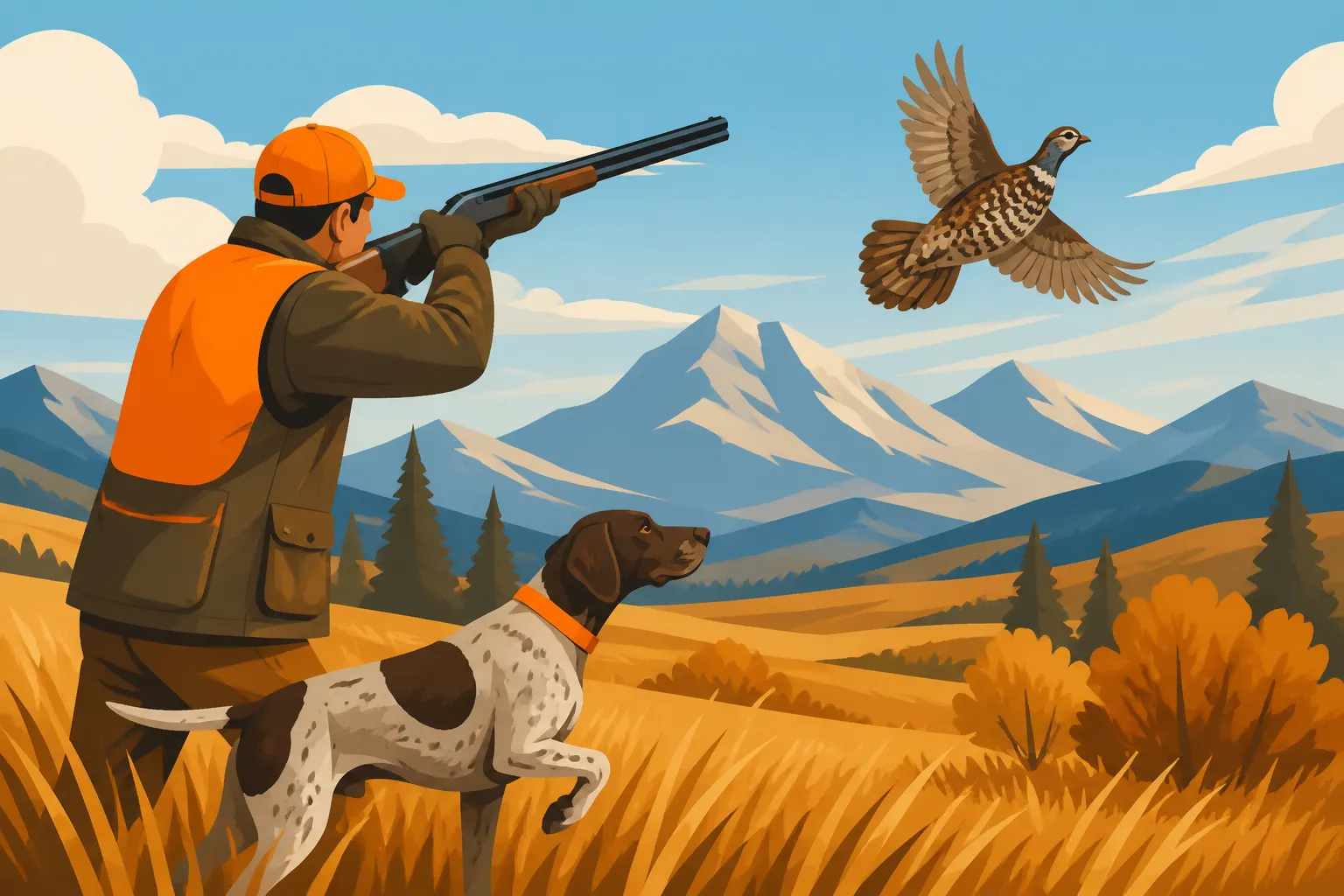
Pointing dogs are excellent for open country species like sharptails and Huns, where they can pinpoint birds, hold them, and allow the hunter to walk in for the flush. This allows for controlled shooting opportunities. Flushing dogs, on the other hand, are fantastic in dense cover for birds like ruffed grouse and pheasants, bursting into the thickets to push birds into the air. Regardless of the breed, a well-trained dog will quarter effectively, retrieve downed birds, and obey commands, making the hunt more efficient and ensuring less game is lost. Training a bird dog is a significant commitment, but the rewards are immeasurable. & Using a Pointing Dog on Alberta Prairie can dramatically change your success on Huns and sharptails, turning a frustrating day into a productive one. Always remember your dog's safety; carry water, first-aid, and be mindful of their limits in tough conditions.
Locating Upland Birds in Alberta's Varied Landscapes
Finding upland birds isn't just about luck; it's about understanding their habitat preferences and how to read the landscape. Alberta offers a vast and varied canvas, from rolling prairies to dense boreal forests, and each demands a different approach.
Scouting Prairie and Farmland Habitats
For species like sharp-tailed grouse and Hungarian partridge, Alberta’s prairie and farmland are prime hunting grounds. The key to success here lies in finding the intersection of food and cover. Sharptails will often be found in native grasslands, stubble fields, or patches of dense brush, especially those near agricultural crops like wheat, barley, or canola. They feed heavily in these fields, particularly during the morning and late afternoon, then retreat to heavier cover during the day. Look for taller grass, willow thickets, or ungrazed areas that provide protection from predators and the elements.
Huns, being smaller, are even more reliant on shelter. They gravitate towards areas with good edge cover: shelterbelts, fence lines, and the brushy margins of fields. They love to feed in stubble or swathed fields but will quickly run for the nearest dense cover when disturbed. Don't overlook the margins of sloughs or irrigation ditches, as these often hold excellent cover. Effective scouting in these areas involves driving secondary roads and using binoculars to spot birds, or better yet, walking field edges and working shelterbelts. Pay attention to fields that haven't been tilled for a while, as the residual cover and weed growth can be bird magnets. & Hunting a Shelterbelt Between Two Fields is a classic strategy for Huns and often productive.
Navigating Forest and Foothills for Grouse
When you transition to Alberta’s forests and foothills, your focus shifts to ruffed grouse and, less commonly, spruce grouse. These birds are masters of dense cover. Ruffed grouse thrive in mixed wood forests, especially those with aspen, poplar, and willow, often near water. Focus your efforts on disturbed areas of the forest, such as regenerating clear-cuts (especially those 5-15 years old), old logging roads, and creek bottoms. The younger, thicker growth provides essential cover and browse.
Slowly walking these old trails and forest edges, pausing frequently to listen for flushes, is a productive strategy. Ruffed grouse will often hold tight until you’re almost on top of them before erupting. Look for areas where different forest types meet, or where thickets provide an impenetrable refuge. For spruce grouse, you'll need to venture into more mature coniferous forests, like black spruce stands. They prefer deep timber and are less likely to be found in open areas. Utilizing & Ruffed Grouse Hunting Alberta's Bush Trails is a prime tactic, allowing you to cover ground efficiently while staying alert for those explosive flushes. Remember that in these denser areas, visibility is often limited, so keep your dog close and be aware of your surroundings.
Utilizing Mapping Tools and Local Knowledge
In today's hunting world, technology can be a huge asset. Apps like GoHunt, along with others such as onX Hunt or iHunter Alberta, are invaluable for locating public land, identifying potential habitats, and navigating unfamiliar territory. These tools allow you to layer different maps, including satellite imagery, land ownership boundaries, and WMU (Wildlife Management Unit) lines. You can mark potential hotspots, track your progress, and ensure you're always on legal ground.
Before heading out, spend time scouting from home using these digital tools. Look for green spaces in agricultural areas that might indicate native grass or thick cover. Identify old logging roads or clear-cuts in forested areas. Use & Scouting With Satellite Imagery in Alberta to pick out specific features like shelterbelts, creek bottoms, or field edges that look promising. However, don't underestimate the power of local knowledge. Talking to farmers, local residents, or even other hunters can provide priceless insights into bird movements and hotspots. Local coffee shops or rural gas stations are surprisingly good places to strike up conversations and gather information. Just be respectful and don't expect people to give up their secret spots easily! Combine your digital reconnaissance with on-the-ground exploration to maximize your chances of success.
| Species | Preferred Habitat | Key Tactics | Prime Location Example |
|---|---|---|---|
| Ruffed Grouse | Mixed wood forests, aspen bluffs, creek bottoms | Slow walks, old logging roads, flushing dog | Alberta's Foothills, Boreal Forest |
| Sharp-Tailed Grouse | Native grasslands, stubble fields, brushy coulees | Walk zig-zags, cover edges, pointing dog | Alberta's Prairies, Parkland |
| Hungarian Partridge | Farm country, shelterbelts, field edges | Walk fence lines, repeated flushes, pointing dog | Alberta's Agricultural Belt |
| Pheasant | Dense cover, cattail sloughs, ACA release sites | Drive/flush with groups, flushing dog | ACA Release Sites, Southern Alberta |
| Spruce Grouse | Dense coniferous forests, black timber | Bushwhacking, old seismic lines, quiet approach | Alberta's Boreal Forest |
| Ptarmigan | High alpine, rocky slopes, above treeline | Strenuous hiking, spot and stalk, extreme conditions | Alberta's Rocky Mountains |
Effective Hunting Strategies for Each Species
Once you understand where these birds live, the next step is developing strategies tailored to each species. What works for a ruffed grouse in dense bush won't necessarily work for a sharp-tailed grouse in open prairie. Adaptability is key to consistent success.
Walking Up Sharp-Tailed Grouse and Huns
Hunting sharp-tailed grouse and Hungarian partridge on the open prairie and farmland often involves a lot of walking. These birds tend to run before flushing, making them frustratingly elusive if you're not prepared. The most effective strategy is a methodical approach, often involving a zig-zag pattern across fields or along the edges of cover. This helps you cover ground thoroughly and increase the chances of stumbling upon a covey. For Huns, focus on working shelterbelts, fence lines, and the brushy margins where crops meet wilder ground. Walk into the wind if possible, as it helps your dog scent birds and can make birds flush into the wind, slowing them down slightly.
When a covey of Huns flushes, they'll often fly low and fast for a few hundred yards before dropping back into cover. Resist the urge to chase immediately. Instead, note where they landed, give them a few minutes to regroup, and then work that area again. Often, you can get multiple flushes from the same covey using this tactic. For sharptails, working native grass patches, especially those adjacent to stubble fields, is a reliable bet. Walk slowly, pause often, and be ready when the covey erupts. A good pointing dog is a game-changer for both these species, allowing you to approach birds that are holding tight, turning a "walking up" hunt into a more controlled "walk-in-and-flush" scenario. Remember, & Walking Up Sharp-Tailed Grouse in Alberta requires patience and persistence, as these birds can play hide-and-seek like no other.
Ruffed Grouse in the Thickets
Ruffed grouse hunting is a different beast entirely, characterized by quiet woods, dense cover, and explosive flushes. You're typically not covering vast distances in open fields but rather slowly navigating tangled undergrowth, old logging roads, and creek bottoms. The strategy here is patience and keen observation. Walk slowly, often pausing for 30 seconds or a minute in likely spots. Grouse will sometimes flush when you pause, thinking the immediate danger has passed, or give away their position with a nervous scurry through the leaves.
Focus on transitional areas where different types of cover meet – for instance, where an old logging road edges into a dense aspen stand or where a willow thicket runs alongside a creek. These "edge habitats" are prime grouse territory. Listen not just for the flush, but for the subtle sounds of movement in the leaves, or the soft "putt" of a bird signaling its presence. When a ruffed grouse flushes, it's often a dizzying, ear-splitting explosion right at your feet, followed by a zig-zag flight through the trees. Quick reflexes and an open choke are your best friends. A good flushing dog that works close can be invaluable, pushing birds that are holding tight and allowing you to get a shot before they vanish. If you're targeting ruffed grouse, understanding & Ruffed Grouse Hunting Alberta's Bush Trails is essential, as these often provide the best access and travel corridors for both you and the birds.
Pheasant Hunting Drive and Flush Tactics
Pheasant hunting, especially at Alberta’s designated release sites, often lends itself to group hunting tactics. Because pheasants prefer extremely dense cover and are notorious for running, a systematic drive-and-flush strategy is highly effective. This usually involves a line of "pushers" walking through heavy cover (like cattail sloughs, dense brush, or tall grass fields), while one or more "blockers" are positioned at the end of the cover to intercept birds that run or flush out the end.
Safety is paramount in group pheasant hunts. Everyone must know their position, their shooting lanes, and always be aware of where other hunters and dogs are. Blaze orange is not just recommended, it's mandatory and critical for visibility. Dogs are almost a necessity for pheasant hunting, particularly flushing breeds. They excel at rooting out birds hidden deep in thick cover and are essential for retrieving downed birds that can disappear into the dense vegetation. These hunts can be physically demanding, pushing through heavy brush, but the reward of a cackling pheasant bursting from cover is worth every step. Always check the regulations for specific release sites, as rules may vary. For more information on where these opportunities exist, check out the information on & Hunting Alberta's Released Pheasants on the ACA website.
Alberta's Upland Bird Seasons, Limits, and Regulations
Before you even think about stepping into the field, you need to be intimately familiar with Alberta's hunting regulations. These rules are in place for a reason—to ensure sustainable populations and safe hunting practices for everyone. Ignorance of the law is never an excuse.
Understanding Season Dates by WMU
Alberta's upland bird seasons can vary significantly depending on the species and the specific Wildlife Management Unit (WMU) you plan to hunt. While many common species like ruffed and sharp-tailed grouse have fairly generous general seasons that often open in September and run well into December, it's crucial to confirm the exact dates for your chosen area. Hungarian partridge often share similar season dates with grouse in the white area (agricultural zone), while pheasants, particularly at release sites, may have more specific, shorter seasons.
The early archery opener, typically in September, often allows for upland bird hunting with a bow, but most hunters pursue them with shotguns when the general season opens. Late-season hunting for grouse and Huns can be excellent, especially after a fresh snowfall reveals their tracks and concentrates them in specific cover. However, colder weather means the birds are often hunkering down more, which can make them harder to flush but can also make them hold tighter. Always consult the official Alberta Hunting Regulations every year, as dates and rules can change. An app like GoHunt can help you quickly check regulations for your specific WMU while you're in the field, making sure you stay compliant. For a general overview of & Upland Bird Season Dates and Limits, the Alberta regulations are your go-to.
Daily Bag Limits and Possession Limits
Each upland bird species in Alberta has specific daily bag limits and possession limits. The daily bag limit refers to the maximum number of birds of a particular species you can harvest in one calendar day. The possession limit, conversely, refers to the maximum number of birds you can have in your possession, whether in your cooler, freezer, or vehicle, at any given time. This limit is often higher than the daily bag limit, allowing hunters to accumulate birds over multiple days of hunting.
For example, typical daily bag limits might be 8 sharp-tailed grouse and 12 Hungarian partridge, with possession limits being double the daily bag. Pheasants might have a daily limit of 2, with a possession limit of 4. These numbers are subject to change, so always, always refer to the most current regulations. It's especially important to accurately identify your birds before shooting, as mistaken identity can lead to serious fines. Be mindful of mixed bags; if you're hunting multiple species in one day, ensure your total harvest doesn't exceed the combined daily limits.
Licence Requirements and Safety Rules
To legally hunt upland birds in Alberta, you'll need a few essential documents. First, an Alberta WIN (Wildlife Identification Number) Card is mandatory for all hunters. This unique ID is required to purchase any hunting licence in the province. Next, you'll need a Wildlife Certificate, which acts as your general hunting permit. Finally, you’ll purchase the specific licence for upland game birds. If you're an Alberta resident, these are relatively straightforward. Non-residents, whether from other Canadian provinces or international, will have additional requirements, often involving a hunter host or guide.
Safety is paramount in any hunting pursuit. All hunters must complete the & Alberta Hunter Education Course Requirements or an equivalent course. While not always mandatory for upland birds specifically, wearing blaze orange is highly recommended and often required. For instance, & Alberta Blaze Orange Requirements state that big game hunters must wear it, and many upland hunters choose to wear it as well for maximum visibility, especially when hunting with dogs or in groups. Never shoot across a road, know your target and what is beyond it, and always treat every firearm as if it's loaded. Understanding the shooting hours, which typically run from half an hour before sunrise to half an hour after sunset, is also critical. Always review the regulations regarding hunting near buildings, roads, and livestock to ensure a safe and legal hunt.
Best Practices for Ethical Upland Bird Hunting
Hunting is a privilege, not a right, and ethical conduct is the cornerstone of responsible hunting. Adhering to best practices ensures the sustainability of wildlife populations, maintains positive public perception, and honors the tradition of the hunt.
Respecting Landowners and Private Property
A significant portion of Alberta's prime upland bird habitat, particularly for Hungarian partridge and pheasants, lies on private land. Gaining access to these areas is crucial, and it hinges entirely on respectful engagement with landowners. Never, under any circumstances, hunt on private land without explicit permission. This isn't just common courtesy; it's the law. The Alberta Trespass Act is clear: you need permission to enter private land.
Before your hunt, make it a priority to contact landowners, ideally in person. Introduce yourself, explain what you want to hunt, and offer to share some of your harvest. Be gracious if permission is denied, and always thank them if it's granted. Once on their land, treat it with the utmost respect. Close all gates, avoid driving off established trails unless specifically permitted, don't disturb livestock, and pick up any spent shells or trash. Leaving the property in better condition than you found it is always a good policy. A positive relationship with a landowner can open doors for years of hunting opportunities. Remember, & Asking an Alberta Landowner for Permission is the essential first step to many successful hunts, especially for Huns.
Field Care and Game Management
Proper field care of your harvested birds is essential for ensuring the meat is high quality and delicious. As soon as a bird is harvested, cool it down quickly. This usually means breasting out the bird (removing the breast meat) or completely gutting it. If you plan to retrieve the whole bird for taxidermy or simply prefer to pluck them at home, ensure they are kept cool and dry. A cooler with ice is ideal, but avoid letting the birds sit directly in melted ice water for extended periods, as this can degrade the meat.
Proper game management also includes identifying your birds accurately and adhering to bag limits. If you're unsure of a species, don't shoot. Take the time to learn your birds and respect the limits. Additionally, be aware of any disease testing requirements. While CWD (Chronic Wasting Disease) is primarily a concern for cervids (deer, moose, elk), staying informed about any new wildlife health advisories is always good practice. Properly handled game not only tastes better but also shows respect for the animal and the resources.
Conservation and Sustainable Practices
Ethical hunting goes hand-in-hand with conservation. Responsible hunters understand that their actions directly impact the health of wildlife populations and their habitats. Supporting conservation organizations, like the Alberta Conservation Association (ACA), Ducks Unlimited Canada, or local wildlife federations, is a great way to give back. These organizations often work on habitat restoration, land acquisition, and wildlife research that directly benefits upland birds.
Practicing sustainable harvest means knowing when to walk away from a covey. While it's tempting to try and get every bird, leaving some behind ensures a healthy breeding population for the next season. Avoid over-pressuring specific areas, as this can stress birds and push them out of prime habitat. Report poaching or any suspicious activity to Alberta Fish and Wildlife; the "Report a Poacher" line is a vital tool in protecting our wildlife. Finally, adhere to all regulations regarding non-toxic shot, especially if hunting near water bodies where waterfowl may also be present. By consistently practicing these ethical behaviors, we ensure that the tradition of upland bird hunting in Alberta remains strong and vibrant for generations to come.
Common Challenges and Troubleshooting on an Alberta Upland Hunt
Even with the best preparation, upland bird hunting in Alberta can throw some curveballs. From unpredictable weather to elusive birds or dog issues, being able to troubleshoot on the fly is a valuable skill.
Dealing with Difficult Weather Conditions
Alberta's weather can be one of the biggest challenges for an upland hunter. Early season hunts can be surprisingly hot and dry, leading to scenting difficulties for dogs and uncomfortable conditions for hunters. In these cases, focus on hunting early mornings or late evenings when temperatures are cooler. Birds might also be closer to water sources. Conversely, late-season hunts can bring deep cold, snow, and strong winds. Snow can be a double-edged sword: light snow might make tracking easier and concentrate birds, but heavy, deep snow makes walking difficult and can push birds into impenetrable cover.
Wind is a constant factor on the prairie. Strong winds can make birds wilder, flushing at longer ranges, and can also make shooting challenging. Dress in layers, prioritizing windproof and waterproof outer shells. For cold weather, ensure your gear includes warm boots, gloves, and headwear. Staying hydrated is crucial in both hot and cold conditions. If the weather turns truly nasty, sometimes the best strategy is to hunker down, warm up, and try again when conditions improve. Remember, & Hunting Alberta Winter Weather Safely is about being prepared, not just toughing it out. A winter truck kit is also a wise precaution for those cold, remote hunts.
Managing Dog Performance and Safety
Your hunting dog is a vital part of the team, but they also face unique challenges. Overheating is a major concern on warm days or during strenuous activity. Carry plenty of water for your dog and offer it frequently. Watch for signs of overheating like excessive panting, lethargy, or stumbling. In thick or thorny cover, dog boots can protect their paws from cuts and abrasions. Field first-aid kits for dogs, including wound care, pain relief, and tools for removing porcupine quills, are highly recommended.
Dog performance can also be impacted by scenting conditions. Dry, windy days make it harder for dogs to pick up scent. If your dog seems to be struggling, try working areas with more moisture, like creek beds or marsh edges. Training issues can also surface during a hunt. If your dog isn't ranging correctly, constantly breaking point, or not retrieving, it might be time to revisit some basic training drills between hunts. Remember that dogs, like humans, have good and bad days. Don't get discouraged, and always prioritize your dog's well-being over bagging a limit.
Finding Birds When They Seem Non-Existent
There will be days when, despite all your efforts, the birds just seem to have vanished. This can be incredibly frustrating. When this happens, it's time to reassess your strategy. Are you in the right habitat for the conditions? For instance, if it's a hot day, birds might be holding tighter in deep, shaded cover or near water. If it's cold and windy, they might be tucked into a protected coulee bottom or dense shelterbelt.
Don't be afraid to change locations or tactics. If you've walked the field edges repeatedly without success, try walking through the center. If the grouse aren't on the logging roads, try bushwhacking into the dense pockets of timber. Re-consult your mapping apps like GoHunt to identify alternative cover or food sources you might have overlooked. Sometimes, simply moving to a different WMU with slightly different habitat can yield results. Persistence, flexibility, and a willingness to learn from each outing are the hallmarks of a successful upland bird hunter. The birds are there; you just need to figure out where they've decided to be today.
Disclaimer
The information provided in this guide is for general informational purposes only and is not intended as legal advice. Hunting regulations in Alberta are subject to change, and it is the hunter's responsibility to consult the most current official Alberta Hunting Regulations before engaging in any hunting activities. Always ensure you have the appropriate licenses, understand local WMU rules, and adhere to all safety protocols.