Hunting a Coulee Above a River
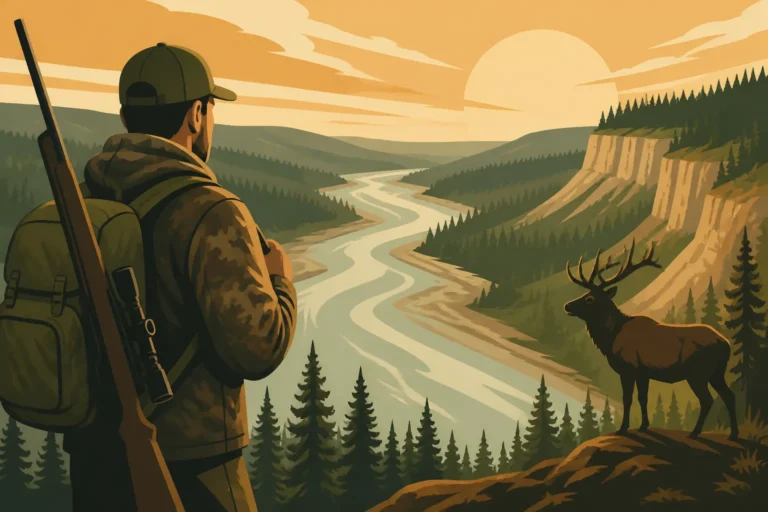
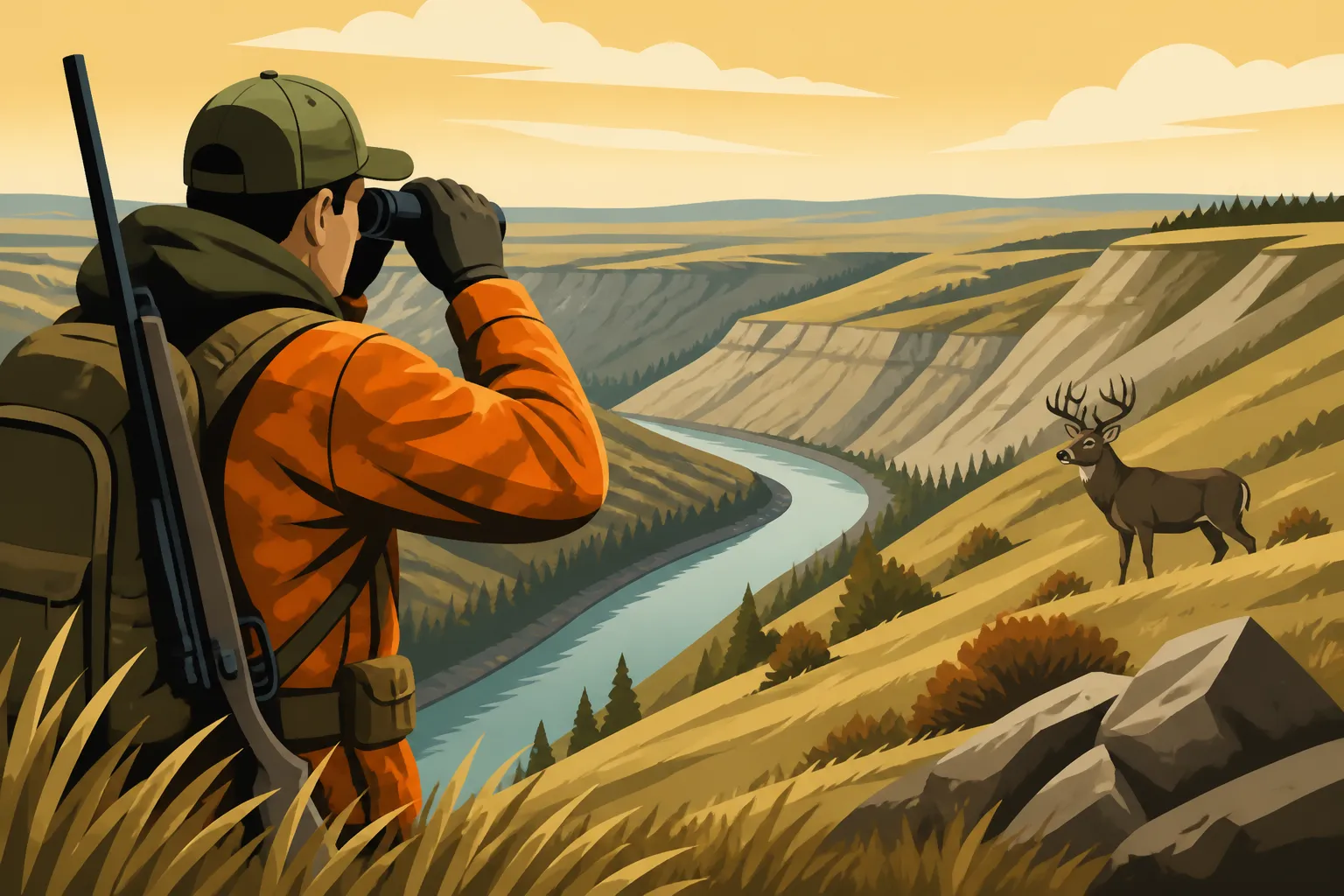
The vastness of Alberta's landscapes can be truly inspiring, but when you're staring down into a deep coulee that snakes its way towards a mighty river, it can also feel incredibly daunting. You know the animals are down there – the cover is thick, water is near, and it just looks like prime habitat – but figuring out how to effectively hunt those steep, broken edges without spooking everything for miles is a challenge many of us face. This guide is all about demystifying those river-adjacent coulees, helping you understand why they're so attractive to game and, more importantly, how to approach them with a solid plan.
Understanding the Coulee-River Connection
When we talk about hunting coulees that run into or alongside a river, we're really talking about a dynamic ecosystem where two powerful natural features combine to create exceptional wildlife habitat. It's not just a big ditch; it's a strategic corridor, a sanctuary, and a food source all rolled into one. Animals are experts at finding the path of least resistance and the safest havens, and these areas offer both.
Why River Systems Attract Game
Rivers are lifeblood for any landscape, and Alberta's major waterways like the Red Deer River, Bow River, and Peace River are no exception. They act as natural magnets for a huge array of game species. Think about it: a river provides a consistent water source, which is foundational for all wildlife. Even when sloughs and potholes dry up in a long, hot fall, the river keeps flowing, making it a reliable destination.
Beyond hydration, river valleys often boast a different kind of vegetation. The moisture allows for thicker stands of aspen, willow, and various shrubs along the banks and in the bottomlands, offering crucial browse and cover that might be sparse on the drier uplands. These denser growth patterns provide excellent thermal cover in cold snaps and shade during hot days, creating comfortable bedding areas. Furthermore, rivers act as massive travel corridors. Animals will often follow the river's edge, using the breaks and benches for easy movement, especially during migration or when moving between feeding and bedding areas. You might find anything from White-Tailed Deer, Alberta's Most Hunted Big Game and Mule Deer in Alberta's Open Country to Elk in Alberta's Mountains and Farmland and even Moose Across Alberta's Boreal and Foothills utilizing these river systems. The river itself creates a highway, and the coulees are the off-ramps and on-ramps.
The Coulee as a Natural Funnel and Sanctuary
Now, layer the coulee on top of that river system, and you've got an even more compelling proposition for wildlife. A coulee is essentially a deep, steep-sided gully or ravine, often carved by ancient meltwaters or ongoing erosion. When these breaks intersect a river valley, they become prime real estate. The topography of a coulee is inherently protective. Its steep sides offer natural concealment and make it difficult for predators (or hunters!) to approach unseen. Animals can bed down on benches or in timber pockets along the coulee's flanks, feeling secure with the wind swirling above and below them.
These coulees also act as natural funnels. Imagine a vast prairie or open farmland; deer and elk don't want to cross it openly. Instead, they'll use the draws and coulees as covered routes to move from one area to another, eventually leading them to the river for water or to cross. The breaks and undulations provide endless opportunities for concealment and escape. A deer might bed high on a coulee's rim, observing the open country, then slip down into the bottom to approach the river, or move along a mid-level bench to escape danger. The convergence of multiple coulees leading to a river can create incredible choke points, where game movement becomes highly predictable. In areas like the famous Red Deer River Badlands, or the Milk River Ridge, these coulee systems are the backbone of deer and elk movement. They're not just places where animals are, but places where they have to be.
Scouting Strategies for River-Adjacent Coulees
Successfully hunting a coulee above a river isn't about aimlessly wandering; it's about meticulous preparation. These areas can be physically demanding and disorienting if you don't have a plan. Effective scouting, both from afar and on the ground, is your secret weapon.
Mapping and Aerial Reconnaissance
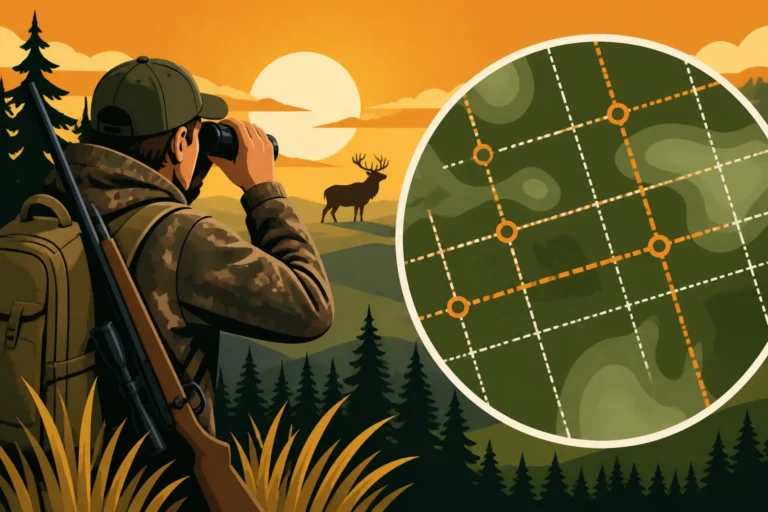
Before you ever set foot in a coulee, you need to understand its contours from a bird's-eye view. This is where modern mapping applications become indispensable. Tools like onX Hunt or GoHunt allow you to pore over satellite imagery and topographical maps, revealing hidden features you'd never spot from the road. Look for key features:
- Pinch points: Where the coulee narrows significantly, forcing animals into a tighter corridor.
- Benches: Flat or gently sloped terraces along the coulee sides, often used for bedding or travel. These are prime spots to investigate.
- Timber pockets: Any dense stands of trees or brush within the coulee, providing cover and shade.
- Water sources: Besides the main river, look for seep springs or small ponds within the coulee itself.
- Access routes: Identify ways you can get in and out of the coulee efficiently and quietly.
- Connecting draws: Does this coulee connect to other smaller draws or fields further inland? These are highways for game.
Using the topo lines, you can start to predict where animals might bed – typically on benches that offer a good view downwind and thermal protection. You can also trace likely travel corridors that connect the coulee bottom to the uplands or to the river's edge. This kind of Scouting With Satellite Imagery in Alberta allows you to virtually walk the terrain, saving you valuable time and effort on the ground. When you're dealing with vast areas, identifying these specific micro-features before you even leave your living room is a game-changer. Don't just look at the big picture; zoom in and find those subtle changes in elevation, the darker green patches indicating denser cover, and the subtle lines that suggest game trails. This detailed mapping is crucial for understanding how game might use a specific Hunting a Prairie Coulee Bottom or a deeper, timbered break.
Boots-on-the-Ground Scouting
Once you've done your homework with the maps, it's time to put boots on the ground. The real test is confirming what you saw from above and discovering what the satellite couldn't tell you. When scouting, focus on walking the areas you identified as potential travel routes or bedding zones. Look for fresh sign:
- Tracks: Are there fresh tracks moving along the bottom, up the benches, or towards the river? Are they deer, elk, or moose? How fresh are they?
- Rubs and scrapes: Especially during the rut, these are undeniable indicators of bucks and bulls. Look for them along prominent trails or choke points.
- Beds: Often found on benches, just below the rim, or nestled into thick cover. Look for flattened grass or disturbed leaves.
- Droppings: Again, freshness and quantity tell you how recently and how heavily an area is being used.
Pay close attention to how animals are using the terrain. Do they prefer certain benches? Are there specific crossings over the river or points where they move between the coulee and the open land? Consider the wind and thermals. In river valleys and coulees, air currents can be tricky. Mornings often see thermals rising, pulling your scent upwards, while evenings see them dropping, pushing your scent down into the coulee. Knowing this will dictate your approach. You might find a well-worn path leading from an aspen bluff on the coulee rim down to a hidden spring within the coulee itself. This kind of discovery is what makes the hard work of scouting pay off, providing concrete evidence of where game is moving and why. Always consult an updated Reading an Alberta WMU Map Before You Go to ensure you're within legal hunting boundaries, as public and private land can often intertwine along river systems.
Hunting Techniques for River Coulees
Hunting river-adjacent coulees demands a blend of patience, stealth, and strategic thinking. Depending on the species you're after and the specific features of the coulee, you'll need to adapt your approach. These aren't flat, open fields; they're three-dimensional puzzles.
Still Hunting and Stalking the Benches
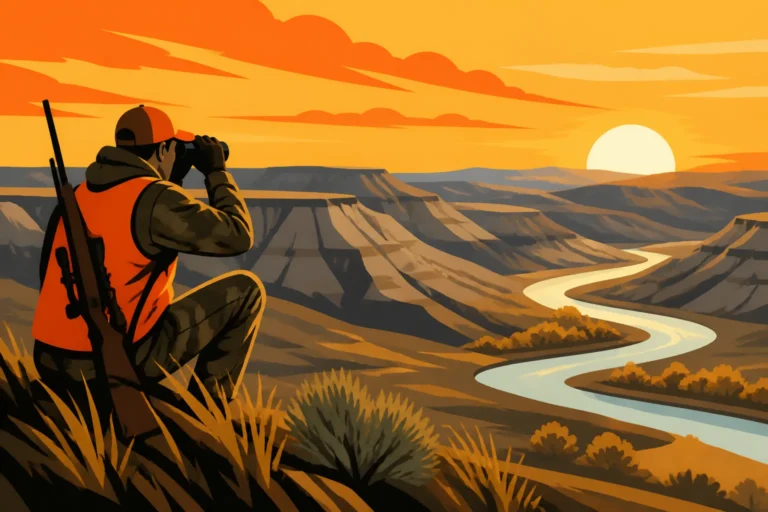
Still hunting is arguably one of the most effective methods in coulee country, especially if you're targeting deer or elk that might be bedded in the thick cover. This technique is all about moving incredibly slowly, taking a few steps, then stopping and glassing for several minutes. Use your binoculars to pick apart every shadow, every clump of brush, and every fallen tree. Animals often blend in seamlessly, and it's amazing what you'll spot once your eyes adjust to the nuances of the terrain.
When still hunting or stalking, always use the terrain to your advantage. Stay on the downside of ridges, use thick brush for concealment, and move with the wind in your face or across you. Focus on the benches and the edges of the timber pockets within the coulee. This is where animals will often bed during the day, seeking shelter and security. If you're Glassing an Alberta Coulee for Mule Deer, for example, you'll spend a lot of time scanning those sunny, south-facing slopes in the morning or the shadier north-facing slopes in the afternoon. The key is to be constantly aware of your surroundings and move with deliberate, quiet steps. Think like the animal you're pursuing: where would you bed if you wanted to see danger coming? Where would you travel if you wanted to remain hidden?
Stand Hunting Ambush Points
While coulees scream "spot and stalk," setting up a treestand or ground blind at a well-chosen ambush point can be incredibly productive, especially during the rut or if you've identified consistent travel patterns. The trick is finding those natural choke points that funnel game.
- Coulee Intersections: Where two or more draws meet, creating a natural crossroads.
- River Crossings: Points where animals are regularly crossing the river itself, or moving from the river bottom up into the coulee.
- Food Sources: If there's a small pocket of alfalfa, a cluster of berry bushes, or even a standing grain field just above the coulee rim, animals will use the coulee to access it.
- Watering Holes: Besides the main river, any smaller seep or spring within the coulee will attract game.
When placing your stand, wind direction is paramount. Coulees can create tricky swirling winds, so try to pick a spot where your scent will be carried away from the likely approach routes of the animals. Consider a stand placed on a prominent Hunting a Foothills Bench Above a Creek, offering a commanding view without silhouetting yourself. Early morning and late evening are typically the most productive times, as animals are moving between bedding and feeding areas. A well-placed stand can intercept deer or elk moving from their daytime beds in the coulee's depths up to the agricultural fields or open uplands, or vice-versa. Remember, even in rugged country, animals often follow the path of least resistance, and identifying those worn paths is key to successful stand placement.
Calling Strategies in River Coulees
The broken terrain of a coulee can surprisingly amplify certain calling strategies. The natural acoustics of the steep walls can make a call carry further and sound more realistic, drawing game in from a greater distance. Conversely, it can also make it harder for the animal to pinpoint your exact location, which can work to your advantage in getting them to commit.
For whitetails, especially during the rut, rattling antlers and using grunt calls can be highly effective. The sounds of a challenging buck fight can echo through the coulee, drawing in curious bucks looking for a fight or a receptive doe. Consider Rattling and Calling Whitetails in Farm Country where similar broken terrain can apply. For elk, bugling can be incredibly exciting. A strong bugle ripping through a river valley can challenge a bull and often gets an immediate response. When Bugling to a Foothills Bull Elk in coulee country, you might find the terrain helps carry your sound but also requires careful listening for a response, as the echoes can be deceptive.
Always consider the wind and thermals when calling. Your call might bring an animal closer, but if your scent is blowing directly to them, the hunt will likely be over before it truly begins. Position yourself to have good visibility of any approaching animal, and be ready for a quick shot once they commit. The advantage of a coulee is that an animal might come into the draw from an unexpected angle, using the cover to approach stealthily, so constant vigilance is a must.
Overcoming Challenges and Safety
Hunting river-adjacent coulees in Alberta is undoubtedly rewarding, but it's not without its challenges. From rugged terrain to the practicalities of land access and unpredictable weather, you need to be prepared for anything these dynamic environments can throw at you.
Navigating Steep Terrain and Variable Weather
The biggest physical challenge of hunting coulees is the terrain itself. These aren't gentle rolling hills; they can be incredibly steep, with loose rock, shale, and thick, thorny brush. Good physical conditioning is paramount. You'll be doing a lot of climbing, descending, and traversing uneven ground, often with a pack. Invest in high-quality, ankle-supporting hiking boots with excellent traction. Trekking poles can be an absolute game-changer, providing stability and reducing strain on your knees, especially when descending those steep, slippery slopes.
Weather in Alberta, particularly in river valleys, can be notoriously fickle. You might start the day with a crisp, clear morning, only for a sudden squall to blow in, bringing rain, snow, or even freezing rain. The bottom of a coulee or river valley can feel significantly colder or hotter than the uplands due to thermals and trapped air. Always dress in layers, and carry extra warm, waterproof clothing, even if the forecast looks mild. Consider the potential for rapid water level changes in the river during periods of heavy rain, which could affect crossings or access points. Safety first: know your limits, don't attempt to scale dangerous cliffs, and always inform someone of your hunting plans and expected return time. Hunting Alberta Winter Weather Safely is a completely different ball game and requires even more diligent preparation.
Access and Land Ownership
Alberta's land ownership can be a mosaic, especially around river systems, where Crown land, private deeded land, and grazing leases often meet. Before you head out, it is absolutely crucial to know exactly where you are and what the rules are. The best resources for this are online mapping tools like onX Hunt or Alberta's Recreational Access Mapping Tool. These tools clearly delineate Crown land, private land, and other access restrictions.
Never assume open access. Even if a coulee looks wild and untamed, it might be entirely on private property. Asking an Alberta Landowner for Permission is not just good etiquette; it's the law. Trespassing is a serious offense, and it gives all hunters a bad name. If you're hunting within a provincial grazing reserve or other leased Crown land, ensure you understand the specific rules for vehicle access and camping, and if possible, inform the leaseholder of your presence. For those areas with clear public access, such as portions of the Red Deer River valley, remember that other hunters will likely have the same idea. Being early, hiking further, and finding those less-obvious entry points can pay dividends. Always carry proof of your licences and identification, and be ready to produce them if asked by a landowner or Fish & Wildlife officer. Understanding Hunting a River Valley Bottom in Alberta compared to the adjacent coulees is crucial, as access rules can sometimes vary slightly even within the same geographic feature.
| Feature | Description | Hunting Significance |
|---|---|---|
| River | Consistent water source, riparian vegetation, travel corridor. | Attracts all game; natural highway; creates microclimates for cover and food. |
| Coulee Walls/Breaks | Steep, often timbered or brushy slopes leading from uplands to river. | Offers concealment, escape routes, bedding areas; funnels game movement. |
| Benches | Flat or gently sloped terraces along coulee sides. | Prime bedding sites with good visibility and thermal cover; excellent ambush spots. |
| Timber Pockets | Dense stands of trees/shrubs within coulee or on benches. | Offers deep cover for bedding and escape; crucial thermal and concealment spots. |
| Choke Points | Areas where coulee narrows, or multiple draws converge. | Highly predictable game movement; ideal for stand hunting or still hunting. |
| Seep Springs | Small, natural water sources within the coulee, away from the main river. | Important, often overlooked water sources for game, especially in dry periods. |
Disclaimer
This article is for general informational purposes only and does not constitute professional advice. Laws, prices and regulations vary by location and change over time. Consult a qualified professional for guidance on your specific situation.