Combining a Deer and Bird Hunt
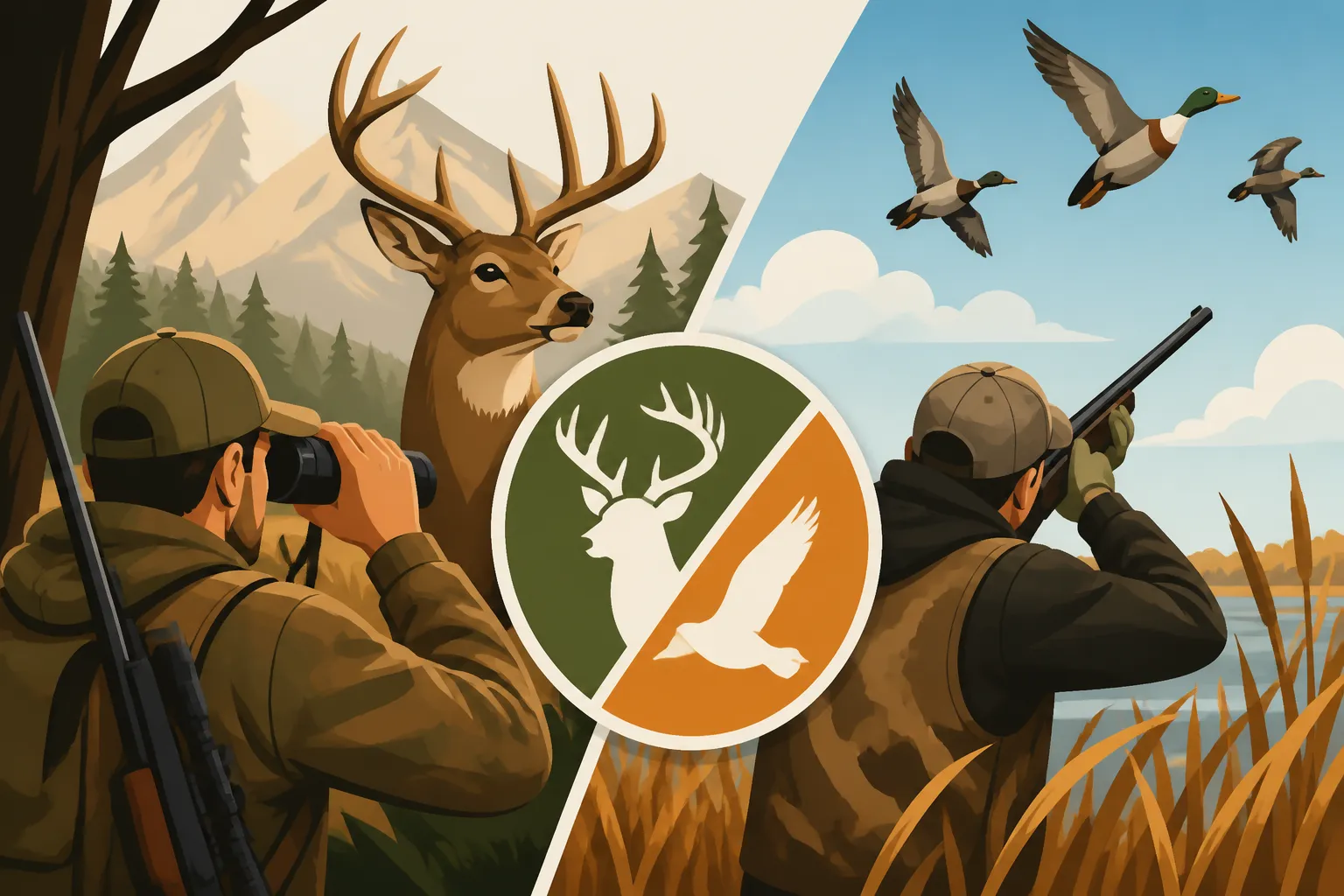
It's no secret that life gets busy, and time off for hunting can feel like a precious commodity. If you're anything like me, you've probably found yourself wishing you could squeeze more into your annual trip to the Alberta wilderness. The good news is, you absolutely can! Combining a deer hunt with an upland bird hunt in Alberta isn't just possible; it's an incredibly rewarding way to maximize your time, diversify your experience, and truly immerse yourself in the province's rich hunting opportunities. This guide will walk you through the ins and outs of planning such a memorable adventure.
The Allure of a Combo Hunt: Why Mix Deer and Birds in Alberta?
The idea of chasing two different game species on a single trip might seem ambitious, but for many hunters, it's the ultimate way to experience Alberta. Instead of committing to just one pursuit, a combo hunt offers a dynamic experience that keeps you engaged and presents unique challenges and rewards throughout your time afield.
Maximizing Your Investment and Time in the Field
Let's be honest, hunting trips cost money and time. Travel, accommodation, licenses, gear – it all adds up. Taking a dedicated trip for deer and then another for birds means double the investment in many areas. By combining them, you're making every dollar and every vacation day work harder for you. Imagine spending your mornings glassing for a big whitetail buck and your afternoons walking bush trails, flushing grouse. It breaks up the day, keeps your senses sharp, and ensures there's rarely a dull moment. This efficiency is a huge draw for busy hunters who want to get the most out of their limited opportunities. It's about getting more value, more adventure, and more stories to tell from one incredible journey.
Experiencing Alberta's Diverse Ecosystems and Species
Alberta is a vast province with an incredible array of habitats, from the open prairie to the dense boreal forest, and the rolling foothills in between. Many of these diverse landscapes aren't just home to one type of game; they support a rich tapestry of wildlife. When you combine a deer hunt with an upland bird hunt, you naturally get to explore more of this ecological diversity. You might find yourself Hunting a River Valley Bottom in Alberta for whitetails in the morning, then shifting to a nearby aspen stand or shelterbelt to chase ruffed grouse or Hungarian partridge in the afternoon. This dual focus often takes you through varied terrain, allowing you to appreciate different aspects of Alberta's natural beauty and understand how various species interact within those environments. From the careful stealth of stalking a mule deer in the badlands to the explosive flush of a sharp-tailed grouse from a grassy cover, the range of experiences is truly unmatched.
Navigating the Nuances: Seasons, Licenses, and WMU Selection
Planning a combined hunt requires a bit more homework than a single-species trip, especially when it comes to understanding the regulations. Alberta's hunting framework is designed to manage individual species effectively, so you'll need to pay close attention to ensure you're compliant across the board.
Understanding Overlapping Seasons: Timing is Everything
The key to a successful combined hunt lies in timing. You need to find a window when both deer and upland bird seasons are open in the same, or at least adjacent, areas. Generally, the fall is your best bet for this in Alberta. Alberta Big Game Season Dates typically run from late August for some archery seasons, with rifle seasons kicking off in late October and extending into November or early December, especially for whitetails during the rut. Coincidentally, Alberta Game Bird Seasons and Limits for species like ruffed grouse, spruce grouse, sharp-tailed grouse, and Hungarian partridge also tend to open in September and often run well into December.
For instance, the peak of the whitetail rut in early to mid-November often aligns perfectly with robust upland bird opportunities. You might find yourself focusing on deer early and late in the day when they are most active, and then switching gears for birds during the quieter mid-day hours. It’s a fantastic way to keep the action going and prevent those lulls that sometimes happen when you're strictly pursuing big game. Always consult the current Alberta hunting regulations to pinpoint the exact dates for your chosen species and WMUs, as these can vary slightly year to year and by region.
Licensing Requirements for a Multi-Species Trip
To embark on your combined deer and bird adventure, you'll need to acquire the appropriate permits. This means going beyond just your big game tag. Every hunter in Alberta needs an Alberta WIN (Wildlife Identification Number) Card and a Wildlife Certificate. Once those are in order, you'll need specific licenses for each type of animal you intend to harvest.
For deer, you'll generally need either a General Whitetail Deer Tag, a General Mule Deer Tag, or if you're lucky, a Special Licence for antlered or antlerless deer acquired through the draw system. For upland birds, you'll need an Alberta Game Bird Licence. If you also decide to chase waterfowl, you'll need a Federal Migratory Game Bird Permit in addition to your provincial game bird licence. It’s crucial to remember that each license has its own cost and eligibility requirements. Make sure you purchase all necessary licenses before you head out, as game wardens take compliance very seriously. You can find detailed information on these requirements on the official AlbertaRELM website, and knowing Alberta Hunting Licences and What They Cost will help you budget appropriately.
Choosing the Right Wildlife Management Unit (WMU)
Alberta is divided into numerous Alberta's Wildlife Management Units (WMUs), each with its own specific regulations, season dates, and game populations. For a combined deer and bird hunt, your success will largely hinge on selecting WMUs that offer strong opportunities for both species.
Areas that blend agricultural land with aspen parkland, dense bush, river valleys, or the fringes of the foothills often provide excellent habitat for both whitetail deer and several species of upland birds like ruffed grouse and Hungarian partridge. For example, some of the parkland WMUs in central Alberta, or certain foothills WMUs, can be fantastic choices. These areas often have thick cover for deer, along with abundant food sources and edge habitat that upland birds thrive in. Conversely, deep mountain WMUs, while excellent for some big game, might not offer the same bird hunting opportunities. Do your research, scout using satellite imagery, and look for WMUs known for healthy populations of both deer and the specific bird species you're targeting. Don't be afraid to Scouting an Alberta WMU Before Season to get a feel for the terrain and game sign.
Practicalities on the Ground: Gear, Strategy, and Meat Care
Once you've got your seasons aligned and your licenses in hand, the real fun begins: preparing for the actual hunt. A combined hunt means being adaptable with your gear and your approach, ensuring you’re ready for whatever the day throws at you.
Adapting Your Gear for Both Big Game and Upland Birds
One of the biggest questions when combining hunts is often around weaponry. Can you use the same firearm for both? In many cases, yes, but it depends on the specific regulations and your personal preference. While Legal Firearms and Bows for Big Game specifies minimum calibers for big game, a shotgun, often preferred for birds, might also be legal for deer with slugs in certain zones or seasons. However, most hunters prefer a dedicated rifle for deer and a shotgun for birds.
If you're bringing both, consider how you'll transport them safely and efficiently. Clothing also needs to be versatile. You'll want layers that keep you warm during chilly deer stands at dawn but are breathable enough for active bird flushing. Durable, comfortable boots are a must for covering varied terrain. Don't forget your blaze orange; Alberta Blaze Orange and Safety Rules are in effect during general big game seasons, and while not always required for bird hunting, it's always a smart safety measure. If you hunt with a dog for birds, ensure they are well-trained and that you understand the rules for hunting with dogs in Alberta, especially if deer are present.
Developing Effective Dual-Species Hunting Strategies
The beauty of a combined hunt is the ability to shift your focus based on time of day, weather, and opportunity. Deer are typically most active during low-light hours – dawn and dusk. This is your prime time for Hunting the Rut in Early November for whitetails or glassing open country for mule deer. Mid-day, when deer activity often slows, is the perfect window to transition to bird hunting.
You could spend those middle hours walking through aspen bluffs for ruffed grouse, or working field edges and shelterbelts for Huns. Sometimes, bird hunting can even aid in deer hunting; for example, walking through thick cover to flush grouse might inadvertently push deer out into more open areas you've been watching. Or, while still-hunting for deer, you might stumble upon a covey of partridge. The key is to remain flexible and always be aware of your surroundings, ready to adapt to either opportunity. Always carry both types of ammunition, or at least have your bird shotgun readily accessible when not actively deer hunting.
Handling and Transporting a Mixed Bag
Once you've had success, managing your harvest becomes paramount. Field dressing a deer quickly and efficiently is crucial, especially in varying fall temperatures. You'll need to know about Meat Care in Alberta's Cold and Warm Swings to ensure your deer meat is cooled properly to prevent spoilage. Tagging requirements for deer are strict; ensure your tag is immediately affixed and cancelled as per regulations.
For birds, the process is generally simpler. Many hunters breast out their birds in the field, keeping proof of species and sex (if required) until they are back at camp or home. Make sure you understand bag limits for all species you're pursuing. When transporting your game, you must be able to prove ownership and legal harvest. This typically means having your licenses and tags with the animal. Having a cooler with ice (or dry ice for longer trips) ready for both your deer quarters and your bird breasts is essential for maintaining meat quality.
DIY Versus Guided: Crafting Your Combined Alberta Adventure
Deciding whether to go it alone or enlist the help of a professional is a significant choice for any hunting trip, and even more so for a combined hunt. Both approaches have their merits, depending on your experience, budget, and desired level of logistical support.
The Benefits of a Guided Combined Hunt
For hunters seeking a streamlined, high-probability experience, or those traveling from outside Alberta, a guided combined hunt can be an excellent option. Hunting Guides and Outfitters in Alberta offer a wealth of knowledge about local game populations, access to prime hunting grounds (both private and public), and all the logistical support you could ask for. An outfitter specializing in combo hunts will have done the groundwork to secure permissions, scout for both deer and birds, and can often provide accommodation, meals, and even transportation within the hunting area.
They understand the nuances of overlapping seasons and can tailor a trip to maximize your chances for both species. If you're coming from out of province, remember that Rules for Non-Residents Hunting Alberta often require you to hunt with a licensed outfitter or a resident "hunter host" for big game. Platforms like BookYourHunt can be incredibly useful resources for finding reputable outfitters who offer Alberta Combination Hunt Packages. Similarly, resources like GoHunt often provide detailed insights and connections to guide services, helping you research and select an outfitter that truly aligns with your hunting goals for both deer and birds. While a guided hunt might entail a higher initial cost, the reduction in planning stress and the increased potential for success can be well worth the investment for many.
Planning a Self-Guided Combo Hunt
For experienced Alberta residents, or those with ample time for planning and scouting, a self-guided combined hunt offers unparalleled freedom and a deep sense of accomplishment. This approach requires significantly more legwork, however. You'll be responsible for all your own scouting, license acquisition, gear organization, and securing access.
You'll need to meticulously research WMUs for both deer and bird populations, identify suitable public land (like provincial grazing reserves or Public Land Use Zones), and be prepared to Asking an Alberta Landowner for Permission if you plan to hunt private land. This often means knocking on doors or making phone calls well in advance of the season. A great deal of satisfaction comes from successfully putting together a hunt entirely on your own terms, and the challenge of figuring out the patterns of two different species in a new area is incredibly rewarding. Just be prepared for the extra effort involved in scouting, logistics, and being entirely self-reliant in the field. Ultimately, whether you choose to go with a guide or venture out on your own, the experience of a combined deer and bird hunt in Alberta promises an unforgettable adventure.
| Aspect | Deer Hunting | Upland Bird Hunting |
|---|---|---|
| Primary Season Overlap | Fall (October-December) | Fall (September-December) |
| Typical Legal Weaponry | Rifle, Bow, Muzzleloader | Shotgun, Small calibre rifle |
| Ideal Habitat for Combo | Parkland, Foothills, River Valleys, Forest Edges | Parkland, Foothills, River Valleys, Forest Edges |
| Prime Activity Times | Dawn, Dusk, Early Morning | Mid-day |
| Focus of Scouting | Sign, trails, bedding areas, food sources, pinch points | Cover, food sources, dusting spots, water sources, trails |
| Key Licenses Needed | WIN Card, Wildlife Cert, Deer Tag(s) | WIN Card, Wildlife Cert, Game Bird Licence |
| Non-Resident Requirement | Hunter Host or Outfitter | No specific requirement for most birds |
| Physical Exertion | Stalking, stand sitting, glassing, heavy packing | Walking, flushing, light packing |
| Meat Care Emphasis | Immediate field dressing, rapid cooling, proper tagging | Field dressing (often breasting), cooling, proper identification |
Disclaimer
This article is for general informational purposes only and does not constitute professional advice. Laws, prices and regulations vary by location and change over time. Consult a qualified professional for guidance on your specific situation.