Jump-Shooting an Alberta Prairie Pothole
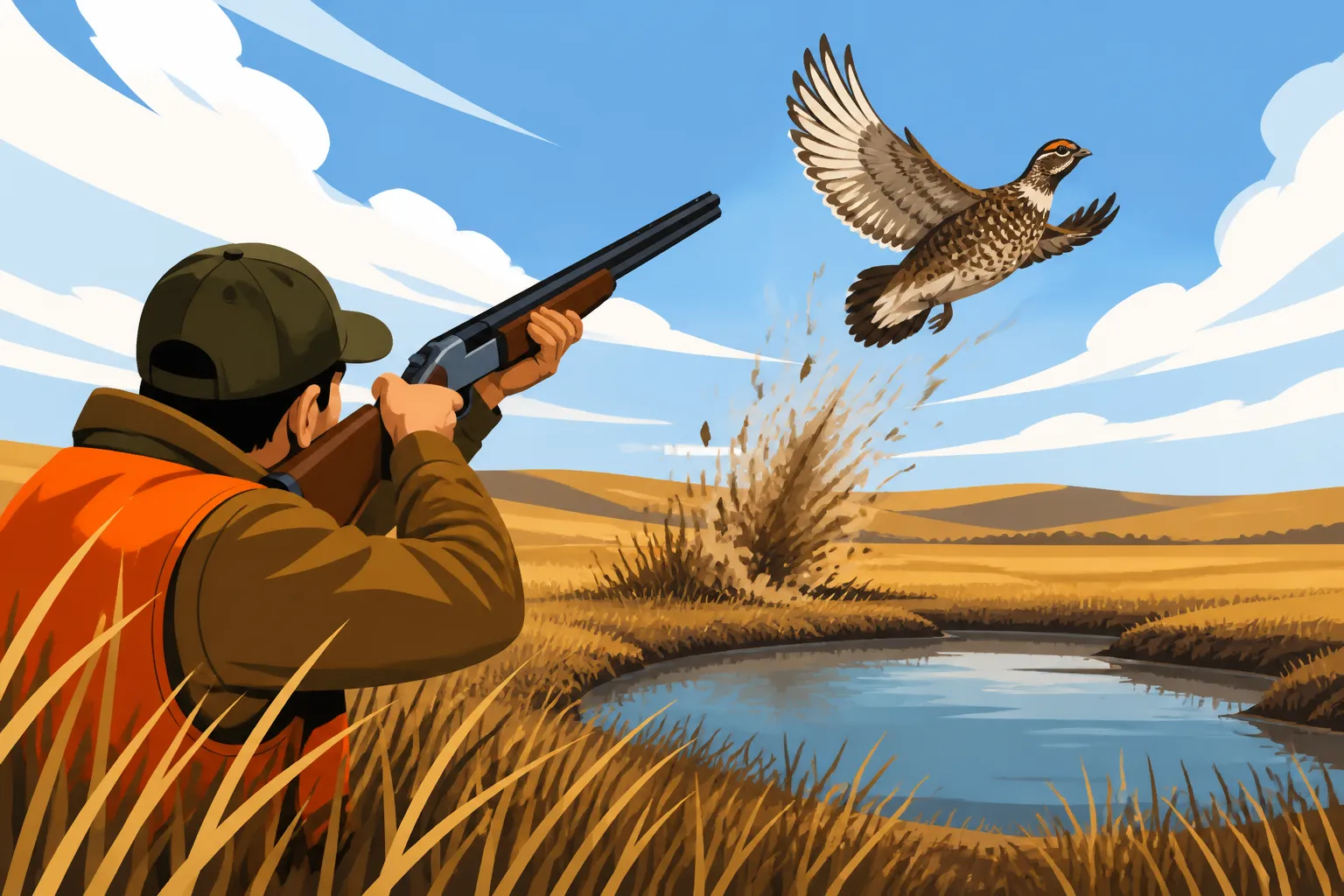
There's nothing quite like the rush of walking up on an unsuspecting flock of ducks tucked into a small prairie pothole, hearing the sudden roar of wings, and making a quick, clean shot. While many hunters focus on elaborate decoy spreads or field hunting geese, the simple, exciting method of jump-shooting small water can be incredibly effective and deeply rewarding in Alberta's vast duck country. This guide will walk you through everything you need to know to successfully stalk and harvest ducks from the hidden gems of our prairie landscapes.
The Unique Appeal of Jump-Shooting Alberta's Potholes
Alberta's prairie regions are famously known as the "duck factory of North America," a moniker earned due to the sheer abundance of small, shallow wetlands, often called potholes or sloughs. These unassuming bodies of water are crucial nesting and staging areas for countless migratory birds, offering food, shelter, and breeding grounds. For the waterfowl hunter, these potholes present a unique, often overlooked opportunity for an intimate, adrenaline-fueled hunt that contrasts sharply with large-scale field operations. It's a game of stealth, observation, and quick reflexes, perfectly suited for those who enjoy a more active, spontaneous style of hunting.
What Makes a Pothole Prime for Jump-Shooting
Not all potholes are created equal when it comes to jump-shooting. The ideal spot isn't necessarily the largest or deepest body of water, but rather one that offers a combination of duck-attracting features and allows for a strategic approach. Look for potholes that have good emergent vegetation – cattails, bulrushes, or dense grasses – around their edges. This cover provides crucial hiding spots for ducks and allows you to approach undetected.
Food sources are also paramount. Potholes situated near active grain fields or those with abundant aquatic vegetation (like pondweed, smartweed, or sago) will consistently attract more birds. Ducks, particularly dabblers, are drawn to these shallow, nutrient-rich environments. The depth is also key; birds prefer water shallow enough to dabble and feed without fully diving. Potholes with varied shorelines, including small points or narrow channels, can also concentrate birds, making for easier flushes and clearer shots. Pay attention to water levels; during dry years, many smaller potholes may disappear, but the ones that retain water will often hold a higher concentration of birds. Conversely, after heavy rains, birds might be more spread out.
Species You'll Encounter in Alberta's Pothole Country
Alberta's potholes are magnets for a diverse array of duck species, particularly dabblers, which are the primary target for jump-shooting. You can expect to encounter plentiful mallards, often the most common and sought-after species, known for their distinctive green heads on drakes and loud quacking. Pintails, with their elegant long necks and pointed tails, are also frequent visitors, as are various teal species like blue-winged and green-winged teal, known for their incredibly fast flight. Widgeon, with their white patches, and gadwall, often mistaken for hen mallards, round out the common dabblers you'll find here.
Occasionally, you might also flush divers like redheads or canvasbacks, especially on slightly larger, deeper potholes. However, dabblers are generally more likely to stick to the shallower edges that allow for a jump-shooting approach. Being able to identify these birds on the wing is crucial, not only for confirming legal shooting opportunities but also for understanding their flight patterns and behavior. Understanding Which Ducks Nest in Alberta's Pothole Country can give you an edge in predicting what you might find. Alberta is truly a fantastic place to hunt waterfowl, a significant reason Why Alberta Is Called a Duck Factory by many.
Mastering the Stalk: Techniques for a Successful Jump-Shot
Jump-shooting is fundamentally a game of stealth and surprise. Unlike hunting from a blind with decoys, you are actively seeking out the birds and relying on your ability to get close enough for a shot before they detect you. This requires careful attention to wind, cover, and movement.
Reading the Wind and Terrain for Your Approach
The wind is your best friend and worst enemy in jump-shooting. Always approach a pothole with the wind in your face or quartering into it. This helps muffle your sound, carries your scent away from the birds, and, most importantly, influences how the birds take flight. Ducks almost always take off into the wind, giving you a slightly slower, more predictable shot as they gain elevation. Approaching with the wind at your back will push your scent directly to them, and they'll erupt away from you much faster.
The terrain around the pothole is equally important for your approach. Utilize every bit of cover available: tall grass, brush, a slight rise in the ground, even a fence line. Keep your silhouette low and move slowly, pausing often to scan the water's edge with binoculars if you can do so undetected. Don't be afraid to crawl the last 20-30 yards if the cover demands it. Sound is critical; avoid snapping twigs, crunching dry grass, or splashing through shallow water as you get close. A silent, deliberate approach is paramount. Think about how you might approach a whitetail deer in dense cover; the principles are very similar.
Critical Gear for the Pothole Hunter
You don't need a huge amount of gear for jump-shooting, which is part of its appeal. However, a few key items will significantly enhance your comfort and success.
Shotgun and Ammunition: A reliable 12-gauge or 20-gauge shotgun is standard. An improved cylinder or modified choke is generally versatile for the close-range, fast-flushing shots typical of jump-shooting. When it comes to ammunition, Non-Toxic Shot for Alberta Waterfowl is a strict requirement, as lead shot is prohibited for migratory bird hunting throughout Canada. Steel shot is the most common choice, with bismuth or tungsten alloys offering denser patterns at a higher cost. #3 or #4 steel shot is a good all-around choice for ducks, offering a balance of pellet count and energy. Carry enough shells for follow-up shots, but don't overpack; you'll be covering ground.
Waders: Breathable chest waders are essential. You'll often be walking through shallow water, muddy edges, and thick vegetation. Good waders will keep you dry, comfortable, and allow you to retrieve downed birds without getting soaked. Ensure they fit well and provide good mobility.
Footwear: If you're not in waders, waterproof boots are a must. The ground around potholes can be notoriously soft and muddy, even far from the water's edge.
Dog (Optional but Recommended): A good retrieving dog is invaluable. Not only do they make retrieving downed birds much easier, especially in thick cover or deep mud, but they also minimize the risk of losing birds, which is a hunter's ethical responsibility. Ensure your dog is well-trained and can stay close and quiet during the stalk.
Binoculars: Compact binoculars can be extremely useful for spotting birds from a distance without exposing yourself. They help you identify species and determine if a pothole is worth approaching.
Navigation and Communication: A GPS device or a smartphone with a reliable mapping app like GoHunt is excellent for marking potholes, tracking your route, and understanding land boundaries. Cell service can be spotty in rural Alberta, so consider a satellite messenger for emergencies, especially if hunting alone.
The Moment of Truth: Flushing and Shooting
This is where all your preparation culminates. As you near what you believe is the prime zone of the pothole, slow your pace even further. Be ready. Have your gun shouldered and safety off. When the ducks flush, they will typically erupt with surprising speed and noise. Resist the urge to panic. Pick a single bird, swing through it, and make your shot.
Ducks taking off from water often gain altitude relatively quickly, offering a challenging but ethical shot. If you've approached into the wind, they'll be climbing away from you, presenting a good target. Don't wait too long; the best shots are usually within 20-35 yards. If you knock a bird down, immediately mark its location and be prepared for a follow-up shot if it's wounded. Losing a bird is heartbreaking and unethical. A well-placed shot with the right ammunition will bring birds down cleanly.
Navigating Access and Alberta's Waterfowl Regulations
Understanding where you can hunt and what rules apply is just as important as your hunting technique. Alberta has a mix of private and public lands, and waterfowl hunting comes with specific provincial and federal regulations.
Deciphering Land Ownership and Gaining Permission
Much of Alberta's productive prairie pothole country is on private land, primarily used for agriculture or grazing. This means obtaining landowner permission is often necessary and should always be your first step. It’s crucial to understand Alberta Landowner Permission Law and the general etiquette of approaching landowners. Always be polite, respectful, and prepared to be told no. Asking well in advance, offering to share some of your harvest, or even helping with a small chore can go a long way.
For identifying land ownership, tools like the GoHunt app are incredibly useful. It allows you to overlay property boundaries and landowner information onto satellite imagery, making it much easier to know whose door to knock on. You can also utilize Using Alberta's Recreational Access Mapping Tool provided by the government, which shows public lands and some private land access agreements.
There are also opportunities on Crown land. While not as abundant in the prairie pothole regions as in the northern forests, pockets of Crown land, including certain public land use zones (PLUZs), provincial grazing reserves, and specific quarter sections, do exist. Identifying these requires diligent map scouting. Resources like Reading an Alberta WMU Map Before You Go and knowing how to interpret land layers on apps like GoHunt are essential for Finding Access on Alberta Crown Land. Remember, even on Crown land, respectful behavior and adherence to all regulations are expected. If you’re looking to combine this with big game, you might consider Waterfowl Hunting Alberta's Grain Fields for geese while also hitting potholes nearby.
Essential Rules and Safety for Pothole Hunting
Alberta's waterfowl hunting regulations are a combination of federal and provincial rules.
First and foremost, you'll need a valid Alberta Wildlife Certificate, an Alberta Resident Game Bird Licence, and a Federal Migratory Game Bird Hunting Permit (which includes the Canadian Wildlife Habitat Conservation Stamp). Ensure you check the current Alberta Duck Season Dates and Duck Daily Bag Limit by Species for the specific waterfowl management zone you're hunting, as these can vary.
Non-Toxic Shot: As mentioned, this is mandatory for all migratory bird hunting in Canada.
Shooting Hours: Legal shooting hours for waterfowl typically run from half an hour before sunrise to half an hour after sunset. Check the specific regulations guide for exact times.
Retrieval: Every reasonable effort must be made to retrieve all birds killed or injured. This is where a good dog or waders become invaluable.
Firearm Safety: Always treat every firearm as loaded. Keep the muzzle in a safe direction. Be aware of your surroundings, potential hazards, and never shoot towards farm buildings, livestock, or people.
Water Safety: Be extremely cautious around water, especially during colder weather or late in the season when ice might be present. Walking into a deep hole in waders can be dangerous. If you're Hunting a Frozen Slough Crossing, assess ice thickness carefully. Never hunt alone if venturing onto uncertain ice. A PFD (personal flotation device) is a smart addition, even when just walking near water, especially in deeper, colder potholes.
Practical Tips for Maximizing Your Success
Jump-shooting is a skill that improves with experience. Here are some advanced tips to help you consistently fill your strap.
Scouting Smart: Finding Unpressured Water
The key to consistent success lies in diligent scouting. Ducks quickly learn to avoid heavily pressured potholes. Instead of hunting the first pothole you find, take the time to drive secondary roads and backroads, using your GoHunt app or other mapping tools to identify potential water bodies. Look for potholes that are tucked away, perhaps behind a bluff of trees or down a less-travelled track. These hidden gems are less likely to see frequent hunter traffic and will hold more resident birds or fresh migrants.
Drive slowly and keep an eye out for ducks on the water or flying into specific areas. Note recent agricultural activity—harvested grain fields nearby are a huge draw for ducks, especially mallards. Scouting Fields for Alberta Waterfowl is a great complementary strategy. Early morning and late evening are prime times for scouting, as ducks are most active then, flying to and from feeding areas. Pay attention to small details: muddy tracks on a field edge leading to a pothole, or an abundance of droppings can indicate recent duck activity.
Adapting to Conditions and Season Changes
Ducks are creatures of habit but are also highly adaptable. Your jump-shooting strategy needs to be flexible enough to account for changing conditions throughout the season.
Early Season (September/October): Water levels are usually good, and birds are less wary. This is a great time to hit a lot of smaller potholes. Birds might be more scattered. Weather is generally milder, making for more comfortable hunting.
Mid-Season (October/November): Migration is in full swing, and you'll see a mix of resident and migrating birds. As hunting pressure builds, ducks become warier. You'll need to be even more stealthy. Look for birds using larger, deeper potholes as staging areas, but still focus on jump-shooting the shallow edges. What Drought Does to Alberta Game can severely impact early season water levels, forcing ducks onto fewer, deeper potholes.
Late Season (November/December): As temperatures drop, many smaller potholes freeze solid. Ducks will concentrate on larger, deeper bodies of water or areas with springs that remain open. This can make for excellent hunting, but also presents new challenges, like dealing with ice and much colder weather. Ducks will be very educated by now, requiring impeccable stealth. Consider how Hunting Alberta Winter Weather Safely impacts your approach.
Always be aware of sudden weather changes. A strong cold front can push new birds into the area or cause existing birds to move on quickly. Heavy winds can make for challenging shooting but also help conceal your approach and keep birds tucked into sheltered areas. Being adaptable is key to consistent success.
Disclaimer
Please ensure you consult the most current Alberta hunting regulations and federal migratory bird regulations before planning any hunt. Regulations can change annually, and it is the hunter's responsibility to know and abide by all applicable laws. Stay safe and hunt ethically.