Alberta Blaze Orange and Safety Rules
Hunting in Alberta is an incredibly rewarding experience, offering diverse landscapes and abundant wildlife. However, navigating the rules and regulations, especially when it comes to safety protocols like blaze orange requirements, can feel like a maze. It’s easy to get frustrated trying to decipher what applies to you, potentially putting you at risk of fines or, more importantly, compromising your safety and that of others in the field. This guide aims to demystify Alberta's blaze orange mandates and crucial hunting safety rules, ensuring you have a clear understanding so you can enjoy your time outdoors responsibly and confidently.
The Non-Negotiable Necessity of Blaze Orange in Alberta
Let's face it, that bright orange vest or hat might not be the most "tactical" look for hunting, but it's arguably the most critical piece of safety gear you'll carry. The rules around blaze orange in Alberta are designed to maximize visibility and minimize the risk of accidental shootings, especially during peak hunting seasons when many different types of hunters might be in the same areas. Ignoring these rules isn't just a minor infraction; it's a serious safety oversight that can have dire consequences.
When Blaze Orange is Required
This is where a lot of confusion can creep in, so let's get it sorted. In Alberta, if you are hunting any species during a general big game season (meaning a rifle season is open for deer, elk, moose, etc.) in a specific Wildlife Management Unit (WMU), you must wear blaze orange. This isn't just for big game hunters; it applies to upland bird hunters, small game hunters, and even predator hunters who might be in the same area during that time. It’s crucial to check the specific regulations for the WMU and season you plan to hunt in, as general big game seasons can vary widely across the province.
For example, if you're out walking up sharp-tailed grouse in October, and there's an open general whitetail season in that same WMU, you absolutely need to be wearing blaze orange. The logic is simple: if there are hunters in the bush carrying rifles for big game, everyone needs to be as visible as possible. The Alberta regulations are clear on this point, stipulating that if a general big game season is open, all hunters in that WMU must comply.
Failure to wear the required blaze orange can lead to significant fines. Beyond the financial penalty, the real cost is the increased risk to your safety. Imagine being mistaken for game by another hunter who might not be as diligent with their target identification – it's a terrifying thought, and blaze orange is your primary defense against such a tragic mistake. Don't take chances; check the season dates for your chosen WMU, and if a general big game season is active, gear up in orange.
What Qualifies as "Blaze Orange"
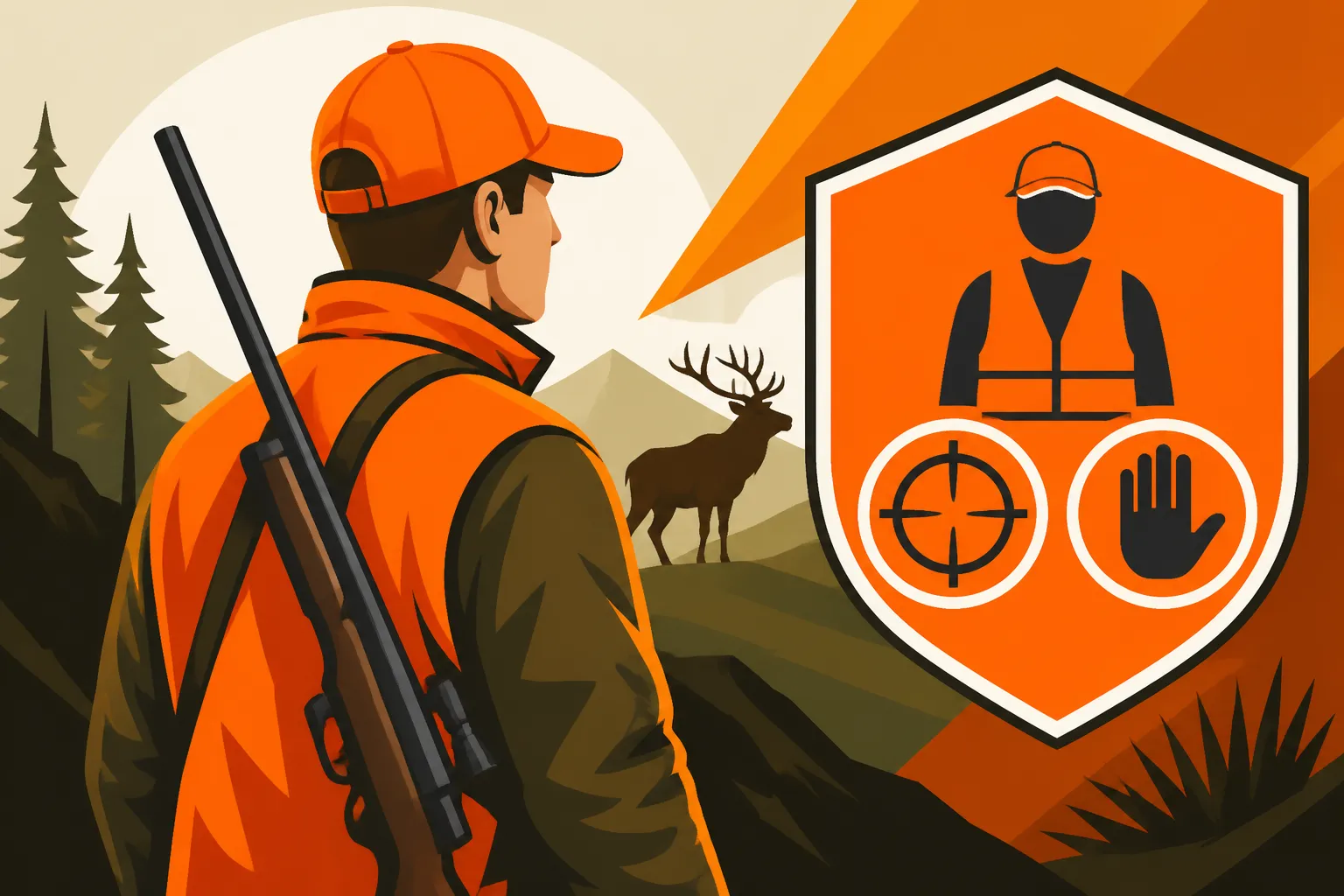
It's not enough to just wear some orange; there are specific requirements to ensure adequate visibility. In Alberta, "blaze orange" (also often referred to as "hunter orange" or "fluorescent orange") must be worn on the outermost layer of clothing and must be visible from all sides. The regulations specify a minimum amount of exposed material: at least 400 square inches (2580 square centimetres) of solid blaze orange material, including a minimum of 100 square inches (645 square centimetres) on both the chest and back, and a minimum of 60 square inches (387 square centimetres) on both sides. A blaze orange hat, visible from all directions, is also required.
This means a simple orange scarf or a small patch on your backpack isn't going to cut it. You need a vest or a jacket that covers your torso adequately, and that all-important hat. When you're picking out your gear, think about how you'd look to another hunter scanning the landscape. Could they see you clearly if you were bending over, quartering an animal, or just walking through tall grass? A quality blaze orange vest or jacket, paired with a bright orange hat, is typically the easiest way to meet these requirements. Brands like Sitka Gear or First Lite offer lightweight, packable vests that you can easily throw over your camouflage layers when the rules require it.
The material must be "solid" blaze orange, meaning no camouflage patterns within the orange itself, although your other clothing can be camo underneath. The intent is maximum contrast and recognition as a human hunter, not a partial blend into the environment. Remember, you're trying to stand out, not blend in.
Exemptions and Common Misconceptions
While blaze orange is vital, there are specific scenarios where it's not mandated. The most common exemption is during archery-only seasons for big game. For instance, if you're participating in Alberta's Early Archery Seasons, particularly during the specific archery-only dates for deer, moose, or elk, you are typically not required to wear blaze orange. This is because archery hunting often relies on closer engagement and camouflage to get within range, and the risk profile for accidental shootings between archers is different.
However, here's the critical nuance: if that archery-only season overlaps with any general big game rifle season in the same WMU, even for a different species, you still need to wear orange. For example, if you're bowhunting mule deer in a WMU where the general elk rifle season is open, you are required to wear blaze orange. This is a common point of confusion that many hunters overlook. Always cross-reference your specific season dates with all other open general seasons in your WMU. You can find detailed breakdowns of these dates in the annual Alberta Hunting Regulations, or by checking resources like the GoHunt app which often provides overlays for different seasons and WMU boundaries.
Another key exemption is for migratory bird hunting (like waterfowl or Sandhill Cranes). Hunters are not required to wear blaze orange during these seasons, as the hunting methods (often from blinds, using decoys) and the use of shotguns for flying birds present a different safety context. Similarly, when hunting certain predators like coyotes or wolves, especially where calling tactics are employed, blaze orange may not be required outside of general big game seasons. Always check the regulations for Alberta Big Game Season Dates and Alberta Game Bird Seasons and Limits to be absolutely sure. The golden rule is: when in doubt, wear the orange. It's better to be safe, highly visible, and compliant than to risk a fine or, worse, an accident.
Beyond Orange: Fundamental Hunting Safety Principles
While blaze orange is a fantastic first line of defense, it’s just one piece of the puzzle. True hunting safety encompasses a holistic approach, starting with how we handle our firearms and bows, extending to how we identify our quarry, and ensuring we act responsibly in the field. These principles aren't just rules; they're habits that every hunter must engrain to ensure a safe return home and protect others.
The Four Golden Rules of Firearm Safety
These four rules are the bedrock of responsible firearm ownership and hunting, drilled into every hunter during their certification. They are universally accepted and, when followed diligently, prevent almost all firearm-related accidents. Every hunter in Alberta, whether carrying a rifle, shotgun, or muzzleloader, must internalize and practice these rules without exception.
- Treat every firearm as loaded: This is perhaps the most crucial rule. Even if you "know" your firearm is unloaded, treat it as if it's ready to fire. This mindset eliminates complacency. It means you never point it at anything you don't intend to shoot, even if you’re certain it’s empty. I’ve seen hunters swing an "unloaded" rifle around camp, only for someone to nervously flinch, and for good reason. It’s this very casual attitude that leads to tragic mistakes.
- Always point the muzzle in a safe direction: A "safe direction" means a direction where an accidental discharge would cause no injury or damage. This usually means pointing it up, down, or at the ground in an uninhabited area. When walking with a firearm, ensure the muzzle is always pointed away from yourself and your hunting partners. In a vehicle, firearms should be unloaded and cased, preventing any accidental discharge while transporting. Remember, Rules on Hunting From a Vehicle are very strict in Alberta, emphasizing safety during transport.
- Be sure of your target and what is beyond it: This rule is about positive identification and situational awareness. Never shoot at sound or movement alone. Always identify your target unequivocally as legal game, and confirm that there are no people, livestock, buildings, or other non-targets behind your intended shot. In Alberta’s varied terrain, a shot over a ridge or into dense bush can have unseen consequences. This is why using binoculars or a spotting scope to verify your target before raising your firearm is essential, especially when Judging a Mule Deer Buck at Distance or trying to distinguish between a legal bull and a cow elk.
- Keep your finger off the trigger until ready to shoot: This rule prevents accidental discharges. Your finger should rest alongside the trigger guard, not on the trigger, until your sights are aligned on your identified target and you are ready to take the shot. Many negligent discharges happen because a finger was inadvertently on the trigger while climbing, slipping, or moving through thick brush. Train yourself to keep that finger off the trigger until the moment you commit to the shot.
Safe Archery Practices
Archery hunting, while generally considered safer in terms of projectile range compared to firearms, comes with its own set of critical safety considerations. The energy stored in a modern compound or recurve bow is immense, and broadheads are razor-sharp, designed for maximum efficiency.
Firstly, safe handling of your bow is paramount. Always ensure your bow is drawn and released only when you have a clear, safe shooting lane and a reliable backstop. Never dry-fire a bow, as this can severely damage the limbs and cams, potentially causing parts to fly off and injure you or bystanders. When practicing, use a proper target and ensure no one is behind or near the target. Transporting broadheads requires extra care; ensure they are fully covered or in a secure quiver to prevent accidental cuts. I've heard too many stories of hunters cutting themselves or their gear while fumbling with uncovered broadheads.
Secondly, tree stand safety is non-negotiable for elevated hunting. Every year, hunters are seriously injured or killed from falls. Always use a full-body harness, even for short climbs, and stay attached to the tree from the moment your feet leave the ground until they return. The "three points of contact" rule applies to ladders – always have two hands and one foot, or two feet and one hand, in contact with the ladder or stand at all times. Check your straps, cables, and connections before each use, and replace any worn components. Even hanging a stand on an Alberta bush edge requires adherence to these strict safety practices to prevent disastrous falls.
Finally, awareness of your surroundings extends to knowing where other hunters might be. Even during archery-only seasons where blaze orange isn't required, practicing good ethics means being mindful of anyone else in the bush. Communication with hunting partners is vital, especially when stalking or moving through dense cover.
Identifying Your Target Ethically and Legally
One of the most profound responsibilities of a hunter is the ethical and legal identification of their target. This isn't just about avoiding a fine; it's about respecting the animal, ensuring a clean harvest, and preventing the accidental shooting of non-target species, protected animals, or even other hunters.
Never, ever shoot at movement, colour, or sound in the brush without confirming it is your intended target. In Alberta, with its diverse wildlife, you might encounter everything from a legal mule deer buck to a cow moose, a black bear, or even a protected grizzly. A quick flash of brown could be a deer, but it could also be someone's livestock or even another person. Taking the time to positively identify your target is a testament to your ethics and commitment to safety.
This means using optics – binoculars or a spotting scope – to clearly see the animal, confirm its species, sex, and if applicable, antler configuration, before you even consider raising your weapon. Understanding Alberta's Three-Point Mule Deer Rules or distinguishing a legal elk from a spike or cow is critical. Lighting conditions, dense cover, and distance can all play tricks on your eyes, so err on the side of caution. If there's any doubt whatsoever, do not shoot.
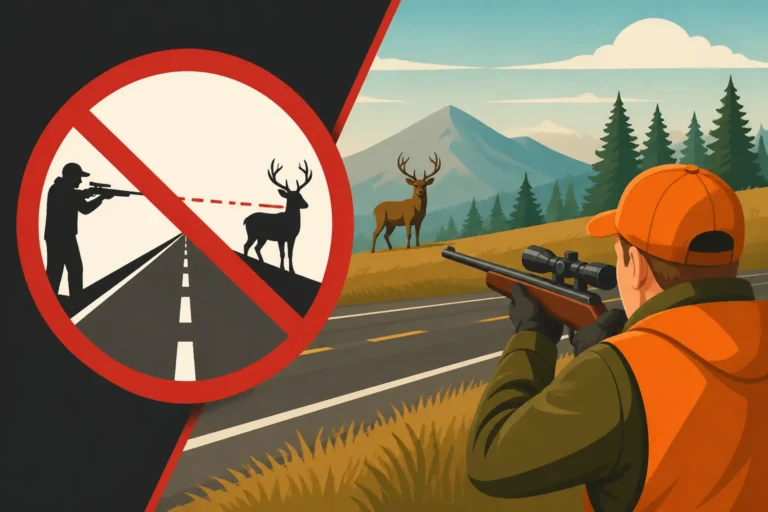
Furthermore, being aware of your surroundings and having a clear understanding of the backdrop for your shot is essential. You need to know what's behind your target. Is there a hillside that will safely stop your bullet? Or is there a chance your projectile could travel into a valley where another hunter, a farmer's barn, or a public road might be? Remember the golden rule: "Be sure of your target and what is beyond it." This diligence prevents regrettable mistakes and upholds the integrity of hunting.
Navigating Alberta's Diverse Landscapes Safely
Alberta offers an incredible array of hunting environments, from the dense Boreal Forest to the open prairies and rugged Rocky Mountain foothills. Each presents unique safety challenges that demand specific precautions and preparedness. Understanding these environmental nuances is key to a successful and safe hunt.
Safety in the Bush and Mountains
Hunting in Alberta’s bush and mountain country, whether you're stalking a bull moose in the Boreal or pursuing bighorn sheep in the Rockies, is inherently challenging and requires a high degree of preparedness. The terrain itself can be your biggest obstacle and a source of danger. Steep slopes, loose scree, dense timber, and unpredictable water crossings (especially in spring or after heavy rains) demand careful foot placement and a keen awareness of your surroundings. A slip or fall can quickly turn a great day into a serious emergency, particularly when carrying heavy gear or an animal.
Navigation is paramount in these areas. While a paper map and compass are essential backups, modern GPS devices and mapping apps like GoHunt have revolutionized backcountry travel. You can download offline maps for your specific WMU, mark waypoints, and track your movements, significantly reducing the risk of getting lost. Always let someone know your detailed trip plan, including your intended route, where you’ll be parking, and when you expect to return. This simple step is invaluable if you run into trouble.
Wildlife encounters are also a real consideration. Alberta is bear country, home to both black bears and grizzlies in many forested and mountainous regions. Always carry bear spray and know how to use it. Make noise while walking to avoid surprising animals, and know how to react if you do encounter a bear. Understanding Wildlife Safety in Alberta Bear Country is a must. Weather can change drastically and quickly in the mountains, turning a sunny morning into a blizzard by afternoon. Pack layers, rain gear, and extra food and water. Being prepared for Hunting Alberta Winter Weather Safely means understanding the signs of hypothermia and frostbite.
Safety in Agricultural and Parkland Areas
Hunting in Alberta's white area, which encompasses much of the province's agricultural land and parkland, brings a different set of safety considerations, primarily revolving around land access and proximity to human activity. Unlike vast tracts of Crown land, you’ll often be hunting on private property, grazing leases, or smaller parcels of public land interspersed with farms and homes.
The absolute first rule here is landowner permission. It’s not just polite; it's the law. Hunting on private land without explicit, often written, permission is trespass and can lead to fines, confiscation of gear, and loss of hunting privileges. Always take the time to Ask a Grazing Leaseholder for Access or a private landowner. Respect their property, their livestock, and their wishes. A good relationship with landowners is the cornerstone of hunting access in these areas.
Safety around buildings and livestock is another critical aspect. Alberta regulations strictly prohibit discharging a firearm within 200 yards (183 meters) of any occupied building without the consent of the owner or occupant. This rule applies to livestock as well. Always know what's beyond your target, especially in open country where a bullet can travel significant distances. Using mapping tools like the GoHunt app can help you clearly delineate property lines and identify potential hazards like distant farmyards, even when they're out of sight. Remember, it's your responsibility to know where you're shooting.
Furthermore, with more human activity in these areas, your visibility as a hunter becomes even more important. Even if technically exempt from blaze orange for certain species, consider wearing it if you're in an area with other hunters or nearby residents. The risk of being mistaken for game is significantly higher when people are less accustomed to seeing hunters in the field.
Water Safety for Waterfowl and Lake Country Hunters
For those drawn to Alberta's rich waterfowl hunting opportunities or big game hunting in lake-dotted boreal regions, water safety is a paramount concern. From pothole hunting ducks on small water to chasing geese along the larger rivers, water introduces unique hazards.
Boating safety cannot be overstated. Always wear a Personal Flotation Device (PFD), even if you're a strong swimmer. Cold water immersion is a silent killer, and a PFD can buy you precious minutes, if not save your life, by keeping your head above water. Ensure your boat is in good working order, has all required safety equipment (paddles, bailer, whistle, first-aid kit), and is not overloaded. Many hunting incidents involving water occur when small boats are overloaded with gear and hunters, especially in choppy conditions.
Ice safety is critical during late-season hunts. Never venture onto ice unless you are absolutely certain it is safe. Conditions can vary widely across a single body of water, and thin ice can appear solid. Always check ice thickness, ideally with an auger, before trusting it, and avoid areas near currents, springs, or pressure ridges. A common rule of thumb for safe walking ice is 4 inches for ice fishing and walking, and more for ATVs or vehicles.
Retrieving downed game from water also carries risks. Be cautious when wading into cold water, especially if it's deep or has a strong current. If a bird falls in open water, evaluate the risk before attempting retrieval. It’s better to lose a bird than to risk your life. Having a trained retriever dog, like those used for Field Hunting Geese in Alberta Stubble, is not only highly effective but also significantly reduces the human risk associated with water retrievals. Prioritize your safety above all else.
Essential Gear and Preparedness for Alberta Hunts
Hunting in Alberta means preparing for anything Mother Nature throws at you, often all in a single day. Beyond your primary weapon and ammunition, a well-thought-out kit and a proactive approach to potential emergencies are non-negotiable. Being properly equipped isn't just about comfort; it's about survival and responsible hunting.
Personal Protective Equipment Beyond Orange
While blaze orange is crucial for visibility, other forms of personal protective equipment (PPE) are equally important for a safe and enjoyable hunt. Starting with your ears and eyes: hearing protection is a must whenever you are discharging a firearm. A single gunshot without protection can cause permanent hearing damage. This applies not just at the shooting range, but in the field as well. Modern electronic ear protection allows you to hear game and conversation while still protecting your hearing from the loud report of a rifle. Similarly, eye protection should be worn when shooting, especially at the range, to guard against errant debris, brass, or powder fragments.
Your clothing and footwear choices are also critical PPE, especially given Alberta's notoriously changeable weather. Investing in quality, layered clothing designed for hunting will keep you warm, dry, and comfortable, preventing hypothermia or frostbite. Choose waterproof and breathable outerwear, insulating mid-layers, and moisture-wicking base layers. For your feet, sturdy, waterproof hunting boots with good ankle support are essential, especially when navigating uneven terrain or Hunting a Foothills Bench Above a Creek. Proper footwear prevents slips, sprains, and protects your feet from the elements, ensuring you can cover ground safely and effectively.
Beyond clothing, a well-stocked first-aid kit should be in your pack on every hunt. This isn't just for you; it's for your hunting partners too. It should include essentials for cuts, scrapes, blisters, sprains, and emergency bandages. Consider taking a wilderness first-aid course to confidently handle more serious injuries in remote settings. Additionally, always carry survival gear such as a reliable fire starter, an emergency shelter (even a large orange garbage bag can save your life), extra high-energy food, and a multi-tool or knife. These items are small investments that can literally be life-savers if an unexpected situation arises.
Communication and Emergency Protocols
In Alberta's vast hunting areas, especially in the backcountry or Boreal Forest, cell service can be non-existent. Relying solely on your cell phone for emergencies is a dangerous gamble. This is why a robust communication plan and emergency protocols are vital.
For remote hunts, consider investing in a satellite messenger device (like a Garmin inReach or Zoleo) or a satellite phone. These devices allow you to send and receive text messages, share your location, and, most critically, send an SOS signal to a 24/7 monitoring centre in a true emergency, even when miles from the nearest cell tower. Many hunters find using the GoHunt app in conjunction with a satellite messenger incredibly effective, as they can navigate and communicate their position all at once.
Before every hunt, especially solo hunts or trips into unfamiliar territory, always leave a detailed trip plan with a trusted family member or friend. This plan should include:
- Your exact hunting location (WMU, specific access points, planned routes).
- Who you are with.
- Your expected return time and date.
- The make, model, and licence plate of your vehicle.
- Any medical conditions or allergies.
If you don't check in by your specified time, your contact person knows when and where to initiate a search. Knowing how to contact emergency services (911 for life-threatening emergencies) is crucial. For reporting suspicious activity or poaching, Alberta's "Report A Poacher" line (1-800-642-3800) is your direct link to enforcement. Having this number programmed into your phone or written down in your kit is smart practice.
Finally, in bear country, beyond carrying bear spray, an air horn can be an effective deterrent for wildlife encounters or to signal for help over long distances. Remember, preparedness is about anticipating the worst and equipping yourself to handle it.
Vehicle and ATV Safety on Hunting Trips
Getting to and from your hunting spot in Alberta often involves driving on rough backcountry roads, logging trails, or off-road with ATVs or side-by-sides. Safety doesn't end when you leave the pavement; it actually becomes more critical.
Firstly, ensure your vehicle is properly maintained for the conditions. Check tires (including your spare), brakes, fluids, and lights. A reliable vehicle is your lifeline to and from remote areas. Always carry a basic vehicle emergency kit: jumper cables, tow strap, tire repair kit, basic tools, and extra fuel. Getting stuck deep in the bush, especially during a late-season hunt at Hunting Whitetails at Thirty Below, is a serious situation. Having a Winter Truck Kit for an Alberta Hunt is essential.
When transporting firearms in your vehicle, Alberta regulations require them to be unloaded and cased (or otherwise made inoperable) if in a vehicle on a public road or in transit. This prevents accidental discharges and ensures compliance with the law. Keep ammunition separate from the firearm. For Transporting Firearms Into Alberta from out of province, be aware of federal regulations as well.
For ATV/OHV use on Crown land, adherence to Alberta's specific rules and safe operation is critical. Always wear a helmet, and ensure passengers are only carried if the vehicle is designed for it. Operate at safe speeds, especially on unfamiliar trails, and be aware of your surroundings, including other trail users or wildlife. Avoid riding alone, if possible, and always let someone know where you are going. Remember, Quad and Side-by-Side Rules on Crown Land outline specific zones and restrictions for their use. Respecting these rules not only keeps you safe but also helps maintain access for future generations.
Legal Responsibilities and Ethical Hunting
Being a hunter in Alberta isn't just about pursuing game; it's about upholding a set of legal and ethical responsibilities that protect wildlife, ensure public safety, and maintain the privilege of hunting for all. Ignorance of the law is never an excuse, and ethical conduct is the hallmark of a true conservationist.
Understanding Alberta's Regulations
The single most important document for any hunter in Alberta is the annual Alberta Hunting Regulations Guide. This comprehensive guide, updated every year, contains all the season dates, WMU boundaries, licensing requirements, species-specific rules, and safety mandates you need to know. It's available online through the Alberta Environment and Parks website and at most licence issuers.
My most emphatic advice is this: read the current regulations cover-to-cover every single year, even if you think you know them. Regulations can and do change – WMU boundaries, season dates, bag limits, and even specific safety protocols can be altered. Don't rely on what you "heard" or what was true last year. For example, knowing the latest on Alberta's Mandatory CWD Submission WMUs could save you a hefty fine.
The consequences of violating Alberta's hunting regulations can be severe. Fines can range from hundreds to thousands of dollars, depending on the severity of the offense. More serious violations can lead to the seizure of your firearms, vehicle, and even the game harvested, along with a suspension of your hunting privileges for multiple years. For non-residents, these penalties can be particularly disruptive and costly. It's a stark reminder that hunting is a privilege, not a right, and it comes with serious legal responsibilities. Taking the Alberta Hunter Education and Conservation Course is the foundation for understanding these responsibilities.
Ethical Considerations for a Safe Hunt
Ethical hunting goes hand-in-hand with safe hunting. Many unsafe practices are also unethical, and a commitment to ethical conduct often leads to safer decisions in the field. This starts with the fundamental principle of making clean, humane shots. Taking a shot that is too far, poorly angled, or in low light conditions increases the risk of wounding an animal, causing unnecessary suffering, and potentially losing the animal altogether.
Responsible tracking is also an ethical obligation. If you shoot an animal, your commitment doesn't end with the shot. You are responsible for making every reasonable effort to track and recover that animal. This means knowing how to Read Whitetail Sign in Alberta Aspen Bluffs or how to track through various terrains, even if it takes hours or days. Leaving a wounded animal in the field is a profound breach of ethical conduct. Always ensure you have the skills and time to follow up on your shot.
Respect for wildlife extends beyond the animals you pursue to all wildlife and the environment. This means leaving no trace, packing out all your garbage, and avoiding unnecessary disturbance to other species. It also means respecting other outdoor users – hikers, birdwatchers, trappers – who share the wilderness. A courteous interaction can go a long way in fostering positive relationships between hunters and the broader public. Remember, we are ambassadors for the sport. When temperatures fluctuate, proper Meat Care in Alberta's Cold and Warm Swings is not only ethical to prevent spoilage but also a legal requirement to not waste game meat.
Reporting Incidents and Violations
Every hunter has a role to play in maintaining the integrity and safety of hunting in Alberta. This means not just following the rules yourself, but also having the courage to report unsafe acts or illegal hunting activities. Seeing something wrong and doing nothing about it makes you complicit in the problem.
Alberta’s dedicated Report A Poacher line (1-800-642-3800) is an anonymous, 24/7 service that connects you directly with Fish and Wildlife officers. If you witness poaching, unsafe hunting practices, or any other violation of wildlife regulations, this is the number to call. Provide as much detail as possible: date, time, location, vehicle descriptions (make, model, license plate), descriptions of individuals, and the nature of the violation. Your information can be critical in apprehending offenders and protecting Alberta’s wildlife resources. Knowing Alberta's Report a Poacher Line intimately is a vital part of your hunter's toolkit.
Reporting isn't about "ratting out" fellow hunters; it's about upholding the law and protecting the future of our sport from those who would undermine it through irresponsible or illegal actions. The vast majority of hunters are ethical and law-abiding, and it's in everyone's best interest to ensure that the few who aren't are held accountable. Your participation in this process helps ensure that Alberta remains a safe and sustainable place to hunt for generations to come.
Blaze Orange Requirements Summary
| Scenario / Species | Blaze Orange Required? | Notes |
|---|---|---|
| Hunting any species during a general big game season | YES | Applies to all hunters (big game, small game, upland birds, predators) if a rifle season for big game is open in the WMU. Outerwear must be >400 sq. inches, >100 sq. inches front/back, >60 sq. inches each side, plus a visible hat. |
| Archery-only big game season (no overlap with rifle season) | NO (but highly recommended if others are present) | Specific archery-only seasons (e.g., Hunting Alberta's September Archery Opener) typically do not require blaze orange, but always check regulations for WMU specific details and potential overlaps. |
| Waterfowl (ducks, geese, cranes) | NO | Hunters typically utilize blinds and camouflage for migratory bird hunting. |
| Upland Birds (grouse, partridge, pheasant) | YES, if a general big game rifle season is open in the WMU | NO, if hunting during an upland bird season and there is no concurrent general big game rifle season open in the WMU. Always check. |
| Predators (coyote, wolf) | YES, if a general big game rifle season is open in the WMU | NO, if hunting predators outside of any general big game rifle seasons. Often hunters use camouflage for calling predators, but safety is paramount. |
| Small Game (hares, rabbits) | YES, if a general big game rifle season is open in the WMU | As with upland birds and predators, if there's any general big game rifle season open in your WMU, you must wear blaze orange. |
| Crown Land / Public Land Use Zones | Applies as per species/season rules | The type of land does not change the blaze orange requirement; it's dictated by species and season dates in the specific WMU. Reading an Alberta WMU Map Before You Go is essential for understanding your location and applicable rules. |
Disclaimer
The information provided in this guide is for general informational purposes only and is not a substitute for reading and understanding the official Alberta Hunting Regulations. Hunting regulations can change annually, and it is the hunter's sole responsibility to consult the most current Alberta Guide to Hunting Regulations and all relevant federal laws before engaging in any hunting activities. Always prioritize safety, respect wildlife, and adhere to all legal requirements.