Alberta’s Upland Birds by Region
Alberta's vast landscapes offer so much more than just big game. Many hunters, myself included, often get tunnel vision for that elusive whitetail buck or bull moose, overlooking the incredible, accessible, and often overlooked world of upland bird hunting. If you've ever felt overwhelmed trying to figure out where to start with wingshooting, or just want to expand your hunting horizons beyond the big stuff, this guide is for you. We're going to dive deep into Alberta's diverse regions, revealing the prime habitats and unique characteristics of each upland bird species, so you can plan your next exhilarating adventure afield.
The Unsung Heroes of Alberta's Hunting Scene: An Introduction to Upland Birds
It's easy to get caught up in the big game craze here in Alberta. We're known for our trophy whitetails, giant moose, and majestic elk, but there's a whole other world of hunting that often flies under the radar: upland birds. These feathered gems offer a different kind of challenge and reward, one that can be incredibly fulfilling, especially if you're looking to extend your time in the field, introduce new hunters to the sport, or just enjoy a more relaxed, yet still exciting, day out.
Why Upland Bird Hunting Deserves Your Attention
For many, upland bird hunting is less about the "trophy" and more about the experience. It's about crisp autumn mornings, the sound of leaves crunching underfoot, the thrill of a sudden flush, and the incredible bond you build with a good bird dog. Unlike big game hunting, which often requires significant scouting, drawing special tags, and waiting for specific seasons, many upland bird opportunities are general seasons, wide open, and readily accessible across vast swaths of the province. This accessibility makes it a fantastic way to introduce youth hunters or newcomers to the field, teaching them gun safety, tracking, and ethical shooting in a less pressured environment. Plus, the meat from these birds is absolutely delicious, providing a lean, organic protein source that's hard to beat. Think about those wild grouse or partridge breasts, pan-fried with some wild mushrooms – pure culinary gold!
A Quick Look at Alberta's Primary Upland Species
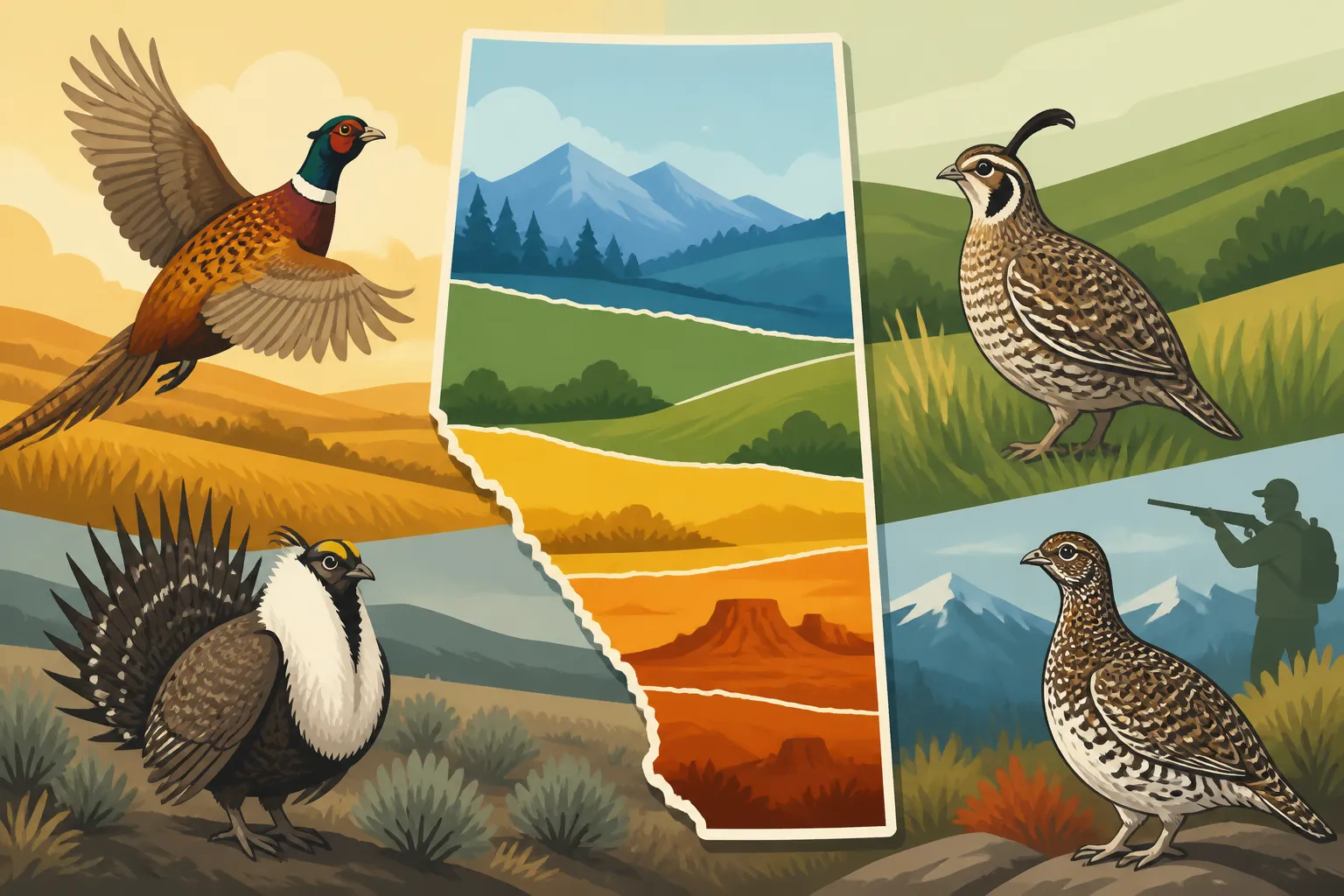
Alberta is home to a delightful variety of upland birds, each with its own unique habitat, behaviour, and challenges for the hunter. Understanding these species is the first step to becoming a successful upland hunter. We've got several species of grouse, including the common Ruffed Grouse, the less wary Spruce Grouse, and the highly sought-after Sharp-tailed Grouse. Then there are the introduced species that have thrived in our agricultural lands, like the tenacious Hungarian Partridge and the vibrant Ring-necked Pheasant. For those willing to venture into the high country, the elusive Ptarmigan offers a truly unique mountain hunting experience. Each of these birds presents a different puzzle to solve, from learning their preferred cover to mastering their flight patterns, making every hunt a fresh and engaging experience.
Prairie and Parkland: Chasing Sharptails and Huns
When you think of the open, rolling landscapes of Southern and Central Alberta, you might picture mule deer or pronghorn. But these vast agricultural regions, dotted with native grasslands and brushy coulees, are also prime territory for two of Alberta's most popular upland species: the Sharp-tailed Grouse and the Hungarian Partridge. These birds thrive in the mosaic of cultivated fields, stubble, and natural cover that defines the prairie and parkland zones, offering fast-paced action for wingshooters.
The Elusive Sharp-tailed Grouse of the Grasslands
Sharp-tailed grouse, often simply called "sharptails," are true icons of the prairie. These handsome birds are most at home in the native grasslands and brushy edges of cultivated fields, particularly where there are patches of willow, aspen, or wild rose bushes for cover. They are known for their spectacular "lek" or booming grounds in the spring, where males perform elaborate dances to attract mates. During the hunting season, you'll typically find them in coveys, often 5-20 birds strong, feeding on grain, seeds, and insects in the mornings and evenings.
Hunting sharptails usually involves a lot of walking, often across uneven terrain. They have a tendency to run ahead of hunters, so a good dog is invaluable for holding them in place until you get within flushing range. When a covey flushes, it's an explosive affair, with birds scattering in all directions, often flying low and fast over the contours of the land. It takes quick reflexes and a steady swing to connect. I remember one crisp September morning, working a long native grass ridge near Medicine Hat. My Brittany, Daisy, went on point like a statue. As I walked in, twenty sharptails erupted, their wings drumming against the quiet prairie air. I managed a quick double, but the excitement of that flush is what I'll always remember. For those looking to find them, knowing Where Sharp-Tailed Grouse Dance in Spring can give you great insights into their preferred habitats and where to focus your scouting efforts during hunting season.
Hungarian Partridge: Fast-Flying Foes of the Farmland
Hungarian partridge, or "Huns" as they're affectionately known, are smaller than sharptails but pack a huge punch in terms of excitement. These diminutive dynamos absolutely thrive in agricultural areas, preferring the edges of cultivated fields, stubble, shelterbelts, and weedy fence lines. They are incredibly wary birds, often flushing from a considerable distance if approached carelessly. When a covey of Huns decides to take flight, it's a blur of wings and whistling calls, as they rocket away low to the ground, often disappearing over the nearest rise in an instant.
Hunting Huns requires a systematic approach. Walking long field edges, fencelines, and especially the dense cover of shelterbelts is key. A good pointing dog is almost essential, as they can pinpoint the covey before it spooks, allowing you to get closer for a shot. Without a dog, you'll spend a lot of time watching them fly away! Once flushed, Huns often fly a considerable distance before settling down again, so mark their landing spot if you hope to get a second chance. They are also known to hold incredibly tight in heavy cover, sometimes allowing you to almost step on them before they burst into the air. One of my favorite spots to pursue Huns is in the sprawling farm country west of Red Deer, where old homesteads and dense shelterbelts provide perfect habitat. If you want to maximize your chances, understanding Hunting Hungarian Partridge on Alberta Farms can provide excellent strategies for targeting these speedy birds in their preferred agricultural settings.
Foothills and Boreal Forest: Ruffed and Spruce Grouse Havens
Moving north and west from the open prairies, Alberta's landscape transitions into the rolling foothills and vast boreal forest. These diverse ecosystems, with their mixed woods, dense conifer stands, and network of logging roads and trails, are the undisputed domain of the Ruffed and Spruce Grouse. While they may not offer the wide-open flushing action of their prairie cousins, they provide a more intimate hunting experience, often found by walking quiet trails and exploring the deeper woods.
Ruffed Grouse: The King of the Forest Floor
The Ruffed Grouse, affectionately known as "ruffies," is arguably Alberta's most iconic forest bird. You'll find them almost anywhere there's mixed deciduous and coniferous forest, particularly in areas with dense aspen bluffs, regenerating clearcuts, old logging roads, and willow-choked creek bottoms. Their habitat preferences are quite broad, making them accessible to many hunters. They are famous for the male's drumming display in the spring, a low thrumming sound produced by rapid wing beats that resonates through the woods.
During hunting season, ruffies are often found singly or in small family groups, foraging on berries, buds, and insects. They have a reputation for being unpredictable – sometimes flushing wild from a distance, other times holding tight until you nearly step on them. When they do flush, it's usually with a startling explosion of wings as they rocket through the trees, often putting a tree trunk between you and them in a blink. This makes for incredibly challenging wing shooting, testing your reaction time and ability to swing through dense cover. I've spent countless hours Ruffed Grouse Hunting Alberta's Bush Trails west of Rocky Mountain House, walking old seismic lines and cutlines with a .22 or a small gauge shotgun, often collecting a few birds for the stew pot. A good flushing dog, like a Springer Spaniel, can be very effective for rousting these birds from thick cover, but many hunters enjoy simply walking quietly and listening for the telltale flush.
Spruce Grouse: The "Fool Hen" of the Dark Timber
Spruce Grouse are the quiet inhabitants of Alberta's dense coniferous forests, particularly black spruce and pine stands found throughout the boreal region and higher elevations of the foothills. They get their somewhat unflattering nickname, "fool hen," from their tendency to be less wary than other grouse species, often allowing hunters to approach quite closely before they flush. Sometimes, they'll even stay put in a tree, seemingly unconcerned by human presence, which can lead to easy shots for opportunistic hunters.
While their lack of wariness might make them seem "easy," hunting spruce grouse specifically can still be a challenge due to their preferred dense habitat. You're not typically going to find large coveys; rather, you'll encounter them singly or in small groups as you navigate through thick timber. Often, the best way to find them is by quietly exploring old logging roads, cutlines, or hiking trails that cut through dark timber. They feed primarily on conifer needles, buds, and berries, which dictates their preferred range. I've often encountered them unexpectedly while still-hunting for moose in the Boreal Forest near Lac La Biche, their dark plumage blending almost perfectly with the shadows of the spruce boughs. While they might not provide the adrenaline rush of a sharptail flush, they offer a peaceful hunting experience and are excellent table fare. If you're looking to target these forest dwellers, learning about Hunting Spruce Grouse in Black Timber will give you key insights into their preferred habitats and hunting techniques.
Alpine Zones: The Realm of the Ptarmigan
For the truly adventurous upland hunter, Alberta's majestic Rocky Mountains offer a unique and physically demanding challenge: the pursuit of Ptarmigan. These hardy birds are specialized residents of the alpine and subalpine zones, living above the treeline where few other game birds dare to tread. Hunting ptarmigan isn't just about bagging a bird; it's about experiencing the raw beauty and solitude of Alberta's high country, pushing your physical limits, and being rewarded with an exceptional game bird.
Ptarmigan: High-Altitude Specialists
Alberta is home to two species of ptarmigan: the White-tailed Ptarmigan and the Rock Ptarmigan. The White-tailed Ptarmigan is the more common of the two in our mountains, and they are truly masters of camouflage. Their plumage changes with the seasons, from mottled brown in summer to pure white in winter, allowing them to blend seamlessly with their surroundings. You'll find them in rocky basins, along high ridges, and in areas with sparse, tundra-like vegetation above the treeline, often at elevations well over 7,000 feet.
Hunting ptarmigan involves significant hiking and often demands good physical fitness. The air is thin, the terrain is steep and rocky, and the weather can change in an instant. Strategies typically involve glassing vast alpine basins with binoculars or a spotting scope to locate coveys feeding on alpine vegetation. Once spotted, a careful stalk is required to get within range. Ptarmigan tend to hold tight, relying on their camouflage, but once flushed, they fly quickly, often gliding down slopes or over ridges. I remember one incredible hunt in the Willmore Wilderness, several years ago, where after a grueling hike into a high basin, we found a covey of white-tailed ptarmigan. Their pure white forms against the snow-dusted rocks were almost invisible until they moved. It was a truly unforgettable experience, proving that Ptarmigan Hunting High in the Alpine is a test of both endurance and keen observation.
Challenges and Rewards of Mountain Upland Hunting
Hunting ptarmigan in Alberta's mountains isn't for the faint of heart. The physical demands are significant, requiring strong legs, good lungs, and reliable gear. Weather can be extremely volatile, with sunshine quickly giving way to snow, sleet, or high winds, even in early fall. Navigation can be tricky, and you need to be self-sufficient and prepared for emergencies. Access often means long hikes, sometimes involving an overnight backpacking trip, or even horseback. Always check wildfire closures, especially in dry years, before heading into the mountains.
However, the rewards are immense. The sheer beauty of the alpine environment is breathtaking, offering panoramic views and a sense of solitude rarely found elsewhere. The challenge of locating and pursuing these specialized birds in their rugged home is incredibly satisfying. And, of course, the ptarmigan itself is considered a delicacy by many, with delicate, light-colored meat. It's an opportunity to truly immerse yourself in one of Alberta's wildest places and come away with a profound appreciation for its unique wildlife. Just be sure to tell someone your plans before you head out, and carry appropriate safety gear, including a satellite messenger.
Seasons, Regulations, and Conservation Efforts
Understanding the rules and regulations is paramount for any hunter in Alberta, and upland bird hunting is no exception. While generally more straightforward than big game draws, there are still specific season dates, bag limits, and licensing requirements that every hunter must adhere to. Moreover, responsible hunting practices and an awareness of conservation efforts ensure these fantastic resources remain available for generations to come.
Understanding Alberta's Upland Bird Seasons and Limits
Alberta's upland bird seasons are typically quite generous, often opening in early September and extending through the fall, sometimes even into winter for certain species. However, these dates can vary by species and by Wildlife Management Unit (WMU). For instance, Sharp-tailed Grouse seasons might close earlier in some WMUs, while Ruffed and Spruce Grouse might have later seasons. Daily bag limits specify how many birds you can harvest in a single day, and possession limits define the maximum number of birds you can have on hand, including those at home. These limits are set to ensure sustainable harvest and vary by species. For example, a common daily limit for grouse might be 5, with a possession limit of 15. For Hungarian partridge, it could be 8 daily and 24 in possession.
It is absolutely crucial to consult the current Alberta Guide to Hunting Regulations (available online through the government's website or at license vendors) every single year before you head out. Regulations can and do change, and ignorance is no excuse. This guide will provide precise opening and closing dates for each WMU, as well as the exact bag and possession limits for every species. Being aware of Upland Bird Season Dates and Limits ensures you are hunting legally and responsibly. A quick glance at the regulation table often reveals opportunities to combine a late-season deer hunt with some upland bird hunting, maximizing your time afield.
Licensing and Access Considerations
Before you can even think about chasing upland birds, you need to ensure you have the proper licenses. This starts with an Alberta Wildlife Identification Number (WIN) Card, which is your unique identification for all hunting and fishing activities in the province. Once you have your WIN Card, you'll need to purchase an Alberta Wildlife Certificate, which is a foundational license covering various wildlife management initiatives. Then, you'll typically need to purchase a specific Game Bird Licence. These can all be acquired online through the AlbertaRELM portal or at authorized license issuers like most sporting goods stores. Understanding What the Alberta Wildlife Certificate Covers is important, as it’s a prerequisite for any hunting license in the province.
Access to hunting land is another critical consideration. Alberta offers a mix of Crown (public) land and private land. Many boreal and foothills areas are extensive Crown land, often accessible via forestry roads, cutlines, and seismic lines. However, much of the prime prairie and parkland habitat for sharptails and Huns is on private land. For private land, you absolutely must obtain permission from the landowner before hunting. This is not just good etiquette, it's the law. Always knock on doors, be polite, and respect their decision. Tools like the Alberta Public Land Use Zones (PLUZ) maps or apps like GoHunt can be invaluable for identifying Crown land boundaries, grazing leases, and other accessible areas. When seeking permission, being respectful and offering to share your harvest can go a long way. More detailed information on Getting Private Land Permission in Alberta can certainly help you navigate this often-tricky aspect of hunting. Remember, access is a privilege, not a right, and maintaining positive landowner relations is vital for the future of hunting.
Essential Gear and Effective Hunting Strategies
Upland bird hunting is a sport that, while not requiring the same heavy gear as a backcountry sheep hunt, definitely benefits from thoughtful preparation and the right tools. From your choice of shotgun to your trusty hunting vest, having suitable equipment and understanding effective strategies will significantly enhance your success and enjoyment in the field.
The Right Tools for the Upland Hunter
For shotguns, most upland hunters opt for lighter, fast-swinging firearms in 12, 20, or even 28 gauge. While a 12 gauge offers plenty of knockdown power, many prefer the lighter recoil and portability of a 20 gauge, especially when covering many miles on foot. Over/under, side-by-side, and semi-automatic shotguns are all popular choices. When it comes to shot size, 6s or 7.5s are common for grouse and partridge, offering a good pattern density for quick-flying birds without excessive penetration that might damage meat. Remember to use non-toxic shot (steel, bismuth, etc.) if hunting migratory game birds or within certain protected areas, so always check the regulations.
Beyond the firearm, comfortable, broken-in boots are paramount. You'll be doing a lot of walking, often through uneven or marshy terrain, so waterproof, supportive footwear is a must. A good hunting vest or bird bag is essential for carrying shells, water, snacks, and, of course, your harvested birds. Blaze orange is often required or highly recommended for visibility and safety, particularly when hunting with others or in areas with other hunters. Dress in layers, as weather can change rapidly, especially in the foothills or mountains. Don't forget a good pair of binoculars for glassing open areas, especially for sharptails or ptarmigan.
Working with Dogs and Ethical Hunting Practices
A well-trained bird dog can elevate your upland hunting experience from good to absolutely fantastic. Dogs come in two main categories: pointers (like Brittanys, German Shorthaired Pointers, English Setters) and flushers (like Springer Spaniels, Labrador Retrievers). Pointers will "point" and hold a bird's location, allowing you to walk in for the flush, while flushers will actively work cover to get birds into the air. Both types are incredibly valuable for finding birds, retrieving downed game, and simply enjoying the companionship. I've spent countless hours watching my pointing dogs work, and the intensity of a solid point is an unmatched thrill. If you’re hunting on the prairie, Using a Pointing Dog on Alberta Prairie can dramatically increase your success and enjoyment, as they help you locate those often-elusive coveys before they run or flush wild. Similarly, for dense cover in the bush, Using a Flushing Dog in Thick Cover is often the most effective way to put ruffies and spruce grouse into the air.
Regardless of whether you hunt with a dog, ethical hunting practices are crucial. Always be aware of your surroundings, ensuring a safe shooting lane and identifying your target clearly. Take clean, ethical shots that ensure a quick, humane kill, and always follow up on downed birds to ensure recovery. Never shoot at birds on the ground unless it's for dispatching a wounded bird. Respect private property, adhere to all regulations, and ensure you properly field dress and care for your game meat. The goal is not just to harvest, but to do so responsibly, respecting the wildlife and the environment.
Planning Your Next Alberta Upland Adventure
The beauty of upland bird hunting in Alberta is the sheer diversity of opportunities available across the province. From the vast prairies to the dense boreal forests and the rugged high mountains, there's an adventure waiting for every type of hunter. A little bit of planning and research can go a long way in ensuring a successful and memorable trip.
Researching and Scouting Your Chosen WMU
Selecting the right Wildlife Management Unit (WMU) is your first step. Consider what species you want to target, the type of terrain you prefer to hunt, and your physical capabilities. The Alberta Fish and Wildlife website offers maps and regulations specific to each WMU, outlining season dates and limits. Online mapping tools, like those offered by GoHunt, or the Alberta Public Land Use Zone maps, are indispensable for identifying public land, old logging roads, and potential habitat before you even leave home. Look for areas with a good mix of cover, water sources, and food. For example, when targeting sharptails, I often look for WMUs with large tracts of native prairie interspersed with shelterbelts and cropped fields.
Talking to locals, stopping at small-town diners, or visiting local sporting goods stores can also provide invaluable, up-to-date information on bird numbers and recent activity. Don't underestimate the power of physical scouting before the season opens, if possible. Even a drive through an area can reveal prime habitat, potential access points, and signs of bird activity. Knowing Scouting an Alberta WMU Before Season is not just for big game hunters; it's a practice that pays dividends for upland birds too, helping you identify prime areas and plan your routes efficiently. GoHunt's detailed satellite imagery and land ownership layers can be a game-changer for this type of digital scouting, helping you pinpoint those overlooked pockets of prime habitat.
Ensuring a Safe and Enjoyable Hunt
Safety should always be your top priority. Familiarize yourself with the area you plan to hunt. Carry a reliable GPS or a mapping app on your phone (like the GoHunt app), along with a physical map and compass as a backup. Share your hunting plan with someone reliable, including your expected return time and location. Weather in Alberta, particularly in the fall, can be unpredictable. Be prepared for sudden changes in temperature, rain, or even early snow. Dressing in layers, carrying extra warm clothing, and having emergency supplies are essential, especially if you're venturing into more remote areas. Knowing Hunting Alberta Winter Weather Safely becomes particularly important for those late-season hunts when birds often hold tighter in deep snow.
Beyond personal safety, be mindful of other land users. You might encounter hikers, horseback riders, or other hunters. Always be courteous and respectful. Be aware of private property boundaries and maintain safe distances from buildings, roads, and livestock. Always treat your firearm with the utmost respect, following the four basic rules of firearm safety. Upland hunting is an incredibly rewarding pursuit, and by being prepared, responsible, and ethical, you can ensure many safe and enjoyable adventures across Alberta's incredible landscapes.
Disclaimer
The information provided in this guide is for general informational purposes only and is not intended as legal advice. Hunting regulations in Alberta are subject to change annually. It is the responsibility of every hunter to consult the most current Alberta Hunting Regulations Guide published by the provincial government before engaging in any hunting activities. Always prioritize safety, ethics, and respect for wildlife and landowners.