Elk on Farmland and the Damage Problem
It’s a tale as old as agriculture itself in certain parts of Alberta: the majestic elk, a symbol of our wild spaces, causing significant headaches and financial strain for the hardworking folks who farm our lands. The frustration is palpable when a farmer wakes up to a herd of elk treating their winter feed as an all-you-can-eat buffet, or trampling a perfectly good crop just before harvest. This guide delves deep into the complexities of elk interacting with Alberta's farmland, exploring why this conflict arises, the damage it causes, and, most importantly, the strategies landowners and hunters can employ to manage these beautiful but often problematic animals.
Understanding the Elk-Farmland Dynamic in Alberta
The relationship between Alberta's growing elk populations and its agricultural heartland is a nuanced one, often leading to significant challenges for both wildlife managers and farmers. It's not just about a few animals wandering onto a field; it's a systemic issue driven by several factors that pull elk from their traditional ranges into the tempting security and bounty of cultivated land.
The Lure of Agricultural Land for Elk
Think about it from an elk's perspective: you’ve spent your life navigating dense forests or sparse foothills, constantly on the lookout for food and safety. Then, suddenly, you encounter a landscape that offers an abundance of high-energy forage – lush grain fields, rich alfalfa, and bales of hay conveniently stacked. Agricultural fields are, in many ways, an irresistible draw for elk, especially as winter deepens and natural forage becomes scarce. The calorific value of crops like wheat, barley, and canola far exceeds what they can typically find in the wild, providing a crucial survival advantage during the harsh Alberta winters. This concentrated food source allows them to maintain body condition, which is vital for surviving the season and for successful reproduction.
Beyond the food, farmlands often offer a unique combination of cover and open space. Patches of bush, shelterbelts, and river bottom thickets provide excellent bedding and security cover during the day, while the expansive fields offer easy access to food under the cover of darkness. This creates an almost perfect habitat, reducing the energy expenditure needed to forage and minimizing exposure to predators. We've seen this play out time and again, particularly in the parkland and prairie regions where natural cover is often interspersed with vast agricultural operations. This isn't just a random occurrence; it's a strategic adaptation by elk to a landscape that offers an undeniable advantage. To understand their broader movements, it helps to look at Alberta's Elk Herds and Their Range which provides context on where these animals historically thrive and where they are expanding.
Historical Context of Elk Range Expansion
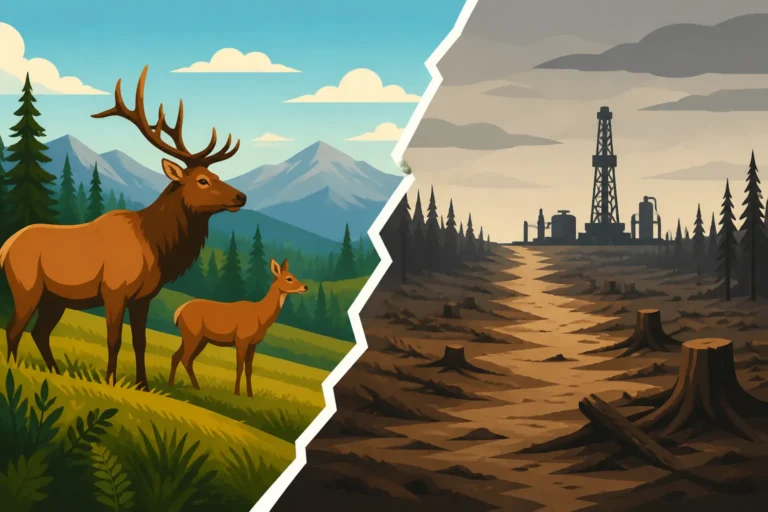
Historically, elk were primarily inhabitants of Alberta's mountain and foothill regions, or specific pockets of parkland. However, over the past few decades, their populations have rebounded impressively thanks to conservation efforts and effective management. With this resurgence, elk have also expanded their range, pushing further into the "white area" (settled agricultural land) of the province. This expansion isn't accidental; it’s a direct result of several factors. Logging and resource development in traditional forested habitats can sometimes open up new foraging areas, but it also pushes some herds towards the more reliable food sources found closer to human settlements. Changes in land use, urban sprawl, and even the reduction of natural predators in certain areas have contributed to elk establishing themselves in new territories, including increasingly around agricultural zones.
The allure of nutrient-rich cultivated fields and the relative safety from predators often found near human activity has allowed elk herds to grow and thrive outside their traditional homes. This expansion has led to the current dilemma, where a species once confined to wilder landscapes now frequently finds itself in direct conflict with human economic interests. Understanding Elk in Alberta's Mountains and Farmland helps illustrate this shift from their historical strongholds to their current, broader distribution, which now includes a significant presence on private agricultural lands. It’s a classic example of wildlife adapting to a changing landscape, but one that comes with a steep price tag for many landowners.
The Scope of Elk Damage to Alberta Farmland
When we talk about elk damage, it’s not a vague concept; it translates into real financial losses, increased workload, and immense frustration for Alberta's farmers and ranchers. These aren't minor inconveniences; they can represent a significant hit to a family's livelihood.
Crop Depredation and Forage Loss
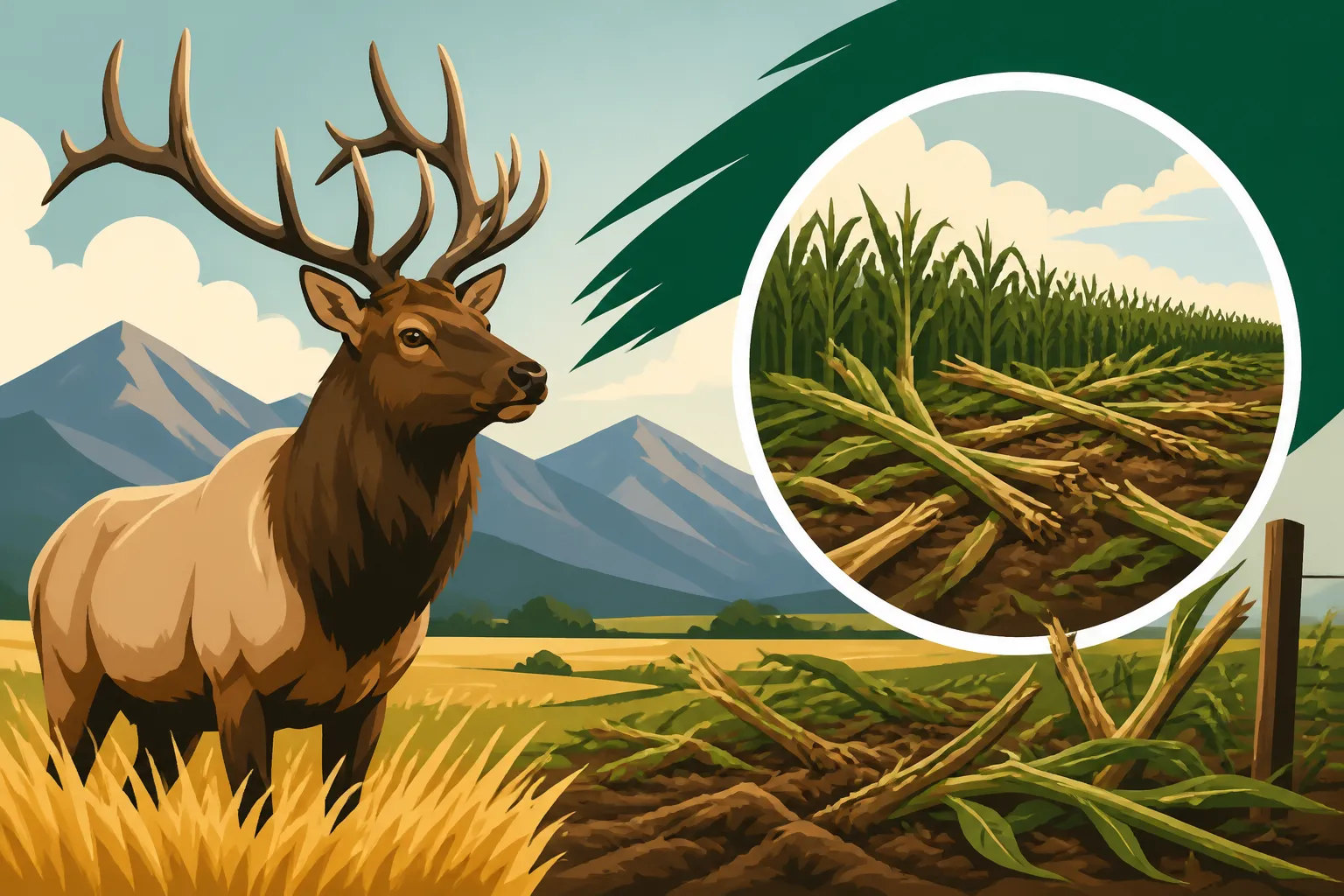
Imagine spending months cultivating a field, watching your crops grow, only to have a herd of hundreds of elk move in and decimate a significant portion of it overnight. This is the reality for many farmers dealing with elk. During the growing season, elk will graze on standing crops like canola, wheat, barley, and peas, often just weeks before harvest. Their sheer size and numbers mean they can consume vast quantities of feed in a short amount of time. The damage isn't just what they eat; it's also what they trample and bed down in, making large sections unharvestable or significantly reducing yield quality.
The problem often intensifies in the fall and winter. As snow covers natural forage, elk are drawn to swathed grain fields, bales of hay, and silage pits. This direct consumption of stored feed meant for livestock like cattle can lead to critical shortages for ranchers, forcing them to purchase expensive supplemental feed, often at premium prices during winter. The financial impact is immediate and substantial, eroding profits and adding significant stress during already challenging farming seasons. Farmers often feel helpless as they watch their year's hard work literally being eaten away. It really highlights Why Elk Move Onto Grain Fields and the critical impact that has.
Fence and Infrastructure Destruction
Elk are large, powerful animals, and when they decide to move, fences often stand no chance. Whether it's to access a prime feeding area, escape pressure, or simply follow their migratory instincts, elk will push through, climb over, or break down fences. This isn't just an inconvenience; it represents considerable repair costs in terms of time, materials, and labor for the landowner. A broken fence can lead to livestock escaping, potential road hazards, and the arduous task of tracking and gathering animals, often in harsh weather conditions.
Beyond fences, elk can damage other vital farm infrastructure. They can trample and break irrigation lines, damage gates, and even compact soil in sensitive areas, creating ruts, especially in wet conditions. These seemingly minor damages accumulate, creating ongoing maintenance demands and operational disruptions for farmers. The cost of replacing high-tensile wire, posts, and repairing sophisticated irrigation equipment adds up quickly, creating an unseen expense that drastically impacts a farm's bottom line. This table outlines some of the common damage issues and mitigation strategies:
| Type of Elk Damage | Description of Impact | Mitigation Strategies |
|---|---|---|
| Crop Depredation | Elk grazing on standing crops (e.g., canola, barley, hay) causing significant yield loss. | Scare devices (propane cannons, effigies), fencing, hunting pressure, habitat modification (e.g., alternate feed sites or sacrificial crops), using platforms like GoHunt to connect with hunters who can apply pressure. |
| Forage Loss | Consuming stored hay or pasture intended for livestock, leading to feed shortages. | Stacking hay in protected areas, electric fences around feed bales, moving feed closer to human activity, specialized feed storage. |
| Fence Destruction | Breaking down fences while crossing fields, resulting in repair costs and livestock issues. | Higher tensile strength fences, electric strands, reinforced gates, strategic gaps in fences, "wildlife-friendly" fence designs that allow easier passage in specific areas while maintaining integrity elsewhere. |
| Infrastructure Damage | Trampling irrigation systems, damaging field accesses, creating ruts in wet fields. | Reinforcing vulnerable infrastructure, diverting elk away from sensitive areas, installing protective barriers around critical systems. |
| Disease Transmission | Potential for spreading diseases like Chronic Wasting Disease (CWD) to livestock. | Management of elk populations, CWD testing programs (especially in high-risk WMUs), minimizing nose-to-nose contact between wild and domestic animals where possible. |
| Vehicle Collisions | Increased risk of collisions with elk, especially on rural roads near popular feeding areas. | Wildlife crossings (where feasible), signage, public awareness campaigns for drivers, managing elk populations to reduce densities near high-traffic roads. |
Strategies for Mitigating Elk Damage on Farmland
Dealing with persistent elk damage requires a multi-faceted approach, combining proactive deterrents with managed population control. There's no silver bullet, but a combination of methods often provides the best relief for beleaguered landowners.
Non-Lethal Deterrents and Exclusion Tactics
One of the first lines of defense for landowners is to try and make their property less appealing to elk without resorting to lethal means. Fencing is often the most effective, albeit expensive, solution. High-tensile fences or multi-strand electric fences can be installed around vulnerable crops or hay storage areas. These require significant investment and maintenance but can be very effective if properly designed and erected. However, fencing large agricultural fields is often impractical due to cost, scale, and interference with farming operations.
Other non-lethal deterrents include scare devices such as propane cannons, air horns, and effigies. These can be effective initially, but elk are intelligent and often habituate to repetitive sounds and sights, rendering them useless over time. Dogs, particularly livestock guardian breeds, can also be employed to haze elk away, but this requires significant management and training. Some landowners experiment with taste or smell repellents, but their efficacy in large agricultural settings and over extended periods is often limited. Habitat modification, such as removing preferred bedding cover near valuable crops or establishing alternative feed sites away from sensitive areas, can also help redirect elk movement, though this is a long-term strategy that requires careful planning and resources. When considering access points and preventing damage, understanding Alberta's Recreational Access Mapping Tool can sometimes help identify key points of ingress that might be reinforced.
Hunting as a Management Tool for Elk on Farmland
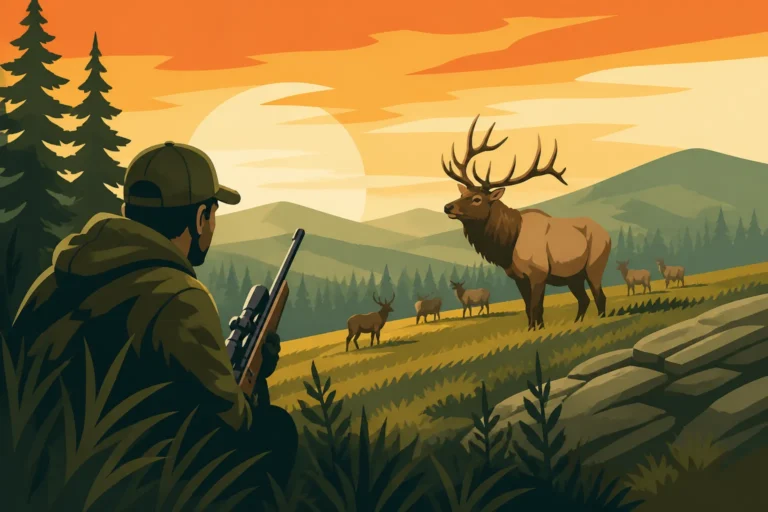
Hunting is widely recognized as a crucial tool in managing elk populations and mitigating agricultural damage. Properly regulated hunting pressure can reduce elk numbers in problematic areas, disperse herds, and alter their behavior, making them warier of spending prolonged periods on open farmland. This is where hunters become an indispensable part of the solution. General elk seasons, outlined in Alberta Big Game Season Dates, allow for broad population management, but often aren't enough to address specific localized damage issues.
This is where special hunting opportunities come into play. Alberta Environment and Parks, in collaboration with landowners, often implements specialized hunting seasons or antlerless allocations specifically designed to address problem elk herds. These seasons might occur outside regular hunting dates or have increased bag limits, allowing hunters to target elk that are consistently causing damage. Landowners, frustrated by crop losses, are often much more willing to grant access to ethical hunters who can demonstrate that they are actively trying to help alleviate the problem. This type of targeted hunting pressure encourages elk to move back towards more traditional habitats and away from valuable agricultural assets. It’s a win-win: hunters get an opportunity, and farmers get relief.
Alberta Government Programs and Support for Landowners
Recognizing the significant challenges faced by landowners, the Alberta government has put various programs and initiatives in place to support them in managing elk damage. These programs aim to provide both immediate relief and long-term solutions.
Damage Compensation and Prevention Programs
One of the most direct forms of support for landowners dealing with wildlife damage is through compensation programs. Alberta’s Wildlife Damage Compensation Program can provide financial reimbursement for losses to crops, stored feed, and even beehives caused by designated wildlife species, including elk. This program is a lifeline for many farmers, helping to offset the direct financial impact of depredation. However, it's not a simple process; it involves reporting damage, assessments, and adherence to specific guidelines and deadlines. The goal is to provide a safety net, not necessarily to make farmers whole, as the emotional toll and disruption to operations are often unquantifiable.
In addition to compensation, prevention programs are often available to help landowners implement deterrents. These might include cost-sharing for wildlife-friendly fencing, materials for scare devices, or assistance with habitat modifications. The focus is on reducing the likelihood of damage occurring in the first place, rather than just reacting to it. Understanding these programs and actively participating can significantly reduce a landowner's burden. Information regarding these programs can often be found through Alberta Agriculture and Forestry or local Fish and Wildlife offices. In some instances, specialized tags are issued as part of Alberta Damage Control Licences for Farmers, allowing for specific, immediate intervention when elk are causing severe issues.
Special Elk Hunting Seasons and Licences
Beyond the general big game seasons, the Alberta government often uses special licences and seasons to manage elk populations that are encroaching on farmland. These might include increased allocations for antlerless elk, extended seasons in specific Wildlife Management Units (WMUs), or "damage control" tags issued directly to landowners or their designated hunters. The objective is to apply targeted hunting pressure where it's most needed, reducing herd sizes in problematic areas and encouraging elk to move away from agricultural operations.
Hunters often apply for these special licences through the provincial draw system. Alberta's Special Licence Draws are a critical component of wildlife management, allowing for precise control over harvest rates in specific areas. These draws are highly sought after, especially for antlerless elk, as they provide opportunities to hunt in areas where general season tags might be limited or nonexistent. Landowners also have the option to permit hunting on their land during these special seasons, which provides a valuable avenue for controlling elk numbers. It's a collaborative effort, where government, landowners, and hunters all play a role in maintaining a healthy balance between wildlife and agricultural interests.
The Role of Hunters in Alberta's Elk Management
Hunters are not just participants in wildlife management; they are essential partners, particularly when it comes to addressing the complex issue of elk on farmland. Their willingness to engage, their adherence to ethical practices, and their connection to conservation efforts are critical for successful outcomes.
Ethical Hunting Practices and Landowner Relations
For hunters to be truly effective in mitigating elk damage, they must prioritize ethical hunting practices and cultivate strong relationships with landowners. This means more than just asking for permission; it involves respecting private property, understanding the farmer's concerns, and conducting oneself as a responsible and trustworthy individual. Many landowners have been burned by disrespectful hunters in the past, making them hesitant to grant access. A hunter who asks politely, offers to help with chores, drives carefully on access roads, reports their harvest, and genuinely contributes to the damage mitigation effort can become a trusted ally.
Communication is key. Before ever setting foot on private land, hunters should clearly articulate their intentions, discuss where they plan to hunt, what species they're targeting, and adhere strictly to any conditions set by the landowner. This also includes understanding Alberta Landowner Permission Law and always securing explicit permission. Showing respect for the land, livestock, and the farmer's operations goes a long way in building rapport, which is essential for ongoing access. Many successful hunting opportunities on private land stem from these foundational relationships. Remember, the farmer is granting you a privilege, not a right, and treating it as such will open far more doors.
Utilizing Platforms like GoHunt for Access and Information
In today's digital age, platforms like GoHunt are increasingly vital for connecting hunters with landowners and streamlining the process of finding access. GoHunt can act as a bridge, allowing landowners to advertise hunting opportunities to responsible individuals who are eager to help manage problematic elk. This kind of platform provides a structured way for hunters to find specific properties where their efforts can directly contribute to damage mitigation, and for landowners to vet potential hunters.
For hunters, GoHunt offers a valuable resource for identifying areas with high elk populations and available access, particularly for those seeking to hunt Hunting Elk on Alberta Grain Land. It can provide crucial information about specific property rules, target species, and even preferred hunting methods. This makes the search for ethical hunting opportunities more efficient and transparent, helping hunters contribute directly to the solution on the ground. By using platforms like GoHunt, hunters can proactively seek out opportunities to participate in elk management on farmland, strengthening the landowner-hunter partnership. It’s a modern tool designed to enhance traditional conservation efforts and address real-world problems.
Navigating Landowner-Hunter Relationships for Effective Elk Management
The success of managing elk damage on farmland hinges significantly on the quality of relationships between landowners and hunters. This isn't always easy, given past negative experiences or misunderstandings, but fostering trust and clear communication is paramount.
Building Trust and Communication
Let's be honest: there's often a historical tension between some landowners and hunters. Farmers have seen their land disrespected, gates left open, and livestock agitated. Hunters have sometimes felt unwelcome, despite offering a service that could benefit the farmer. Bridging this gap requires intentional effort from both sides, but especially from hunters who are seeking the privilege of access. As a hunter, your first interaction with a landowner sets the tone. A courteous, respectful approach, clearly stating your intentions (e.g., "I'm hoping to help thin out some of these elk that are causing damage to your crops"), and offering to share some of your harvest can go a long way.
Transparency is crucial. Share your hunting plan, including where you'll park, which areas you intend to access, and what measures you'll take to ensure safety for livestock and family members. Offering to call when you arrive and when you leave, or even helping with a small chore, demonstrates respect for their time and property. Farmers often appreciate a hunter who is willing to adapt to their schedule and needs, especially during busy seeding or harvest times. This foundational trust is what allows for effective long-term collaboration in managing elk populations. It's about more than just the hunt; it's about being a good neighbor and a responsible member of the hunting community, echoing the sentiment of Asking an Alberta Landowner for Permission and establishing good rapport.
Understanding Different Land Access Approaches
When seeking access to private land for elk hunting, hunters will encounter various approaches from landowners, and understanding these can help navigate the process more successfully. Some landowners are simply looking for relief from damage and are happy to grant free access to responsible hunters. Others, however, may prefer a more structured approach, perhaps through formal agreements or even charging a nominal fee for access to cover some of their losses or for the inconvenience. It's important for hunters to respect these varying preferences and be prepared to discuss them openly.
Some farmers might prefer that hunters participate in specific, targeted damage control hunts organized through Fish and Wildlife. Others might want to use a platform like GoHunt to manage who comes onto their property. There are also landowners who are part of larger land access programs run by conservation groups, which facilitate access under certain conditions. Regardless of the specific mechanism, the core principle remains: gaining Getting Private Land Permission in Alberta is a privilege, and the hunter's attitude and actions will determine future opportunities. Being flexible, understanding, and committed to being part of the solution rather than adding to the problem will open more doors and ensure that hunters remain a respected and valued part of Alberta's wildlife management efforts on farmland.
Disclaimer
Please remember that hunting regulations, land access rules, and government programs related to wildlife damage are subject to change. Always consult the most current Alberta Hunting Regulations, available through Alberta Environment and Parks, and confirm any details with relevant government authorities or landowners before planning your hunt. Safety is paramount, and responsible hunting practices are expected at all times.