What Happens If the Allocation Runs Out
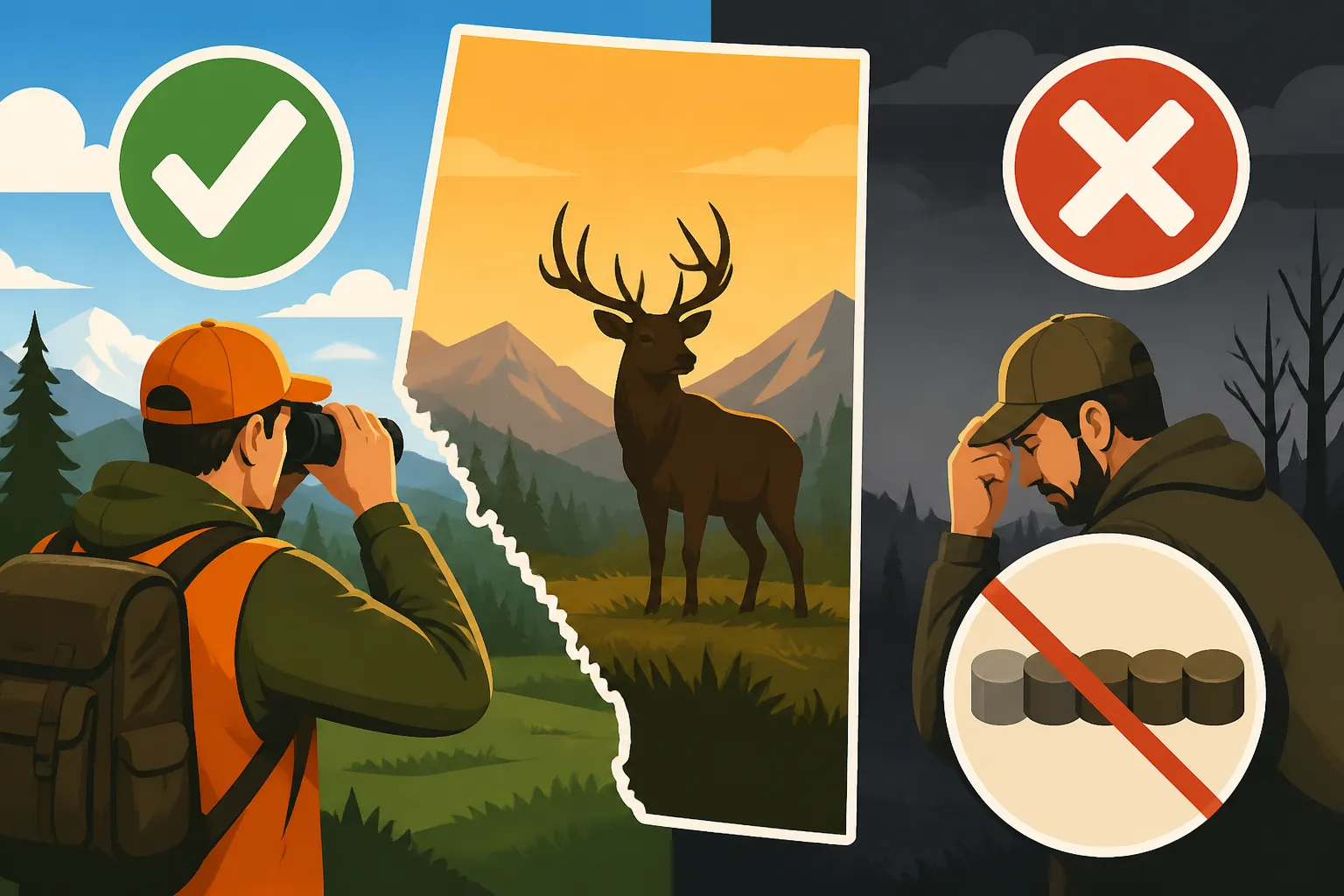
It's a sinking feeling, isn't it? You've spent months, maybe even years, dreaming about that perfect Alberta hunting trip, researching outfitters, and finally deciding on the one that feels right. You reach out, full of excitement, only to hear those dreaded words: "Sorry, our allocation for that season/species is full." It's incredibly frustrating, and it can leave you wondering what exactly happened and what your options are. This guide is here to demystify outfitter allocations and walk you through what happens when they run out, and more importantly, how you might avoid that scenario in the future.
Understanding Alberta's Outfitter Allocation System
Before we dive into what happens when an outfitter runs out of allocation, let's get a handle on what this system actually is. It's a fundamental part of how non-resident hunting is managed in Alberta, and understanding it is key to planning a successful trip.
What "Allocation" Really Means for Outfitters
In Alberta, the provincial government uses an allocation system to manage the number of non-resident hunters for certain big game species. Essentially, an "allocation" is a specific number of tags or hunting opportunities that the province grants to licensed outfitters each year for non-resident clients. These aren't limitless; they are finite numbers assigned to outfitters for particular Wildlife Management Units (WMUs) and specific species.
Think of it like this: the province has a pie of available hunting opportunities for non-residents. Instead of handing out slices directly to individual non-resident hunters, they give a certain number of slices to approved outfitters. Each slice represents a chance for an outfitter to bring one non-resident client to hunt a specific animal in a particular area. Once an outfitter has booked clients for all their allocated slices, they simply cannot take any more non-resident hunters for that specific hunt. This applies across the board, whether you're looking for a Booking an Alberta Whitetail Hunt in the parkland or a Booking an Alberta Moose Hunt in the boreal.
Why Allocations Exist
The primary reasons behind Alberta's outfitter allocation system are rooted in wildlife management, resident hunter opportunity, and economic considerations. First and foremost, it's about maintaining healthy game populations. By controlling the number of non-resident hunters through outfitters, the province can better manage harvest rates and ensure sustainability. This is particularly important for species that might be more sensitive to hunting pressure or in areas where populations are carefully monitored.
Secondly, the system prioritizes resident hunters. Alberta aims to ensure that its own citizens have ample opportunity to hunt within the province. Outfitters primarily serve non-resident hunters (including non-resident aliens and often those from other Canadian provinces, depending on the species), and allocations help balance that with resident hunting pressure. Lastly, there's an economic benefit: a regulated outfitting industry contributes to local economies through jobs, services, and tourism, while still maintaining control over wildlife resources. Understanding What an Alberta Outfitter Allocation Is provides more detail on this system.
How Allocations Impact Your Hunt Planning
This allocation system means that your hunt planning, especially as a non-resident, is directly tied to an outfitter's available permits. It's not just about when you can travel, but when they have an opening that aligns with their allocated tags. Popular species, prime rut dates (like Hunting the Rut in Early November), or highly sought-after WMUs can see allocations fill up incredibly fast.
This reality often means planning much further in advance than you might initially think necessary. For that dream Rocky Mountain bighorn sheep hunt or a trophy whitetail, you might need to be looking a year or even two years out. If you're hoping to hunt one of Alberta's highly sought-after big game animals, it's wise to start your conversations with outfitters as early as possible. This proactive approach can make all the difference in securing your spot and avoiding the disappointment of a fully booked allocation.
The Dreaded "Sold Out" Scenario: What Happens When Allocation Runs Out
So, you've done your research, picked your outfitter, and made the call or sent the email, only to find out their allocation is gone. It's a tough pill to swallow, but it's a reality many hunters face. Let's break down what actually happens next.
The Outfitter's Perspective
From the outfitter's side, when their allocation runs out, it's quite straightforward: they simply cannot legally accept any more non-resident clients for that specific hunt type, in that WMU, for that season. They have a finite number of permits, and once they're all booked and tied to clients, their hands are tied. It's not usually a matter of them not wanting your business; it's a regulatory constraint.
A reputable outfitter will clearly communicate this to you. They might offer alternatives, such as booking for a future season, suggesting a different species they still have allocation for, or even recommending another outfitter they know still has openings. They are often just as keen to fill their spots and get hunters into the field as you are to hunt, but they must operate within the provincial rules regarding What an Alberta Outfitter Allocation Is.
Your Options as a Hunter
When you find out an outfitter's allocation is full, it's not the end of the world, but it does require a pivot in your planning. Here are some options you might consider:
- Reschedule for a Future Season: This is often the most direct path if you're set on that particular outfitter, species, and WMU. Ask the outfitter if they have availability for the next year or even two years out. Many hunters book their dream hunts far in advance specifically to secure these allocated spots.
- Consider a Different Species: Perhaps your chosen outfitter still has allocation for another species. If you were initially looking for deer, maybe they have black bear tags remaining for the spring season. While it might not be your first choice, it could still lead to an incredible Alberta hunting experience. Black bear hunts, for example, often have different allocation dynamics than deer or moose. You can learn more about Black Bear Hunting in Alberta if this becomes an option.
- Explore a Different WMU: Some outfitters operate in multiple Wildlife Management Units. While their allocation might be full in one, they might have openings in another. The hunting experience might differ, but it's worth asking. Keep in mind that different WMUs can offer wildly different terrain and hunting styles, from Mule Deer Hunting Alberta's Prairie and Badlands to Moose Hunting Alberta's Boreal Forest.
- Seek Another Outfitter: This is probably the most common route. Just because one outfitter is booked doesn't mean all of them are. This is where platforms like
BookYourHuntcan be incredibly helpful, as they often list multiple outfitters and their available hunts, giving you a wider net to cast. You can also use platforms likeGoHuntto research other potential outfitters and their offerings. Be prepared to start your vetting process again. This is also where understanding How to Vet an Alberta Outfitter becomes critical.
The Financial Ramifications
One of the biggest concerns when an allocation runs out, especially if you had a verbal agreement or sent a deposit, is the financial aspect. This highlights the importance of understanding an outfitter's deposit and cancellation terms before sending any money.
- Deposits: Most reputable outfitters require a deposit to secure your spot. If their allocation runs out after you've put down a deposit, the terms of your contract or agreement with them will dictate what happens. Ideally, the outfitter would have confirmed allocation before accepting your deposit. If the outfitter has accepted your deposit and then tells you their allocation is full, they should offer a full refund or the option to apply it to a future hunt. Clear communication is essential here.
- Cancellation Policies: Always read the fine print! Alberta Deposit and Cancellation Terms vary widely between outfitters. Some might offer a full refund if they cannot provide the hunt due to allocation issues, while others might offer a credit for a future hunt. Understand these terms upfront to avoid surprises.
- Travel Insurance: For non-resident hunters making significant travel plans, especially international ones, travel insurance that covers trip cancellation for various reasons (including unforeseen issues with the outfitter's ability to provide the hunt, though check policy specifics carefully) can be a wise investment.
Strategies to Avoid Missing Out on an Alberta Hunt
The best defense is a good offense, right? When it comes to outfitter allocations, being proactive is your greatest tool. Here's how to maximize your chances of securing that coveted spot.
Booking Early is Key
This cannot be stressed enough, especially for highly desirable hunts or prime dates. If you have your heart set on a trophy whitetail during the peak of the rut in November, or a challenging Backpack Hunting Alberta's Bighorn Country expedition, you need to start planning well over a year in advance – sometimes two years or more. Outfitters for high-demand species like moose, elk, and bighorn sheep often book up incredibly fast.
Think about it: many seasoned hunters book their next trip before they even leave camp from their current one. By getting your name in the hat early, you get ahead of the curve. Platforms like BookYourHunt and GoHunt can actually help you see how far in advance certain hunts are booking up, giving you a realistic timeline. Don't wait until spring to try and book a fall rut hunt; by then, it's often too late. This is a crucial takeaway for Booking an Alberta Hunt a Year Ahead.
Being Flexible with Dates and Species
While everyone has their dream hunt, sometimes a bit of flexibility can open up opportunities. If you're finding prime rut dates are fully booked, ask about shoulders of the season. Sometimes, just a week or two difference can mean an outfitter has an opening. Similarly, if your primary target species is booked, consider a secondary one. An Alberta black bear hunt in the spring can be an incredibly exciting experience and often has different availability windows than a fall big game hunt.
Being open to hunting in different WMUs, even if it means a slightly different type of terrain or animal density, can also expand your options. The more parameters you can be flexible on, the more likely you are to find an outfitter who still has allocation.
Working with Reputable Outfitters and Brokers
Choosing the right outfitter is paramount. Reputable outfitters are transparent about their allocation status and will communicate clearly if a spot is truly available or not. They manage their bookings carefully to ensure they don't overbook beyond their provincial allocation. Look for outfitters with a long-standing track record, good references, and clear communication. Platforms like BookYourHunt often feature reviews and verification processes that can help you identify established and trustworthy operations.
Hunting brokers can also be a valuable resource. These individuals or companies work with multiple outfitters and often have real-time knowledge of who has what allocation available. They can help match you with an outfitter that fits your desired hunt and has the necessary tags. While they add another layer to the process, their expertise can save you a lot of legwork and potentially help you avoid allocation headaches.
Utilizing Online Platforms
In today's digital age, online hunting platforms are an invaluable tool for finding and booking hunts. Websites like BookYourHunt allow you to browse hundreds of outfitters by species, region, and availability. You can often see which hunts are already booked and which have openings, sometimes even years in advance. These platforms streamline the initial search process and connect you directly with outfitters who are actively seeking clients.
Similarly, GoHunt (and similar services that focus on draw odds and unit breakdowns) can provide insights into general hunting pressure and success rates in different areas, which can indirectly inform you about how quickly allocations might fill up. While GoHunt is more focused on self-guided hunting analysis, understanding which areas are popular can give you a sense of demand for guided hunts in those same regions. Using these resources proactively can significantly improve your chances of finding an available allocation.
When to Consider Alternative Hunting Paths
Sometimes, despite all your best efforts, an outfitter might just be completely booked, or perhaps your budget changes, or you simply want to explore other ways to experience Alberta's incredible hunting opportunities. It’s always good to have a backup plan or understand other avenues.
Exploring Resident Hunter Host Opportunities
For non-residents from other Canadian provinces or the United States (where applicable and with specific rules), the Alberta Hunter Host program can be a fantastic alternative to booking with a guide. Under this program, a qualified Alberta resident can host a non-resident hunter. This means you don't require an outfitter's allocation; instead, your hunt is tied to the resident's ability to host you under the provincial rules.
It's a more personal way to experience Alberta hunting, often with friends or family who live here. There are strict rules governing who can be a hunter host and what their responsibilities are, but it can bypass the outfitter allocation system entirely for certain species. Make sure you understand Hunting Alberta With a Hunter Host thoroughly before pursuing this option, as eligibility criteria and restrictions apply to both the host and the hunter.
Focusing on General Tag Species
While many of the most sought-after big game animals in Alberta for non-residents require an outfitter's allocation, some species or opportunities might be available without going through the specialized allocation system. This usually applies more to residents, but it's worth understanding the difference. For non-residents, the requirement for a guide or host is often tied to big game species.
However, if you're exploring game birds, for example, the rules are often different. You can delve into Alberta Game Bird Seasons and Limits and discover opportunities for Waterfowl Hunting Alberta's Grain Fields or Upland Bird Hunting in Alberta. These types of hunts usually operate under general licence systems, and while you might still want a guide for the best experience, it's not always mandated by allocation in the same way as big game.
Understanding the Trade-offs of Different Hunting Models
Here's a quick comparison of the booking process for different types of guided hunts:
| Booking Aspect | Outfitter Allocation Required (e.g., non-resident deer, moose) | General Licence Hunting (e.g., upland birds, coyotes) | Hunter Host (non-resident with resident host) |
|---|---|---|---|
| Allocation/Permit | Provincial allocation granted to outfitter | Hunter buys general licence directly | Resident host's privileges extend to non-resident |
| Booking Lead Time | Often 1-3 years in advance, especially for prime dates/species | Can be much shorter, even same season | Requires coordinating with a willing host |
| Cost Structure | Package price includes guide, lodging, food, tag fees | Cost mainly for licence, gear, self-arranged lodging | Cost of licence, gear, contribution to host's expenses |
| Flexibility | Limited by outfitter's allocation and schedule | Highly flexible, depends on personal availability | Flexible with host, but bound by host rules |
| Primary Target Hunter | Non-resident, often international | Resident, or non-resident for certain species | Non-resident (from other provinces or US) |
| Risk of "Sold Out" | High for popular hunts | Very low | Low, depends on host availability and rules |
| Required Support | Mandatory professional guide | Often self-guided, or local guide hired | Mandatory resident host |
Disclaimer
This article is for general informational purposes only and does not constitute professional advice. Laws, prices and regulations vary by location and change over time. Consult a qualified professional for guidance on your specific situation.