Hunting Alberta’s Released Pheasants
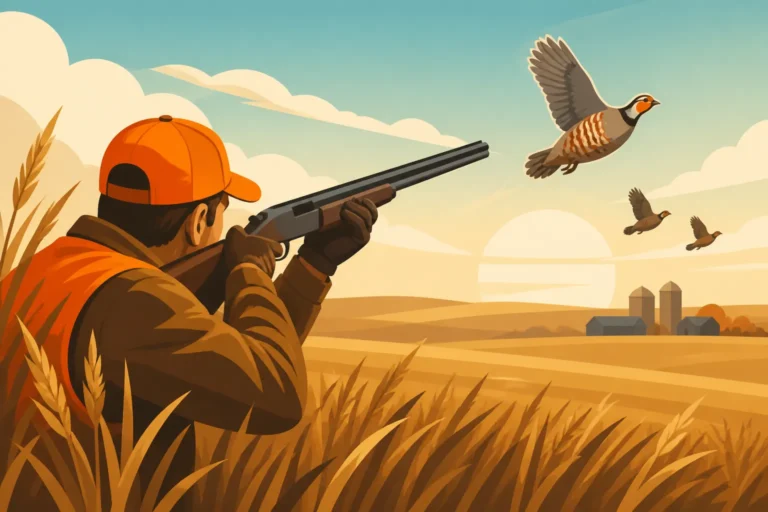
Finding wild pheasants in Alberta can feel like chasing a ghost – they're notoriously elusive, often found in tiny, scattered pockets of private land, making consistent hunting a real challenge for many of us. That's why Alberta's released pheasant programs have become such a lifesaver for hunters seeking reliable opportunities. This guide is all about diving deep into how to successfully hunt these birds, from finding the best spots to employing the right tactics, so you can enjoy some classic upland action.
The Reality of Pheasant Hunting in Alberta
Let's be honest, for many years, the dream of stumbling into a robust covey of wild pheasants across Alberta's landscape felt increasingly out of reach. There's a real frustration that comes with scouting for hours, knocking on countless doors, only to find the "ringneck gold" is few and far between. But don't despair, because the landscape of pheasant hunting here has evolved, offering fantastic new avenues for those willing to embrace them.
Why Wild Pheasants Are a Challenge
Historically, Alberta had pockets of wild pheasants, particularly in the irrigated agricultural regions of the south. These birds thrived in a mosaic of cover – tall grasses, dense shelterbelts, weedy ditch banks, and standing crops. However, a combination of factors has made their populations incredibly vulnerable. First, intense agricultural practices have led to significant habitat loss; every fence-row cleared, every slough drained, means less secure cover for pheasants to breed and escape predators. Secondly, our harsh Alberta winters, especially those with heavy, prolonged snow cover, can devastate populations, as birds struggle to find food and shelter. Predation from coyotes, foxes, and raptors also takes a toll, especially when birds are concentrated in shrinking habitats. It's a tough cycle, leaving many hunters feeling like they're searching for a needle in a haystack.
The Role of Release Programs
This is where the magic of release programs steps in, fundamentally changing the game for pheasant enthusiasts. Recognizing the dwindling wild populations and the immense desire among hunters for upland opportunities, organizations like the Alberta Conservation Association (ACA) stepped up. Their Upland Game Bird Release Program, for example, raises thousands of pheasants each year and releases them onto designated public access sites across the province. These programs serve a vital purpose: they provide accessible, high-quality hunting experiences, introduce new hunters to the sport, and allow seasoned veterans to get their fix without endless frustration. It's a fantastic way to ensure that the tradition of pheasant hunting remains vibrant, even if the birds themselves aren't always "wild" in the traditional sense. These efforts also complement broader strategies for Upland Bird Hunting in Alberta.
Understanding "Released" vs. "Wild" Birds
Now, let's address the elephant in the room. Some hunters might feel a bit of a stigma about hunting "released" birds, believing it's not quite the same as pursuing truly wild pheasants. And to some extent, they're right – there are differences. Released birds, especially early in the season, can be a little less wary than their wild counterparts. They might hold tighter, flush a bit softer, and sometimes, for lack of a better word, act a little "tamer." However, give these birds a few weeks in the field, and they adapt quickly. They learn to run, to hide in the thickest cover, and to use the terrain to their advantage. You'll soon find that a late-season released pheasant can be every bit as challenging and rewarding as a wild one. The key is to appreciate the opportunity these programs provide and understand that a bird flushed and cleanly taken, regardless of its origin, offers a genuine hunting experience.
Finding and Accessing Released Pheasant Sites
So, you're ready to get out there and experience the thrill of a pheasant exploding from cover. The biggest question is, where do you go? Thankfully, Alberta has a pretty solid system for providing these opportunities, both through public initiatives and private ventures. Knowing how to navigate these options is your first step to a successful hunt.
Alberta Conservation Association (ACA) Release Sites
The Alberta Conservation Association (ACA) is a real champion for pheasant hunters, running an extensive Upland Game Bird Release Program. Each year, they strategically release pheasants at various sites, primarily in the White Area of Alberta – the settled, agricultural regions. These sites are often found on specific parcels of public land or private land where the ACA has secured access agreements. The beauty of these sites is that they're designed for public use, making them highly accessible. To find them, you'll want to check the ACA's official website, which typically provides detailed maps, GPS coordinates, and specific regulations for each location. Some advanced mapping tools like GoHunt can also integrate this information, allowing you to layer ACA release sites onto satellite imagery, helping you visualize the terrain and potential holding cover before you even leave home. Just remember to always consult the current Alberta hunting regulations for specific season dates and bag limits applicable to these areas, as they can vary.
Private Club and Commercial Operations
Beyond the ACA, there's another excellent avenue for hunting released pheasants: private hunting clubs and commercial game bird preserves. These operations typically manage their own pheasant populations, often releasing birds throughout the season to ensure a consistent supply for their members or paying clients. Some well-known examples might include private clubs like the Blackfoot Pheasant Club or commercial operations that offer day hunts. The advantage here is often less pressure and higher bird densities, as these operations control access and meticulously manage their stock. However, these opportunities come with a cost, whether it's an annual membership fee or a per-bird/per-day hunting package. It's a great option for those seeking a more exclusive experience or guaranteed bird encounters, and it's certainly a more consistent way to get birds in the bag than trying to find Hungarian Partridge on Alberta Farms that are truly wild.
Gaining Permission on Private Land with Released Birds
While most formal release programs happen on designated public access sites or private preserves, there are sometimes opportunities on private land, especially near major release zones. This often requires a bit more legwork, but the rewards can be significant: less competition and potentially undisturbed birds. The key here is the Alberta Landowner Permission Law. You must obtain explicit permission from the landowner before stepping foot on their property. Start by identifying farms or acreages bordering known release sites or areas with excellent pheasant habitat (dense cover, unharvested fields, thick sloughs). A friendly, respectful approach, ideally in person and well before the season, is crucial. Offer to share some of your harvest, inquire about helping with any chores, or simply convey your respect for their land. Using tools like GoHunt to identify property lines and landowner information can give you a head start, allowing you to approach the right person with confidence. Building rapport is everything, and a landowner who trusts you might grant permission for years to come.
Essential Gear and Tactics for Success
Once you've found your hunting ground, the next step is ensuring you're properly equipped and know how to effectively hunt these wily birds. Pheasant hunting isn't just about walking fields; it's about smart choices in gear and employing tactics that stack the odds in your favour. Trust me, the right setup can make all the difference between a memorable day afield and a frustrating walk in the park.
Shotguns, Loads, and Chokes
For pheasants, a reliable shotgun is your best friend. While 12-gauge shotguns are popular for their stopping power, a 20-gauge is also an excellent choice, offering lighter weight and less recoil, especially for longer days in the field. Semi-automatics and over/unders are common, giving you two or three quick shots if needed. When it comes to shot size, 5, 6, or 7.5 lead shot are typically ideal. Early in the season, when birds might be holding tighter and flushing closer, 7.5 can be effective, but as they get cagier and flush at longer distances, 6s or even 5s will provide more punch and a denser pattern at range. For chokes, a modified choke is a fantastic all-around choice. It offers a good balance of pattern density and spread, suitable for most pheasant flushing distances. If you're hunting with a partner or have a two-barrel gun, an improved cylinder in the first barrel and a modified or even a light full in the second can be a great combination. Always ensure your chosen shot is legal for the area you're hunting; while lead is generally fine for upland birds, some specific areas might have non-toxic requirements, similar to what you'd see for Alberta Waterfowl and Migration Routes.
The Indispensable Dog: Flushing vs. Pointing
I cannot stress this enough: a good bird dog is perhaps the single most valuable piece of "gear" for pheasant hunting. Hunting without one, especially for released birds, can be incredibly frustrating. Pheasants, particularly those that have been in the field for a while, are notorious "runners" – they'd rather use their powerful legs to escape through thick cover than take to the air. A dog dramatically increases your chances of finding these hidden birds and, critically, retrieving downed game. No matter how good your shot, a crippled pheasant can disappear into the brush in seconds.
- Flushing Dogs: Breeds like Labradors, English Springer Spaniels, and Chesapeake Bay Retrievers are excellent flushers. They work systematically through cover, using their incredible noses to locate birds and then "flush" them into the air within shooting range. Their drive to retrieve is paramount, ensuring minimal lost birds. If you're looking into Using a Flushing Dog in Thick Cover, these breeds excel.
- Pointing Dogs: Breeds such as German Shorthaired Pointers, Brittanys, and English Pointers will "point" a bird, freezing when they scent it, allowing the hunter to walk in and prepare for the flush. This can lead to calmer, more controlled shots. Learning about Using a Pointing Dog on Alberta Prairie can give you an edge in more open areas.
Regardless of breed, a well-trained dog makes the hunt infinitely more enjoyable and ethical, significantly reducing the number of lost birds. It's truly a partnership, and watching a good dog work is a huge part of the joy of upland hunting.
Field Strategies for Released Birds
Hunting pheasants, even released ones, isn't about aimlessly wandering. You need a strategy. Think about where a pheasant wants to be: thick, protective cover that offers food, escape, and a sense of security. This means focusing your efforts on shelterbelts, tall grass, cattail sloughs, brushy field edges, and even standing crops if permitted.
- Walk Slow and Deliberate: Pheasants will often hold tight, relying on their camouflage. Don't rush. Walk at a pace that allows your dog (or your eyes, if hunting without one) to thoroughly work the cover. Pause often; sometimes, a sudden stop will make a nervous bird flush.
- Work the Edges: Pheasants love edges. The edge of a field next to a shelterbelt, the border of a slough, or a brushy draw – these are prime areas. Walk parallel to these edges, making sure your dog sweeps the thick stuff.
- Pinch the Cover: If hunting with a group, form a line and walk through dense cover, like a long shelterbelt or a thick patch of cattails. One or two hunters can walk the inside, while others walk the outside edges, effectively "pinching" the birds between them. This is especially effective for Hunting a Shelterbelt Between Two Fields.
- Zig-Zag Through Open Cover: In more open grass or light stubble, a zig-zag pattern can help cover ground effectively while still hitting potential holding spots.
- Circle Back: Don't assume you've cleared an area after one pass. Pheasants will sometimes double back or hold incredibly tight. If an area looks particularly birdy, or if you heard a cackle without a flush, consider working it again from a different angle.
Remember, released pheasants, especially after a few weeks, learn quickly. They'll use every trick in the book to avoid you. Patience, thoroughness, and a good understanding of where they want to be are your keys to success.
Best Practices for an Enjoyable and Ethical Hunt
Hunting released pheasants isn't just about filling your game vest; it's about having a quality experience while upholding the highest standards of sportsmanship and ethics. These birds provide a fantastic resource, and treating them, the land, and fellow hunters with respect ensures everyone can continue to enjoy this popular pastime.
Timing Your Hunt and Handling Pressure
Just like any popular hunting activity, timing is everything, especially on public release sites. Opening day and the first few weekends of the pheasant season often see the heaviest pressure, with numerous hunters and dogs vying for the same spots. If you prefer a more solitary experience, consider hunting during weekdays or later in the season. Birds that have been hunted for a few weeks become significantly more educated and challenging, offering a more rewarding pursuit. Early mornings and late afternoons are generally the best times to find pheasants active, as they move between roosting areas, feeding grounds, and protective cover. Using platforms like GoHunt, you can sometimes cross-reference release site locations with land ownership layers and topography to identify less obvious access points or areas that might draw less initial pressure, especially if they require a bit more walking. However, be prepared to share the resource and always be courteous to other hunters you encounter. A simple nod or "good morning" goes a long way.
Ethical Considerations and Bird Care
Ethical hunting is paramount, regardless of whether the bird is wild or released. Your responsibility as a hunter extends beyond simply pulling the trigger.
- Quick, Clean Kills: Strive for clean, decisive shots to ensure a swift and humane kill. This minimizes suffering for the bird and reduces the chance of losing a wounded pheasant. Practice shooting clays before the season to hone your skills.
- Prompt Retrieval: Always make every effort to retrieve downed birds immediately. As mentioned, pheasants are known runners, and a wounded bird can cover significant ground. A good dog is invaluable here, but even without one, mark the fall zone precisely and search thoroughly. Losing a bird is a cardinal sin in ethical hunting.
- Field Dressing: Once retrieved, field dress your pheasant as soon as possible. This involves removing the entrails to allow the carcass to cool quickly, especially on warmer days. Proper cooling prevents spoilage and improves the quality of the meat. Carry gloves and a sharp knife.
- Meat Care in Varying Temperatures: Alberta's fall weather can be notoriously unpredictable, swinging from warm, sunny days to freezing cold. If it's warm, get your birds on ice or into a cooler quickly. If it's cold, hanging them in a cool, shaded spot (like a garage or shed) for a day or two can help age the meat, improving flavour and tenderness. However, be mindful of scavengers. You can find more detailed advice on Meat Care in Alberta's Cold and Warm Swings.
- Respect for the Birds: Recognize that these released pheasants are a valuable resource, provided for our enjoyment. Treat them with respect throughout the hunt, and appreciate the efforts of organizations like the ACA that make these opportunities possible.
Safety First in the Field
Upland hunting often involves walking through dense cover with multiple hunters and dogs, making safety non-negotiable.
- Blaze Orange Requirements: In Alberta, all hunters must wear blaze orange when hunting upland game birds. This includes a minimum of 400 square inches of solid blaze orange visible from all sides (vest, hat, etc.). This makes you highly visible to other hunters, dramatically reducing the risk of accidents. Revisit the Alberta Blaze Orange and Safety Rules for specific details.
- Muzzle Control: Always be aware of where your shotgun's muzzle is pointing. Keep it pointed in a safe direction – either towards the ground or sky – especially when walking in a line or maneuvering through thick brush.
- Shooting Lanes: Before taking a shot, identify a clear shooting lane. Be absolutely certain of your target and what's beyond it. Never shoot low over the head of another hunter or dog. If unsure, do not shoot.
- Awareness of Others: Maintain constant awareness of the location of your hunting partners and any dogs in the field. Communicate clearly and frequently, especially when birds flush.
- Legal Firearms: Ensure your firearm is legal for hunting and in good working order. Understand and adhere to all Legal Firearms and Bows for Big Game regulations, which also apply to shotguns for upland birds.
A safe hunt is a good hunt. By prioritizing these safety measures, you ensure that everyone can enjoy their time in the field without incident.
Overcoming Common Challenges
Even with the best preparation, pheasant hunting comes with its own set of unique challenges. These birds are survivors, and they'll test your resolve. Knowing how to anticipate and react to these common hurdles can make the difference between a frustrating outing and a successful one.
Dealing with "Runner" Pheasants
One of the most frustrating aspects of pheasant hunting is dealing with a bird that hits the ground running after the shot. You might think you made a clean hit, only for the bird to disappear into the thickest cover faster than you can blink. This is where a well-trained dog truly shines. A good retriever, like a Labrador, will immediately track the scent trail of a running bird, often catching it before it can get too far or hide effectively. If you're hunting without a dog, it's a much tougher proposition.
- Mark the Fall: The instant a bird goes down, mark the precise spot where you last saw it. Pick out a prominent tree, bush, or landmark.
- Approach Cautiously: Assume the bird is still alive and capable of running. Keep your gun ready.
- Systematic Search: Walk in ever-widening circles around your marked fall spot. Look for disturbed grass, feathers, or a subtle flash of colour.
- Listen: Sometimes you can hear a wounded bird rustling in the cover.
- Enlist Help: If hunting with a partner, have both of you search, covering different angles.
It's tempting to rush, but a slow, methodical search is usually more effective. Remember, your ethical responsibility is to recover every bird you shoot.
Weather Adaptations and Clothing
Alberta weather is, shall we say, "character-building." You can start the day in a crisp autumn chill and by noon be shedding layers in unexpected warmth, only to have a squall blow through by afternoon. Pheasants react to this, and so should you.
- Layering is Key: Always dress in layers. A good base layer, an insulating mid-layer (fleece or synthetic down), and a waterproof/windproof outer shell will allow you to adapt to changing conditions.
- Footwear: Sturdy, waterproof boots are essential. You'll be walking through dew-soaked grass, potentially muddy ditches, and maybe even shallow water in sloughs. Comfort is critical for long days afield.
- Cold Weather: In deep cold, birds might hold even tighter to thick thermal cover. Hunting around noon when the sun is highest can be productive. Be prepared for Hunting Alberta Winter Weather Safely, with hand warmers, extra gloves, and warm headwear.
- Wind: Wind can make birds nervous and affect their flight patterns. It can also make it harder for your dog to scent birds effectively. Try hunting with the wind at your back, pushing your scent away from the birds, or quartering into it.
- Snow: Fresh snow can be fantastic for tracking, but heavy snow can bury cover and food, making birds harder to find. However, snow often concentrates birds in specific areas, so look for heavy cover that offers protection from the elements.
Being prepared for anything the weather throws at you means you'll stay comfortable and focused, increasing your enjoyment and success.
Maximizing Your Chances on Public Release Sites
Public access release sites, while a fantastic resource, can also present challenges due to hunting pressure. It's easy to feel like you're constantly following other hunters or walking through ground that's already been picked over. But there are ways to maximize your chances.
- Go Early, Go Late: The earliest hours of the morning, just after legal shooting light, can be prime. Birds haven't been disturbed yet, and they might be moving from roosts to feeding areas. Conversely, the last hour of daylight can also be productive as birds head back to roost.
- Scout Ahead: If possible, visit the site before the season opens (without a firearm, of course). Look for areas of particularly dense cover, natural travel corridors, or unpressured corners. While GoHunt might not track real-time pressure, its mapping features can help you identify these areas on a map, giving you a strategic advantage. Look for sections that are further from parking lots or require a bit more effort to reach – these often hold birds longer.
- Walk Where Others Don't: Most hunters will follow the path of least resistance. Look for those thick, nasty tangles of multiflora rose, the dense patches of willow, or the deep, mucky parts of a slough that others might avoid. These are often where the smart, pressured birds will hide.
- Work Slowly and Systematically: Even if you think an area has been hunted, a slow, methodical approach with a good dog can often kick up a bird that another hunter missed because they rushed through.
- Respect Other Hunters: If you encounter other hunters already working a section, give them space. Communicate your intentions, and perhaps agree to work different parts of the property. There's enough land for everyone to enjoy if we're considerate. Remember that these sites are part of the broader system that includes Alberta's Wildlife Management Units, so understanding the layout and rules is always key.
By being strategic, patient, and respectful, you can have incredibly rewarding pheasant hunts on Alberta's public release sites.
| Feature | Wild Pheasants | Released Pheasants (Early Season) | Released Pheasants (Late Season) |
|---|---|---|---|
| Habitat | Diverse, fragmented natural cover, heavy farm-country | Designated release sites, varied public/private land | Designated release sites, adapting to natural cover |
| Wariness | Highly wary, quick to run, flush at distance | Often less wary, may hold tight, flush softer | Become more wary, run frequently, use cover effectively |
| Flight Speed | Fast, strong, sustained flight | Can be slightly slower, shorter flights initially | Fast, strong, sustained flight, comparable to wild |
| Running Tendency | Extremely prone to running | Moderate tendency to run, may hold | High tendency to run, very challenging to flush |
| Dog Requirement | Highly recommended for finding and retrieval | Highly recommended for finding and retrieval | Essential for finding and retrieving |
| Accessibility | Very challenging, requires extensive scouting/permission | Good, designated public sites, private club options | Good, designated public sites, private club options |
| Population | Declining, scattered | Managed, consistent during season | Managed, consistent during season |
| Challenge | High | Moderate (early) | High (late) |
Disclaimer
Hunting is an inherently risky activity. Always prioritize safety, follow all local and provincial regulations, and ensure you have the necessary licenses and permits before heading into the field. This guide is for informational purposes only and does not substitute for consulting official Alberta hunting regulations or seeking professional instruction.