Which Alberta Species Test Positive Most
For many of us who cherish Alberta's hunting heritage, the mention of Chronic Wasting Disease (CWD) brings a knot to the stomach. It's a real and pressing concern, not just for the health of our deer, elk, and moose populations, but also for our peace of mind when we bring game home. This guide dives deep into which Alberta species unfortunately show the highest rates of CWD positive tests, helping you understand the landscape of this disease and how it impacts your hunting season.
Understanding Chronic Wasting Disease in Alberta
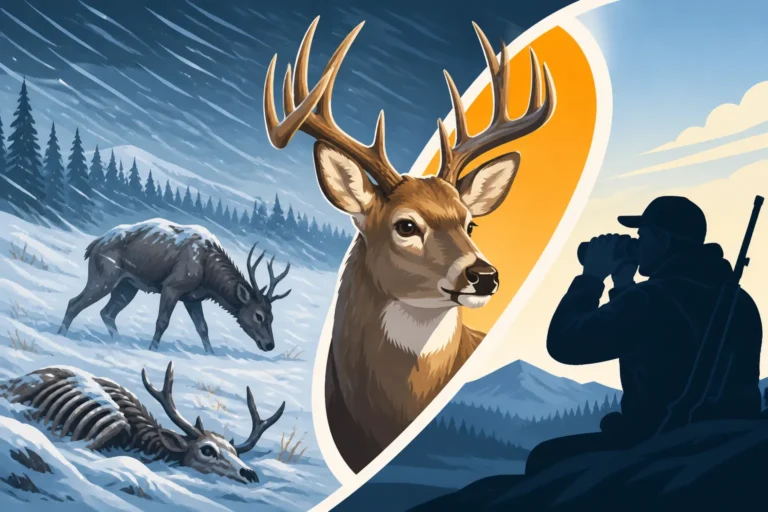
Let's be frank: CWD is a tough topic. It's a progressive, fatal neurological disease that affects cervids – deer, elk, moose, and caribou. Unlike bacterial or viral infections, CWD is caused by abnormal proteins called prions. These prions accumulate in the brain and other tissues, slowly damaging the animal's nervous system. The impact on the animal is devastating, leading to emaciation, abnormal behaviour, and eventually death. It's a disease that, once established, is incredibly challenging to eradicate, and it forces us all to think carefully about the future of our wildlife.
What is CWD and Why Does it Matter?
Imagine a disease that slowly, inexorably, wastes away an animal from the inside out. That's CWD. It's not something that happens overnight; infected animals might carry the disease for months or even years before showing any outward signs. During this incubation period, they can still shed infectious prions into the environment through saliva, urine, and feces. These prions are incredibly persistent, able to remain infectious in soil and plants for extended periods.
For hunters, CWD matters on several fronts. First and foremost, it's about the health of the herd. No one wants to see our cherished wildlife suffering or populations decline. Second, there's the very real human health concern, even if current scientific understanding suggests a low risk of transmission to humans. Alberta Fish and Wildlife advises against consuming meat from CWD-positive animals, which means testing is a crucial step for many of us after a successful hunt. Finally, CWD directly influences hunting regulations, season lengths, and where we can hunt, fundamentally changing how we interact with our wild landscapes. It forces a dialogue about conservation that is both urgent and complex. To learn more about the basic biology, check out What CWD Is Doing to Alberta Deer.
Why Alberta Hunters Are Concerned
The prairies and parklands of Alberta are renowned for their incredible game populations, especially deer. We spend countless hours scouting, preparing, and then pursuing these animals, often with family and friends. The thought of a disease potentially impacting these herds or, even worse, making our hard-earned game unfit for consumption, is a heavy burden. We care deeply about the tradition of hunting and putting healthy, wild meat on the table.
Beyond personal concerns, CWD poses significant challenges for wildlife management. It can lead to reduced deer populations, alter herd dynamics, and impact the overall ecological balance. The concern isn't just about individual animals but about the long-term sustainability of our hunting opportunities and the health of the ecosystems we treasure. We want to ensure that future generations can enjoy the same rich hunting experiences we have. That's why understanding which species are most affected is so important – it helps us, as responsible hunters, be part of the solution.
The Most Affected Species in Alberta
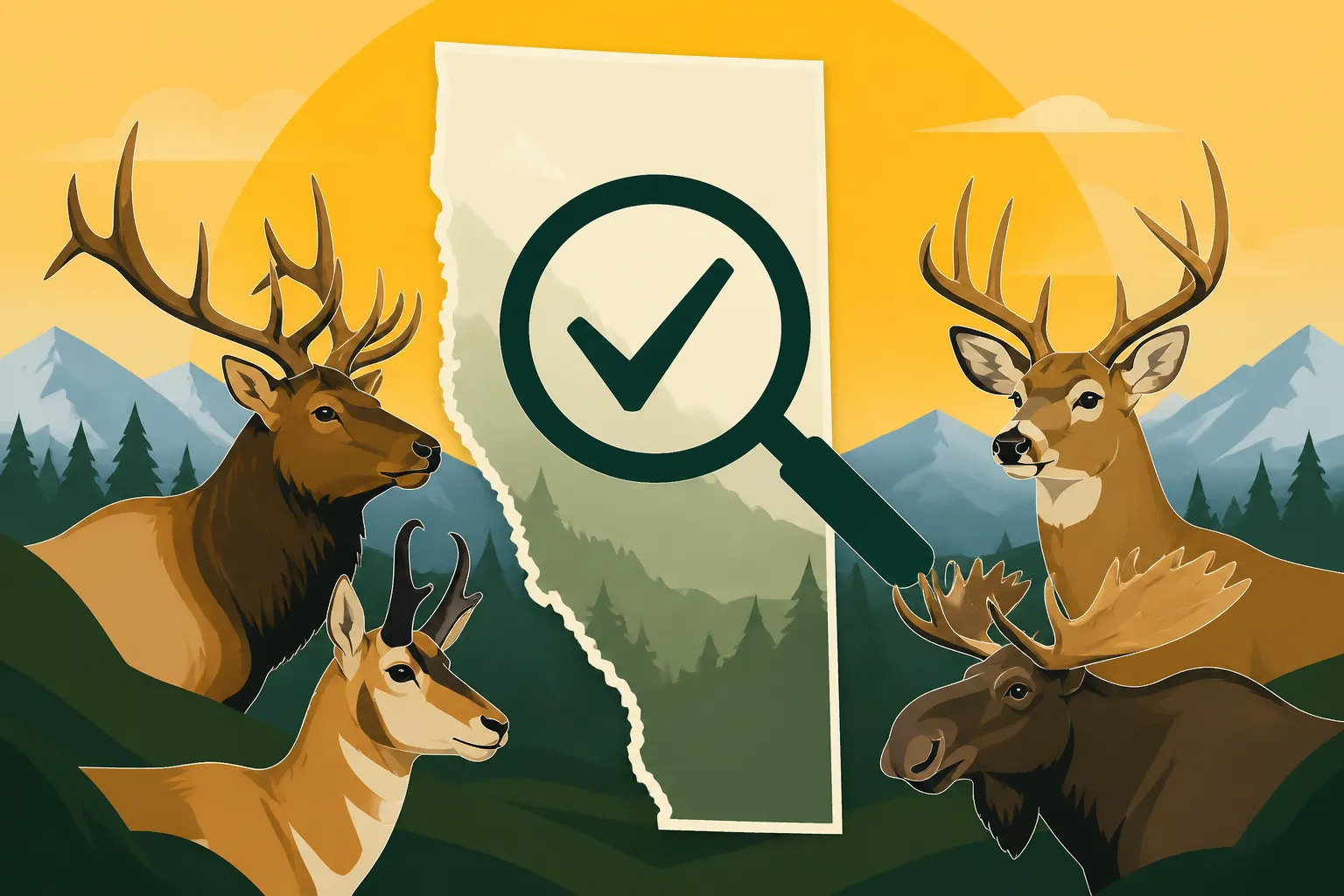
When we look at CWD prevalence data in Alberta, it becomes clear that some species bear a heavier burden than others. This isn't to say other cervids are immune, but rather that the disease appears to be more established and widespread in certain populations, particularly within the deer family.
Whitetail Deer: A Primary Concern
If there's one species that consistently comes up in CWD discussions across Alberta, it's the whitetail deer. These adaptable, widespread animals thrive in many parts of our province, from the agricultural fields of the White Area to the aspen parklands. Unfortunately, their social structure and high population densities in many areas create fertile ground for CWD transmission.
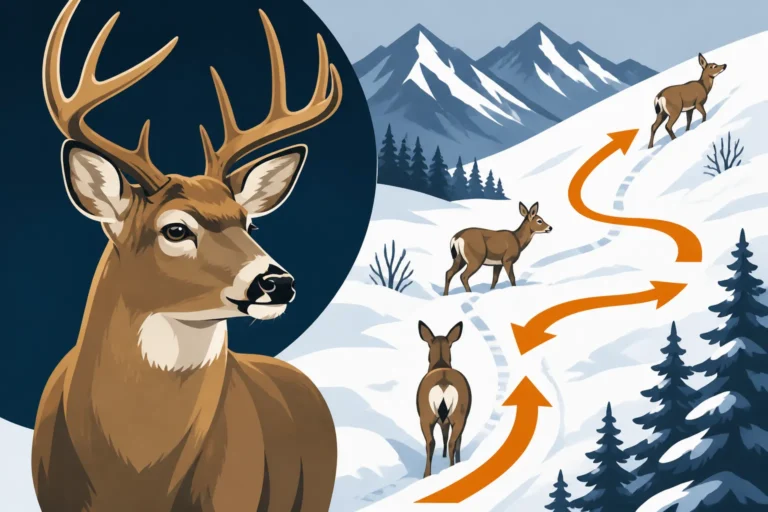
Whitetail deer often gather in larger groups, especially in wintering areas or around food sources. This close contact facilitates the spread of prions, whether directly from animal to animal or indirectly through contaminated environments. Their consistent presence in specific geographic areas where CWD is established, particularly in the southeastern and central parts of the province, means they are frequently exposed. For hunters in these regions, testing every harvested whitetail is not just a recommendation, it's a critical part of monitoring and managing the disease. It allows wildlife biologists to track the spread and intensity of CWD, informing future management decisions. We dedicate a lot of time to Whitetail Hunting in Alberta, and protecting these herds is paramount.
Mule Deer: Susceptible and Interacting
Mule deer, with their distinctive large ears and bounding gait, are another cornerstone of Alberta's hunting landscape, especially in the more open, broken country of the prairies and badlands. While mule deer tend to have slightly different social structures and habitat preferences than whitetails, they are certainly not immune to CWD. In fact, many regions where CWD is prevalent are home to both species, leading to overlap in range and potential interaction at shared water sources, feeding grounds, or even through environmental contamination.
Studies and testing results consistently show CWD in mule deer populations across affected areas of Alberta. Their susceptibility to the disease means that hunters pursuing these majestic animals also need to be vigilant about testing. The concern is that as CWD becomes more widespread, the risk to mule deer, particularly where their ranges coincide heavily with infected whitetail populations, will continue to grow. Understanding the prevalence in mule deer is crucial for comprehensive disease management. To learn more about hunting them, check out Mule Deer Hunting Alberta's Prairie and Badlands.
Elk and Moose: Lower, But Present Risk
Moving to the larger cervids, elk and moose, the picture shifts slightly. While CWD has been detected in both elk and moose in Alberta, the prevalence rates are generally much lower compared to whitetail and mule deer. This is good news, but it doesn't mean we can afford to be complacent.
Elk, found in various habitats from the mountains to farmland fringes, can contract CWD, especially in areas where they share winter range or interact with infected deer populations. Their herd dynamics mean that if CWD were to become more established, it could spread. Moose, primarily found in the boreal forest and foothills, represent a lower risk due to their more solitary nature and different habitat use, which typically limits direct contact with large groups of deer. However, even with lower prevalence, isolated cases of CWD in both species underscore the importance of ongoing surveillance. Any positive detection in these species is a serious concern for wildlife managers, prompting further investigation and monitoring. It's a reminder that no cervid species is truly safe from this persistent disease. Both Elk Hunting Alberta's Foothills and Moose Hunting Alberta's Boreal Forest are iconic pursuits, and we want to keep them healthy.
Factors Influencing CWD Prevalence
Understanding which species test positive most frequently for CWD isn't just about looking at a list; it's about understanding why. Several ecological and behavioural factors play a significant role in how CWD spreads and establishes itself within different cervid populations.
Population Density and Social Structure
Think about it: diseases spread much faster when individuals are packed closely together. The same principle applies to CWD in wildlife.
Whitetail deer, especially in agricultural areas or during harsh winters, often congregate in larger numbers. They might share common feeding areas, shelterbelts, or specific winter ranges. This increased population density naturally leads to more frequent direct and indirect contact between animals. A whitetail buck moving through multiple doe groups during the rut, for instance, could potentially expose many animals over a wide area. Their social grooming, nose-to-nose contact, and shared browsing habits create ample opportunities for prion transmission. If one animal is shedding prions, the chances of others ingesting them from the environment or through direct contact are significantly higher in a dense population. This is a primary driver behind the higher CWD prevalence seen in whitetail deer compared to more solitary species like moose.
Habitat and Range Overlap
The places animals live and how their ranges overlap also dictate CWD spread.
In many parts of Alberta, particularly in the parkland and prairie fringe zones, whitetail and mule deer share significant portions of their habitat. They might use the same water sources, feed in adjacent fields, or even utilize the same coulees for cover. This overlap means that prions shed by an infected whitetail could easily be encountered by a mule deer, and vice-versa. Moreover, the persistence of prions in the environment means that even after an infected animal has moved on, the contaminated soil or vegetation can still pose a risk to other cervids frequenting that same area.
For elk, while their primary ranges might differ from core deer country, winter migration patterns often bring them into closer proximity with deer, especially on agricultural land or specific winter feeding grounds. This temporal or seasonal overlap is where the risk of cross-species transmission increases. Moose, with their preference for dense boreal forests and wetlands, generally have less interaction with deer populations in CWD hot zones, which contributes to their lower prevalence rates. Understanding Alberta's Wildlife Management Units and how different species use these varied landscapes is key to appreciating the complexities of CWD spread.
Geographic Distribution of the Disease
CWD isn't uniformly distributed across Alberta; it has distinct geographical hot spots. Historically, the disease first emerged and became established in southeastern Alberta and has since slowly expanded its footprint, primarily westward and northward. This geographic reality plays a massive role in which species test positive most.
The areas with the longest history of CWD, and thus the highest accumulated environmental prion load, tend to be where whitetail and mule deer populations are densest. These are often the same WMUs (Wildlife Management Units) where mandatory CWD testing has been in place for years. Hunters using tools like GoHunt often pay close attention to the CWD surveillance map layers to understand the current zones of concern. If a species largely exists outside of these established CWD hot zones, their chances of exposure and subsequent infection are naturally lower. Conversely, species that have significant populations within these long-standing affected areas will naturally show higher prevalence rates simply due to sustained exposure to the disease in their environment and within their social circles. Knowing Which WMUs Require a Deer Head Submission is an essential part of responsible hunting in these areas.
CWD Testing and Hunter Responsibility
As hunters, we are on the front lines of CWD detection and management. Our participation in testing programs is invaluable, providing critical data to wildlife biologists and helping to protect the health of Alberta's cervid populations for the long term. It's not just a regulation; it's a contribution to conservation.
Mandatory Testing Zones
Alberta has designated specific Wildlife Management Units as mandatory CWD submission zones. If you harvest a deer (whitetail or mule deer), elk, or moose in one of these areas, you are legally required to submit the head for CWD testing. This isn't just about tracking the disease; it's about providing early warnings if CWD is spreading into new areas or intensifying in existing ones. These zones are usually in areas where CWD is known to be present or where there is a high risk of its introduction.
It’s crucial for every hunter to check the current Alberta hunting regulations carefully before heading out, especially regarding your chosen WMU. Regulations can change, and being aware of mandatory submission requirements is part of being a responsible hunter. Remember, this data helps paint a clearer picture of CWD prevalence, allowing wildlife managers to make informed decisions about herd health and future hunting seasons.
Submitting Samples: The Process
Submitting a sample for CWD testing is a straightforward process, designed to be as easy as possible for hunters. After harvesting your animal in a mandatory submission zone, you'll need to remove the head. Most hunters do this when field dressing. Then, you'll locate a designated CWD drop-off freezer. These freezers are strategically placed in various communities and rural areas across the province.
You'll typically find a plastic bag and a tag inside the freezer. Place the head (minus the hide, if you plan to cape it for taxidermy, but ensure the lymph nodes and brainstem are intact) into the bag, fill out the tag with all the required information (WMU, date of kill, species, your WIN number, etc.), and securely attach it to the bag. Then, simply place the bagged head into the freezer. The province collects these heads periodically for testing. You can usually find a list of Where Alberta's CWD Freezers Are on the government website or through hunting resources. For more on the specifics, consider How Long CWD Results Take.
Using Resources Like GoHunt for CWD Information
In today's digital age, hunters have access to incredible tools that make navigating regulations and understanding CWD much easier. Resources like GoHunt, for instance, often integrate CWD information directly into their mapping and regulatory features. This can include overlays showing mandatory submission zones, locations of CWD drop-off freezers, and links to the latest CWD updates from Alberta Fish and Wildlife.
Using such platforms can be a game-changer for planning your hunt, especially if you're venturing into a new WMU or want to ensure you're compliant with all the latest CWD protocols. Before you even leave home, you can pinpoint where you'll need to submit a head and what species are most at risk in your target area. It's about empowering hunters with information, making it simpler to contribute to the collective effort against CWD while still enjoying the hunt.
Impact on Hunting and Management Strategies
The presence and spread of CWD have undeniably shaped how hunting is managed and experienced in Alberta. It's not just an abstract scientific problem; it's a very real factor that influences everything from season dates to public land access.
Changes to Hunting Seasons and Limits
One of the most direct impacts of CWD is seen in hunting regulations. In areas with high CWD prevalence, wildlife managers may implement specific strategies aimed at reducing deer densities, particularly of adult bucks, which often show higher infection rates. This can mean extended hunting seasons, increased bag limits, or the issuance of additional antlerless licences to help control the population. The goal here is twofold: to reduce the overall number of animals that could potentially spread the disease and to harvest infected animals that might otherwise continue to shed prions into the environment.
For example, you might find that certain WMUs have special early or late seasons for deer, or that hunters are encouraged to take more antlerless animals than in other areas. These changes are not arbitrary; they are data-driven responses to the challenges CWD poses. As hunters, understanding these adjustments and why they're in place is crucial for both compliance and effective conservation. It's a dynamic situation, and rules can evolve as our understanding of How CWD Spreads Through a Deer Herd improves.
Conservation Efforts and Research
Beyond season adjustments, Alberta is actively engaged in broader conservation efforts and research to combat CWD. This includes extensive surveillance programs (like the mandatory testing we discussed), which monitor the disease's spread and intensity. Researchers are constantly working to understand the disease better – how it behaves in different environments, its long-term effects on cervid populations, and potential mitigation strategies.
These efforts aren't just about reducing animal numbers; they're about maintaining healthy, resilient wildlife populations in the face of a persistent threat. This might involve habitat management to encourage more dispersed populations, research into potential genetic resistance to CWD, or even exploring novel ways to deactivate prions in the environment. As hunters, our contributions through testing and adherence to regulations are vital components of these larger conservation strategies. We are, in essence, citizen scientists helping to safeguard the future of Alberta's game species. It's a big part of what it means to be a responsible hunter in this province.
Comparing CWD Risk Across Alberta Cervid Species
To give you a clearer picture, let's lay out how different cervid species generally stack up in terms of CWD risk and prevalence in Alberta.
| Species | Typical Habitat | Social Structure | Observed CWD Prevalence | Primary Risk Factors | Hunter Action Required |
|---|---|---|---|---|---|
| Whitetail Deer | Parkland, agriculture, mixed forest | Highly social, often congregate | Highest | High population density, frequent contact, wide range | Mandatory testing in CWD zones |
| Mule Deer | Open prairie, badlands, broken country | Moderately social, smaller groups | High | Range overlap with whitetails, environmental prions | Mandatory testing in CWD zones |
| Elk | Foothills, mountains, some agriculture | Herd animals, larger groups | Moderate/Low | Seasonal congregation, potential overlap with deer | Mandatory testing in CWD zones (less frequent) |
| Moose | Boreal forest, wetlands, solitary | Largely solitary | Low | Limited direct contact, specific localized risk | Mandatory testing in CWD zones (rare) |
| Caribou | Boreal forest, mountains (protected) | Group sizes vary | Very Low/None reported | Isolated populations, conservation concern | No hunting, highly protected |
Note: "Observed CWD Prevalence" refers to general trends based on current surveillance data. Actual prevalence can vary significantly by specific WMU and year.
What to Do If You Harvest a CWD-Positive Animal
It’s an unfortunate but real possibility: you submit your sample, and the results come back positive for CWD. While it’s certainly disheartening, knowing what to do next is crucial. First, the provincial authorities will notify you directly if your animal tests positive. They will also provide guidance on the next steps.
The primary recommendation from Alberta Fish and Wildlife is straightforward: do not consume meat from a CWD-positive animal. While there's no conclusive scientific evidence of CWD transmitting to humans, the recommendation errs on the side of caution. If you've already processed the meat before getting the results, the advice remains the same – do not eat it. Many hunters will dispose of the meat as directed by authorities, often in approved landfills.
Beyond the meat, consider how to handle the carcass and any parts you might keep, like antlers. Prions are concentrated in nervous system tissues (brain, spinal cord, lymph nodes), but can be found in other tissues. If you've taken a head for a trophy, discussions around Whether CWD Meat Is Safe to Eat or trophy mounts should always include contacting taxidermists and wildlife officials for their latest recommendations on safe handling and disposal of affected materials. It's a tough situation, but following the guidelines helps prevent further spread and ensures your personal safety.
Disclaimer
This article is for general informational purposes only and does not constitute professional advice. Laws, prices and regulations vary by location and change over time. Consult a qualified professional for guidance on your specific situation.