Alberta’s Public Land Use Zones
For many of us who cherish the wild spaces, the thought of finding good public land to hunt on in Alberta can be a source of real frustration. It’s not always as straightforward as just looking at a map and seeing a green patch. You might find a promising area, only to discover access restrictions, overlapping land uses, or regulations that make ethical hunting challenging. This guide is here to shed light on Alberta's Public Land Use Zones (PLUZs), explaining what they are, how to navigate their rules, and how to make the most of these incredible hunting opportunities without feeling overwhelmed or confused.
What Exactly Are Public Land Use Zones (PLUZs)?
When we talk about hunting in Alberta, the conversation often turns to "Crown Land," and while PLUZs are indeed a type of Crown Land, they come with their own distinct framework. Understanding this framework is key to successfully hunting within them. PLUZs are designated areas managed by the provincial government with specific rules and regulations tailored to balance various recreational activities, including hunting, off-highway vehicle (OHV) use, camping, and hiking. They're designed to help manage human impact on the landscape, ensuring these areas remain accessible and enjoyable for everyone while protecting wildlife and natural resources.
Defining PLUZs: More Than Just "Crown Land"
Think of PLUZs as a special category within the broader umbrella of Alberta's Crown Land. While all PLUZs are Crown Land, not all Crown Land is a PLUZ. What makes them distinct is the added layer of specific, codified rules regarding recreational activities. On general Crown Land, regulations might be broader or less defined, often relying on the overarching Alberta's Recreational Access Regulation. However, PLUZs have detailed management plans that dictate things like where you can drive, camp, or even collect firewood. This focused management aims to prevent over-use in sensitive areas, reduce conflicts between different user groups, and ensure a sustainable future for these cherished wild spaces.
For hunters, this means you can't just assume the rules you know from one piece of Crown Land apply everywhere. Each PLUZ often has its own set of nuances that you need to be aware of, especially regarding vehicle access and camping. It’s a way for the province to protect specific ecosystems or manage popular areas more intensively. Ignoring these specific rules can lead to fines, environmental damage, and even the closure of areas to public access, which is something none of us want.
The Purpose Behind PLUZs in Alberta
The primary purpose of establishing PLUZs is to manage and conserve Alberta's public land resources while accommodating a wide array of recreational and industrial activities. In areas that experience significant public use, such as those near major population centers or popular recreational destinations, uncontrolled access can quickly lead to environmental degradation, safety concerns, and conflicts between different user groups. PLUZs were created to proactively address these issues by providing clear guidelines.
From a hunter's perspective, this means PLUZs are often areas with known wildlife populations, but also areas where you might encounter campers, hikers, or OHV riders. The regulations within a PLUZ are designed to minimize these conflicts and ensure a safe, respectful environment for everyone. They help maintain habitat integrity for game species while allowing hunters to pursue their passion. It's about finding that balance between use and conservation, making these zones vital pieces of the hunting puzzle across the province.
Key Differences from Other Public Lands
The most significant difference between PLUZs and other forms of public land, such as general Crown Land or provincial parks, lies in the specificity and enforcement of their regulations. Provincial Parks, for example, typically prohibit hunting altogether, focusing purely on conservation and non-consumptive recreation. General Crown Land allows hunting, but vehicle access and camping rules might be less prescriptive, leading to more ambiguity for users.
PLUZs sit somewhere in the middle, actively encouraging recreational use while having a more structured approach to management. They often feature designated trails, camping areas, and clear signage regarding permissible activities. This structured approach, while sometimes feeling restrictive, actually provides a clearer framework for hunters. You know what's expected of you, and you can plan your hunt around established access points and rules, rather than guessing. Understanding these distinctions is crucial for anyone planning a trip, as it directly impacts your hunting strategy and legal obligations.
Where to Find Alberta's PLUZs
Knowing that PLUZs exist is one thing; knowing where to find them and how to effectively navigate their boundaries is another challenge entirely. Alberta is a vast province, and these zones are strategically located in areas that see considerable recreational use or hold significant wildlife value. They are predominantly found within what's known as the "Green Area," the forested and wilder parts of the province, rather than the heavily agricultural "White Area."
Mapping Out the Zones: Green Area vs. White Area
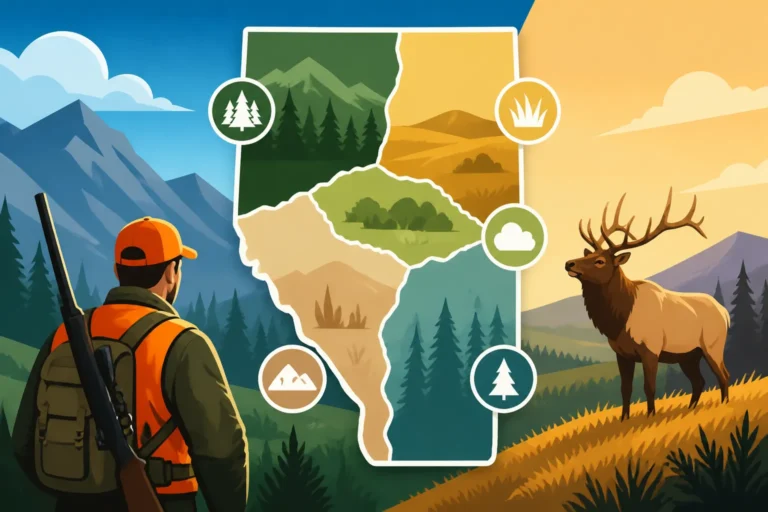
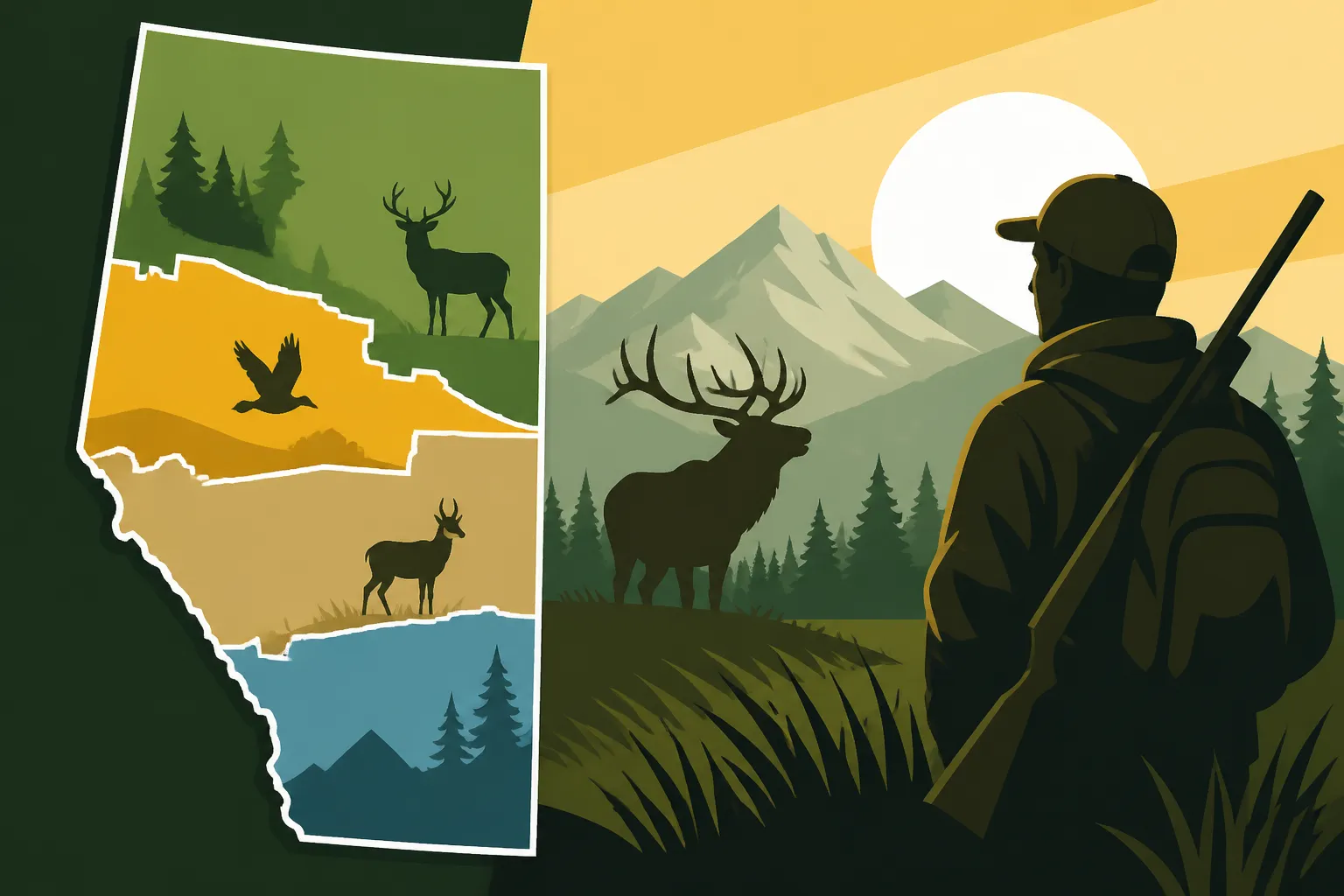
Alberta's land is broadly divided into two zones: the Green Area and the White Area. The Green Area encompasses the forested public lands, including the Rocky Mountains, foothills, and boreal forest. This is where the majority of Alberta's PLUZs are located, offering expansive opportunities for backcountry hunting. The White Area, conversely, is primarily agricultural land, a mix of private and some Crown Land, often heavily cultivated or grazed. While hunting is possible in the White Area, it heavily relies on Getting Private Land Permission in Alberta or finding small parcels of accessible Crown land, which is far less common for PLUZ designation.
The distinction between these two areas is paramount for hunters. In the Green Area, you'll find the larger, more contiguous blocks of public land where PLUZs are established. These zones are designed to manage the high demand for outdoor recreation in these forested and mountainous regions. When you're Reading an Alberta WMU Map Before You Go, you'll often see these large green swathes, and within them, the boundaries of specific PLUZs. It’s in these areas that you can expect to find regulations on OHV use, random camping, and other activities that directly impact your hunting experience.
Key PLUZs Across Alberta
Alberta is home to several prominent PLUZs, each with its own unique characteristics, terrain, and hunting opportunities. These include well-known areas like the Ghost PLUZ, west of Calgary, offering rugged mountain and foothills terrain for species like deer, elk, and even some sheep in higher elevations. The McLean Creek PLUZ, also in the foothills, is another popular choice, known for its extensive OHV trail network and diverse wildlife. Further south, the Livingstone-Porcupine Hills PLUZ provides a mix of open grasslands and timbered coulees, ideal for deer and elk.
Here's a quick overview of some notable PLUZs:
| PLUZ Name | General Location | Primary Terrain | Common Game Species | Key Activities Managed |
|---|---|---|---|---|
| Ghost PLUZ | West of Calgary (Foothills/Mountains) | Rugged mountains, forested slopes | Deer, Elk, Bear, Bighorn Sheep (class 1 licence; class 2 by draw) | OHV, Camping, Hiking, Hunting |
| McLean Creek PLUZ | Southwest of Calgary (Foothills) | Rolling foothills, treed valleys | Deer, Bear | OHV, Camping, Hiking, Hunting |
| Livingstone-Porcupine Hills PLUZ | Southwest Alberta (Foothills/Prairie) | Open hills, timbered draws, grasslands | Deer, Elk, Bear | Grazing, OHV, Camping, Hunting |
| Kananaskis Country PLUZs | West of Calgary (Mountains/Foothills) | High alpine, dense forests | Deer, Elk, Bear, Bighorn Sheep (class 1 licence; class 2 by draw) | Hiking, Camping, OHV, Hunting |
| White Area PLUZs (e.g., Eastern Slopes) | Various, smaller pockets | Mixed forest, river valleys | Deer, Bear | Less OHV, more remote camping |
Each of these PLUZs presents different challenges and rewards. For instance, Hunting the Ghost Public Land Use Zone requires navigating a mix of designated trails and foot access, while Hunting the McLean Creek Area means sharing trails with numerous OHV users. Meanwhile, Hunting the Livingstone-Porcupine Hills can involve covering vast open ground, often in conjunction with cattle grazing leases. Understanding these distinctions will help you pick the right PLUZ for your preferred hunting style and target species.
Using Digital Tools for PLUZ Identification
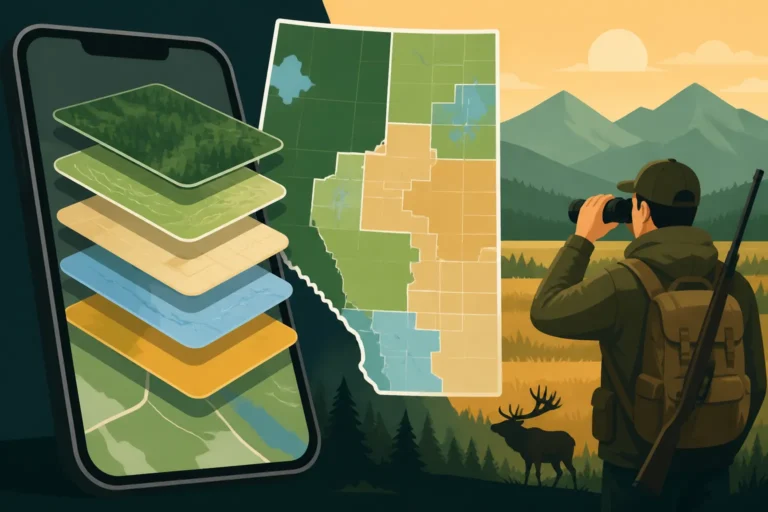
In today's age, navigating the complex world of public land boundaries and regulations is made infinitely easier with digital mapping tools. Forget struggling with outdated paper maps; applications like onX Hunt and GoHunt are indispensable for identifying PLUZs and understanding their specific rules. These apps layer public and private land boundaries directly onto detailed topographical maps, making it incredibly clear where you can and cannot hunt.
With a tool like onX Hunt, for example, you can zoom in on any area of Alberta and instantly see the outlines of PLUZs, often with clickable information that links directly to the provincial regulations for that specific zone. This is a game-changer for planning. You can scout potential hunting spots from home, identify legal access points, and even determine where random camping is permitted or restricted, all before you even set foot in the field. GoHunt offers similar capabilities, often integrating specific hunt unit data, draw odds, and more, which can be particularly useful when applying for draw species like class 2 Bighorn Sheep or certain Elk draws that might occur within PLUZ boundaries. These digital platforms are not just a convenience; they are a critical safety and compliance tool for any responsible hunter venturing into Alberta's PLUZs.
Understanding the Regulations Within PLUZs
The whole point of a Public Land Use Zone is to manage diverse activities, and that means adhering to a specific set of rules. These regulations are in place to minimize environmental impact, reduce user conflict, and ensure public safety. For hunters, knowing these rules isn't just about avoiding a ticket; it's about respecting the land and other users, which ultimately preserves hunting access for everyone.
Vehicle and OHV Access Rules
One of the most common areas of confusion and potential violation within PLUZs relates to vehicle and Off-Highway Vehicle (OHV) access. While some PLUZs are known for their extensive OHV trails, others have very strict limitations. Generally, motorized vehicles are restricted to designated trails and roads within PLUZs. This means no cutting new trails, no driving off-road to retrieve game (unless specific regulations or permits allow, which is rare), and often, no access during certain times of the year, particularly during spring thaw or fire bans.
It's absolutely critical to check the specific PLUZ regulations before you go. What's allowed in McLean Creek might be strictly forbidden in a more sensitive zone. For instance, Vehicle Rules on Alberta Crown Land will give you a general overview, but PLUZs can have more restrictive local bylaws. You'll often see signage at PLUZ entrances outlining these rules, and digital maps like onX Hunt can often highlight designated OHV trails. The enforcement of these rules is significant, and conservation officers patrol these areas regularly. Driving where you shouldn't can lead to hefty fines and environmental damage that harms the very habitat you're trying to hunt.
Camping and Random Camping Regulations
Camping is a huge part of the Alberta hunting experience, especially when you're venturing into remote PLUZs. However, just like vehicle access, camping within PLUZs is subject to specific rules. While "random camping" – pitching a tent wherever you like – is generally permitted on much of Alberta's Crown Land, PLUZs often designate specific areas for camping or impose restrictions on its duration and location. Some popular PLUZs, especially those close to urban centers, may have developed campgrounds or specific random camping zones to concentrate impact.
Always look for signs indicating "No Camping" zones or designated camping areas. These rules are put in place to protect sensitive ecosystems, prevent overcrowding, and maintain sanitary conditions. For example, Camping Rules on Alberta Crown Land will detail general guidelines, but a PLUZ might have a rule against camping within a certain distance of a water body or a main trail. If you're planning a multi-day hunt, ensure you know where you can legally set up camp. Failure to comply can result in having to move your camp, fines, or even being asked to leave the area, which can quickly ruin a hunt.
Firewood, Fires, and Bear Safety
When you're out in the Alberta bush, especially during hunting season, having a campfire can be a cherished part of the experience. However, fires and firewood collection are also heavily regulated within PLUZs, primarily due to fire risk and resource management. Generally, you can collect deadfall for firewood, but cutting down standing timber, even dead trees, is usually prohibited. Always check for current fire bans, which are very common during dry periods, particularly in the spring and late summer/fall. Ignoring a fire ban is incredibly dangerous and carries severe penalties.
Bear safety is another paramount concern in many PLUZs, as many are prime bear habitat. You're deep in Black Bear Hunting in Alberta country, and possibly even near areas with grizzlies. This means proper food storage is non-negotiable. All food, garbage, and scented items must be stored in bear-resistant containers, hung from a tree, or secured in a hard-sided vehicle or trailer. Never store food in your tent. Carrying bear spray and knowing how to use it is essential, as is making noise while hiking to avoid surprising a bear. These aren't just recommendations; they are critical practices for your safety and for the well-being of the wildlife you share the land with.
Hunting Specifics Within PLUZs
Now for the exciting part: actually hunting in these incredible zones! PLUZs offer fantastic opportunities for big game and bird hunting across Alberta, but the multi-use nature of these lands means you need to be strategic and respectful. You're not just sharing the woods with animals; you're sharing them with fellow outdoor enthusiasts.
General Hunting Rules and Species Opportunities
The general hunting regulations for Alberta apply within PLUZs, meaning you still need your WIN card, appropriate licenses, and must adhere to all season dates, bag limits, and legal shooting hours for the Wildlife Management Unit (WMU) you are in. PLUZs typically encompass diverse habitats, supporting a wide range of game species. Depending on the specific PLUZ and its location, you could be hunting White-Tailed Deer, Alberta's Most Hunted Big Game, Mule Deer in Alberta's Open Country, Moose Across Alberta's Boreal and Foothills, or Elk in Alberta's Mountains and Farmland. Many also offer opportunities for Black Bears in Alberta's Forests and Foothills and various Alberta's Upland Birds by Region.
The key is to integrate the PLUZ-specific access and camping rules with the provincial hunting regulations. For example, if a PLUZ restricts OHV use to certain trails, your hunting strategy will need to focus on foot access from those trails. This often means being prepared for longer hikes into quieter areas where game might feel less pressured. Always double-check the WMU boundaries, as a PLUZ can sometimes span multiple WMUs, each with potentially different regulations for specific species.
Considerations for Archery vs. Rifle Seasons
The type of weapon you choose – archery or rifle – can significantly impact your experience in a PLUZ, especially during overlapping seasons or in areas with high recreational traffic. During Bowhunting Alberta's Early Archery Seasons, many PLUZs are still bustling with hikers, campers, and OHV users enjoying the late summer and early fall weather. Archers often rely on close-range encounters, which can be challenging to achieve when there's a lot of human activity. Stealth and choosing quieter, harder-to-access areas become even more paramount.
When Rifle Hunting Alberta's General Seasons begins, particularly for deer and elk, the dynamics shift. Cooler weather typically reduces general recreational traffic, but hunting pressure can increase significantly. The sound of rifle shots might be more commonplace, and you'll want to be extra vigilant about identifying your target and its backdrop, considering other hunters might be in the area. Some PLUZs might have specific restrictions on firearms in certain proximity to developed campgrounds or trails, so always be aware of these localized rules. Regardless of your weapon choice, ethical shot selection and knowing your effective range are always crucial, but even more so when operating in a multi-use area.
Treestands, Blinds, and Scouting Requirements
If you plan on using treestands or ground blinds, it's essential to understand the rules within PLUZs. On general Crown Land, permanent stands are often prohibited, with temporary stands needing to be removed after the season. PLUZs typically follow similar guidelines; generally, anything you put up must be temporary and removed by a certain date. Treestand Rules on Alberta Public Land will give you a good foundation, but again, check for any specific PLUZ variations. Leaving a stand up year-round can lead to it being removed by authorities and potentially a fine.
Scouting is absolutely vital, especially in PLUZs. Given the varying access rules and potential for other users, you need to know not just where the game is, but also where you can legally access it, where you can safely set up, and what kind of pressure the area typically receives. This often means pre-season trips, utilizing digital maps like onX Hunt to mark trails, water sources, and potential bedding areas. Look for signs of game movement away from heavily trafficked areas, understanding that animals will often seek refuge in quieter, thicker cover. Effective scouting in a PLUZ involves understanding both wildlife patterns and human use patterns.
Navigating Access and Planning Your Hunt
Successfully hunting in Alberta's PLUZs isn't just about knowing the regulations; it's about smart planning and respectful navigation of these shared spaces. Getting to your hunting spot, moving through it, and interacting with other users are all critical components of a positive and successful experience.
Entry Points and Trail Systems
Accessing PLUZs can range from straightforward to seriously challenging. Many PLUZs, particularly those closer to populated areas or with extensive OHV networks, will have well-marked entry points and designated trailheads. These often come with kiosks providing maps and updated regulations. Utilizing these official entry points is always the best practice, as it helps you stay compliant and ensures you're starting your hunt with the most current information.
However, some PLUZs or parts of them might offer more remote access, potentially requiring travel on forestry roads or even foot-only trails. This is where your digital mapping tools really shine, showing you not only the boundaries but also the intricate network of roads and trails within. Remember that not all trails are created equal; some are designated for OHVs, some for hiking, and some might be multi-use. Always respect these designations to avoid conflicts and damage. Sometimes, the best hunting spots are found by venturing a little further on foot from the primary access points, getting away from the immediate pressure.
Respecting Other Users: Multi-Use Areas
One of the most important aspects of hunting in a PLUZ is recognizing that you are sharing the landscape with a diverse group of outdoor enthusiasts. Hikers, mountain bikers, horseback riders, birdwatchers, and OHV users all have a legitimate right to be there. This means courtesy and respect are paramount. When you encounter other users, a friendly nod, a wave, or a quick "hello" goes a long way. If you're carrying a firearm, it's often a good idea to sling it across your back or ensure it's pointing safely away from others.
Understanding that their activities might spook game is part of the deal. Instead of getting frustrated, adapt your strategy. Perhaps hunt during weekdays when traffic is lighter, or push deeper into areas that other users are less likely to frequent. By being a good ambassador for hunters, you help foster a positive image of our sport and ensure continued access to these valuable public lands. Remember, we're all out there to enjoy Alberta's beautiful wild spaces, and a little mutual respect can make everyone's experience better.
Planning for Remote Backcountry Hunts
While some PLUZs are readily accessible, many offer incredible opportunities for true backcountry hunting, requiring meticulous planning and self-sufficiency. If you're considering a multi-day trip deep into a PLUZ like the Kananaskis, or a more remote part of the Ghost, you need to plan for every contingency. This includes packing adequate food, water (or purification methods), shelter, first-aid supplies, navigation tools (including backup battery packs for your phone/GPS with onX Hunt maps downloaded offline), and emergency communication devices like a satellite messenger. Backpacking Into Alberta Sheep Country or chasing elk in remote PLUZs demands this level of preparedness.
Communication is also key. Inform someone reliable of your exact route, planned duration, and expected return time. Be realistic about your physical fitness and the challenges of the terrain. Weather in Alberta's mountains and foothills can change rapidly, from warm sunshine to snow and freezing rain in a matter of hours, even during hunting season. Being prepared for anything will not only keep you safe but also increase your chances of a successful and enjoyable remote hunt in a PLUZ.
Challenges and Considerations for PLUZ Hunters
Hunting in PLUZs, while rewarding, isn't without its unique set of challenges. These can range from dealing with crowded conditions to navigating the unpredictable forces of nature. Being aware of these potential hurdles and having strategies to overcome them will lead to a more effective and less frustrating hunting experience.
Managing High Pressure and Crowds
Let's be real, public land, especially accessible public land, often means other people. PLUZs, by their very nature of being managed for public use, can experience significant hunting pressure, particularly during general seasons and on weekends. This means you might find other vehicles at your preferred trailhead, or even encounter other hunters in the woods. This can be frustrating, especially if you're looking for solitude.
One effective strategy to mitigate this is to hunt during weekdays if your schedule allows. Another is to be willing to walk further than most. Many hunters stick close to roads and main trails. By pushing an extra mile or two into thicker, harder-to-access terrain, you can often find pockets of less pressured animals. Early morning starts, well before dawn, can also help you beat the rush to prime spots. Consider areas with tougher topography or denser cover that might deter casual hunters. It's about finding those overlooked spots where the game feels more secure.
Environmental Factors: Weather, Terrain, and Wildfires
Alberta's weather is famously unpredictable. A beautiful autumn day can quickly turn into a snowstorm, or a mild spring can suddenly bring scorching temperatures and high fire risk. Hunting in PLUZs means you need to be prepared for all of it. Hunting Alberta Winter Weather Safely is a must if you're out late in the season. Dressing in layers, having waterproof outer shells, and carrying emergency survival gear are non-negotiable. The terrain itself can be rugged, steep, and demanding, especially in foothills and mountain PLUZs. Assess your physical fitness honestly and plan your routes accordingly.
Wildfires are another significant concern, particularly during dry seasons. Alberta Wildfire Closures and Hunting can rapidly change access to PLUZs or even close entire zones. It's crucial to check Alberta Wildfire's website or app before heading out, especially if conditions have been dry. Ignoring closures is not only illegal but puts yourself and emergency responders at risk. Burned-over areas can, after a few years, become excellent wildlife habitat, but immediate post-fire zones are often closed and extremely dangerous.
Essential Gear and Preparedness for PLUZ Hunts
Your gear list for a PLUZ hunt needs to be comprehensive. Beyond your hunting weapon and licensing, think about the tools that will enhance safety and success. A good quality topographical map and compass, even if you rely primarily on GPS or an app like onX Hunt, is a crucial backup. A powerful headlamp, a reliable knife, fire-starting materials, and a first-aid kit are absolute essentials. Given the variable terrain, comfortable, broken-in hiking boots are paramount.
For meat care, especially if you're deep in the backcountry, packing out game effectively requires a sturdy game bag, rope, and perhaps a frame pack. If you're successful, you might be quartering an animal miles from your vehicle. Consider the implications of this, particularly in warmer early season conditions. Meat Care in Alberta's Cold and Warm Swings is a critical skill to master. Water purification tablets or a filter are also wise additions, as carrying all the water you need for a multi-day trip is often impractical. Being prepared means you can focus on the hunt, not on unforeseen challenges.
Responsible Hunting in Alberta's PLUZs
Hunting in PLUZs carries with it a significant responsibility. These are shared resources, and our actions as hunters directly impact how these lands are managed and how hunting is perceived by the non-hunting public. Adhering to ethical principles and environmental stewardship is not just good practice; it's essential for the future of our hunting heritage.
Leave No Trace Principles
The Leave No Trace philosophy is incredibly relevant for hunting in PLUZs. It boils down to minimizing your impact on the environment and leaving the area as good as, or better than, you found it. This means packing out all your garbage, including spent shell casings, tape from game bags, and any food wrappers. If you pack it in, you pack it out. This also extends to human waste; burying it properly away from water sources is critical.
When field dressing an animal, try to do so away from trails or water sources, dispersing gut piles to allow natural decomposition without attracting undue attention or creating an eyesore. If you set up a temporary camp, dismantle it completely, ensuring no trace of your presence remains. This also means being mindful of your vehicle's impact; stick to designated trails and avoid driving over sensitive vegetation. Every hunter has a role to play in preserving the pristine nature of these zones, ensuring they remain healthy and beautiful for generations to come.
Ethical Considerations and Respect for Wildlife
Ethical hunting goes beyond simply following the law. It means taking only clean, humane shots, actively striving to recover every animal you shoot, and never wasting game meat. In a PLUZ, where you might encounter other users, ethical behavior also means exercising discretion and common sense. This includes keeping harvested game out of sight when transporting it through public areas if possible, or covering it respectfully.
Respect for wildlife extends to understanding their habits and habitats, and not unnecessarily disturbing non-game species. It also means understanding the role you play in wildlife management. By adhering to bag limits and season dates, you contribute to sustainable populations. Remember, the privilege of hunting in these public spaces is a gift, and it's our responsibility to act as stewards of both the land and its wildlife.
Staying Informed About Regulation Changes
Alberta's hunting regulations, and specifically PLUZ regulations, are not static. They can change annually based on wildlife populations, environmental conditions, and public feedback. It is the hunter's responsibility to stay informed of the most current rules. Before every season, and certainly before venturing into a PLUZ, consult the latest Alberta Guide to Hunting Regulations and any specific PLUZ advisories. These are usually available online through the provincial government's environment and parks websites.
Digital tools like onX Hunt often integrate real-time updates for land designations, but a cross-reference with official government sources is always recommended. Fire bans, access closures due to flooding or extreme weather, or even temporary hunting restrictions can be implemented at short notice. Staying informed ensures your hunt is legal, safe, and respectful of the land and other users. Being prepared for these changes is part of being a responsible hunter in Alberta's dynamic landscape.
Disclaimer
This article is for general informational purposes only and does not constitute professional advice. Laws, prices and regulations vary by location and change over time. Consult a qualified professional for guidance on your specific situation.