Hunting Alberta’s Boreal Forest Country
The Alberta Boreal Forest is a truly wild and challenging hunting ground, often intimidating with its vast, dense timber, endless muskeg, and labyrinthine network of cutlines. Many hunters dream of pursuing moose, bear, or even elusive timber wolves in this rugged environment, but the sheer scale and difficult access can leave them wondering where to even begin. This guide will walk you through everything you need to know to confidently plan and execute a successful hunt in Alberta's incredible Boreal Forest country.
Understanding Alberta's Boreal Forest Ecosystem
The Boreal Forest in Alberta is a massive, sprawling wilderness that covers the northern half of the province. It's a land of towering spruce and pine, trembling aspen stands, countless lakes and rivers, and vast expanses of bog and muskeg. It’s a far cry from the open prairies or the rolling foothills, presenting a unique set of challenges and rewards for hunters willing to put in the effort.
Geography and Climate of the Northern Forest
Geographically, the Boreal Forest stretches from Manitoba across to British Columbia, with Alberta's section being a significant part of it. This region is characterized by generally flat to gently rolling terrain, interspersed with numerous wetlands, bogs, and lakes. The soil is often thin and poor, leading to the dominance of coniferous trees like black spruce, white spruce, and jack pine, though aspen and balsam poplar are also common, especially in areas that have seen disturbance from fire or logging. This mix of conifers and deciduous trees creates a diverse habitat.
The climate here is one of extremes. Winters are long and intensely cold, with deep snow cover lasting for many months, which directly impacts animal movement and survival. Summers are short, warm, and often quite wet, leading to lush vegetation and a thriving insect population (think mosquitoes and blackflies – they are legendary up here!). These warm, wet conditions also contribute to the prevalence of muskeg, which can be a hunter's worst nightmare, making foot travel incredibly arduous and vehicle access tricky. Understanding these environmental factors is crucial because they dictate everything from animal behavior to the type of gear you’ll need and the strategies you’ll employ. You can't just walk into the Boreal like you would a prairie coulee; it demands respect and careful planning.
Key Species and Their Habitats in the Boreal
The Boreal Forest is an incredible haven for several big game species, each thriving in different aspects of its varied landscape. Moose, for instance, are the undisputed kings of this domain. They prefer the mosaic of mature timber, young regenerating forest, and wetland areas where aquatic vegetation is abundant. They'll often be found along the edges of lakes, rivers, and especially around beaver ponds, where fresh growth offers prime browsing opportunities. Finding their tracks in the muddy edges of these water bodies or seeing fresh browse marks on willows is a clear indicator you're in moose country.
Black bears are also exceptionally common throughout the Boreal. Their habitat is quite flexible, but they particularly like areas with dense cover, clearings for berries and forbs, and proximity to water. Logging cutblocks, especially those a few years post-harvest that are now growing in with lush vegetation, are prime bear habitat in the spring and early summer as bears seek out fresh green growth. You’ll find them moving along seismic lines and old logging roads, often leaving behind scat filled with berries or signs of digging for roots.
While not as prevalent as in the parkland or foothills, whitetail deer can be found in the southern fringes of the Boreal, particularly in areas where it transitions into aspen parkland, or in pockets where agricultural land pushes northward. They tend to stick to the mixedwood forests, utilizing the cover for bedding and the richer vegetation for forage. Even mule deer, typically thought of as a prairie or badlands species, can sometimes be found in the very dry, open pockets of the Boreal, especially along river breaks or in sandy jack pine stands, though this is less common. Wolves, cougars, and coyotes are also present, preying on the abundant game, with wolves being particularly at home in the vast, wild stretches of the Boreal. Upland birds like ruffed grouse, spruce grouse, and even sharp-tailed grouse in the more open, grassy areas, also thrive here, offering additional hunting opportunities. Understanding where each species prefers to live will help you narrow down your search and focus your efforts.
Access Challenges in the Northern Wilderness
One of the most significant hurdles for hunting in Alberta's Boreal Forest is simply getting into the prime hunting areas. Unlike other regions with extensive road networks, much of the Boreal is a true wilderness. Maintained roads are few and far between, often limited to major highways and main forestry trunk roads. Once you leave these, you're typically on old logging roads, seismic lines, or cutlines, which can quickly deteriorate. Many of these tracks become impassable with a truck after heavy rain, turning into bottomless mud pits that can swallow even a sturdy 4×4.
The prevalence of muskeg and bog further complicates access. What might look like solid ground on a map can often be a spongy, waterlogged mess that's impossible to traverse on foot or with a quad. Rivers and creeks, while offering access corridors for moose, often lack bridges, requiring careful planning for crossings or long detours. This means that a good part of your hunting strategy in the Boreal will revolve around how you actually get to where the animals are. Utilizing ATVs or side-by-sides is almost a necessity for deeper penetration, but even then, you need to be acutely aware of terrain conditions and local regulations on vehicle use within specific Public Land Use Zones (PLUZs). Even with these vehicles, there are places you simply can't reach, demanding good old-fashioned foot power, sometimes for many miles. This inherent difficulty, however, is also what keeps many areas pristine and less pressured, offering truly wild hunting experiences for those prepared to tackle the challenge.
Preparing for a Boreal Forest Hunting Expedition
Hunting in the Boreal Forest isn't a spur-of-the-moment decision; it requires meticulous planning and preparation. The environment can be unforgiving, and being ill-equipped or unprepared can quickly turn an exciting adventure into a dangerous situation. Think of it less as a hunt and more as an expedition into genuine wilderness.
Essential Gear and Clothing for the Bush
When you're heading into the Boreal, your gear choices are paramount. First and foremost, you need a robust layering system for clothing. The weather can change dramatically, even within a single day. You might start in the crisp cold of dawn, work up a sweat while still-hunting, and then face a sudden afternoon downpour. A good base layer to wick moisture, an insulating mid-layer (fleece or synthetic down), and a waterproof, windproof outer shell are non-negotiable. Forget cotton; it holds moisture and loses its insulating properties when wet, which can lead to hypothermia in a hurry. Look for durable, quick-drying synthetics or wool.
Footwear is another critical component. You'll be traversing everything from muddy trails to rocky ground, and likely plenty of wet, boggy terrain. High-quality, waterproof boots with excellent ankle support are essential. Many experienced Boreal hunters even opt for rubber boots with neoprene insulation for their superior waterproofing, especially during wet seasons or when crossing shallow water. A comfortable, well-fitting backpack that can carry all your daily essentials, plus extra layers, food, water, and emergency supplies, is also vital. Don't skimp on quality here; a cheap pack can cause misery and even injury over miles of rough terrain. Headlamps with extra batteries, a good knife, fire-starting materials, and a basic first-aid kit should always be packed. For specific hunts, like Hunting a Cutline for Moose at First Light, you'll want to ensure your gear is quiet and camouflaged for stalking.
Navigation and Communication in Remote Areas
In the vast, often featureless expanse of the Boreal, getting lost is a very real concern. Relying solely on a cell phone for navigation is a recipe for disaster, as service is virtually non-existent in most hunting areas. A dedicated GPS unit or a reliable GPS app on your smartphone (like onX Hunt or GoHunt, downloaded for offline use) is absolutely essential. These tools allow you to pinpoint your location, mark waypoints like your vehicle, camp, or game sightings, and navigate confidently. It's crucial to download maps of your hunting area before you leave home, as you won't have connectivity in the bush.
However, technology can fail, so always carry a traditional map and compass, and know how to use them. These analog tools are your last line of defense against getting disoriented. Equally important is communication. A satellite messenger device (like a Garmin inReach or a Zoleo) is highly recommended. These devices allow you to send and receive messages even without cell service, providing a vital link to the outside world in case of an emergency. Some even have an SOS button that can alert search and rescue. Ensure someone back home knows your hunting plans, including your general area and expected return time. This "trip plan" is a simple but incredibly effective safety measure, ensuring that if you don't check in, someone will know to look for you. Don't ever underestimate the importance of reliable navigation and communication tools when venturing deep into the Boreal.
Physical Fitness and Bush Skills
Hunting in the Boreal Forest is physically demanding. It's not a walk in the park. You'll be walking through dense timber, pushing through thick brush, climbing over fallen trees, and potentially slogging through muskeg. Hauling out a moose or a bear from deep in the bush is an epic undertaking that requires significant strength and endurance. Getting yourself into good physical shape before the season even starts is a huge advantage. This means cardiovascular exercise, strength training, and endurance walks, ideally with your loaded pack, to simulate the demands of the hunt.
Beyond physical fitness, developing strong bush skills is paramount. This includes a keen sense of observation to read animal sign – tracks, rubs, scrapes, browse, and scat. Learning to identify different types of vegetation can help you understand what animals are feeding on and where they might be found. Understanding wind direction and thermals, especially in varied terrain, is crucial for successful stalking. Proficiency in basic survival skills, such as fire starting under adverse conditions, erecting a makeshift shelter, and purifying water, could be life-saving if you find yourself in an unexpected situation. The ability to field dress and quarter large game efficiently and cleanly is also a vital skill, especially when you're miles from your vehicle and facing a quickly dropping temperature. These skills aren't just about being a "tough hunter"; they're about being a responsible, capable, and safe outdoors person in a truly wild environment.
Hunting Strategies for Boreal Species
The Boreal Forest requires a specific set of hunting strategies tailored to its unique terrain and the habits of its resident game. What works in a cultivated field for whitetails simply won't cut it here. Success often comes down to patience, understanding animal movement patterns, and leveraging the environment to your advantage.
Moose Hunting Tactics
Moose are perhaps the quintessential Boreal big game animal, and hunting them in this dense environment is an experience unto itself. The vastness means you can't just expect to stumble upon one. Still-hunting, moving slowly and deliberately through promising habitat like regenerating clearcuts, along the edges of beaver ponds, or through mature spruce stands, is a very effective technique. You'll want to pay close attention to fresh tracks, broken branches, and recently browsed willow tips. Moose Hunting Alberta's Boreal Forest delves deeper into these specific methods.
Calling, particularly during the rut, can be incredibly effective. Mimicking cow calls or raking a tree to simulate a bull moose can draw curious or territorial bulls right into your shooting lane. You need to be patient, set up downwind, and be prepared for a bull to appear silently. Focusing your efforts around water sources – lakes, rivers, and especially the countless beaver ponds – is another key strategy. Moose often gravitate to these areas for water, food, and cover. Hunting along cutlines and seismic lines, especially at first light or last light, can also be productive as moose use these clearings for travel and to feed on new growth. However, always be aware of your backdrop and hunting regulations when shooting along these linear features. Calling a Bull Moose in the Rut and Hunting a Cutline for Moose at First Light offer detailed insights into these powerful techniques.
Black Bear Hunting Approaches
Black bears are abundant in the Boreal and offer exciting hunting opportunities in both spring and fall. One of the most common and effective methods is baiting, which is legal in many parts of Alberta. Setting up a well-maintained bait site in a secluded area, away from human traffic, can consistently draw in bears. Consistency is key here; bears will learn a routine. You'll want to place your stand or blind downwind of the bait, often a significant distance back, and be prepared to sit for long hours. Baiting requires dedication, knowledge of bear behavior, and strict adherence to baiting regulations. Baiting Black Bear in Alberta provides a comprehensive guide to this method.
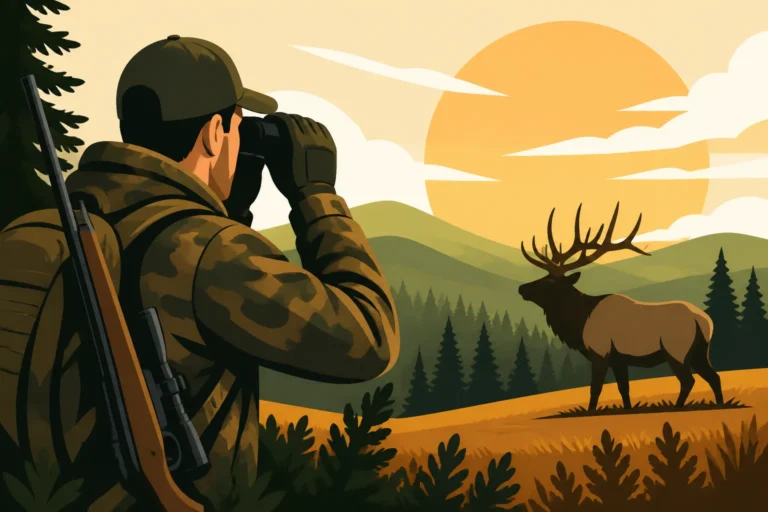
Another effective strategy, especially in the spring, is spot-and-stalk hunting on recent cutblocks. As the snow melts, bears emerge from hibernation and seek out the first green growth. Freshly logged or regenerating cutblocks, with their abundance of new vegetation, become natural food sources. You can often drive or quad into these areas, then use binoculars or a spotting scope to scan the openings and edges for bears feeding. This can be challenging in the vastness of the Boreal, but incredibly rewarding. Look for areas with a mix of cover and open feed. Spring Bear Hunting Alberta's Cutblocks offers more in-depth advice on this. Whichever method you choose, remember that the Boreal is prime bear country, and vigilance is always important.
Whitetail and Mule Deer in the Boreal Fringe
While the Boreal is primarily moose and bear country, you can find whitetail and even some mule deer, particularly in the southern transition zones or where the forest meets agricultural land. These deer tend to stick to pockets of mixedwood forest, aspen bluffs, and river valleys that offer more diverse forage and escape cover. Hunting them often involves identifying these "islands" of better habitat within the denser conifer forest.
For whitetails, focusing on natural funnels, pinch points between dense cover and open areas, or creek bottoms can be productive. They'll use trails that offer the path of least resistance through thick timber, so scouting for these travel corridors is key. In areas where agriculture is nearby, hunting the edges of fields bordering the Boreal can be very effective, especially during the rut when bucks are more active. Mule deer, though less common, might be found in drier, more open sections, often along river breaks or in sparse jack pine stands. Spot-and-stalk tactics, common for mule deer in other regions, can be adapted here, but require more patience and slower movement due to the denser cover. Scouting with tools like onX Hunt to identify these transition zones and specific habitat types can be a game-changer for finding deer that are often overlooked in the Boreal. Whitetail Hunting in Alberta and Mule Deer Hunting Alberta's Prairie and Badlands cover these species in more detail, though you'll need to adapt the information to the specific Boreal fringe habitat.
Predator and Upland Bird Opportunities
The Boreal Forest is a wild place, home to apex predators like wolves, as well as the ever-present coyote. Hunting predators in this dense environment is incredibly challenging but can be immensely rewarding. Wolves, in particular, are intelligent and elusive. Calling, using distress calls or howls, can be effective, especially along old cutlines or frozen seismic lines during winter when their tracks are easy to spot. Success often comes from extreme patience, excellent camouflage, and a deep understanding of their movements within a vast territory. Calling Wolves in Winter Bush offers excellent tactics for these wary animals. Coyotes are more common and can be called using similar distress sounds, often in more open areas or along farm boundaries where the Boreal thins out.
For upland bird enthusiasts, the Boreal offers fantastic opportunities for ruffed grouse, spruce grouse, and sometimes sharp-tailed grouse. Ruffed grouse, often called "partridge," love the mixedwood forests, especially along old logging roads, bush trails, and creek bottoms where aspen and birch are present. Walking these trails slowly, listening for their tell-tale drumming or flushing, is a classic method. Spruce grouse, in contrast, prefer dense conifer stands and are often much more approachable. Ruffed Grouse Hunting Alberta's Bush Trails will give you a great starting point. Sharp-tailed grouse are found in the more open, grassy areas where the Boreal transitions into parkland. A good bird dog can dramatically increase your success for all these species, helping to flush birds from thick cover and retrieve them. These smaller game species offer a wonderful way to experience the Boreal, even if you're not solely focused on big game.
Navigating Access and Terrain in the Boreal
The Boreal Forest is not known for its easy access. Understanding where you can go, how to get there, and what obstacles you might encounter is as important as knowing your animal's habits. This wild landscape demands respect and careful preparation for travel.
Identifying Crown Land and Public Access Points
Much of Alberta's Boreal Forest is Crown Land, meaning it's public land open to responsible recreational use, including hunting. However, simply knowing it's "Crown Land" isn't enough. You need to identify specific access points. Old logging roads, oil and gas seismic lines, and cutlines are often your primary ways into deeper areas. These linear features crisscross the landscape, acting as arteries into the wilderness. However, not all are open for public vehicle use, and many can become impassable depending on weather conditions.
Using modern mapping tools like onX Hunt or GoHunt is absolutely invaluable here. These apps, with their layered maps, allow you to clearly see Crown Land boundaries, Public Land Use Zones (PLUZs), and often show old roads and trails that might not appear on standard paper maps. You can scout from home, identify potential access points, and plan your routes, marking them as waypoints. Always double-check current land status and access regulations, as these can change. Finding Access on Alberta Crown Land is a vital resource for anyone planning a Boreal hunt, guiding you through the complexities of public land. Remember that even on Crown Land, there might be active resource extraction (logging, oil, and gas), so be aware of heavy machinery and respect industrial operations.
Understanding Road and OHV Restrictions
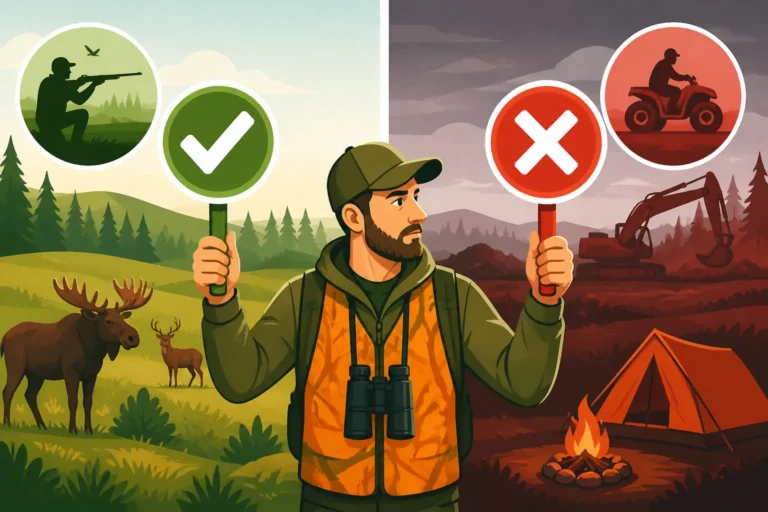
Just because a trail exists on Crown Land doesn't mean you can drive on it, especially with a motorized vehicle. Alberta has specific regulations regarding Off-Highway Vehicles (OHVs), which include quads, side-by-sides, and even dirt bikes. Many Public Land Use Zones (PLUZs) within the Boreal have designated trail systems for OHVs, and it's crucial to stick to these. Going off-trail can lead to significant environmental damage, hefty fines, and can contribute to negative public perception of hunters.
Before you head out, research the specific WMU or PLUZ you plan to hunt to understand its OHV rules. Some areas might have seasonal closures to protect sensitive habitats or during periods of high fire risk. Others may restrict vehicle use entirely beyond a certain point, meaning you’ll need to switch to foot travel. It's not uncommon to find locked gates on old logging roads, indicating restricted access, often for land reclamation or safety. Always assume restrictions unless you have explicit information otherwise. Violating these rules is not only illegal but also harms the reputation of all responsible hunters. Quad and Side-by-Side Rules on Crown Land will provide a detailed overview of what you need to know to stay legal and ethical. Having the right vehicle for the conditions is also important; a small two-wheel drive truck simply won't cut it where a high-clearance 4×4 or a quad is needed.
Overcoming Muskeg and Wet Terrain
Muskeg is an unavoidable reality of hunting in much of the Boreal Forest, and it can be a significant challenge. These boggy, waterlogged areas can range from merely damp and squishy to waist-deep, seemingly bottomless pits. Attempting to drive a vehicle, even an ATV, through unknown muskeg is a recipe for getting stuck, often very badly. Even walking can be exhausting and dangerous if you misstep.
The key to overcoming muskeg is cautious navigation and appropriate gear. High-quality waterproof boots are essential, as previously mentioned. When traversing on foot, use trekking poles for stability and to test the depth of the ground ahead of you. Look for game trails, which often indicate firmer ground, or follow ridges of higher, drier land. If using an ATV or side-by-side, stick to established trails, and if you must cross muskeg, do so with extreme caution, ideally with a winch and recovery gear readily available, and perhaps with a buddy to help. Never travel alone into areas with significant muskeg, especially when using an OHV. Knowing how to self-rescue or having appropriate recovery equipment is vital. A general rule of thumb is: if you're unsure, turn back or find another route. No animal is worth risking your safety or getting your vehicle permanently stuck in the middle of nowhere.
Seasonal Considerations for Boreal Hunting
The Boreal Forest changes dramatically with the seasons, and so do the hunting opportunities and challenges. Timing your hunt correctly and understanding how the seasons impact animal behavior and access are crucial for success.
Spring Bear Season
Spring in the Boreal Forest brings with it a unique and exciting hunting opportunity: black bear season. As the snow recedes and the forest slowly comes to life, bears emerge from their dens, hungry and eager to feed on the first green growth. This usually happens from late April through May, depending on the specific region and how quickly spring arrives. The weather can be highly variable during this time – you might experience warm, sunny days, or sudden snowfalls and freezing rain. Layered clothing, including good waterproof outerwear, is essential.
One of the key strategies for spring bear hunting is focusing on recent clearcuts and south-facing slopes. These areas are often the first to green up, offering bears a readily available food source. Bears will be out grazing on grasses and emerging plants, making them more visible. Old logging roads and seismic lines that wind through these cutblocks are excellent travel corridors for bears and provide accessible vantage points for hunters. Baiting is also highly effective during the spring, as bears are trying to put on weight after their long hibernation. Access can still be an issue in spring, as many forest roads might be soft and muddy from the melting snow and spring rains. This is a time when an ATV or side-by-side often becomes indispensable for deeper penetration, but even then, conditions can change rapidly. Remember to always be bear aware, as sows with cubs will also be out and about.
Fall Big Game Seasons
Fall is the prime season for big game hunting in the Boreal, offering opportunities for moose, deer, and bear. The season typically kicks off with early archery openers, sometimes in late August or early September. This period can still be quite warm, with dense foliage, presenting challenges for visibility and scent control. However, for species like moose, the early rut activity might begin, making calling a viable option. Hunting Alberta's September Archery Opener provides good context for this period, though it focuses on whitetails, the principles apply.
As fall progresses into October and November, rifle seasons open, and the landscape transforms. The deciduous trees drop their leaves, significantly improving visibility in the forest. This is also when the moose and whitetail rut kicks into high gear, making animals more active and vocal. The cooler temperatures are a blessing for hunters, not just for comfort but also for game care, as keeping meat cool is much easier. Snowfall often begins in late fall, providing excellent tracking conditions. However, with the cold also comes the potential for extreme weather, including blizzards and deep freezes. Access roads can become muddy from rain or icy/snowy, requiring careful driving. This is the time when you need to be prepared for anything, from mild autumn days to full-on winter conditions. Hunting the Rut in Early November is a crucial read for anyone targeting deer during this time.
Winter Hunting and Deep Cold
Late season hunting, often stretching into December and beyond for certain species and WMUs, offers a completely different Boreal experience. The forest is transformed into a silent, snow-covered wonderland, but it's also a realm of extreme cold. Temperatures can plummet to -30°C or colder, posing serious risks if you're not properly prepared. Deep snow can restrict animal movement, pushing them to specific wintering grounds or to travel along plowed roads, seismic lines, or frozen rivers.
While challenging, winter hunting offers distinct advantages. The snow provides excellent tracking conditions, allowing you to follow fresh sign for miles. Animals are often concentrated in areas with better browse or thermal cover, making them easier to locate if you can find their winter range. Access can be difficult due to deep snow, often requiring snowmobiles, but sometimes frozen muskeg and rivers provide better access than in warmer months, creating "winter roads." Gear for deep cold is absolutely critical: extreme cold-weather clothing, insulated boots rated for very low temperatures, and a reliable winter truck kit are non-negotiable. Hunting in these conditions is not for the faint of heart, but for those prepared, it can offer some of the most memorable and successful hunts, especially for a large bull moose or an elusive wolf. Hunting Alberta Winter Weather Safely and Hunting Whitetails at Thirty Below are essential reading before contemplating a late-season Boreal hunt.
Safety and Ethics in the Boreal Forest
The Boreal Forest is a beautiful, wild place, but it's also unforgiving. Prioritizing safety and practicing ethical hunting are paramount for a successful and responsible experience. Being prepared for emergencies and understanding your responsibilities as a hunter ensures you respect both the land and its wildlife.
Wildlife Safety in Bear and Predator Country
The Boreal Forest is prime habitat for black bears, and in some areas, grizzlies may also be present (though grizzly hunting is currently closed in Alberta, encounters are possible). Encountering a bear is a real possibility, especially during spring and fall hunts. You must be "bear aware" at all times. Carry bear spray, know how to use it, and keep it accessible, not buried in your pack. Make noise while moving through dense cover to avoid surprising a bear. Store food and scented items properly, away from your camp or vehicle, to avoid attracting them. If you come across a carcass, assume a bear is in the vicinity and proceed with extreme caution or backtrack. Wildlife Safety in Alberta Bear Country offers indispensable advice on how to conduct yourself responsibly and safely in bear habitat.
Beyond bears, the Boreal is also home to wolves and cougars. While attacks on humans are rare, these predators are powerful and deserve respect. If you encounter a wolf or cougar, especially one that seems to be following you, make yourself appear large, make noise, and do not run. Generally, these animals are shy and will avoid human contact. Understanding their behavior and being prepared for a potential encounter is simply part of hunting in this wilderness. Responsible hunting also means being mindful of other wildlife, ensuring your presence minimizes disturbance and you leave no trace behind.
Emergency Preparedness and Survival
Heading into the remote Boreal Forest without a solid emergency plan is reckless. Even a simple twisted ankle or a sudden vehicle breakdown miles from the nearest road can become a life-threatening situation. Your emergency kit should be comprehensive. It needs to include: a well-stocked first-aid kit, fire-starting materials (multiple redundancies, like waterproof matches, lighter, ferro rod), a knife or multi-tool, a headlamp with extra batteries, an emergency shelter (tarp or space blanket), extra high-energy food, and plenty of water or a water purification method.
Crucially, you need a reliable way to call for help. As mentioned, cell service is unreliable, so a satellite messenger device is highly recommended. These devices allow you to send SOS signals and communicate your location to emergency services. Always tell someone your detailed hunt plan – where you're going, your route, and when you expect to return. This "trip plan" is your best insurance. If you get stuck or lost, stay calm, stay put, and conserve your energy. Make yourself visible and audible. Never underestimate the speed at which conditions can deteriorate or the severity of the cold. Being prepared for an unexpected overnight stay in the bush is not paranoia; it's smart planning.
Meat Care and Ethical Harvesting
Ethical hunting extends beyond the shot. Once you've harvested an animal in the Boreal, particularly a large one like a moose, the real work begins. Given the often-remote locations, you'll need to be proficient in field dressing and quartering your animal quickly and cleanly. The Boreal can have unpredictable temperatures, even in fall, and meat can spoil rapidly if not handled correctly. Carrying game bags is essential to protect the meat from dirt and insects.
For large animals, you’ll often be quartering them in the field and making multiple trips to pack them out. This requires strength, stamina, and patience. Knowing how to efficiently break down an animal will save you time and effort. In colder conditions, hanging the meat in the shade can help it cool, but you still need to protect it from scavengers. In warmer conditions, getting the hide off and the meat cooled as quickly as possible is paramount. Remember the regulations regarding transporting game meat, including proof of species and sex requirements. Meat Care in Alberta's Cold and Warm Swings and Quartering a Moose Alone in the Bush are incredibly important resources for ensuring your hard-earned game makes it home in prime condition. Wasting game meat is not only unethical but also illegal, and something all responsible hunters strive to avoid.
Planning Your Boreal Adventure
Embarking on a hunting trip into Alberta's Boreal Forest is a significant undertaking that requires thorough planning long before you ever set foot in the woods. From understanding regulations to utilizing modern tools, careful preparation makes all the difference between a frustrating trip and a successful, memorable adventure.
Mapping and Scouting Tools for Success
In a landscape as vast and often featureless as the Boreal Forest, effective mapping and scouting are absolutely critical. Gone are the days of relying solely on a paper map (though you should always carry one as a backup!). Modern digital mapping applications like onX Hunt and GoHunt are indispensable tools for pre-hunt scouting and in-field navigation. These platforms offer detailed topographic maps, satellite imagery, and crucial land ownership layers that show you public versus private land, as well as specific Public Land Use Zones.
Before you even leave home, you can use these apps to virtually scout your WMU. Look for features like old logging roads, seismic lines, cutblocks of various ages, beaver ponds, river drainages, and areas where different types of timber meet. These features often concentrate game. You can mark potential hunting spots, travel routes, and emergency exits as waypoints. Crucially, you can download these maps for offline use, ensuring you have detailed navigation even without cell service deep in the Boreal. GoHunt also offers species-specific insights and draw odds for various regions, which can be invaluable if you're planning a draw-only hunt like for a specific moose tag. Reading an Alberta WMU Map Before You Go will help you understand the foundational knowledge required to get the most out of these modern tools. These tools don't replace boots on the ground, but they make your time in the field exponentially more efficient.
Working with Outfitters and Guides
For many hunters, especially those new to Alberta or the Boreal Forest, or those seeking specific trophy animals, engaging the services of an outfitter or guide can be a game-changer. Non-residents of Canada are generally required to hunt with a licensed Alberta outfitter or be accompanied by an Alberta resident designated as a "Hunter Host" for big game species. This requirement makes an outfitter a natural choice for many international hunters. Even residents might consider a guide for particularly challenging species or remote areas.
A good outfitter will have intimate knowledge of the Boreal, including specific WMUs, animal patterns, and access points. They provide expertise, equipment (like specialized vehicles or boats), camp accommodations, and often food. They can save you countless hours of scouting and troubleshooting, guiding you directly to productive hunting grounds. When considering an outfitter, always do your homework: check references, verify their licensing, and clearly understand what is included in the package and what is not (e.g., tags, meat processing, taxidermy). Their local knowledge of the Boreal, its access complexities, and its specific game populations can be invaluable, particularly when targeting trophy moose or bear.
Permits and Regulations: Staying Legal
No matter how well you prepare, a hunt in the Boreal Forest won't happen without the proper permits and a thorough understanding of Alberta's hunting regulations. The regulations are extensive and cover everything from licensing requirements, season dates, bag limits, legal methods of harvest, and specific rules for each Wildlife Management Unit (WMU).
First, you'll need an Alberta Wildlife Identification Number (WIN) Card and a Wildlife Certificate. These are your foundational permits. Then, depending on the species and season, you'll need specific licenses (e.g., a General Moose Licence, a Black Bear Licence). For some species like moose, elk, or sheep in specific WMUs, you might need to apply for a Special Licence through the provincial draw system, which has specific application periods and deadlines. Always purchase your licenses from a licensed vendor or online through the AlbertaRELM system well in advance of your hunt.
It is your responsibility as a hunter to know and abide by all current regulations. These regulations can change annually, so always consult the most recent Alberta Hunting Regulations Guide, available online or at license vendors, before your trip. Pay close attention to WMU-specific rules, such as antler point restrictions, CWD testing requirements, and any special access restrictions. Ignorance of the law is not an excuse, and violations can lead to heavy fines, loss of hunting privileges, and even confiscation of equipment. Staying legal means respecting the wildlife, the land, and the future of hunting in Alberta.
Disclaimer
This article is for general informational purposes only and does not constitute professional advice. Laws, prices and regulations vary by location and change over time. Consult a qualified professional for guidance on your specific situation.