Alberta Hunting Lodges and Wall Tents
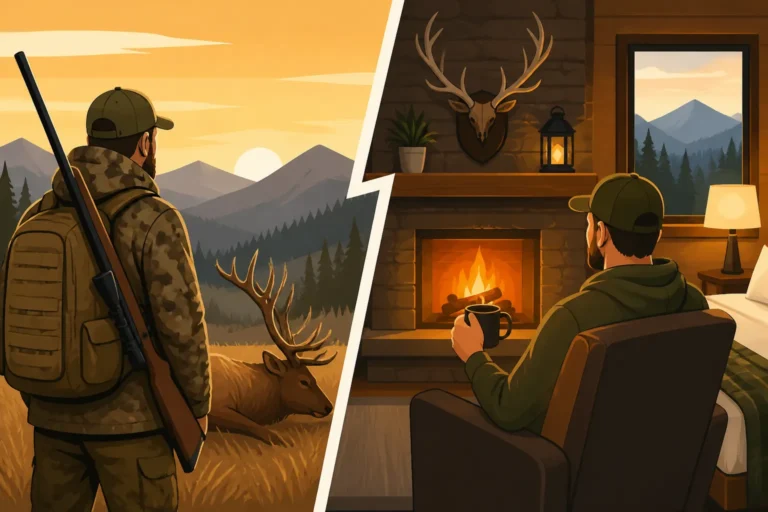
One of the biggest decisions you'll face when planning an Alberta hunting adventure, beyond what species you're chasing, is where you'll lay your head at night. Do you crave the cozy comforts of a hunting lodge after a long day, or does the raw, immersive experience of a wall tent camp in the backcountry call to your adventurous spirit? This guide will dive deep into the pros, cons, and realities of both options, helping you figure out which camp style best suits your dream hunt.
The Diverse World of Alberta Hunting Accommodations
When you think about hunting camps in Alberta, it's easy to picture either a sprawling rustic lodge or a simple canvas tent. In reality, the spectrum is quite broad, offering everything from luxurious, fully-serviced facilities to bare-bones spike camps deep in the wilderness. Understanding these fundamental types is the first step in planning a trip that aligns with your expectations, your hunting style, and your budget.
Lodge Characteristics and What to Expect
Hunting lodges in Alberta often represent the pinnacle of comfort and convenience in the field. These aren't just glorified cabins; many are purpose-built facilities designed to cater to hunters, offering amenities that can feel like a genuine indulgence after a tough day in the bush. Think about it: waking up to the smell of fresh coffee brewing, a hot breakfast waiting for you, and comfortable beds that actually let you recover.
The typical lodge experience revolves around structured comfort. You'll usually have private or semi-private rooms, hot running water, flush toilets, and often a dedicated common area where hunters can relax, share stories, and strategize for the next day. Meals are usually chef-prepared, hearty, and served in a dining hall, eliminating any need for you to worry about cooking or dishes. This setup means you can focus 100% on hunting, knowing all your creature comforts are taken care of. For many hunters, especially those traveling from afar or those with physical limitations, a lodge provides the ideal blend of hunting opportunity and a much-needed respite.
Wall Tent Characteristics and the Backcountry Vibe
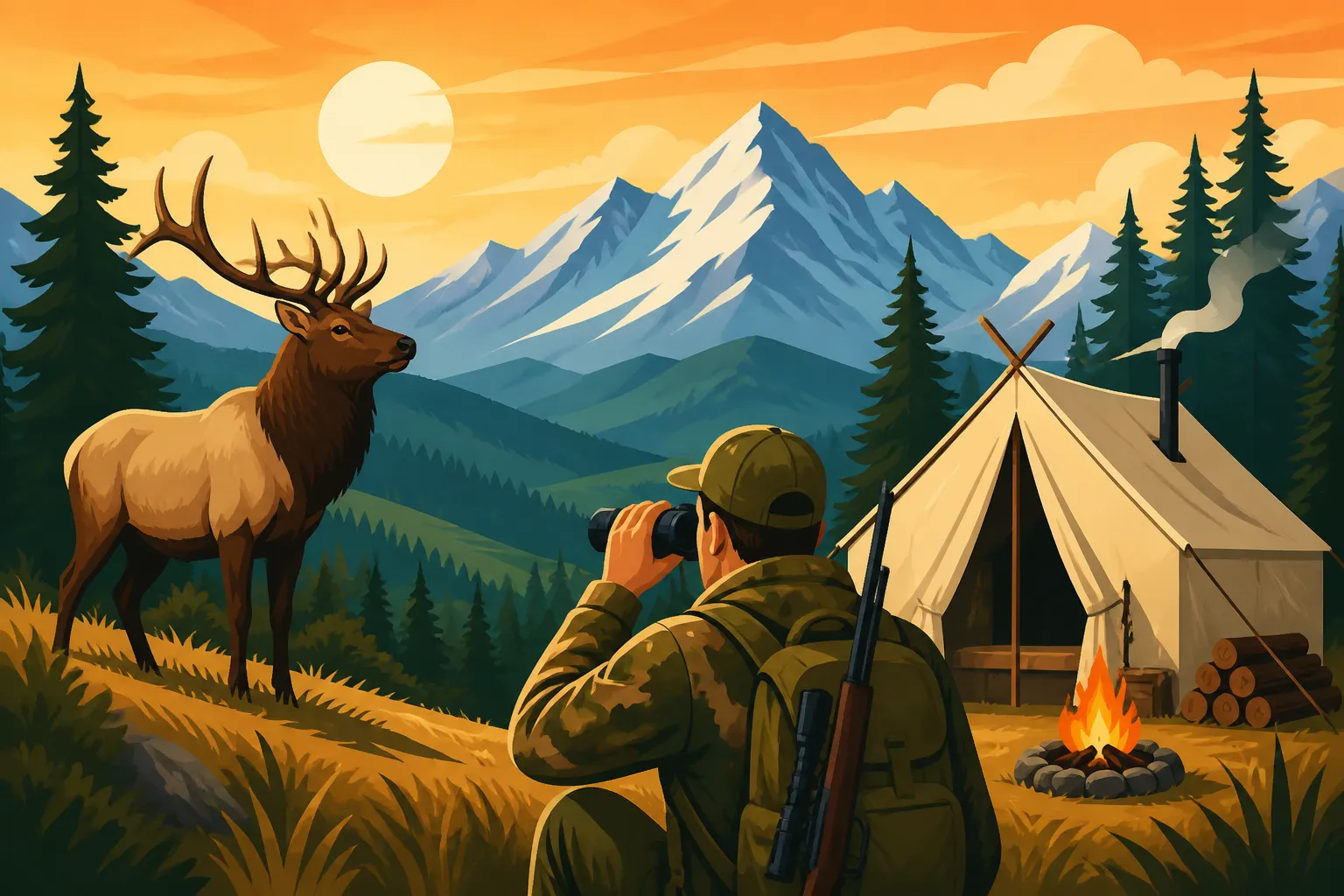
On the other end of the spectrum, wall tent camps embody a more traditional, rugged hunting experience. These are typically canvas tents, often substantial in size, designed to be erected in more remote locations, sometimes accessible only by ATV, horseback, or even on foot. A true wall tent camp aims to put you closer to the game, often deeper in the wilderness where lodges simply can't exist due to logistics or regulations.
While they might lack the plushness of a lodge, modern wall tents are far from primitive. Many are equipped with wood stoves for heating, cots for sleeping, and even designated cooking areas. The emphasis here is on self-sufficiency and communal living. You might be sharing a tent with several other hunters, and while a guide or outfitter will handle most of the camp chores, you're expected to be more hands-on, whether it's gathering firewood or helping with game retrieval. This style of camp offers an authentic taste of wilderness living, stripping away distractions and fostering a deep connection with the natural environment and your hunting companions. It's an experience built on grit, teamwork, and the satisfaction of earning every moment in the wild.
The Hybrid Approach: Cabin Camps and Spike Outs
Sometimes, the best solution lies somewhere in the middle. Many outfitters in Alberta utilize what could be called "cabin camps" or more permanent structures that aren't quite as luxurious as a full lodge but offer a significant step up from a canvas wall tent. These might be small, rustic cabins with wood stoves, bunk beds, and perhaps a shared outhouse or basic shower facility. They offer more protection from the elements than a tent, are often more comfortable, but maintain a strong sense of being out in the wilderness.
Another popular hybrid option, especially for specific species or remote locations, is the "spike camp." This usually involves a smaller, more mobile tent setup that is established temporarily, often by backpack or horseback, further away from a main camp (which could be a lodge, cabin, or larger wall tent). Spike camps are all about efficiency and getting into prime hunting areas for a few days without returning to a larger base. They typically feature minimal gear, basic sleeping arrangements, and very simple cooking. This allows hunters to pursue game in areas with less pressure and to fully immerse themselves in the hunt without a long commute back to a main camp each day. Understanding these variations helps you pinpoint the exact level of comfort and ruggedness you're seeking.
The Experience of Lodge Hunting in Alberta
Opting for a lodge hunt in Alberta brings with it a distinct set of experiences centered around comfort, convenience, and a more communal atmosphere. It's often the choice for those who want to maximize their hunting time without the added responsibilities of camp life.
Comfort and Convenience: A Hunter's Retreat
One of the undeniable advantages of a lodge hunt is the sheer level of comfort and convenience it affords. After a long day of Hunting Mule Deer in the Badlands Coulees or traversing tough terrain, returning to a warm, dry lodge with a hot shower is incredibly restorative. You can shed your wet gear, knowing it will dry by morning, and slip into comfortable clothes. This isn't just about luxury; it's about efficient recovery. When your body isn't fighting the cold or struggling to get comfortable, you're better rested and more prepared for the next day's hunt.
Beyond the basics, lodges often provide amenities like comfortable lounge areas with fireplaces, satellite TV (though hopefully you're too busy sharing stories!), and sometimes even dedicated boot dryers or gear rooms. The outfitter's staff typically handles all cooking, cleaning, and general camp maintenance. This means your only real responsibilities are hunting hard and enjoying the experience. It removes a huge layer of logistical stress, allowing you to mentally decompress and focus on the thrill of the chase. You're not worried about making dinner, hauling water, or keeping a fire going; those details are managed, leaving you free to analyze your day and plan for tomorrow.
Social Aspects and Shared Stories
A lodge setting naturally fosters a strong social dynamic. Hunters from various backgrounds, often strangers at the beginning of the week, come together in a shared space. Evening meals in a common dining area become vibrant occasions for recounting the day's adventures, sharing tips, and swapping tales of past hunts. This camaraderie is a huge part of the lodge experience. You get to hear about what other groups saw, learn about different hunting techniques, and build connections that can last long after the hunt is over.
These communal spaces are perfect for celebrating successes and commiserating over missed opportunities. The guides are often part of these evening gatherings, offering their insights into local game movements, weather patterns, and strategies for the days ahead. It’s a rich environment for learning and networking, often providing valuable perspectives you wouldn't gain in a more solitary camp. Imagine sitting around a roaring fire, listening to seasoned guides and fellow hunters discuss Hunting a Cutline Intersection for Whitetails or Glassing an Alberta Coulee for Mule Deer—these informal learning sessions are priceless.
A Typical Day at an Alberta Hunting Lodge
A day at an Alberta hunting lodge is typically well-structured to maximize your time in the field while ensuring you're well-fed and rested. Your morning usually starts early, often before dawn, with a hearty breakfast served in the dining area. This might include eggs, bacon, pancakes, and plenty of coffee to fuel up. After breakfast, you'll gather your gear and head out with your guide, usually by truck or ATV, to your hunting area for the day.
Lunch might be a packed meal eaten in the field, allowing you to stay in prime hunting territory, or you might return to the lodge for a warm meal if your hunting area is close by. The afternoon is spent continuing the hunt, glassing, stalking, or sitting on a stand, depending on the species and conditions. As dusk approaches, you'll make your way back to the lodge. The evening routine usually involves a hot dinner, often a delicious home-cooked meal, followed by time to relax, shower, and share stories with fellow hunters. Guides will typically help with Meat Care in Alberta's Cold and Warm Swings and trophy preparation, and many lodges have dedicated areas for this. Then, it's off to a comfortable bed to recharge for another day of hunting.
The Experience of Wall Tent Hunting in Alberta
For many, the idea of a wall tent hunt in Alberta sparks images of rugged authenticity, deep wilderness, and a profound connection to the land. This style of hunting camp offers a vastly different, yet equally rewarding, experience compared to lodge hunting.
Roughing It: Embracing Authenticity (and Sometimes Discomfort)
Wall tent hunting often means embracing a certain level of "roughing it," but this is precisely what draws many hunters to it. You're trading some creature comforts for an immersive wilderness experience. While modern wall tents can be surprisingly comfortable with wood stoves and cots, they are still tents. You'll hear the wind, the rain, or the snow hitting the canvas, and you'll feel the crisp morning air a little more acutely. This direct engagement with the elements is part of the appeal; it grounds you in the natural world you've come to hunt.
The authenticity of a wall tent hunt comes from its simplicity. There's less distraction, fewer amenities to shield you from the realities of the wild. You might be responsible for keeping the wood stove stoked through the night, or fetching water from a nearby stream. This isn't just about survival; it's about active participation in the camp's functioning. For many, this effort enhances the sense of accomplishment and connection to the hunt. It requires a different mindset, one that values resilience and a hands-on approach, making every successful hunt feel earned on a deeper level. Outfitters offering these experiences are often found through platforms like BookYourHunt, which can detail the camp setup.
Teamwork and Camaraderie in the Bush
Life in a wall tent camp fosters an incredibly strong sense of teamwork and camaraderie. Unlike a lodge where you might have more personal space, a wall tent often means sharing close quarters with your hunting partners and guides. This proximity naturally encourages cooperation. Everyone has a role to play, whether it's gathering firewood, assisting with camp chores, or helping with the demanding work of game recovery. Quartering a Moose Alone in the Bush or Getting a Moose Out With a Quad becomes a group effort, strengthening bonds.
These shared experiences, both the challenges and the triumphs, forge deep connections. There's a certain bond that forms when you've endured cold mornings together, celebrated a hard-earned harvest, and shared stories around a crackling wood stove in the wilderness. The conversations are often more intimate, focused entirely on the hunt, the land, and the experiences of the day. It's an environment where genuine friendships are often forged, built on mutual respect for the outdoors and the shared pursuit of game. This intense camaraderie is one of the most cherished aspects of a wall tent hunt, creating memories that last a lifetime.
Daily Life in a Wall Tent Camp
A typical day in a wall tent camp also begins before first light, but with a different rhythm than a lodge. The crackle of the wood stove might be the first sound you hear, as someone stirs to stoke the fire and get coffee brewing. Breakfast is often simpler, maybe oatmeal, bacon, and eggs cooked over a propane stove or the wood stove, but just as hearty. Dressing in the cold air, often right inside the tent, requires a bit more planning and layering for Hunting Alberta Winter Weather Safely.
After a quick, substantial meal, you'll head out with your guide to your hunting area. Depending on the remoteness, this could involve a longer ATV ride, a horseback journey, or a hike. Lunches are almost always packed to be eaten in the field, allowing maximum hunting time. Game retrieval can be a significant undertaking from a wall tent camp, often requiring a concerted effort from the entire group. In the evening, after returning to camp, dinner is prepared and eaten together. The focus then shifts to drying gear around the stove, sharing stories, and planning for the next day's strategy, perhaps referencing resources like GoHunt for scouting tips, before settling into your sleeping bag for the night. The rhythms are dictated by the sun, the weather, and the needs of the hunt.
Factors to Consider When Choosing Your Camp
Deciding between a hunting lodge and a wall tent camp isn't just a matter of preference; it involves a careful consideration of several practical factors that will significantly impact your hunting experience.
Species, Terrain, and Location
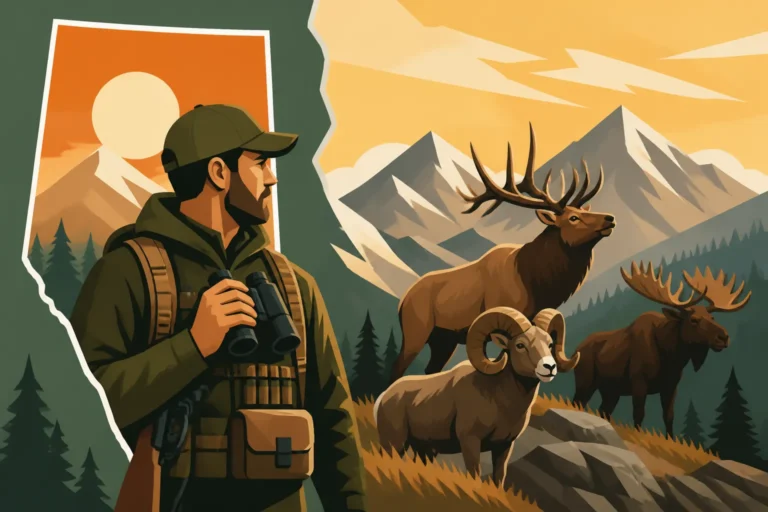
The type of animal you're hunting and the terrain it inhabits play a massive role in determining the most suitable camp style. If you're after trophy Bighorn Sheep in Alberta's Mountains or Mountain Goat in Steep Rock, a wall tent or spike camp, often accessed by horseback, might be the only viable option to reach remote alpine basins. These hunts demand a deep dive into the wilderness, far from established roads and infrastructure where lodges typically reside.
Conversely, if your target is White-Tailed Deer, Alberta's Most Hunted Big Game in agricultural areas or Elk in Alberta's Mountains and Farmland where herds frequent private land, a lodge or cabin camp might be perfectly situated for easy access to various hunting blocks. For Moose Across Alberta's Boreal and Foothills, both options could work, depending on how deep into the bush the outfitter needs to get. Generally, the more remote and rugged the target species' habitat, the more likely you'll find yourself in a wall tent or spike camp. You'll want to ask your outfitter directly about the typical camp setup for the species you're pursuing in their specific area.
Season, Weather, and Comfort Tolerance
Alberta's weather can be notoriously unpredictable, swinging from mild autumn days to brutal winter blizzards. The season you choose for your hunt will heavily influence your camp comfort. Early archery seasons, like Alberta's September Archery Opener, might be perfectly comfortable in a well-appointed wall tent. However, late-season hunts for Whitetail Hunting in Alberta during November's rut, or even later when temperatures can plummet to Hunting Whitetails at Thirty Below, make the warmth and solid shelter of a lodge significantly more appealing.
Consider your personal tolerance for cold, dampness, and basic living conditions. If you thrive on the challenge of battling the elements and enjoy the rustic charm of a wood stove, a wall tent will be a fantastic experience. If, however, you know you'll be miserable without a hot shower and a consistently warm sleeping environment, investing in a lodge hunt will save you a lot of discomfort. Always pack appropriate gear for the expected conditions, but recognize that a lodge provides a stronger buffer against extreme weather. Don't underestimate the mental drain of being consistently cold or wet; it can affect your hunting performance.
Budget and Group Size
The financial investment is often a primary deciding factor for many hunters. Generally speaking, lodge hunts tend to be more expensive than wall tent or spike camp hunts. This higher cost reflects the increased amenities, dedicated staff (cooks, cleaning staff), and the infrastructure required to maintain a comfortable facility. If you're working with a tighter budget, a wall tent hunt, especially if it's a semi-guided or drop camp style, can often provide a more affordable entry point into a guided Alberta experience. What an Alberta Guided Hunt Costs can vary wildly between these two options.
Your group size also plays a role. If you're hunting solo or as a pair, a wall tent or a smaller cabin might be more intimate and efficient. For larger groups, a lodge often provides enough space and beds to accommodate everyone comfortably, facilitating a more cohesive group experience. Some outfitters offer discounts for larger groups, or have specific lodge rooms/cabins that can be booked privately. When researching options, platforms like BookYourHunt often allow you to filter by camp type, helping you quickly identify suitable choices based on your budget and group size.
Logistics and Amenities in Alberta Hunting Camps
Regardless of whether you choose a luxurious lodge or a rugged wall tent, understanding the practical logistics and available amenities is crucial for a smooth and enjoyable hunting trip in Alberta.
Food and Drink in Camp
Food is a critical component of any successful hunting trip, providing the energy and morale boost needed after long days in the field. In a lodge setting, you can expect professionally prepared, often hearty and diverse meals. Think full breakfasts, packed lunches for the field, and multi-course dinners. Dietary restrictions can often be accommodated with advance notice. These meals are a highlight, a chance to refuel and share stories around a communal table. For a look at what to expect, check out What Camp Food Is Usually Like.
Wall tent camps, while still providing ample sustenance, typically feature simpler, more rustic fare. Meals might be cooked by the guide or a designated camp cook over a wood stove or propane burner. Expect filling, easy-to-prepare dishes like stews, chili, pasta, and plenty of protein. Packed lunches will be standard. While not gourmet, the food is designed to be nourishing and satisfying in a wilderness setting. Hydration is also key; always ensure the camp has a reliable source of potable water, whether it's bottled, filtered, or boiled. Don't forget your personal water bottle for the field!
Heating, Power, and Connectivity
The availability of heating and power can significantly impact your comfort, especially in Alberta's colder seasons. Lodges will almost universally have reliable heating, often central heating, ensuring a consistently warm environment. They will also have electrical outlets for charging electronics, lights, and possibly Wi-Fi. This allows hunters to stay connected, charge phones, cameras, and other vital gear. Cell Service in a Backcountry Camp can be patchy, but lodges often mitigate this with boosters or Wi-Fi.
Wall tent camps rely heavily on wood stoves for heat. While incredibly effective, they require constant tending, especially overnight. Expect to wake up to a colder tent unless someone is on fire duty. Power is usually minimal, often provided by a generator for a few hours in the evening, primarily for lights and essential charging. Solar chargers or power banks for personal devices are highly recommended. Connectivity is often non-existent in remote wall tent camps, making satellite messengers like an inReach or Spot device an essential safety tool, as detailed in Emergency Plans in Alberta's Backcountry. Be prepared to be off-grid.
Bathroom Facilities and Hygiene
Hygiene in a hunting camp is often a point of concern for new hunters. Lodges offer the most comfortable and familiar facilities: flush toilets, hot showers, and often individual bathrooms or well-maintained shared facilities. This is a huge perk for many, allowing for thorough cleanup after a grimy day.
Wall tent camps, by contrast, offer more rustic options. Outhouses or pit toilets are standard, and showers might be very basic, such as a heated gravity bag or a temporary shower tent. Some camps might not have dedicated shower facilities at all, requiring wet wipes and basin washes. While it might sound daunting, hunters quickly adapt to these conditions. The key is to be prepared with personal hygiene items, quick-drying towels, and an understanding that cleanliness will be functional rather than luxurious. Always ask the outfitter beforehand about the exact setup so you can pack accordingly and manage your expectations.
Making the Most of Your Alberta Hunting Camp Stay
Choosing your camp is just the first step; maximizing your experience, whether in a lodge or a wall tent, involves preparation and a respectful attitude.
Preparing for Camp Life and Packing Smart
Regardless of the camp type, preparation is key. For any Alberta hunt, dressing in layers is crucial, as temperatures can fluctuate dramatically throughout the day and even within a single hunt. Good quality raingear is non-negotiable, as is sturdy, broken-in footwear. For a wall tent, consider an extra pair of camp shoes or slippers to keep dirt out of your sleeping area. Always bring a quality sleeping bag rated for colder temperatures than you expect, even in a lodge, as some lodges might keep temperatures lower at night to conserve energy.
When it comes to gear, create a detailed checklist and stick to it. Don't forget essentials like a good headlamp, binoculars, a first-aid kit, and personal medications. For wall tent camps, extra batteries for all electronics are vital, as charging opportunities might be limited. Consider a durable dry bag for sensitive items. Outfitters usually provide a suggested packing list, so always review it thoroughly. And remember, less is often more, especially if you're flying in or accessing a remote camp. Referencing What to Bring to a Hunting Camp can help you refine your packing strategy.
Respecting Camp Etiquette and Shared Spaces
Living in close quarters, whether in a lodge or a wall tent, requires respect for your fellow hunters and the camp staff. Good camp etiquette ensures a positive experience for everyone. This means being mindful of noise levels, especially early in the morning or late at night when others might be sleeping. Keep your gear organized and contained to your designated area, preventing clutter in shared spaces.
Be punctual for meals and planned departures. Offer to help with chores if you're in a wall tent camp, even if it's just fetching water or splitting a bit of firewood. In a lodge, be courteous to the staff and guides. Remember that everyone is there for a shared passion, and a little consideration goes a long way in fostering a pleasant and harmonious environment. If you're successful, contribute to the positive atmosphere by sharing your stories and celebrating with the group.
Post-Hunt Relaxation and Reflection
The end of a hunting day, or indeed the end of a successful hunt, is a time for both relaxation and reflection. In a lodge, this might mean unwinding in a common area, enjoying a drink, and recounting the day's events with newfound friends. The comfort allows for immediate mental and physical decompression. Some lodges might offer amenities like a hot tub or sauna, which are pure luxury after days in the cold. You can discuss the day's strategy and plan for tomorrow, perhaps reviewing maps or consulting resources.
In a wall tent camp, relaxation often looks a little different. It might involve sitting by the wood stove, warming up, and sharing quiet conversations or excited chatter about the day's adventures. The simplicity of the surroundings can foster deeper introspection, allowing you to truly process the wilderness experience. No matter the setting, take the time to appreciate the experience, reflect on the lessons learned, and cherish the memories made. These moments of quiet contemplation are just as important as the hunt itself, solidifying the experience and preparing you for future adventures. Consider booking How Many Days a Guided Hunt Runs to ensure you have enough time for both hunting and relaxation.
| Feature | Hunting Lodge | Wall Tent Camp (Guided) |
|---|---|---|
| Comfort | High (private rooms, hot showers, flush toilets) | Moderate to Low (cots, wood stove, outhouse/basic shower) |
| Accessibility | Often accessible by road, more established | More remote, often requiring ATVs/horses/hike |
| Amenities | Full meals, electricity, Wi-Fi, lounge areas | Basic meals, limited power (generator), wood stove |
| Social Aspect | Communal dining/lounge, good for networking | Close quarters, strong teamwork/camaraderie |
| Authenticity | Comfortable base, less direct wilderness immersion | Raw, immersive wilderness experience, hands-on |
| Cost (Generally) | Higher | Lower to Moderate |
| Staffing | Guides, cooks, cleaning staff | Guides (often perform multiple roles) |
| Recovery | Excellent (warm, soft beds, hot water) | Good (warm tent, sleeping bag), but more rustic |
| Connectivity | Often available (Wi-Fi, cell boosters) | Limited to none (satellite messenger essential) |
Disclaimer
This article is for general informational purposes only and does not constitute professional advice. Laws, prices and regulations vary by location and change over time. Consult a qualified professional for guidance on your specific situation.