What Drought Does to Alberta Game
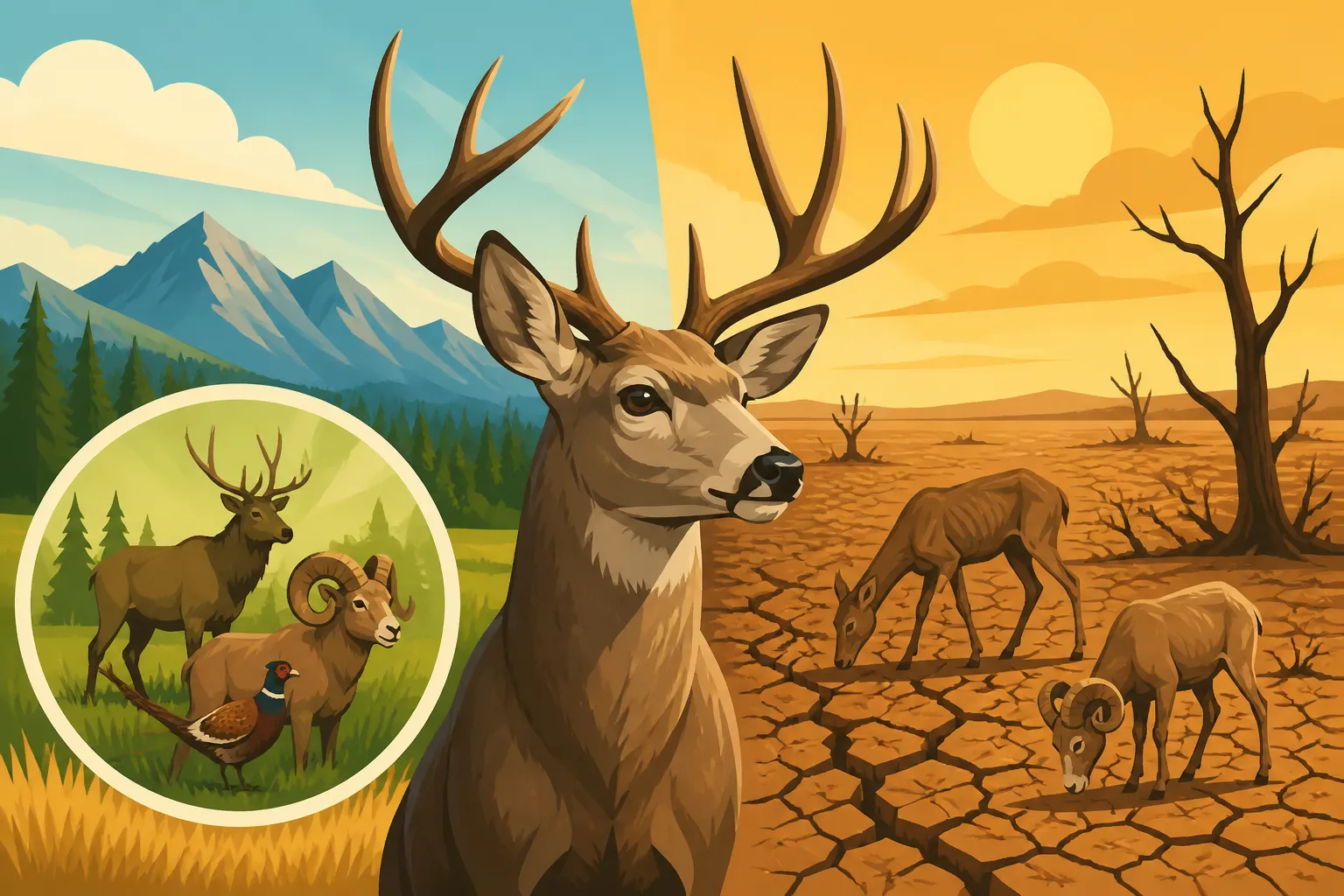
When Mother Nature decides to hold back her life-giving rains, it's not just our gardens and pastures that suffer; Alberta's wildlife, from the smallest grouse to the largest moose, feels the pinch acutely. Drought conditions can transform familiar landscapes, pushing game animals to their limits and changing their behavior in ways that impact both their survival and our hunting seasons. This guide delves into the profound effects of drought on Alberta's diverse game species, offering insights into what these challenging periods mean for the animals and for those of us who cherish the tradition of ethical hunting in our province.
The Immediate Impacts of Drought on Game Animals
Drought isn't just about a lack of rain; it's a cascade of environmental stressors that fundamentally alter the landscape game animals depend on. When the land dries up, everything changes, from the quality of their food to their susceptibility to disease. It's a tough hand for nature to deal, and our wildlife has to play it as best they can.
Water Scarcity and Animal Health
The most obvious and immediate impact of drought is the dwindling availability of water. Creeks become trickles, small sloughs evaporate, and even larger rivers can see significantly reduced flows. This isn't just an inconvenience for wildlife; it's a critical threat to their survival. Animals, especially large ungulates like moose and elk, need consistent access to water for hydration and digestion. When water sources disappear, animals are forced to travel farther, expending precious energy to find what little remains.
Imagine a herd of whitetails, usually spread out across a network of small ponds and bush edges, suddenly having to congregate around one or two remaining muddy puddles. This concentration can lead to increased competition for resources, elevated stress levels, and a higher risk of disease transmission. Predators, too, learn these patterns, making these vulnerable water points dangerous gathering spots. For a hunter using tools like GoHunt to scout, identifying these limited water sources becomes paramount, but understanding the increased pressure on the animals at these spots is even more crucial.
Forage Quality and Quantity Declines
Beyond water, drought severely impacts the vegetation that game animals feed on. The lush grasses, forbs, and browse that normally sustain deer, moose, and elk simply don't grow as vigorously, or they die off entirely. What remains often has significantly reduced nutritional value. A dry summer means plants are stunted, less palatable, and lack the essential vitamins and minerals animals need for healthy growth, reproduction, and to build up fat reserves for the winter.
For deer, this can mean a direct hit to antler growth. Bucks struggling to find adequate nutrition won't be able to put as much energy into growing impressive racks. For does, poor forage quality can affect milk production, directly impacting the survival rates and overall health of fawns and calves. Think of a cow moose trying to raise a calf on sparse, dry vegetation – the odds are stacked against them from the start. This reduction in quality and quantity of food can lead to weaker animals going into winter, making them more vulnerable to harsh conditions and increasing their mortality rates.
Stress and Disease Vulnerability
The combined effects of water scarcity and poor nutrition put tremendous physiological stress on game animals. Just like us, stressed animals are more susceptible to illness. Their immune systems can be compromised, making them less able to fight off parasites and diseases that might normally be minor concerns.
For instance, during prolonged dry spells, conditions can become ripe for the spread of diseases like epizootic hemorrhagic disease (EHD) in deer, which is often associated with specific midge populations that thrive in stagnant, low-water environments. While we thankfully don't see EHD outbreaks every year in Alberta, chronic wasting disease (CWD) is a persistent concern, and a stressed herd could, in theory, see increased transmission rates if animals are forced into closer proximity. Alberta's CWD Testing Requirements are always important, but understanding the added pressures of drought on animal health makes these efforts even more critical. Animals weakened by hunger and thirst are also more vulnerable to predation, as they may be slower, less agile, and less able to escape a pursuing wolf or coyote.
How Drought Affects Different Game Species
The impacts of drought aren't uniform across all species. Each animal has its own unique ecological niche and set of requirements, making some more resilient than others when the land dries up.
Deer (Whitetails and Mule Deer)
Alberta's deer populations, both white-tailed deer and mule deer, are often significantly impacted by drought. Whitetails, being more dependent on dense cover and riparian areas, suffer when these habitats dry up. Their preferred browse, like willow and aspen regeneration, becomes scarce and less nutritious. You might find them abandoning traditional bedding areas along dry creek bottoms and moving closer to human settlements or agricultural fields where irrigation might provide a sliver of green. White-Tailed Deer, Alberta's Most Hunted Big Game are usually adaptable, but severe drought pushes those limits.
Mule deer, often found in more arid or broken country like our coulees and badlands, are perhaps a bit more accustomed to dry spells, but even they have their breaking point. Their reliance on succulent forbs and shrubs can be severely tested. During drought, mule deer often abandon higher, drier ridges and concentrate in valley bottoms or near lingering water sources. This shift in movement can change traditional hunting patterns, and hunters using digital tools for Scouting With Satellite Imagery in Alberta will notice significant changes in vegetation cover year over year, guiding their strategy to focus on areas with any remaining green-up or water. The long-term effects can include reduced fawn survival rates and smaller antler growth on bucks in subsequent years, as the nutritional deficit catches up.
Moose and Elk
Moose and elk, being larger animals, have greater metabolic demands and require more forage and water. Moose, in particular, are highly dependent on water-rich habitats, feeding on aquatic vegetation and riparian browse. When sloughs, ponds, and small lakes recede or dry up entirely, their critical food sources diminish, and their ability to regulate body temperature in warmer conditions is hampered. A dry summer in the boreal forest can be devastating for moose, pushing them into less ideal habitats and increasing stress. Moose Across Alberta's Boreal and Foothills populations can see noticeable dips after severe drought years.
Elk, while perhaps more adaptable than moose to varied terrain, also suffer. They need abundant grass and forage, and a drought-stricken landscape simply doesn't provide it. On agricultural fringes, Elk in Alberta's Mountains and Farmland might concentrate more heavily on irrigated fields, leading to increased crop damage and potential management challenges. Reduced calf survival is a common consequence for both species, as mothers may lack the nutrition to produce enough milk or to simply sustain themselves and their young through the dry period.
Upland Birds and Waterfowl
Drought takes a heavy toll on Alberta's game bird populations, particularly upland birds and waterfowl. For upland birds like pheasants, partridge, and grouse, dry conditions mean less insect life (a critical protein source for chicks), less succulent green vegetation, and reduced nesting cover. Nests can be exposed to predators more easily, and young chicks might struggle to find enough food and water to survive. Alberta's Upland Birds by Region often see population fluctuations tied closely to local rainfall.
Waterfowl are, perhaps, the most visibly impacted. Prairie potholes, crucial breeding and staging grounds for ducks and geese, simply disappear. A severe drought can turn a vibrant "duck factory" into a barren wasteland. Birds that would normally nest and raise broods in Alberta are forced to either forgo breeding or migrate much farther north, often to less ideal habitats, leading to reduced breeding success across the continent. Alberta's Waterfowl and Migration Routes are profoundly shaped by these annual water conditions. For hunters, this translates directly into fewer local birds and often tougher hunting conditions in subsequent seasons.
Predators and Smaller Game
The ripple effect of drought extends throughout the food chain. With fewer prey animals, predators like coyotes and wolves may face tougher times, potentially leading to increased competition or shifts in their hunting patterns. Smaller game animals, such as snowshoe hares, also rely on specific vegetation for food and cover. If their habitat is degraded by drought, their numbers can decline, which in turn affects their predators. Even furbearers that depend on wetland habitats, like muskrats and beavers, can see significant population crashes when their watery homes dry up. It's a stark reminder that every species is interconnected, and a stressor at one level can destabilize the entire ecosystem.
| Species Group | Primary Drought Impact | Consequences for Individuals | Consequences for Populations |
|---|---|---|---|
| Deer | Reduced browse & water, habitat shift | Smaller antlers, lower fawn survival | Population decline, altered distribution |
| Moose & Elk | Water scarcity, poor forage quality | Lower calf survival, poor body condition | Population decline, stress-related illness |
| Upland Birds | Reduced insect/vegetation, less cover | Lower chick survival, increased predation | Reduced breeding success, localized declines |
| Waterfowl | Loss of wetlands/potholes | Breeding failure, forced migration | Significant population declines, shifted breeding |
| Predators/Small Game | Reduced prey base, habitat changes | Increased competition, food scarcity | Localized population shifts/declines |
Long-Term Consequences for Alberta's Ecosystems and Hunting
While the immediate effects of drought are clear, the long-term consequences can reshape ecosystems for years, influencing everything from habitat health to future hunting opportunities. It's not just about one bad year; it's about the cumulative impact.
Habitat Degradation and Recovery Challenges
Prolonged drought can lead to significant habitat degradation. Wetland areas can take years to fully recover even after rains return. Forests stressed by lack of water become more susceptible to insect infestations and wildfires. Think of the devastating wildfire seasons Alberta has experienced; while not solely caused by drought, dry conditions certainly create the tinderbox. A landscape scarred by fire changes game movement and availability for years, creating both new challenges and, sometimes, new opportunities as certain forage species return in abundance.
The loss of critical forage plants means a slower recovery for animal populations, even once water is plentiful again. It takes time for the vegetation to regrow and regain its nutritional value. This means that a severe drought in one year can influence antler growth, fawn recruitment, and overall herd health for several years down the line. It's a complex ecological domino effect that requires patience and careful observation.
Population Shifts and Hunting Opportunities
Drought often causes animals to shift their ranges in search of better conditions. We might see deer and elk moving out of traditionally dry areas into more irrigated agricultural lands or into areas with more consistent water sources. This can lead to localized concentrations of animals, which might seem like a boon for hunters in those specific areas, but it also puts immense pressure on those limited resources.
Conversely, some areas that were once prime hunting grounds might see significant declines in game numbers, forcing hunters to adapt their strategies or explore new Alberta's Wildlife Management Units. Understanding these shifts is crucial. Tools like GoHunt can help track these changes in real-time if local observations are updated, but often it's about paying attention to provincial wildlife reports and talking to local landowners. For hunters, this means seasons can become more challenging, requiring greater scouting effort and flexibility.
Management Strategies in Drought Conditions
Alberta's wildlife managers closely monitor drought conditions and their impact on game populations. In severe cases, they may implement specific measures to help mitigate the effects. This could include adjusting hunting quotas, altering season dates, or implementing special permits in certain Alberta Game Bird Seasons and Limits areas. The goal is always to ensure the long-term health and sustainability of the game populations.
It's a delicate balance. Managers need to consider not just the current year's conditions but also the potential for prolonged drought or its lingering effects. They might focus on reducing pressure on female animals to allow populations to rebound more quickly or target specific areas for population control if overgrazing becomes an issue in limited lush zones. These decisions are rooted in science and observation, aiming to safeguard the future of hunting in Alberta.
What Hunters Can Do and What to Expect
As hunters, we are stewards of the land and its wildlife. During periods of drought, our responsibilities become even more pronounced. Understanding the challenges faced by game animals allows us to make more informed and ethical decisions in the field.
Understanding Regulation Changes
One of the most important things a hunter can do during or after a drought year is to thoroughly review the provincial hunting regulations. Wildlife managers might introduce temporary changes to seasons, limits, or even access to certain areas to help protect vulnerable game populations. These changes are designed to ensure sustainable hunting practices in light of environmental stressors.
For example, there might be reduced antlerless tags issued for deer or elk in certain WMUs where drought has significantly impacted herd health. Or, access to some Crown lands might be restricted due to extreme wildfire risk. Staying informed through the official Alberta hunting regulations and provincial wildlife updates is paramount. Don't rely on word-of-mouth; always check the source.
Ethical Hunting Practices During Drought
Hunting during drought years calls for an even higher degree of ethical conduct. Animals are already under immense stress, and we have a responsibility to minimize any additional impact.
- Target Selection: Consider being even more selective. An animal showing signs of significant stress or poor body condition might not be the best choice, both for the quality of the meat and out of respect for the animal's struggle.
- Shot Placement: The importance of a clean, ethical kill cannot be overstated. Stressed animals might be weaker, but they can still cover ground quickly after a non-lethal hit. Focus intently on shot placement to ensure a quick and humane harvest, minimizing any potential for a wounded animal to suffer or be lost.
- Meat Care: With animals potentially thinner due to poor forage, and often warmer conditions lingering into hunting season during drought, proper meat care becomes even more critical. Meat Care in Alberta's Cold and Warm Swings is always a challenge, but drought can exacerbate warm temperatures and make rapid cooling essential. Getting the animal field-dressed and cooled quickly can make all the difference in salvaging the meat.
- Reduced Pressure: In some cases, simply choosing not to hunt a particular area where animals are clearly struggling and concentrated due to limited resources can be the most ethical choice.
How to Prepare for a Drought-Impacted Season
Preparing for a drought-impacted season means adapting your approach. You might need to change your scouting methods, your expectations, and even your gear.
- Intensive Scouting: During drought, animals will concentrate around limited water and better forage. Using mapping apps like GoHunt becomes even more valuable for identifying these pockets of remaining resources. Look for areas with any green vegetation, persistent springs, or deeper sloughs that haven't dried up. Spend extra time in the field before the season starts, looking for fresh sign around these critical resources.
- Flexibility and Adaptability: Don't stick rigidly to last year's plan. The landscape has changed, and so have the animals. Be prepared to hunt different areas, adjust your calling strategies, and adapt to potentially different animal patterns. If your usual stand location is now bone dry with no fresh sign, it's time to explore elsewhere.
- Physical Conditioning: While animals might be weaker, the hunter might face hotter, dustier conditions and longer treks to find game that has moved farther afield. Ensuring you are in good physical shape is always wise, but particularly when conditions are challenging.
- Water Management: Carry extra water for yourself, and understand that natural water sources for filtering might be non-existent in many areas. Plan your hydration carefully.
Droughts are a natural, albeit challenging, part of Alberta's climate cycle. By understanding their impacts and adapting our hunting practices, we can continue to be responsible participants in the outdoor traditions we cherish, ensuring the health of Alberta's game for generations to come.
Disclaimer
This article is for general informational purposes only and does not constitute professional advice. Laws, prices and regulations vary by location and change over time. Consult a qualified professional for guidance on your specific situation.