Alberta’s Winter Kill and Game Numbers
There's nothing quite like the collective groan that echoes across Alberta's hunting community when a particularly brutal winter digs its claws in deep. We've all been there, watching the snow pile up, the temperatures plunge, and that nagging worry starts to creep in: What will this mean for our game animals? This guide dives deep into the reality of winter kill, how it impacts Alberta's cherished game populations, and what hunters can expect and do in the aftermath of a tough season.
Understanding Winter Kill: What It Is and Why It Matters
Winter kill is a natural, yet often heartbreaking, phenomenon that occurs when wildlife populations face extreme environmental conditions during the colder months. It’s not just about a few animals dying; it’s about a significant portion of a local or regional herd succumbing to the elements. For hunters who pour their time, effort, and passion into these animals, the thought of losing a substantial number of game to a harsh winter can be deeply concerning.
Defining Winter Kill: Nature's Tough Hand
At its core, winter kill refers to the mortality of wildlife due to severe winter conditions. This isn't just a few cold nights. We're talking about prolonged periods of extreme cold, heavy snow accumulation, or a combination of both that pushes animals beyond their physiological limits. Picture a whitetail deer, already trying to conserve energy, having to break through crusted snow just to reach a few meager browse stems, all while the thermometer hovers around -30°C for weeks on end. That kind of sustained stress is what leads to winter kill. It's nature's way of culling, often hitting the weakest animals first—the old, the very young, and those in poor health to begin with.
Sometimes, the kill isn't immediate. Animals might survive the worst of the cold but are so weakened and depleted that they can't recover in the spring, eventually succumbing to disease or predators. It’s a delayed consequence, but still very much a part of the winter kill equation. It’s a stark reminder that even the most robust wildlife populations live on a delicate balance with their environment.
The Natural Cycle of Population Management
While it sounds grim, winter kill is actually a natural, if harsh, mechanism for population control. In a healthy ecosystem, animal populations can grow to a point where the available resources—food, cover, and space—become strained. A severe winter acts as a check, reducing numbers and ensuring that the surviving population has enough to thrive. This allows the habitat to recover and prevents overgrazing or other forms of ecological damage that could lead to even greater crashes in the long run.
Think of it as a reset button. While a tough winter can be detrimental to hunting prospects in the short term, it often leads to a healthier, more robust population in subsequent years, as the strongest animals survive and breed. It removes weaker individuals from the gene pool and ensures that the remaining animals are better adapted to the challenges of the environment. This cyclical nature is a fundamental part of wildlife biology, even if it's hard for us to watch unfold.
Why Hunters Pay Close Attention
For hunters, especially those of us who spend countless hours in the field and truly care about the health of the herds, winter kill is more than just a biological event; it's deeply personal. We invest our time, energy, and resources into ethical hunting, and seeing a prized species struggle can be disheartening. Hunters are often among the first to notice the signs of a tough winter's impact, whether it's through finding carcasses during shed hunting or simply observing fewer animals in their usual haunts come spring.
The concern also stems from how winter kill can directly affect our hunting opportunities. Fewer animals often mean stricter regulations, reduced bag limits, or even season closures in particularly hard-hit areas. This impacts our ability to pursue game, fill our freezers, and continue our hunting traditions. We want healthy, sustainable populations, and severe winter kill represents a significant setback in that goal. Understanding these dynamics helps us become better conservationists and more informed participants in wildlife management.
Factors Contributing to Severe Winter Kill in Alberta
Alberta winters are legendary for their ferocity, but not every winter results in widespread game mortality. Specific combinations of conditions create the "perfect storm" for severe winter kill. It’s rarely just one factor; rather, it’s a confluence of challenges that overwhelm even the hardiest of animals.
Harsh Temperatures and Prolonged Cold Snaps
The most obvious culprit in winter kill is extreme cold. Animals have evolved incredible ways to cope with low temperatures, from thick winter coats and layers of fat to behavioural adaptations like seeking shelter or reducing activity. However, there's a limit to what even the best-insulated whitetail or moose can withstand. When temperatures drop to -30°C or colder and stay there for days, or even weeks, the energetic demands on an animal become immense.
Every calorie consumed is immediately burned just to maintain core body temperature. If an animal can't find enough food to match this caloric expenditure, it starts to burn through its fat reserves. Once those are gone, it begins to catabolize muscle tissue, leading to rapid weight loss and severe weakening. Prolonged cold also makes it harder for animals to recover from injuries, fight off disease, or even just move efficiently, making them more vulnerable to other threats. A bitter cold snap alone can be devastating, even if snow conditions aren't extreme.
Deep Snow and Limited Forage Access
Deep snow acts as a double-edged sword for wildlife. First, it significantly increases the energy required for movement. Imagine wading through waist-deep snow for days on end—it’s exhausting, and for a deer, it means burning precious calories just to get from its bedding area to a food source. Second, and perhaps more critically, deep snow buries vital food sources. Browse, shrubs, and residual crops become inaccessible, forcing animals to rely on less nutritious or scarcer options, if any.
Crusted snow is even worse. A hard crust can cut an animal's legs, creating open wounds that can lead to infection in freezing temperatures. It also forms a barrier that smaller animals simply can't break through, effectively sealing off their food supply. When deep snow persists for an extended period, it leads to nutritional stress, weakening animals, and making them more susceptible to disease and predation. This is particularly true for How Deep Snow Moves Deer Around and limits their ability to seek out new foraging grounds.
Compounding Stressors: Disease and Predation
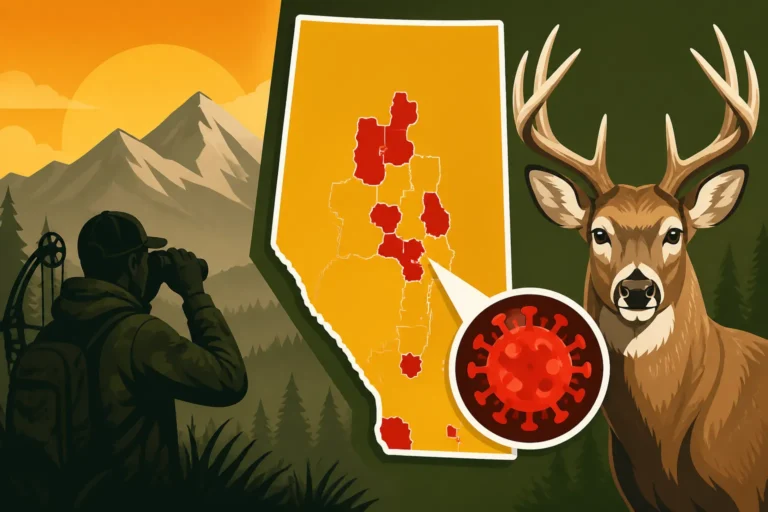
While cold and snow are primary drivers, other factors often compound the problem, tipping the scales towards mortality. Animals already stressed by hunger and cold have compromised immune systems, making them far more vulnerable to diseases. Chronic Wasting Disease (CWD), for instance, can weaken deer and make them more susceptible to winter kill. If a herd has a high incidence of CWD, a harsh winter can exacerbate the disease's impact, leading to higher mortality rates. You can find more information on Alberta's CWD Testing Requirements and Alberta's CWD Positive Rate Last Season to understand the ongoing impact of this disease.
Predation also plays a significant role. Weakened, slow-moving animals become easier targets for predators like wolves and coyotes. While predation is a natural part of the ecosystem, a severe winter can shift the balance, allowing predators to take a higher toll on already struggling populations. This isn't a sign of an unhealthy predator population, but rather a reflection of the vulnerability of the prey. The combined effect of these stressors can be far more devastating than any single factor alone.
Impact of Winter Kill on Different Alberta Game Species
Not all game animals are created equal when it comes to surviving a harsh Alberta winter. Their natural behaviours, diets, and physical adaptations mean that some species are far more vulnerable to winter kill than others. Understanding these differences helps us anticipate which populations might be hit hardest.
Deer (Whitetail and Mule Deer) Vulnerability
Deer, both whitetails and mule deer, are often the species most significantly impacted by severe winter conditions in Alberta. Their relatively small body mass compared to moose or elk means they have less stored energy reserves. They are primarily browsers, relying on twigs, buds, and residual forages that can easily become buried under deep snow.
White-Tailed Deer, Alberta's Most Hunted Big Game often utilize dense cover and river bottoms, which can accumulate heavy snow, trapping them in areas with depleted food sources. Mule deer, typically found in Mule Deer in Alberta's Open Country like the prairie and badlands, face challenges when snow covers sparse forage on open ridges and coulees. Their shorter legs make navigating deep, crusted snow incredibly arduous, burning vital energy and leading to rapid weight loss. Fawns and older deer are particularly vulnerable, as their physical condition is often less robust than prime-age adults. A severe winter can decimate the fawn crop and take a heavy toll on the older, trophy-class animals we often pursue.
Moose and Elk: More Resilient, But Still Affected
Moose and elk generally fare better than deer during harsh winters, primarily due to their larger body size and different foraging strategies. Moose Across Alberta's Boreal and Foothills are giants of the bush, with long legs designed to push through deep snow. They also browse on taller shrubs and trees that might remain accessible even when smaller vegetation is buried. Their sheer size means they have greater energy reserves to draw upon during periods of scarcity.
Similarly, Elk in Alberta's Mountains and Farmland are robust animals, and while they can be impacted, they often have better chances of survival than deer. Elk are grazers and browsers, and if open south-facing slopes or grain fields are available, they can find critical forage. However, prolonged periods of deep, crusted snow can still be challenging, especially for calves and cows that are already stressed from gestation or calving. Even these hardy animals have their limits, and a truly extreme winter will still take a toll, especially on the younger or less healthy individuals within the herd.
Pronghorn: The Prairie's Sensitive Barometer
Pronghorn are perhaps the most vulnerable big game species to severe winter kill in Alberta. These incredible animals, built for speed across the open prairie, are not equipped for deep snow. Their small hooves and relatively short legs make navigating anything more than a few inches of snow extremely difficult and energy-intensive. Furthermore, Pronghorn on Alberta's Southern Prairie feed primarily on forbs and grasses that are easily buried.
Unlike deer or even elk, pronghorn do not have the same ability to switch to browse or paw through thick snow for food. When their primary food sources are inaccessible, and they are forced to expend enormous amounts of energy just to move, they quickly succumb to starvation and exposure. Prolonged periods of deep snow and extreme cold can decimate pronghorn populations, sometimes leading to significant declines that take many years to recover. They truly act as a sensitive barometer for the severity of a prairie winter.
Assessing and Monitoring Game Populations After Winter
For wildlife managers and dedicated hunters alike, the period following a severe winter is critical for understanding its true impact on game populations. It's not always immediately obvious, and it takes careful observation and data collection to gauge the extent of the winter kill and plan for future hunting seasons.
Wildlife Surveys and Data Collection Methods
Wildlife management agencies employ a variety of methods to assess game populations after a hard winter. Aerial surveys, often conducted from helicopters or fixed-wing aircraft, allow biologists to count animals, observe herd health, and estimate population density across vast areas. This is particularly effective for species like moose and elk in open country or areas with deciduous cover. For species like deer, winter range counts and transect surveys can provide valuable data on local impacts.
Beyond direct counts, biologists look for indirect signs. This includes monitoring carcass numbers, tracking changes in animal movement patterns, and analyzing body condition through observed animals. Over the long term, harvest data from previous seasons also provides valuable context, indicating general population trends leading into a tough winter. This comprehensive approach helps build a clearer picture of how a winter has truly affected the populations.
Reading the Signs on the Ground
Hunters are often the first line of defence in observing the aftermath of winter kill. When we head out in the spring for shed hunting or simply to scout, we are looking for signs of life, but also unfortunately, signs of death. Finding deer or other big game carcasses, particularly in areas typically considered wintering grounds, is a grim indicator. Observing animals that appear thin, lethargic, or show signs of struggling can also tell a story of a difficult winter.
Changes in animal distribution or density are also key. If you're used to seeing dozens of deer in a particular Hunting a Cattle Pasture Draw or Hunting a Shelterbelt Between Two Fields and now only see a handful, that's a significant red flag. Conversely, if you're seeing a healthy number of animals, it can offer some reassurance. This ground-level intelligence from observant hunters is invaluable and often complements the formal surveys conducted by wildlife agencies. Every little bit of information helps paint a fuller picture.
Adjustments to Hunting Regulations and Quotas
Based on the assessment of winter kill and its impact on game populations, wildlife agencies may make adjustments to upcoming hunting regulations and quotas. This is often the most direct and tangible consequence for hunters. If a particular WMU (Wildlife Management Unit) or region has experienced significant losses, you might see reduced tag allocations, shortened seasons, antler point restrictions, or even closures for certain species.
These decisions are made to allow populations to recover and ensure the long-term sustainability of the resource. While it can be frustrating for hunters who have been looking forward to a particular season, these adjustments are a vital part of responsible wildlife management. It's about ensuring future generations have the same, or even better, hunting opportunities. Always check the Alberta Big Game Season Dates and the regulations for Alberta's Wildlife Management Units before planning your hunt, especially after a tough winter.
| Species | Primary Winter Kill Cause | Vulnerability Level | Recovery Time (Estimated) | Regulatory Impact Likely |
|---|---|---|---|---|
| Whitetail Deer | Deep snow, cold, forage | High | 2-3 years | High |
| Mule Deer | Deep snow, cold, forage | High | 2-3 years | High |
| Moose | Prolonged cold, deep snow | Moderate | 3-5 years | Moderate |
| Elk | Prolonged cold, deep snow | Moderate | 3-4 years | Moderate |
| Pronghorn | Deep snow, forage burial | Very High | 4-6+ years | Very High |
| Black Bear | Food scarcity (pre-denning) | Low | 1-2 years | Low |
Note: Recovery times are approximate and depend heavily on subsequent winters and management efforts.
Long-Term Effects and Management Strategies for Resilience
Winter kill is a natural cycle, but its severity can have lingering effects on game populations and hunting opportunities for several years. Wildlife managers, in partnership with conservation groups and hunters, constantly work to implement strategies that enhance the resilience of game populations and their habitats.
Habitat Improvement and Winter Range Enhancement
One of the most effective long-term strategies to mitigate the impact of winter kill is focusing on habitat improvement, particularly within critical winter ranges. Healthy, diverse habitat provides better food sources and cover, giving animals a stronger chance of surviving harsh conditions. This can involve strategic logging to promote new browse growth, prescribed burns to regenerate vegetation, or planting winter-hardy forage species in key areas.
Projects often concentrate on creating sheltered areas that offer protection from wind and deep snow, allowing animals to conserve energy. Enhancing access to a variety of food sources means animals are less reliant on a single type of forage, which might become inaccessible. These efforts not only benefit the game species directly impacted by winter kill but also contribute to the overall health and biodiversity of Alberta's ecosystems.
Balancing Predator and Prey Dynamics
The interplay between predators and prey is a complex and often emotional topic, especially in the context of winter kill. While predators do take advantage of weakened prey, their role in maintaining healthy, robust herds is crucial. They help to cull the sick and weak, ensuring that the strongest individuals survive and breed. However, after a severe winter kill, there can be concerns about predators exerting too much pressure on already struggling populations.
Wildlife management often involves carefully monitoring both predator and prey numbers, sometimes adjusting predator management strategies in specific areas to allow prey populations a chance to recover. This is a delicate balance, as an overabundance of prey without sufficient predator pressure can lead to other issues, such as disease outbreaks or habitat degradation. It's about finding equilibrium in a dynamic natural system.
The Role of Hunter Contributions
Hunters play an incredibly vital role in both monitoring and managing game populations after winter kill events. Beyond just reporting observations, the fees from hunting licenses and tags directly fund conservation efforts, including habitat improvement projects and scientific research that helps us understand and manage these populations. By adhering to updated regulations, hunters contribute directly to the recovery of game animals.
Furthermore, hunter ethics and a conservation mindset are paramount. This means making responsible decisions in the field, especially when populations are stressed. It means participating in voluntary surveys, reporting any unusual observations, and supporting organizations dedicated to wildlife and habitat conservation. Hunters are often the most passionate advocates for wildlife, and their sustained commitment is crucial for navigating the challenges posed by severe winters.
Hunter Strategies and Adaptations in Post-Winter Kill Seasons
Facing a hunting season after a significant winter kill can feel daunting. The frustration is real: you've planned, you've scouted, and now you're wondering if there will even be enough game to justify the effort. But adaptable hunters can still find success and fulfillment, often by adjusting their approach and leaning into conservation.
Shifting Focus and Expectations
The first and most important step for any hunter after a harsh winter is to adjust expectations. It's unlikely to be a "banner year" in the most affected areas, and clinging to previous season's hopes can lead to disappointment. Instead, consider shifting your focus. This might mean prioritizing a different species that was less affected, or exploring new Alberta's Wildlife Management Units that typically have more robust populations or better winter range.
For example, if whitetail numbers are down significantly in your usual hunting grounds, perhaps it's a year to focus on upland birds or waterfowl, which often have different wintering patterns and sensitivities. Or, if moose populations were less impacted, shifting your efforts towards Moose Hunting Alberta's Boreal Forest might be a viable option. This adaptability is key to maintaining a positive hunting experience and contributing positively to conservation efforts for struggling species.
Utilizing Scouting Tools and Resources like GoHunt
In years following a severe winter, effective scouting becomes even more critical. Animals that survived might have shifted their wintering grounds or are now concentrated in areas with better cover or food. This is where modern scouting tools and resources truly shine. Platforms like GoHunt provide invaluable data, from satellite imagery that can reveal hidden food sources or bedding areas, to historical weather patterns that might indicate areas less affected by snow depth.
Using GoHunt, you can identify sheltered areas, evaluate forage availability, and pinpoint potential travel corridors that might have been less impacted. This kind of detailed digital scouting, combined with boots-on-the-ground recon, gives you an edge. It allows you to quickly assess conditions and locate surviving animals, rather than just hoping for the best. Paying attention to details like Scouting With Satellite Imagery in Alberta becomes more important than ever.
Ethical Considerations and Conservation Mindset
More than ever, a strong ethical foundation and conservation mindset are paramount when hunting after a winter kill. This means prioritizing the health of the herd over personal harvest goals. If you're seeing signs of stressed animals or significantly reduced numbers, it might be a season to voluntarily pass on marginal animals, or even to consider not harvesting at all in certain areas.
Respecting bag limits, adhering to regulations, and ensuring clean, ethical shots become even more critical. Any game harvested should be fully utilized, reinforcing the principle that we are harvesting a resource, not just pursuing a trophy. Participating in programs like voluntary harvest reporting or CWD testing helps wildlife managers gather crucial data, which directly supports their efforts to manage populations effectively. Hunting Alberta Winter Weather Safely also means being mindful of potentially weakened animals and making ethical choices in the field.
Disclaimer
This article is for general informational purposes only and does not constitute professional advice. Laws, prices and regulations vary by location and change over time. Consult a qualified professional for guidance on your specific situation.