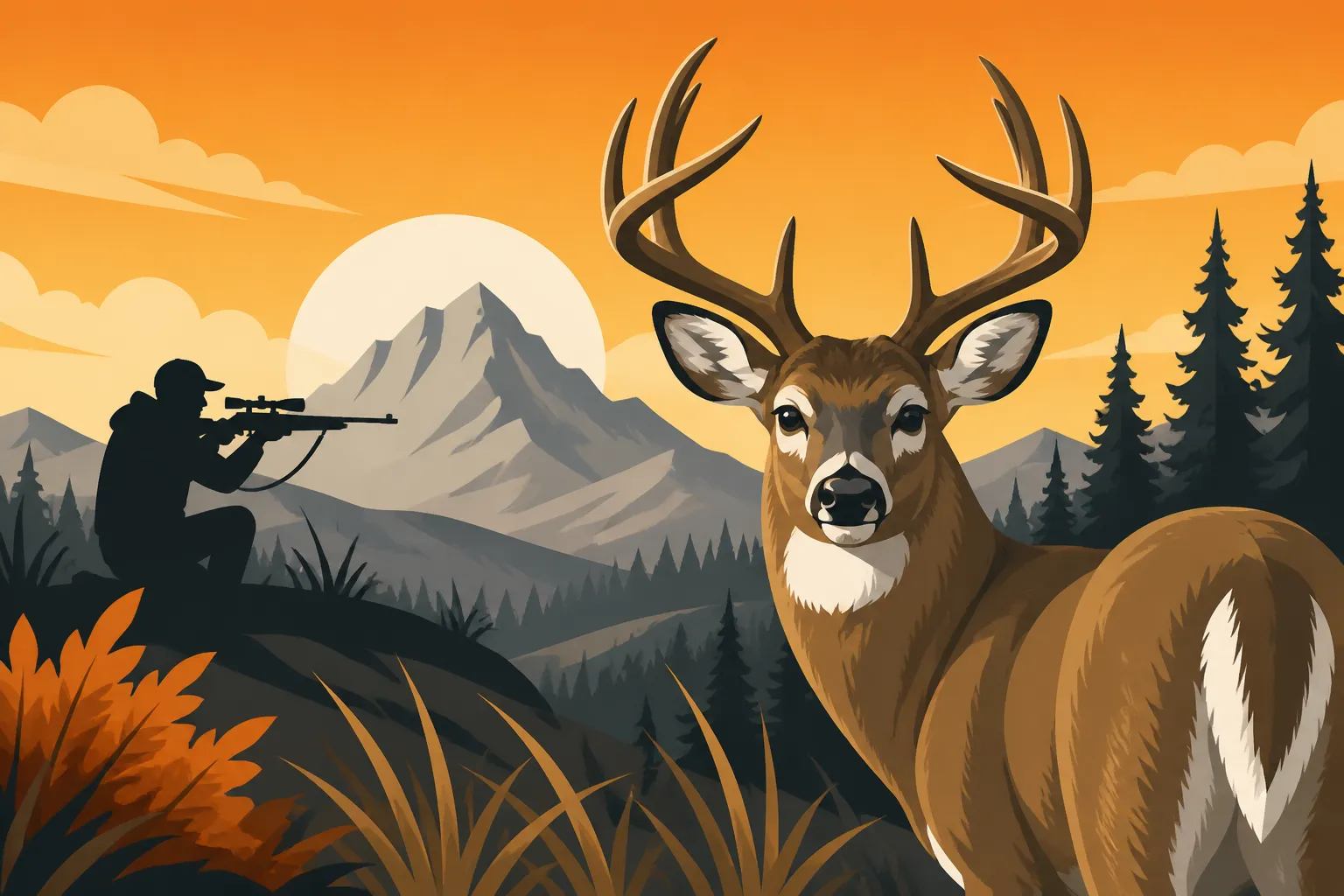
White-Tailed Deer, Alberta’s Most Hunted Big Game
For any hunter in Alberta, the white-tailed deer is often the first animal that sparks that undeniable passion, and for good reason. They are plentiful, adaptable, and incredibly challenging to hunt, leading to countless frustrating days in the bush, but also exhilarating moments of success. This comprehensive guide is here to unravel the mysteries of Alberta's most hunted big game species, offering deep insights into their biology, behaviour, and how to consistently put yourself in a position for success.
Why Alberta Whitetails Capture Every Hunter's Heart
There’s just something about the white-tailed deer in Alberta that gets under your skin. Maybe it’s their ghost-like ability to vanish in plain sight, or perhaps it's the sheer beauty of a heavy-antlered buck ghosting through an aspen bluff. For many, the whitetail isn't just a hunt; it's a way of life, an annual pilgrimage to the deer woods that defines their fall. This province truly is a whitetail hunter's paradise, offering diverse landscapes and robust populations.
The Abundance and Adaptability of Alberta Whitetails
One of the greatest appeals of whitetail hunting in Alberta is their sheer numbers and incredible adaptability. From the sprawling agricultural fields of the south and central regions to the dense boreal forests of the north, and even the broken coulees of the badlands, whitetails have found a way to thrive. They utilize every piece of cover, every food source, and every landscape feature to their advantage, making them omnipresent across much of the province.
This widespread distribution means that no matter where you call home in Alberta, you’re likely within a reasonable drive of excellent whitetail hunting opportunities. It's a huge factor in why they are the most hunted big game species here. Hunters don't have to travel hundreds of miles or apply for highly competitive draws just to get a chance; a general tag often gets you into some fantastic whitetail country. This accessibility is a huge draw, allowing weekend warriors and seasoned veterans alike to pursue their passion.
Alberta's Reputation for Big Whitetail Bucks
Let's be honest, while venison fills the freezer, the dream of a heavy-antlered buck is what truly fuels many hunters. And Alberta? It consistently produces some absolute giants. Our combination of nutrient-rich agricultural land, diverse natural forage, and genetics contributes to exceptional antler growth. Year after year, hunters connect with bucks that would make any record book, often boasting wide spreads, tall tines, and impressive mass.
This isn't just folklore; Alberta has a strong history of producing Boone and Crockett class whitetails, cementing its reputation on the national and international stage. The fertile soils lead to healthier deer with better body condition and, consequently, more resources allocated to antler development. Combine that with a solid management framework that includes draw-only opportunities in some high-quality zones and general seasons that still offer great potential, and you have a recipe for success. It's a challenging endeavor, for sure, but the potential for a truly magnificent trophy keeps us coming back.
Understanding Whitetail Habitat Across Alberta
To consistently hunt whitetails effectively, you first have to understand where they live and why. Alberta is a vast province with incredibly varied ecosystems, and whitetails adapt their living strategies to each one. Knowing these nuances is crucial for successful scouting and hunting.
The Aspend Parkland Edge: A Whitetail Heaven
The aspen parkland region, which forms a broad band across central Alberta, is arguably the most classic whitetail habitat in the province, and for very good reason. It’s a mosaic of aspen bluffs, often interspersed with willow thickets, intermingling seamlessly with fertile agricultural fields. This unique blend provides everything a whitetail needs to thrive: abundant food, exceptional cover, and easy access to water.
Deer here will spend their daylight hours bedded deep within the thick aspen stands or dense willow runs, feeling secure from predators and hunters alike. These bluffs offer thermal cover in winter, shade in summer, and a protective screen year-round. As dusk approaches, they'll often emerge from these edges, filtering out into adjacent crop fields—canola, barley, peas, or alfalfa—to feed. This edge habitat creates natural travel corridors and pinch points that are absolute magnets for deer movement. Hunting a Hanging a Stand on an Alberta Bush Edge can be incredibly productive here, especially during the rut. The combination of dense cover and readily available nutrition makes this region a true whitetail factory, supporting high deer densities and robust antler growth.
Boreal Forest Pockets: Hunting the Thick Stuff
While the parkland offers a mix of open and dense, the boreal forest of northern Alberta is a different beast entirely. Here, whitetails find refuge in the vast, continuous timber, often in smaller, more isolated pockets where food sources are varied, but generally less abundant than in farm country. Hunting here often means dealing with significantly thicker cover, muskeg, and an entirely different set of challenges.
Whitetails in the boreal forest will utilize younger growth areas like cutblocks or burned-over areas that offer browse, along with mature timber stands for bedding and shelter. They also gravitate towards natural openings like beaver meadows, old logging roads, and seismic lines, which provide breaks in the canopy and allow new forage to grow. These linear features are often key travel routes, especially when snow starts to pile up, making them excellent places to intercept deer. Deer densities might be lower than in the agricultural zones, but the deer that live here are often rugged, large-bodied, and incredibly wary, making for a challenging but rewarding hunt. You’ll need to put in the miles, often relying on still-hunting or methodical stand placement along these remote corridors.
River Bottom Havens and Coulee Country
Beyond the parkland and boreal, whitetails also thrive in other distinct habitats, particularly along river bottoms and within the broken coulee country of southern Alberta. These areas offer unique micro-climates and cover types that are highly attractive to deer, often providing a lifeline in otherwise open or challenging landscapes.
River bottoms, like those found along the Red Deer or Battle Rivers, are ribbons of dense willow, cottonwood, and scrub, cutting through more open prairie or agricultural land. These corridors act as natural highways for deer, providing cover, food, and water. Deer will often bed in the thickest pockets during the day, moving along the riverbanks or up into adjacent fields at night. These areas can be incredibly productive, but they often concentrate deer, which can also mean concentrated hunting pressure. Similarly, the myriad coulees and badlands breaks, particularly in areas like the Milk River Ridge or the breaks of the Red Deer River, offer deep, sheltered pockets. These steep-sided ravines, often choked with brush and small trees, provide excellent thermal protection and escape cover. Deer will bed on sun-facing slopes in winter, utilizing the warmer micro-climate, and retreat deep into the bottoms during hunting season. Hunting a Prairie Coulee Bottom requires a keen eye and patience, as deer can seemingly vanish into the landscape. Understanding how they use elevation, wind, and prevailing cover in these areas is paramount to success.
| Habitat Type | Primary Cover | Key Food Sources | Hunting Challenge | Movement Patterns |
|---|---|---|---|---|
| Aspen Parkland Edge | Aspen Bluffs, Willow Thickets | Crop Fields (Canola, Barley, Alfalfa), Native Browse | High Pressure, Private Land Access | Edge Movement, Field-to-Bedding Routes |
| Boreal Forest Pockets | Dense Timber, Cutblocks, Muskeg | Young Forest Browse, Berries, Lichens | Thick Cover, Remote Access | Old Roads, Seismic Lines, Natural Openings |
| River Bottom Havens | Cottonwoods, Willows, Scrub | Riverbank Vegetation, Adjacent Crop Access | Wind Swirls, Navigating Waterways | River Corridors, Up-and-Down into Fields |
| Prairie Coulee Country | Brushy Ravines, Small Trees | Sagebrush, Native Grasses, Farm Run-off | Glassing Large Areas, Wind | Elevation Changes, Hidden Draws, Water Sources |
Key Whitetail Behaviors and Patterns
Understanding the annual cycle of a white-tailed deer is like unlocking a secret code. Their behaviour shifts dramatically with the seasons, influenced by breeding, food availability, and pressure. Knowing these patterns will dramatically increase your chances of success.
The Whitetail Rut: The Hunter's Holy Grail
Ah, the rut! For many hunters, this is the pinnacle of the whitetail season, a magical time when bucks throw caution to the wind in search of does. In Alberta, the whitetail rut typically kicks into high gear during the first two weeks of November, though pre-rut activity can start as early as late October, and post-rut breeding can linger into December. During this period, a buck's primary focus shifts from food to procreation, leading to increased daytime movement and aggressive behaviour.
This is when you’ll see those tell-tale signs: fresh scrapes appearing along field edges and timber lines, rubs on saplings, and most excitingly, bucks actively chasing does. Hunters often find success by focusing on traditional doe bedding and feeding areas, knowing that bucks will be checking these locations regularly. Calling and rattling can also be incredibly effective during this phase. Bucks are more susceptible to these tactics as their testosterone levels peak, making them territorial and eager to confront perceived rivals or investigate potential mates. Learning to effectively call and rattle in Alberta's diverse landscapes is a skill that takes practice, but the rewards can be incredible. A well-timed grunt or rattle sequence can bring a cruising buck right into your lap.
Post-Rut and Winter Survival Strategies
Once the main breeding phase is over, whitetails, especially bucks, enter a critical period of recovery. The energy expended during the rut is immense, and their focus shifts dramatically back to survival and replenishing fat reserves. As winter sets in, often with deep snow and bitter cold in Alberta, their behaviour becomes even more driven by caloric intake and energy conservation.
During the post-rut, deer will often become highly nocturnal again, especially if hunting pressure is high. They’ll gravitate towards the richest food sources available, whether it's unharvested crops, winter browse, or even hay bales left out for cattle. Their movements become more predictable, often a direct line from a secure bedding area to a prime feeding location. They'll choose bedding sites that offer the most thermal protection, such as dense conifer stands, south-facing slopes, or thick river bottom brush that blocks the biting wind. Understanding Where Alberta Whitetails Bed in Deep Snow is critical for late-season success. Hunting during this time demands patience, precise stand placement along these travel corridors, and the ability to withstand the harsh Alberta winter weather. It's a challenging hunt, but for those who brave the cold, rewards can be found in a heavy, well-fed deer.
Summer Feeding and Early Season Habits
While most of Alberta's whitetail hunting occurs in the fall, understanding their summer and early-season habits is crucial for effective pre-season scouting. In spring and summer, whitetails are focused on growth and raising fawns. Does lead fawns to lush, nutritious forage, while bucks are busy growing their antlers in velvet, often forming bachelor groups in areas with abundant food and minimal disturbance.
During the summer, deer will consume a wide variety of plants, including alfalfa, clover, various forbs, and browse. They'll frequent agricultural fields, lush meadows, and forest clearings. As late summer transitions into early fall, and the Hunting Alberta's September Archery Opener approaches, their patterns begin to shift. Bucks start to shed their velvet, separate from their bachelor groups, and become more aware of their surroundings. They'll continue to feed heavily, building up fat reserves for the coming rut. Scouting at this time, looking for preferred food sources, fresh tracks, and early rub lines, can provide invaluable information that pays off later in the season. Pay attention to how deer move between summer feeding areas and potential early-season bedding sites, as these routes often remain consistent as fall progresses.
Scouting Strategies for Alberta Whitetails
Effective scouting is the bedrock of successful whitetail hunting. You can't just wander into the woods and expect to consistently find deer; you need to understand their patterns, preferred areas, and how they use the landscape. Modern tools and old-school bushcraft combine to create a powerful scouting arsenal.
Pre-Season Reconnaissance: Boots on the Ground
There's no substitute for getting your boots on the ground long before the season opens. Pre-season scouting in Alberta, typically in late summer or early fall, allows you to observe deer patterns without spooking them during hunting season. This is when you identify key bedding areas, primary food sources, water access, and the travel corridors that connect them.
Walk the edges of fields, explore aspen bluffs, and hike river bottoms. Look for obvious signs like heavily used trails, fresh droppings, and early season rubs. Pay close attention to pinch points—funnels of cover that restrict deer movement, forcing them into predictable pathways. These could be narrow strips of bush between two fields, a small neck of timber connecting larger blocks, or a fence line with a single crossing point. Observing these areas from a distance, perhaps with binoculars or a spotting scope, can reveal daily routines without leaving your scent. If you're planning to hunt Crown land, this pre-season legwork is even more critical, as you might be competing with other hunters, and finding those less-pressured pockets can be a game-changer. Don't forget to look for historical sign too; old rub lines or persistent trails often indicate perennial deer usage.
Leveraging Technology for Smarter Scouting
While boots on the ground are essential, modern technology has revolutionized the scouting game. Tools like satellite imagery, detailed mapping apps, and trail cameras can save you countless hours and provide insights you might otherwise miss. Many hunters in Alberta rely on platforms like GoHunt for detailed topographical maps and land ownership information, helping them pinpoint prime whitetail habitat from the comfort of their home.
Start your scouting journey online, using satellite maps to identify potential bedding areas (dense timber, thickets), feeding zones (crop fields, clearings), and natural travel corridors (shelterbelts, creek bottoms, edges). Look for elevation changes, water sources, and areas with diverse vegetation. Mark potential stand locations, access routes, and egress paths that minimize disturbance. Once you have a few promising spots, deploy trail cameras. Place them along well-used trails, near scrapes, or overlooking food sources. They provide invaluable, unbiased data on deer movement times, frequency, and the presence of specific bucks. Remember to check local regulations regarding trail camera use on public land. Tools like GoHunt can also help identify public land boundaries or where to seek Asking a Grazing Leaseholder for Access, ensuring you're scouting legally and effectively. This blend of digital reconnaissance and physical verification creates a highly efficient scouting strategy.
In-Season Adjustments and Reading the Sign
Hunting isn't just about executing a plan; it's about constant adaptation. Once the season starts, deer behaviour can change rapidly due to pressure, weather shifts, or the progression of the rut. You need to be able to read the sign and make in-season adjustments to your strategy.
Every time you step into the woods, you should be scouting. Look for fresh tracks, new rubs and scrapes, and recent droppings. Are the scrapes being tended to? Are the rubs fresh and shiny? This tells you bucks are active in the area. Pay attention to how deer react to your presence; if they're blowing and running, you might be putting too much pressure on them, or your access route needs adjusting. Weather can drastically alter movement patterns; a sudden cold snap might push deer to feed more during the day, while a warm front might make them more nocturnal. If you're seeing lots of deer but no bucks, consider moving your stand closer to thicker cover where bucks might be staging before entering an open area. Be ready to move your stands, adapt your calling sequences, or even switch hunting locations entirely if the deer aren't where you expect them. Successful hunters are constantly learning and adapting, using every outing as a scouting mission.
Effective Hunting Methods for Whitetails
Once you've done your scouting and understand the whitetail's world, it's time to put a plan into action. Alberta offers diverse terrain and opportunities, allowing for various hunting methods, each with its own nuances and ideal conditions.
Stand Hunting and Blinds: The Patience Game
Stand hunting, whether from a tree stand or a ground blind, is arguably the most popular and effective method for hunting whitetails in Alberta, especially in the aspen parkland and river bottom country. It’s a patience game, requiring you to remain still, silent, and scent-controlled for extended periods in a location where you anticipate deer movement.
The key to successful stand hunting lies in strategic placement. You need to identify key travel corridors, pinch points, scrape lines, or feeding areas that deer frequent, and then position your stand to intercept them. Consider wind direction, sun position, and your access route to and from the stand, ensuring minimal disturbance. For example, Hunting a Cutline Intersection for Whitetails in the boreal offers distinct advantages, as deer often use these clearings as travel routes. In agricultural settings, placing a stand along a thick bush edge overlooking a crop field at dusk is a classic and often deadly tactic. Ground blinds can be fantastic for concealing movement and scent, particularly in open prairie country where natural elevation offers little concealment, or in areas where tree stands are not feasible. Whichever you choose, invest in comfortable, reliable equipment, and be prepared to sit for hours. The more time you spend on stand, the higher your chances of catching that mature buck making a mistake.
Still-Hunting and Spot-and-Stalk in Diverse Terrain
While stand hunting requires patience, still-hunting demands stealth and an intimate knowledge of the terrain. This method involves moving slowly and deliberately through whitetail habitat, pausing frequently to observe, listen, and glass for deer before they detect you. It's particularly effective in thicker cover where visibility is limited, such as dense boreal forest or brushy coulees.
The pace for still-hunting is glacial; you should spend far more time standing still and observing than actually moving. Focus on reading the sign as you go – fresh tracks, disturbed leaves, or distant deer calls. Use the wind to your advantage, always moving into it or with a crosswind. In Alberta's vast boreal forests, still-hunting along old logging roads or seismic lines can be very productive. For open country and areas like the badlands, a spot-and-stalk approach for whitetails (often mistaken as a mule deer exclusive) can also work. This involves finding deer from a distance with optics and then planning an approach using topography and cover to get within shooting range. Platforms like GoHunt with their detailed terrain mapping can be invaluable for planning such a stalk, helping you identify hidden draws and cover. Remember that spotting a whitetail first in its natural habitat is half the battle; the other half is executing a silent, scent-free approach.
Rattling and Calling: Luring Them In
During the rut, rattling and calling can be incredibly effective tools to bring whitetails into range. These active methods attempt to mimic the sounds of deer, triggering their curiosity, territorial instincts, or breeding urges.
Rattling involves clashing antlers together to simulate a fight between two bucks. The intensity and duration of the rattling sequence can vary depending on the phase of the rut and the landscape. In open parkland, a higher volume might be necessary to carry the sound further, whereas in thick timber, a softer, shorter sequence might be more appropriate. Grunt calls mimic the sounds of bucks and does, from social grunts to tending grunts and snort-wheezes. A well-placed tending grunt can draw in a curious buck, while a snort-wheeze can challenge an aggressive one. Decoys, especially buck or doe decoys, can be combined with rattling and calling to visually entice deer, but they require careful placement and understanding of wind direction to be effective. The key to successful calling and rattling is timing and realism. Don't overdo it, and always be prepared for a deer to appear quickly and silently from an unexpected direction. Practice these calls and sequences well before the season, and you might just lure in the buck of a lifetime. Rattling Volume in Open Parkland needs to be adapted to the conditions, but it's an exhilarating way to hunt.
Navigating Alberta's Whitetail Seasons and Regulations
Hunting white-tailed deer in Alberta requires a solid understanding of the regulations, licence requirements, and season dates. The province has specific rules designed to manage populations and provide fair chase opportunities for hunters.
Licence Requirements and Draw System Basics
Before you even think about stepping into the Alberta deer woods, you need the proper documentation. This starts with an Alberta WIN (Wildlife Identification Number) Card and an Alberta Wildlife Certificate, which are foundational for all hunting and fishing activities in the province. Once you have those, you'll need the appropriate deer licences. For white-tailed deer, Alberta offers both general licences and special licences obtained through a draw system.
General White-tailed Deer Licences allow you to hunt antlered whitetails in designated general season WMUs (Wildlife Management Units) without needing to apply for a draw. This is the bread and butter for many resident hunters and offers widespread opportunity. However, for antlerless white-tailed deer, or for hunting antlered whitetails in specific, often high-demand or quality-managed WMUs, you'll need to apply for a Special Licence through Alberta's draw system. This system uses priority points, where unsuccessful applicants gain a point, increasing their odds in subsequent years. Understanding Alberta's Draw Priority Point System is crucial if you're aiming for those coveted limited-entry tags. Applying for draws happens in late spring, so stay on top of those deadlines!
Key Season Dates and Wildlife Management Units
Alberta’s white-tailed deer seasons vary significantly by WMU and by weapon type. Generally, archery seasons open first, usually in late August or early September, providing an excellent early-season opportunity. This is often followed by general rifle seasons, which typically open in late October or early November, coinciding with the peak of the rut in many areas. Some WMUs also offer late-season opportunities, extending into December.
It is absolutely critical to consult the current Alberta Hunting Regulations Guide every year, as dates, WMU boundaries, and specific rules can change. You need to know your WMU and its specific regulations like the back of your hand. For example, some WMUs might be general antlered only, while others might require a draw for any deer, or have specific antler point restrictions. The "General White-tailed Deer" section in the regulations will outline which WMUs have open seasons for antlered whitetails, and which have draw-only antlerless opportunities. Accessing the Alberta government's online system, albertarelm.com, is essential for checking season dates, applying for draws, and purchasing licences. Always double-check your dates and WMU boundaries before heading out, whether you're hunting in the foothills or the parkland. For a general overview, look for the Alberta Whitetail General Season Dates to get started, then drill down into specific WMU information.
Ethical Hunting and Legal Responsibilities
Beyond licences and dates, ethical hunting practices and adherence to all legal responsibilities are paramount. This includes understanding shooting hours (typically half an hour before sunrise to half an hour after sunset), respecting private land boundaries, and ensuring humane harvests. Alberta has strict rules against wasting game meat, so proper field dressing and meat care are essential, especially with fluctuating fall temperatures.
Blaze orange requirements are in place during general seasons to ensure hunter safety, so always check the specific rules for your WMU and season type. Also, be aware of firearm and bow specifications, minimum draw weights, and legal calibre restrictions for big game. Transporting your firearm safely and legally, especially if you are a non-resident, is another crucial consideration. Alberta Hunter Education Requirements ensure that all new hunters are properly trained in safety and ethics. Lastly, always report your harvest. This data is vital for wildlife managers to make informed decisions about future seasons and population management. Hunting is a privilege, and respecting the animal, the land, and the law ensures this privilege continues for generations to come.
Trophy Potential and Management
Alberta's whitetail population is not only abundant but also has a proven track record of producing exceptional trophy-class animals. This success isn't just luck; it's a combination of habitat, genetics, and sound wildlife management principles.
Factors Contributing to Alberta's Big Bucks
Several factors converge to make Alberta a prime destination for trophy whitetails. Firstly, the abundant and nutritious food sources, particularly in the agricultural belts, provide the necessary protein and minerals for superior antler growth. Deer feeding on crops like peas, canola, and alfalfa have access to a rich diet that translates directly into healthier bodies and larger racks. Secondly, strong genetics run through Alberta's whitetail herds. While specific bloodlines are hard to track in wild populations, the consistent production of large-antlered deer over decades suggests a robust genetic foundation.
Lastly, effective wildlife management plays a crucial role. While Alberta has a strong general season tradition, the draw system in certain WMUs and the ability for hunters to choose where and when they hunt helps manage pressure. This balance allows some bucks to reach older age classes, which is the single most important factor for antler development. A buck needs time to mature, often reaching his prime antler potential between 4.5 and 7.5 years old. In areas where hunters practice selective harvesting, or simply where enough older bucks survive each season, the potential for true giants increases exponentially. This combination of rich forage, strong genetics, and sound management practices explains Why This Country Grows Heavy Antlers and why Alberta consistently ranks high for record book whitetails.
Chronic Wasting Disease CWD and Its Impact
Chronic Wasting Disease (CWD) is an ever-present concern for whitetail populations across North America, and Alberta is no exception. This fatal neurological disease affects cervids (deer, elk, moose), and its presence can impact herd health and hunting regulations. Alberta has a proactive approach to CWD surveillance and management, which hunters play a vital role in.
Each year, Alberta designates specific WMUs as CWD mandatory submission zones, where hunters harvesting deer (and sometimes moose or elk) are required to submit the animal's head for testing. This helps wildlife officials monitor the spread and prevalence of the disease. For hunters, understanding Alberta's CWD Testing Requirements is crucial, as is knowing Where Alberta's CWD Freezers Are for submissions. While the risk of CWD transmission to humans is considered extremely low, it's recommended not to consume meat from a CWD-positive animal. CWD can lead to population declines over time, so actively participating in testing programs is a key part of responsible hunting and conservation. Staying informed about the latest CWD updates from Alberta Environment and Parks is part of being a diligent hunter.
Conservation Efforts and Sustainable Harvesting
The robust whitetail populations and the continued opportunity to pursue them are a testament to ongoing conservation efforts. These efforts involve not just government agencies but also hunter-led organizations like the Alberta Conservation Association (ACA), which work to secure public access, improve habitat, and fund critical research.
Sustainable harvesting practices are at the core of whitetail management. By adhering to bag limits, season dates, and specific WMU rules, hunters directly contribute to maintaining healthy deer numbers. For example, allowing younger bucks to mature by passing on smaller animals can contribute to a healthier herd and more impressive trophies in future years. Habitat preservation and enhancement, often through projects supported by hunting licence fees and conservation stamps, also ensure that whitetails have the resources they need to thrive. Ultimately, every hunter in Alberta is a steward of the land and its wildlife. Our collective responsibility is to ensure that future generations can experience the thrill of chasing white-tailed deer as we do today.
Common Challenges and How to Overcome Them
Hunting whitetails in Alberta is rarely easy. There are always challenges, whether it's dealing with other hunters, unpredictable weather, or tricky access. But with a bit of planning and adaptability, these obstacles can often be overcome.
Dealing with Hunting Pressure and Hunter Competition
One of the biggest frustrations for many hunters, especially during general seasons on public land, is dealing with other hunters. High hunting pressure can make deer incredibly wary, pushing them into thicker cover and making them largely nocturnal. It's disheartening to find your perfect stand location already occupied, or to have deer spooked by another hunter's approach.
To overcome this, you need to think differently. First, consider hunting during weekdays if possible, when pressure is generally lower. Second, don't be afraid to walk further than others. Many hunters stick to within a few hundred yards of roads or trails. By venturing deeper into the bush, you often find less pressured deer. Use satellite imagery to identify isolated pockets of Crown land that might be surrounded by private land but still accessible, or areas that require a bit more effort to reach. Focus on secure bedding areas; pressured deer will spend their daylight hours in the thickest, most impenetrable cover they can find. Also, learning to hunt in adverse weather conditions like heavy rain or snow can give you a significant advantage, as many fair-weather hunters will stay home. Opening Weekend Crowds on Alberta Public Land are a reality, but smart tactics can still yield success.
Navigating Alberta's Unpredictable Weather
Alberta's weather can be notoriously unpredictable, especially during the fall hunting season. From scorching Indian summer days to sudden blizzards and deep cold, you can experience all four seasons in a single week. This variability impacts both hunter comfort and deer behaviour.
Preparation is key. Always check the forecast, but be ready for anything. Layering your clothing is essential – start with moisture-wicking base layers, add insulating mid-layers, and top it with a waterproof and windproof outer shell. Bring hand warmers, extra socks, and plenty of hot beverages if you're out in the cold. When it comes to deer, warm, calm days often mean reduced daytime movement, while a significant drop in temperature or the first major snowfall can trigger increased feeding activity. Heavy winds can make still-hunting difficult but can also mask your movement and scent, and often cause deer to move into sheltered areas. Hunting Alberta Winter Weather Safely involves not just staying warm, but also ensuring your vehicle is properly equipped with a winter kit and you have emergency communication. Don't let the weather defeat you; adapt your strategy to it, and you might find the deer are moving when others are hunkered down.
The Challenge of Land Access
Gaining access to good hunting land is a persistent challenge for Alberta hunters, particularly in the highly productive agricultural 'White Area' where much of the land is privately owned. Respecting private property is non-negotiable, and hunting without permission is trespassing, with serious legal consequences.
Overcoming access hurdles requires effort and a good attitude. The old-fashioned method of knocking on doors and asking landowners for permission is still highly effective. Be polite, dress respectfully, and offer to help with chores or share your harvest. Many landowners are open to granting permission to responsible hunters. The Alberta government's Recreational Access Mapping Tool is an invaluable resource for identifying Crown land, particularly those smaller, often overlooked parcels, and for understanding rules around grazing leases. Organizations like the ACA also manage private land access programs where hunters can gain permission to hunt specific properties. For those without private land access, focusing on public land in the Green Area, Provincial Grazing Reserves, or Public Land Use Zones requires more effort but can be incredibly rewarding. Patience and persistence are your best friends when seeking permission; building a relationship with a landowner can secure hunting access for years to come.
Disclaimer
Please remember that hunting regulations in Alberta can change annually. It is your responsibility to review the most current Alberta Hunting Regulations Guide published by the provincial government before engaging in any hunting activities. This guide is for informational purposes only and should not be considered a substitute for official regulatory documents.
Hunting Alberta's Early Archery Seasons
Rifle Hunting Alberta's General Seasons
Hunting the Rut in Early November
Reading Whitetail Sign in Alberta Aspen Bluffs
Scouting With Satellite Imagery in Alberta
Hunting Whitetails on Alberta Crown Land
Alberta Whitetail General Season Dates
Alberta's Draw Priority Point System
Alberta's CWD Testing Requirements
Hunting a Shelterbelt Between Two Fields
Hunting a River Valley Bottom in Alberta
Hunting a Cypress Hills Timber Pocket